ANNE TERESA DE KEERSMAEKER
ROSAS
Bruxelles
Creation 2010
Running time mn
Prices : from €33 to €15
|
T 6 |
W 7 |
T 8 |
F 9 18h 30 |
S 10 18h 30 |
S 11 18h 30 |
M 12 18h 30 |
T 13 18h 30 |
W 14 |
T 15 18h 30 |
F 16 18h 30 |
S 17 |
S 18 |
M 19 |
T 20 |
W 21 |
T 22 |
F 23 |
S 24 |
S 25 |
M 26 |
T 27 |
|
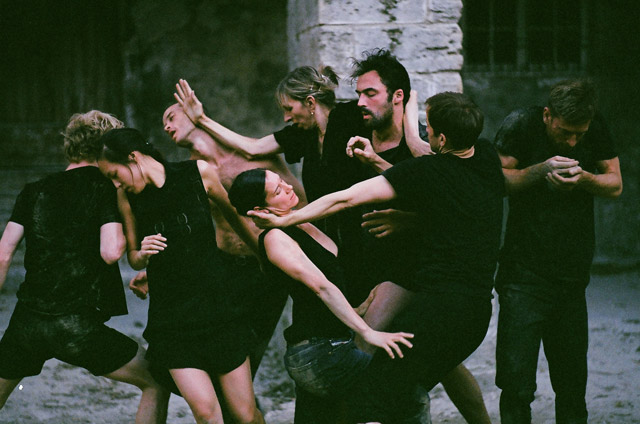
En Atendant by Anne Teresa De Keersmaeker © Anne Van Aerschot
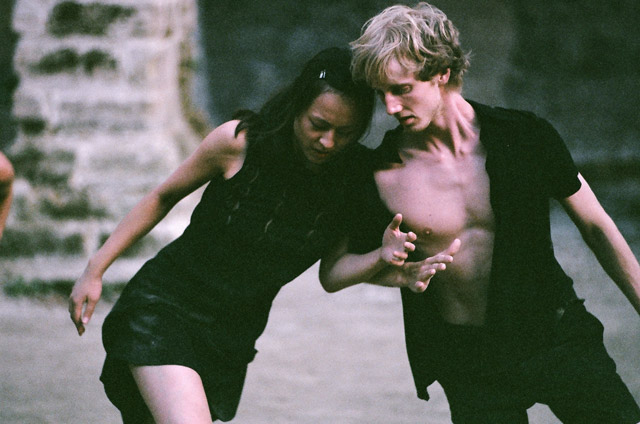
En Atendant by Anne Teresa De Keersmaeker © Anne Van Aerschot
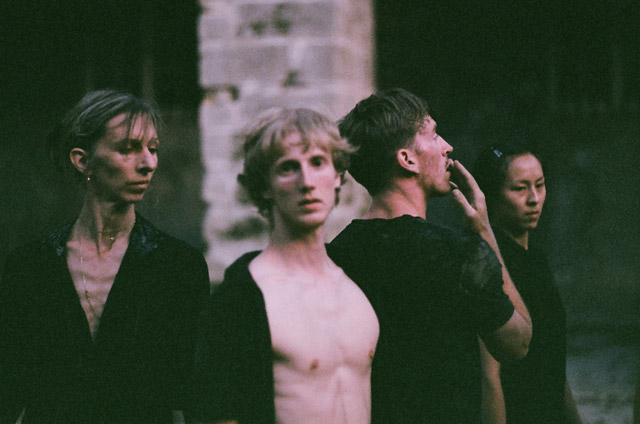
En Atendant d'Anne Teresa De Keersmaeker © Anne Van Aerschot
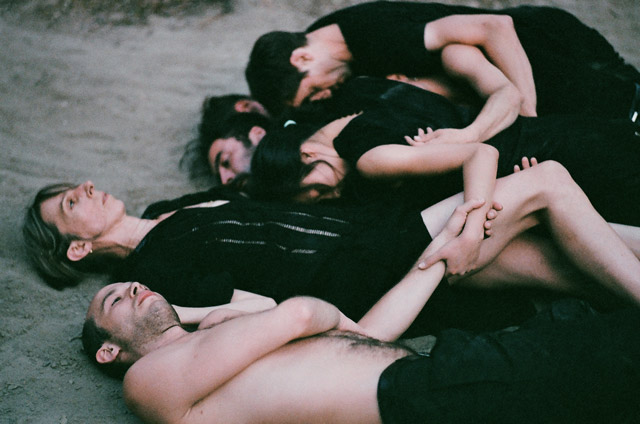
En Atendant d'Anne Teresa De Keersmaeker © Anne Van Aerschot
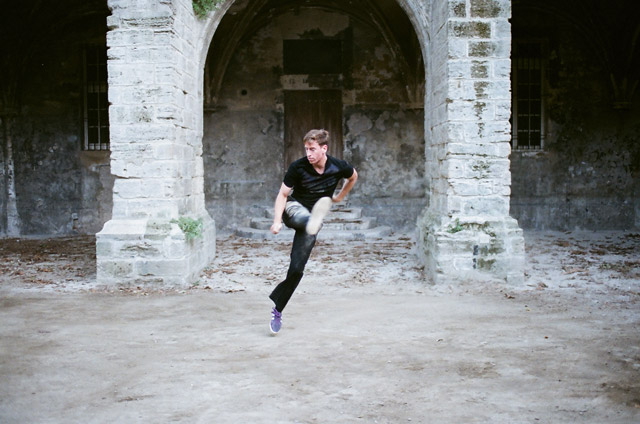
En Atendant d'Anne Teresa De Keersmaeker © Herman Sorgeloos
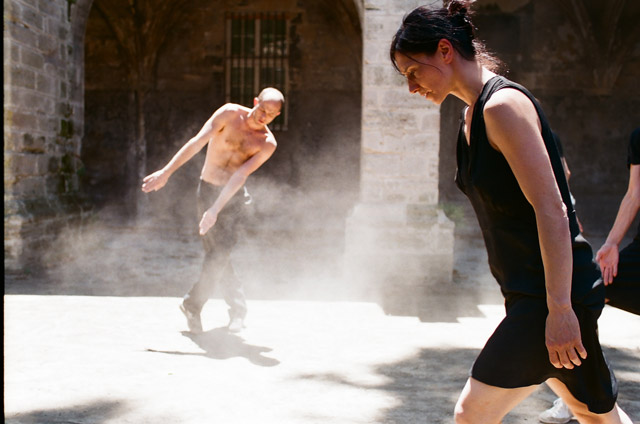
En Atendant d'Anne Teresa De Keersmaeker © Herman Sorgeloos
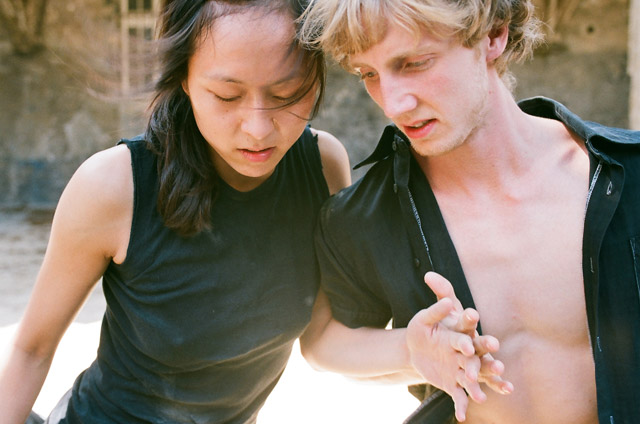
En Atendant d'Anne Teresa De Keersmaeker © Herman Sorgeloos
Looking at a body dance on Anne Teresa De Keersmaeker's stage is necessarily seeing music being incarnated since, like a virtuoso instrument, the dancer is the best possible interpreter of a score in which the notes are steps and the tempo a movement. In her constant search for the alliance between dance and music, the choreographer explores a new world. After Bach and Webern in Zeitung, the Beatles and their White Album in The Song, she has chosen ars subtilior as the inspiration and starting point of her new piece. A polyphonic, sophisticated musical form dating from the late 14th century, which was notably invented at the popes' courtyard in Avignon at the period of the Western Schism, that is, when other popes sat at the same time in Rome. This music, with all its contrasts, ruptures, superimpositions, intersections and sometimes dissonances, is a constant source of surprise. In this sense, it rather accurately bears witness to a period of crises during which the pillars of society, whether political or religious, were strongly shaken. Based on what could seem a score of disarray, played directly on stage, Anne Teresa De Keersmaeker composes movements as if a breath had seized her dance. Then every freezes, for a time, and only the vibration of a voice, the timid resonance of a light flute, succeed in reanimating bodies that might have been said to be won by death, omnipresent in the minds of this period. The incarnation here takes place through an interiorization of the music, which transforms the movements and gestures into pure act, as though the dance became a heartbeat, the passage of the wind on the bare stage, the language of a sovereign incorporation. But the fragile balance can be broken and the harmony implode into chaos when the storm returns from the past and history imposes its macabre cortege on men, like a pastoral of fear. At a distance of more than 600 years, in a Celestine cloister dating from the same period without any pretensions or artifices, Anne Teresa De Keersmaeker confronts us in this way with ourselves, through the sole power of the dancing bodies and the music interpreted on stage. ADB
choregrapher Anne Teresa De Keersmaeker
scenographer Michel François
costumes Anne-Catherine Kunz
music ars subtilior
created and danced by
Bostjan Antoncic, Anne Teresa De Keersmaeker, Carlos Garbin, Cynthia Loemij, Mark Lorimer, Mikael Marklund, Chrysa Parkinson, Sandy Williams, Sue-Yeon Youn musiciens Bart Coen, Birgit Goris, Michael Schmid, Annelies van Gramberen
production Rosas
coproduction Festival d'Avignon, De Munt / La Monnaie (Bruxelles), Festival Grec (Barcelone), Grand Théâtre de Luxembourg, Théâtre de la Ville-Paris, Concertgebouw (Bruges)
avec le soutien des Autorités flamandes et du réseau Kadmos