
© LA COMPAGNIE DES INDES / FESTIVAL D'AVIGNON

by Henrik Ibsen
direction
THOMAS OSTERMEIER
Schaubühne Berlin
Berlin
Creation 2012
Show in German with French surtitles
Running time mn
Prices : from €36 to €14
|
S 7 |
S 8 |
M 9 |
T 10 |
W 11 |
T 12 |
F 13 |
S 14 |
S 15 |
M 16 |
T 17 |
W 18 20h |
T 19 20h |
F 20 20h |
S 21 |
S 22 20h |
M 23 20h |
T 24 15h |
W 25 15h |
T 26 |
F 27 |
S 28 |
|
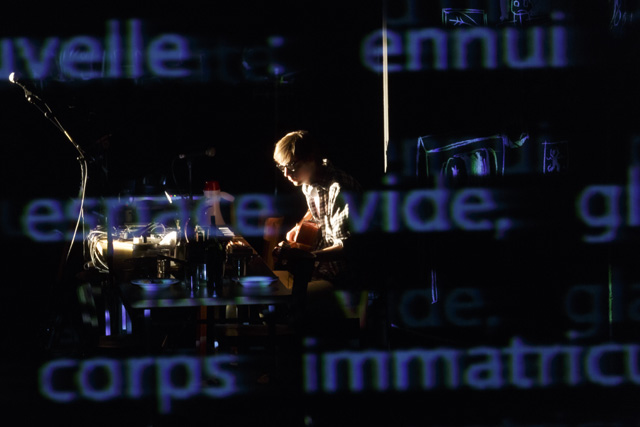
An Enemy of the People © Christophe Raynaud de Lage / Festival d'Avignon
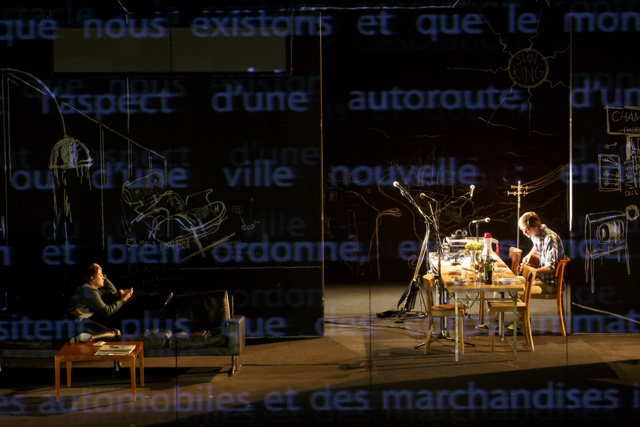
An Enemy of the People © Christophe Raynaud de Lage / Festival d'Avignon
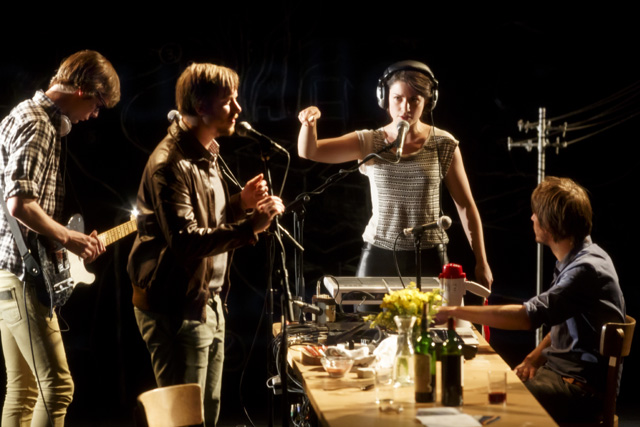
An Enemy of the People © Christophe Raynaud de Lage / Festival d'Avignon
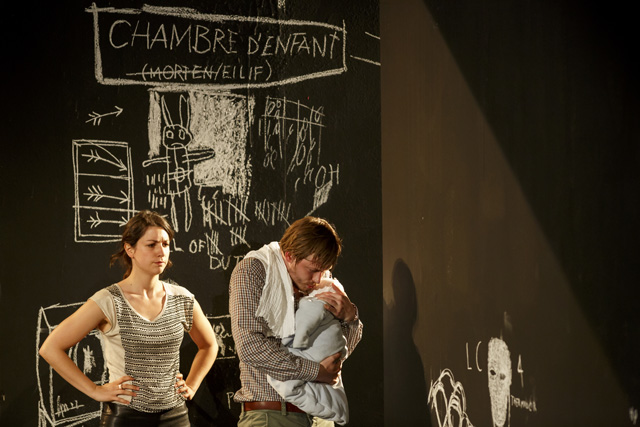
An Enemy of the People © Christophe Raynaud de Lage / Festival d'Avignon
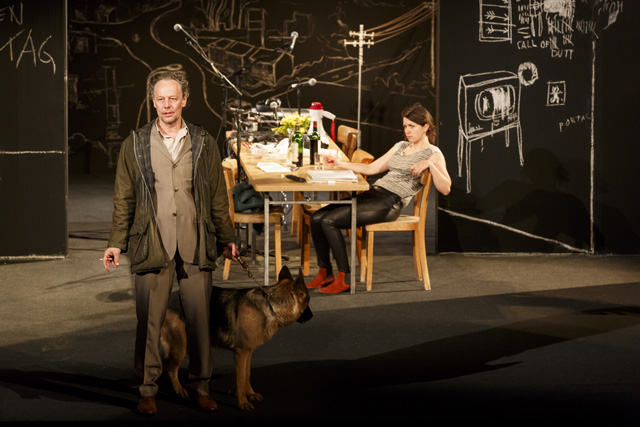
An Enemy of the People © Christophe Raynaud de Lage / Festival d'Avignon
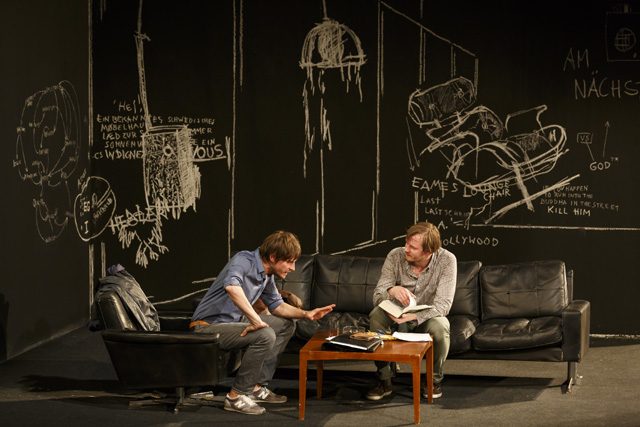
An Enemy of the People © Christophe Raynaud de Lage / Festival d'Avignon
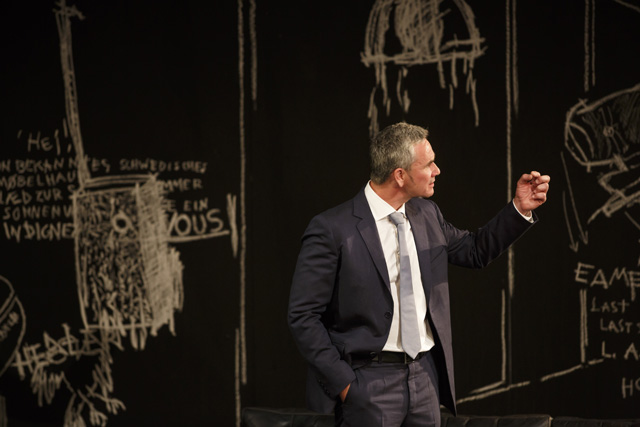
An Enemy of the People © Christophe Raynaud de Lage / Festival d'Avignon
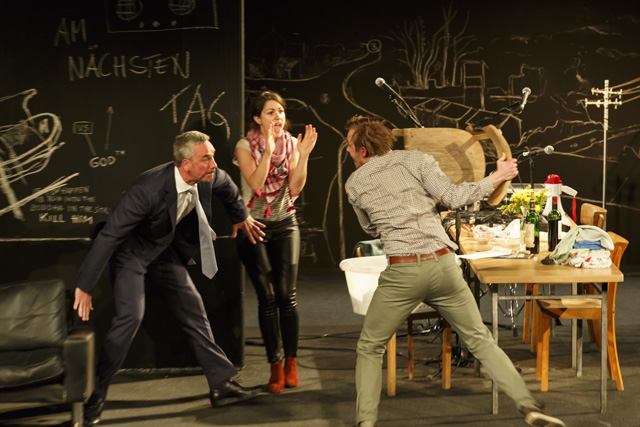
An Enemy of the People © Christophe Raynaud de Lage / Festival d'Avignon
An Enemy of the People © Christophe Raynaud de Lage / Festival d'Avignon
An Enemy of the People © Christophe Raynaud de Lage / Festival d'Avignon
An Enemy of the People © Christophe Raynaud de Lage / Festival d'Avignon
An Enemy of the People © Christophe Raynaud de Lage / Festival d'Avignon
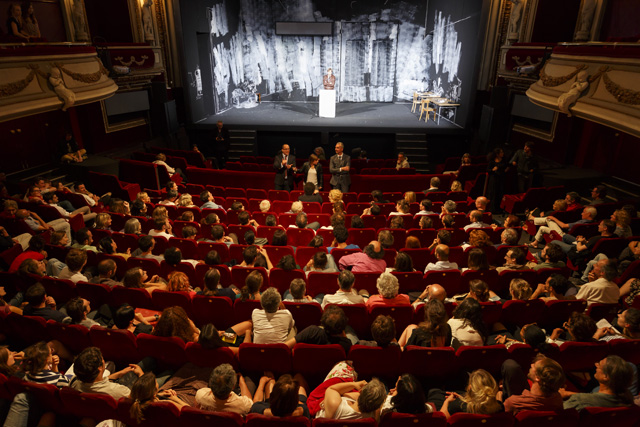
An Enemy of the People © Christophe Raynaud de Lage / Festival d'Avignon
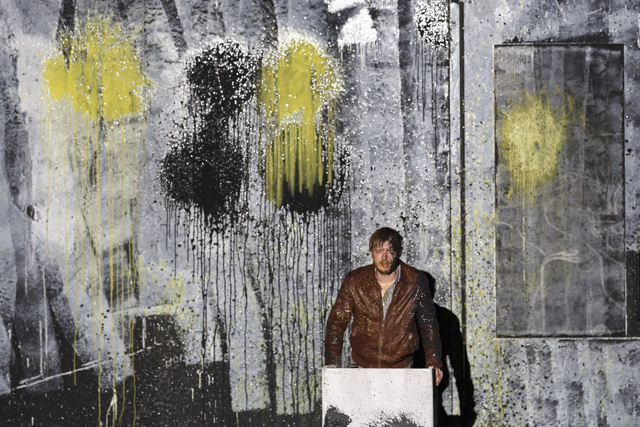
An Enemy of the People © Christophe Raynaud de Lage / Festival d'Avignon
© LA COMPAGNIE DES INDES / FESTIVAL D'AVIGNON
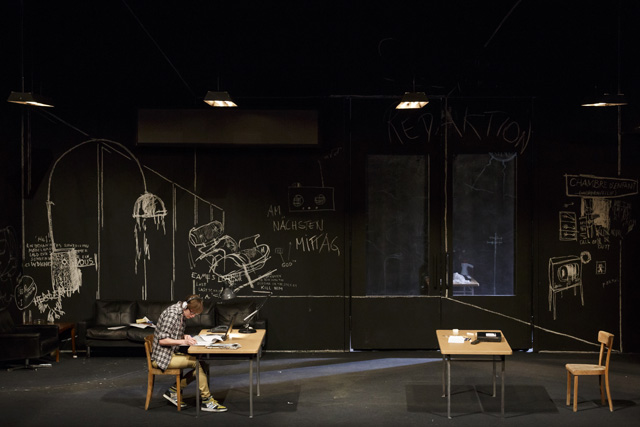
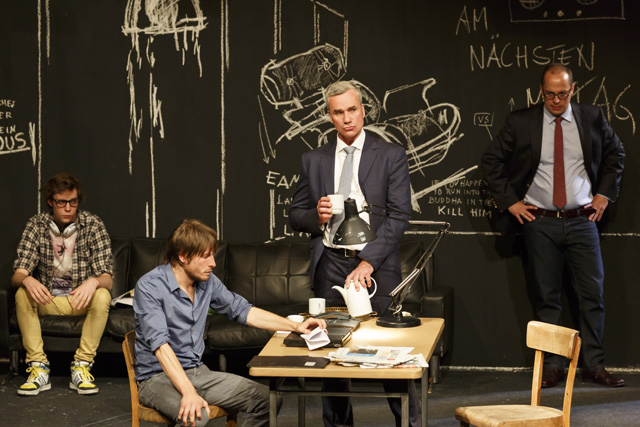
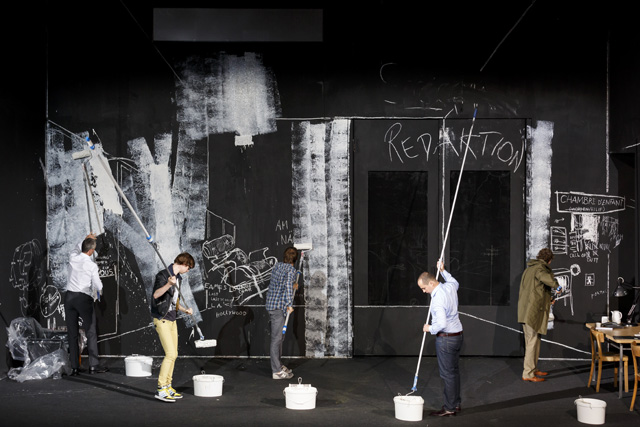
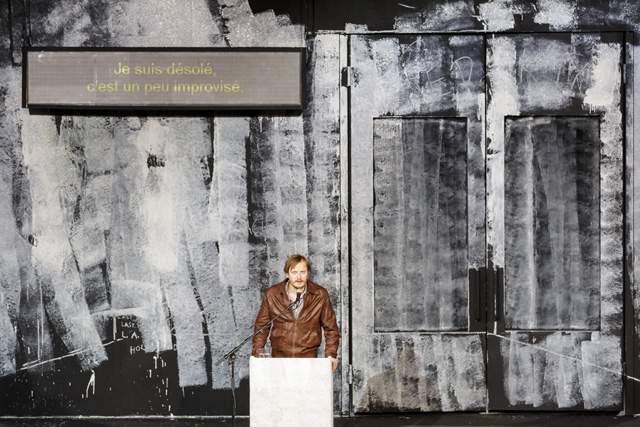
“I am a little hesitant about the question of knowing whether I should call it a comedy or a drama”, Ibsen wrote in November 1881, after he finished writing his play An Enemy of the People. Thomas Ostermeier, who is staging it today, does not plan to favour either of these descriptions. On the contrary, he means to have this work heard in the fullness of its possibilities, this text that questions, without the least indulgence, the workings of capitalism and the crushing weight of money in our liberal societies. Through the combat of Dr Stockmann, who fights against a host of economic interests to make the truth spring forth on the pollution of which his thermal resort is the victim, it is the question of democracy that runs through the whole play. Alone against everyone – against the politicians, journalists, shopkeepers – he becomes this “enemy of the people”, hunted down and held in contempt. A great defender of individual freedom, Ibsen had a strong opinion on the power of the majority: a power to be fought since “the majority is never right”. An option that could lead people to think that he had a rather negative view of democracy. But for Thomas Ostermeier, it is an absolute necessity to distinguish true democracy from the false democracy that is practised in countries with a liberal economy. Today it seems urgent to him to attract the spectators' attention to a possible and very dangerous drift from one to the other, a drift that could open wide the doors to a dictatorial political system similar to the economic system that is widespread on our planet. Through the story of Dr Stockmann, it is also a reflection on the radicalness of life choices that Ibsen proposes, signalling the ambiguity of a choice that considers itself absolute at the risk of total isolation and therefore a failure of the combat waged. Is heroism sublime or has it become absurd? Once again, it is a theatre of questioning that Thomas Ostermeier and his troupe propose. A theatre of engagement, a theatre of resistance. JFP
It was in response to the failure of his preceding play, Ghosts, that fiercely challenged Scandinavian moral values, and the ferociousness of the criticisms that it set off (dealing with the stormy themes of incest and euthanasia, it would be described as an “open sewer”), that Henrik Ibsen (1828-1906) wrote and published in 1881 An Enemy of the People. Travelling through Europe in voluntary exile, staying far away from his native Norway, he constantly introduced in his texts a subtle observation of society and took a stance on the problems of his period, notably the situation of women. Successfully premiered in Christiania, now Oslo, in 1883, An Enemy of the People is one of this poet and playwright's great works, along with A Doll's House, Peer Gynt and Hedda Gabler.
direction Thomas Ostermeier
adaptation Florian Borchmeyer
scenography Jan Pappelbaum
costumes Nina Wetzel
music Malte Beckenbach
dramaturgy Florian Borchmeyer
lighting Erich Schneider
with Thomas Bading, Christoph Gawenda, Moritz Gottwald, Ingo Hülsmann, Eva Meckbach, David Ruland, Stefan Stern
production Schaubühne Berlin