Choreography ARKADI ZAIDES
Tel Aviv
Chartreuse de Villeneuve lez Avignon
Tinel de la Chartreuse
Creation 2014
Representation in French, English, Arabic, Hebrew.
Running time 1h15
Prices : from €28 to €10
|
T 3 |
F 4 |
S 5 |
S 6 |
M 7 |
T 8 16h 30 |
W 9 16h 30 |
T 10 16h 30 |
F 11 |
S 12 16h 30 |
S 13 16h 30 |
M 14 16h 30 |
T 15 |
W 16 |
T 17 |
F 18 |
S 19 |
S 20 |
M 21 |
T 22 |
W 23 |
T 24 |
F 25 |
S 26 |
S 27 |
|
Archive © Christophe Raynaud de Lage
© LA COMPAGNIE DES INDES
Directed by young people from collège Anselme Mathieu Festival d'Avignon
Archive © Christophe Raynaud de Lage
Archive © Christophe Raynaud de Lage
Archive © Christophe Raynaud de Lage
Archive © Christophe Raynaud de Lage
Archive © Christophe Raynaud de Lage
Archive © Christophe Raynaud de Lage
Archive © Christophe Raynaud de Lage
Archive © Christophe Raynaud de Lage
Archive © Christophe Raynaud de Lage
Archive © Christophe Raynaud de Lage
Archive © Christophe Raynaud de Lage
Archive © Christophe Raynaud de Lage
Archive © Christophe Raynaud de Lage
Archive © Christophe Raynaud de Lage
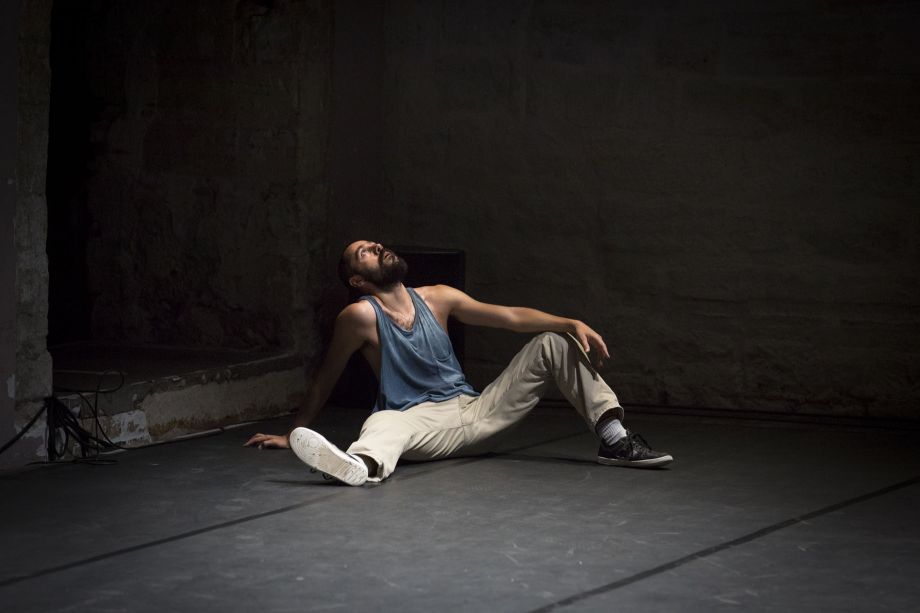
Archive © Christophe Raynaud de Lage
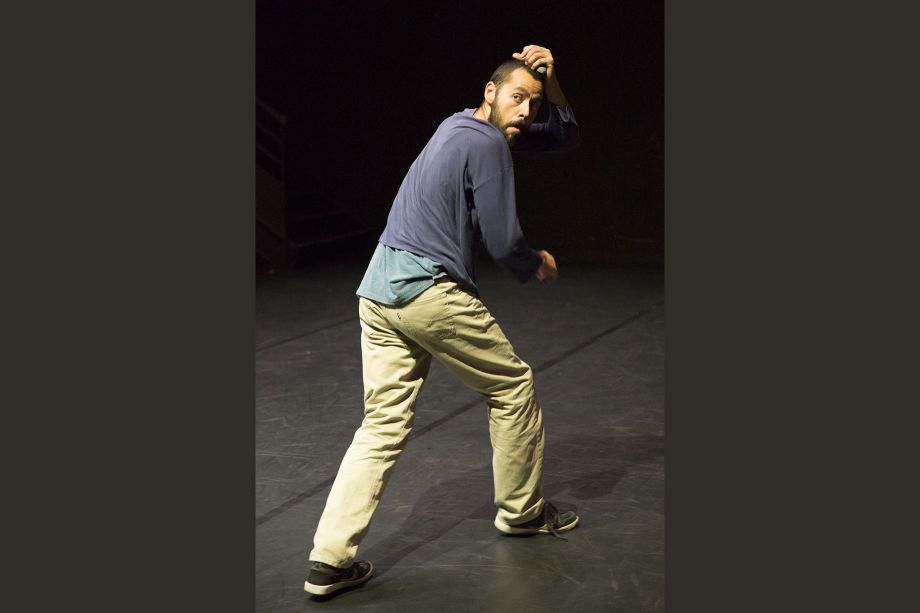
Archive © Christophe Raynaud de Lage
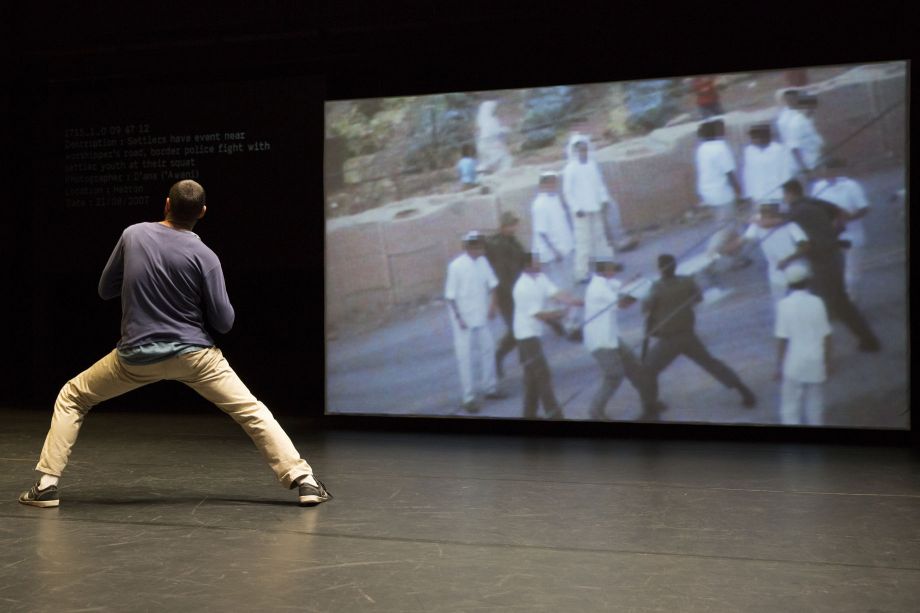
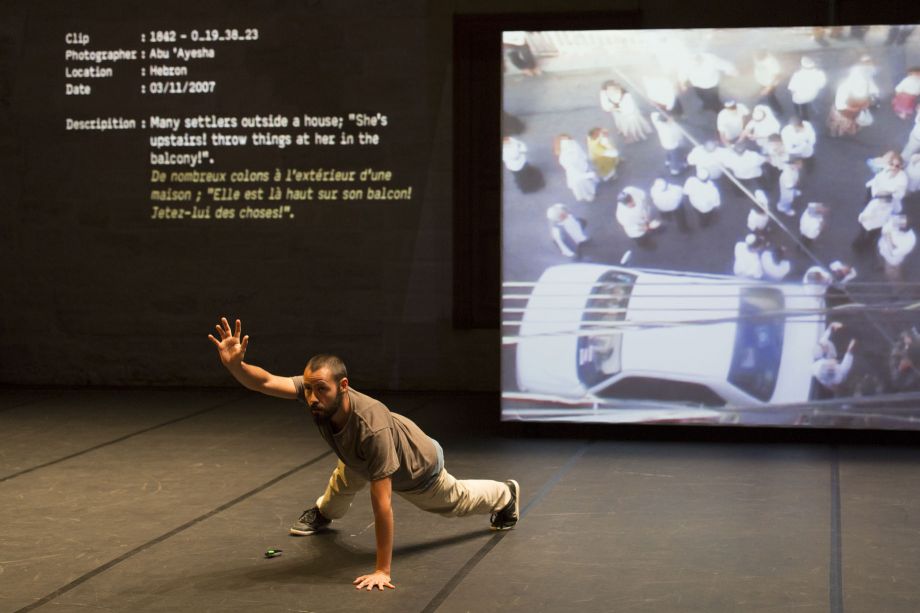
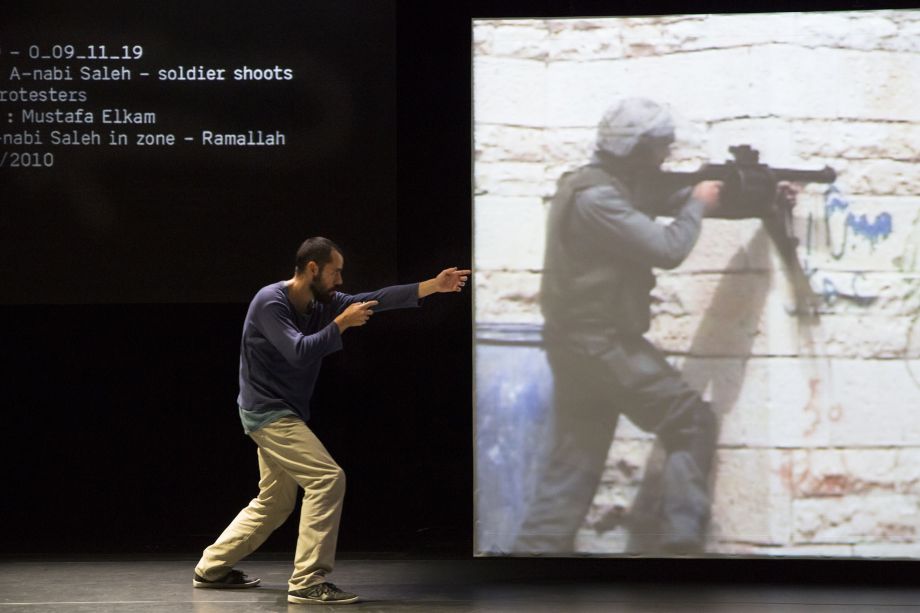
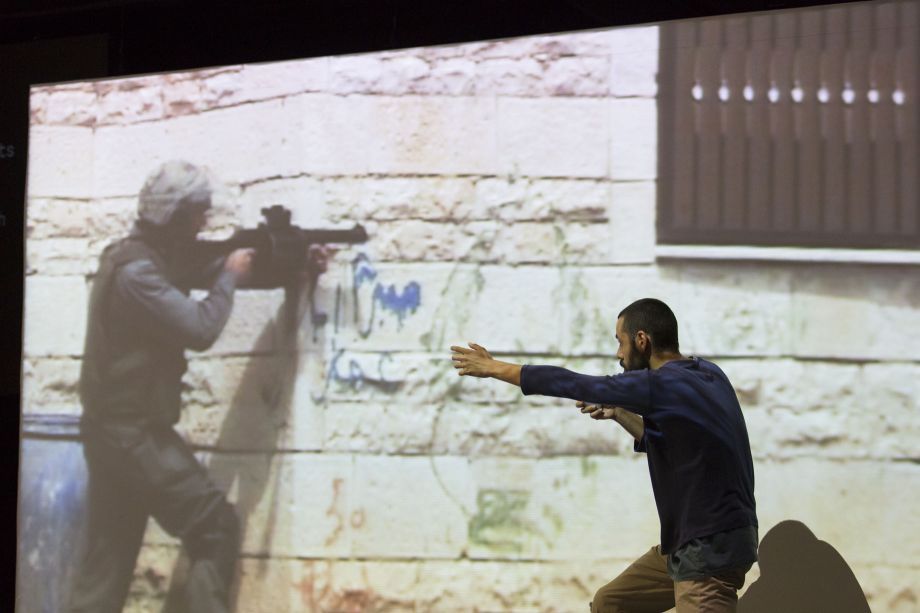
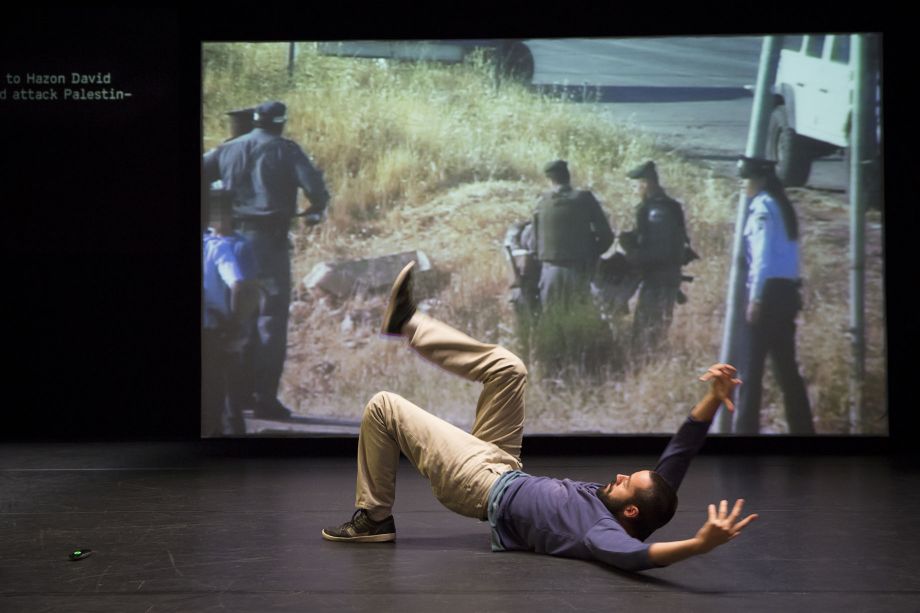
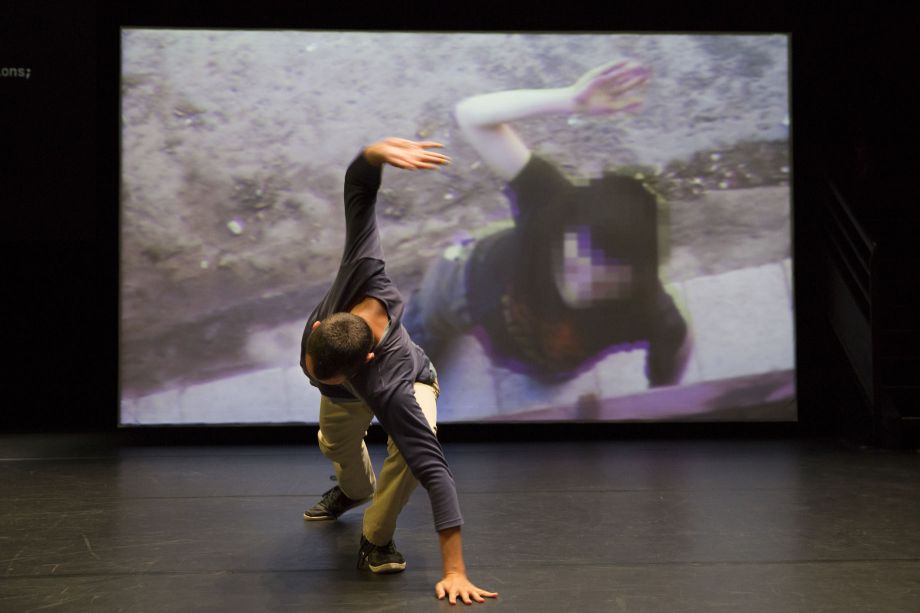
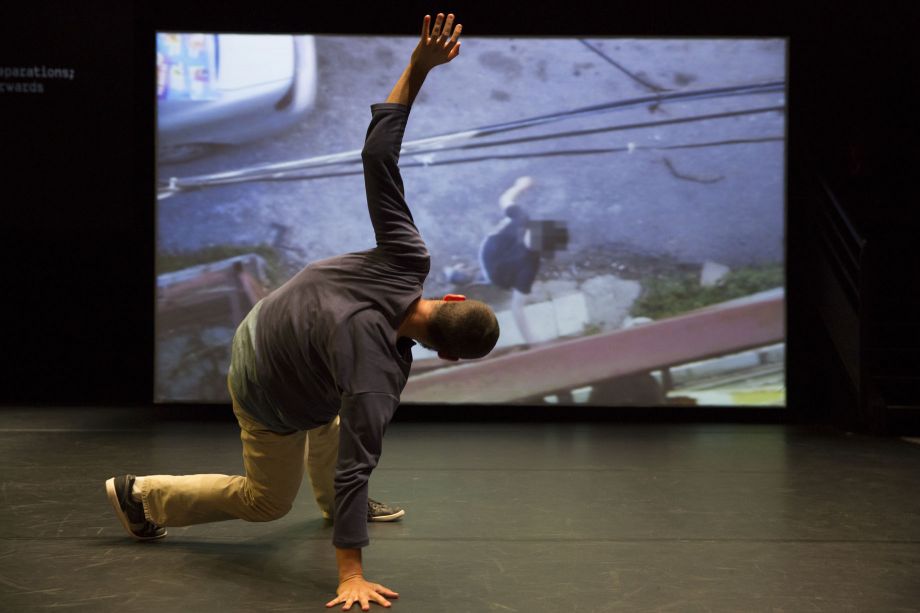
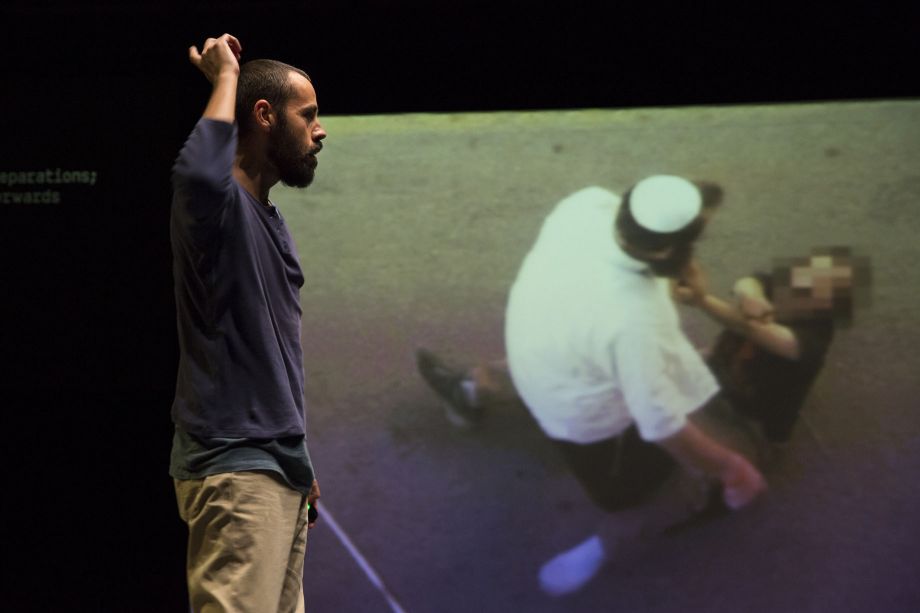
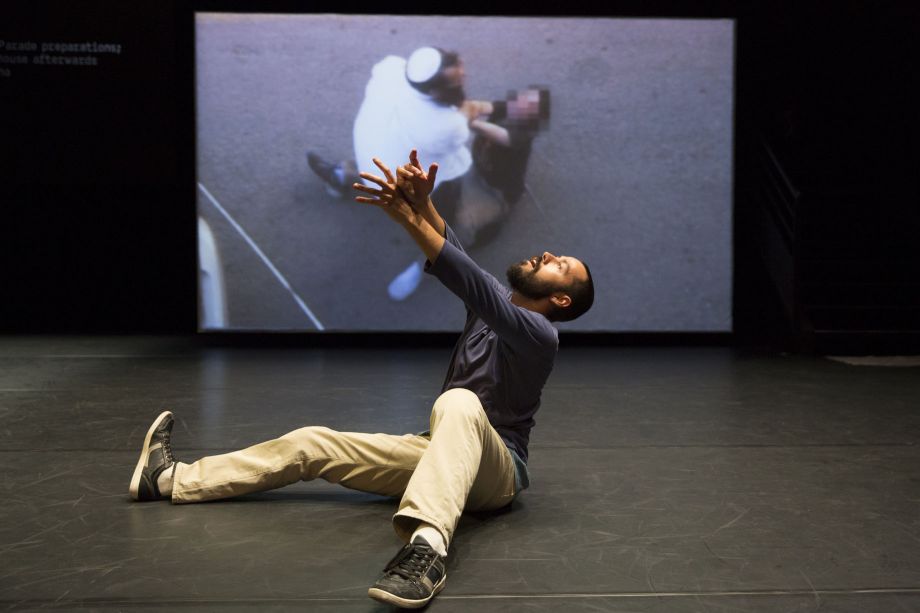
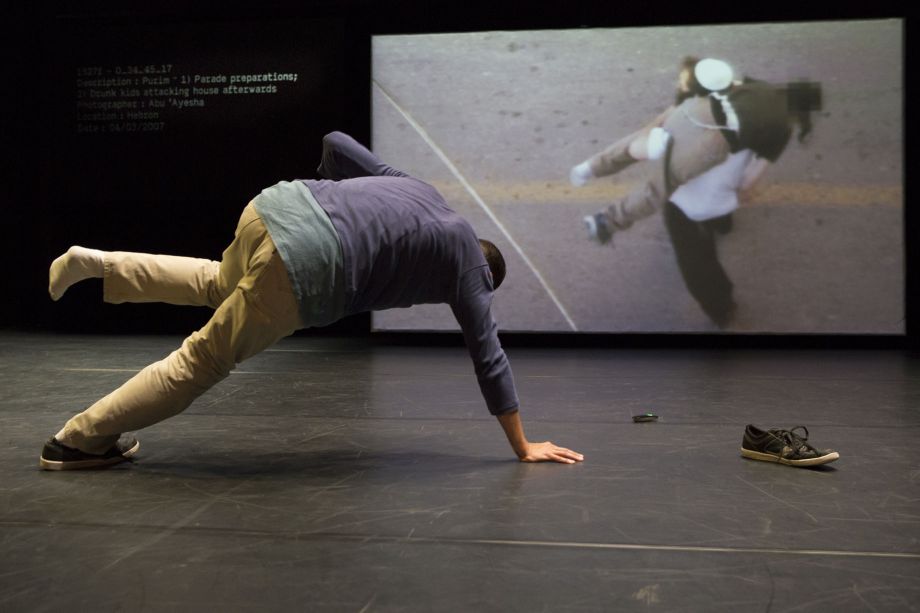
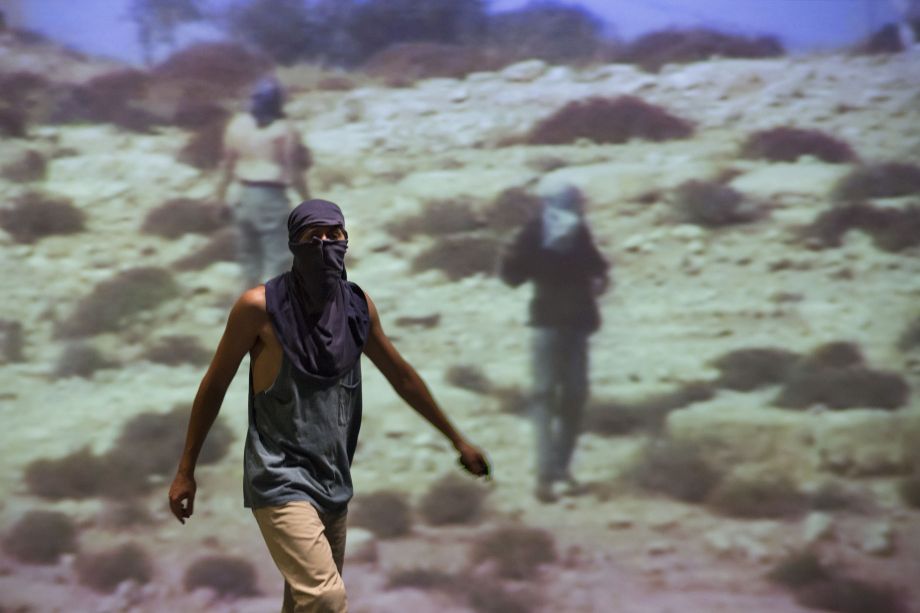
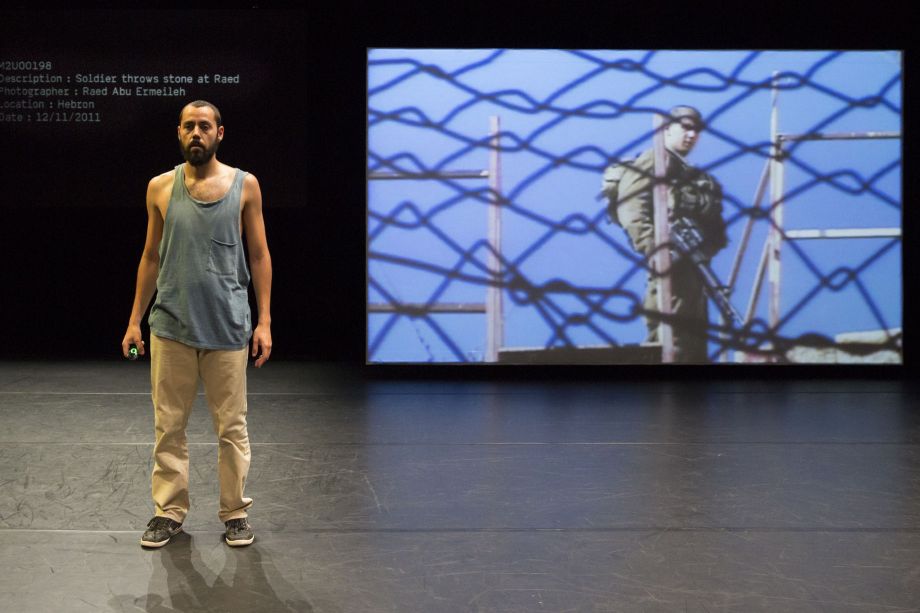
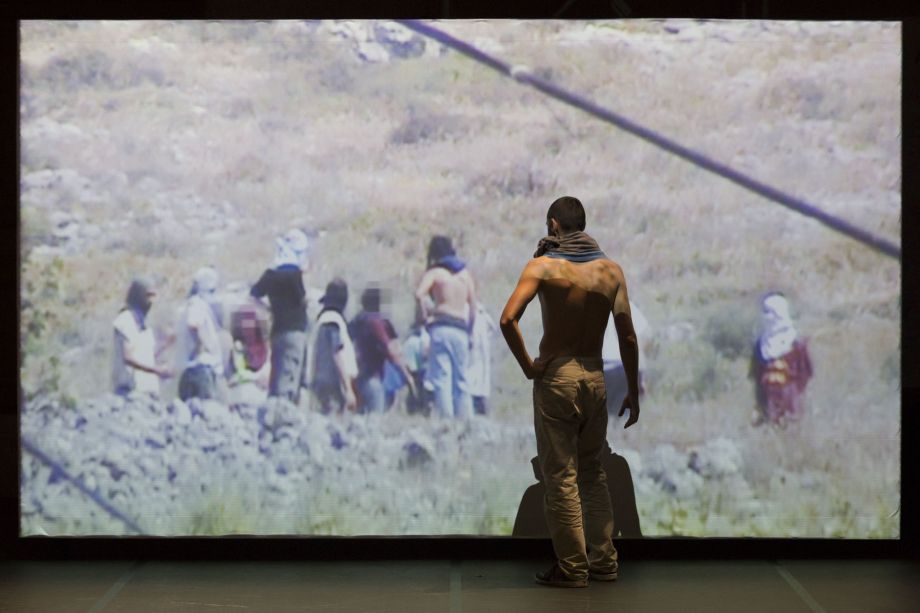
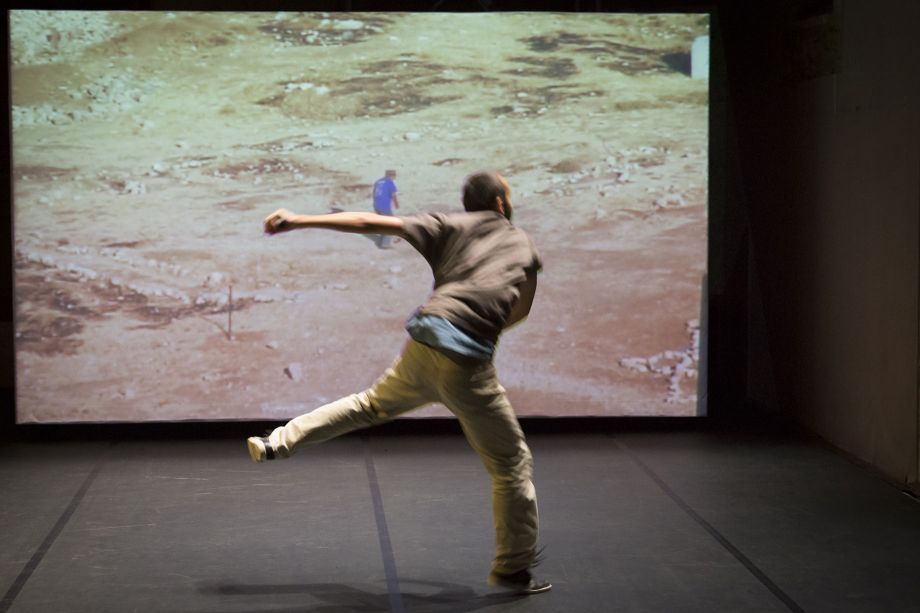
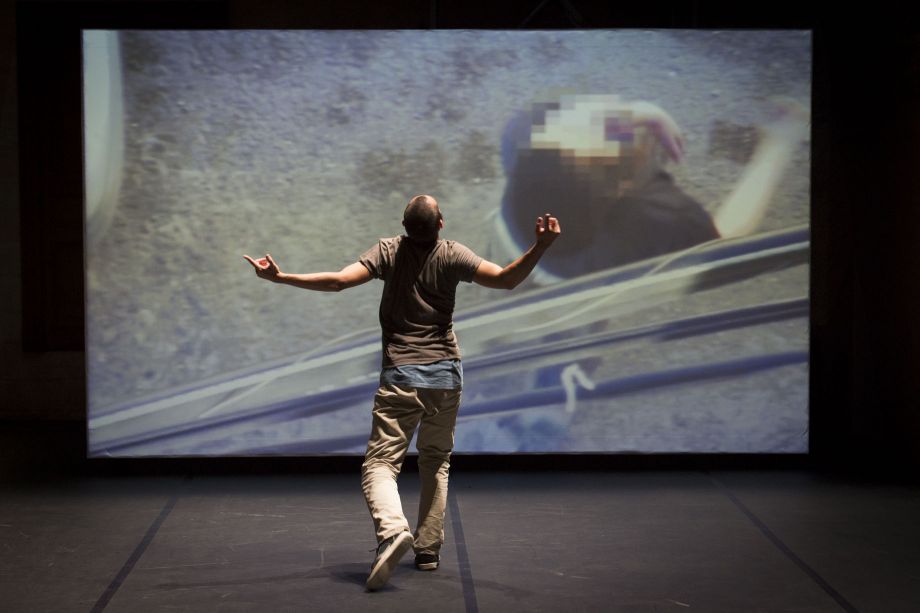
B'Tselem - The Israeli Information Center for Human Rights in the Occupied Territories, gives away video cameras to Palestinians volunteers living in the West Bank. The resulting footage shows the violence of the occupation. What posture to adopt when faced with those images, especially when one is an Israel citizen? That's the question Arkadi Zaides asks, in a most literal sense, by placing himself in front of a screen onto which some of that footage is projected. The choreographer tries to find his place among those images by feel, with humility and passion. He reproduces the postures of the people on the screen, by turns curled up, swaggering, nonchalant, or possessed. He glides from one body to the next, becomes a settler throwing a stone or an Israeli child banging on a wall of a house which he understands to belong to his enemies. Some of their movements he reproduces and completes in his dancing, others he repeats over and over again, and by constructing a vocabulary out of these gestures, he creates new dimensions. Arkadi Zaides never ceases to move around the stage, alternatively turning his body into a filter, a magnifying glass, a frame, or a mask, forcing us every time to change the way we look at things. Out of those images, taken from hundreds of hours of footage, he creates an almost abstract material, a maelstrom of sensations, a human archive with which every member of the audience must grapple in order to refine his or her own understanding of the situation.
Arkadi Zaides's dancing brings us into his world. First he establishes its borders and horizons, creating abstract landscapes through the use of layers of images and sound. In sparse sets, dancing then becomes like a melancholy but passionate language whose characters are so many movements. Hailing originally from Belarus, Arkadi Zaides moved to Israel in 1990 and studied at the Batsheva Dance Company, where many contemporary Israeli choreographers trained. From his years there he remembers the teachings of Ohad Naharin's gaga technique as well as the importance of physical commitment, sometimes almost to the point of violence. Today, he mixes this legacy with many other techniques and influences, and never ceases to question his own foundations, which he deems stem too much from a culture of conflict. He prefers to work within international productions that allow him to cross outlooks and influences, and to focus on the recurring theme of his work: how to live together in harmony, and the role different communities can play in working towards that goal. He was the first to have Israeli Jews and Arabs dance together in Quiet, before questioning the very concept of territory in Land-Research. A process that is as much that of an artist as of a human being and citizen, and that he continues today with Archive.
Renan Benyamina, April 2014
With Arkadi Zaides
Archive materials volunteers for the "Camera Project"of B'Tselem - The Israeli Center for Human Rights in the Occupied Territories Iman Sufan, Mu'az Sufan, Bilal Tamimi, Udai 'Aqel, Awani D'ana, Bassam J'abri, Abu 'Ayesha, Qassem Saleh, Mustafa Elkam, Raed Abu Ermeileh, Abd al-Karim J'abri, Issa 'Amro, Mu'ataz Sufan, Ahmad Jundiyeh, Nasser Harizat, Abu Sa'ifan, Oren Yakobovich, Nayel Najar
Choreography Arkadi Zaides
Video artists Effi and Amir (Effi Weiss and Amir Borenstein)
Sound artist Tom Tlalim
Artistic adviser Katerina Bakatsaki
Choreography assistant Ofir Yudilevitch
Costumes Adam Kalderon
Light designer Thalie Lurault
Technical manager Pierre-Olivier Boulant
Producer Yael Bechor
Special thanks to Myriam Van Imschoot
Production Arkadi Zaides
Coproduction Festival d'Avignon, Centre de développement chorégraphique de Toulouse, Théâtre national de Chaillot (Paris), Centre national de danse contemporaine d'Angers, The Emile Zola Chair For Human Rights (Israël)
Reception in residence STUK de Leuven (Belgique) & WP Zimmer, Anvers (Belgique), The Theaterschool, Amsterdam (The Netherlands)
With the support of la Fondation BNP Paribas
In partnership with the Chartreuse de Villeneuve lez Avignon
Booklet (in French)
Download the pdf
Interview with ARKADI ZAIDES
Download the pdf
More informations about ARCHIVE on
Pearltrees