after Friedrich Hölderlin
Direction MARIE-JOSÉ MALIS
Aubervilliers
Creation 2014
Running time 5h
Prices : from €28 to €10
"Hypérion ou l’Ermite de Grèce" is published by éditions Gallimard, collection Poésie, translated by Philippe Jaccottet.
|
T 3 |
F 4 |
S 5 |
S 6 |
M 7 |
T 8 16h |
W 9 16h |
T 10 16h |
F 11 |
S 12 16h |
S 13 16h |
M 14 16h |
T 15 16h |
W 16 16h |
T 17 |
F 18 |
S 19 |
S 20 |
M 21 |
T 22 |
W 23 |
T 24 |
F 25 |
S 26 |
S 27 |
|
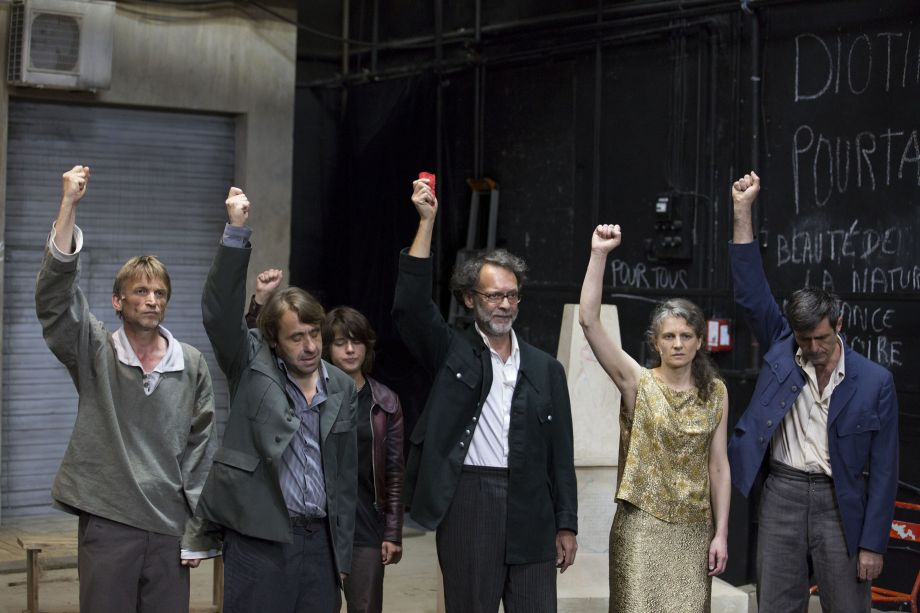
Hypérion © Christophe Raynaud de Lage
© La Compagnie des Indes
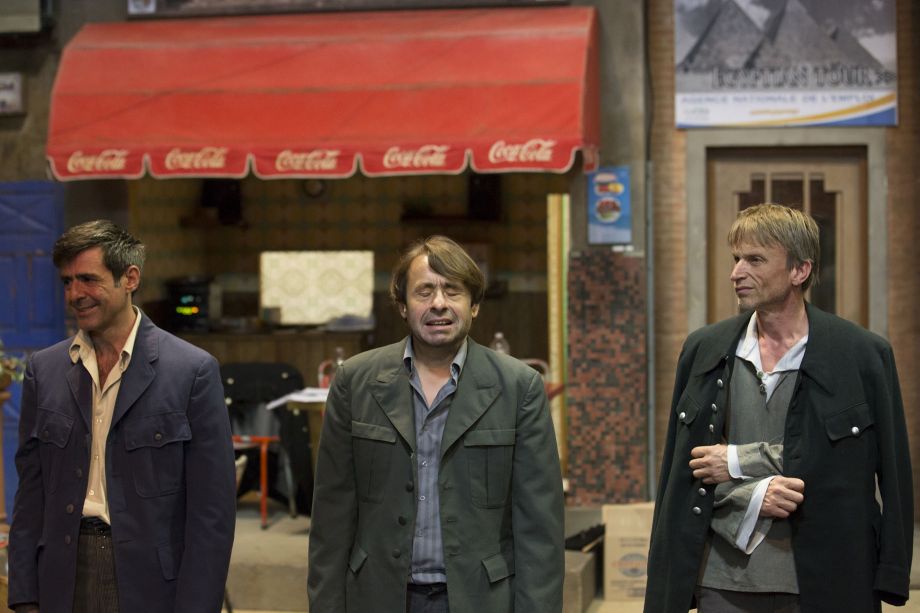
Hypérion © Christophe Raynaud de Lage
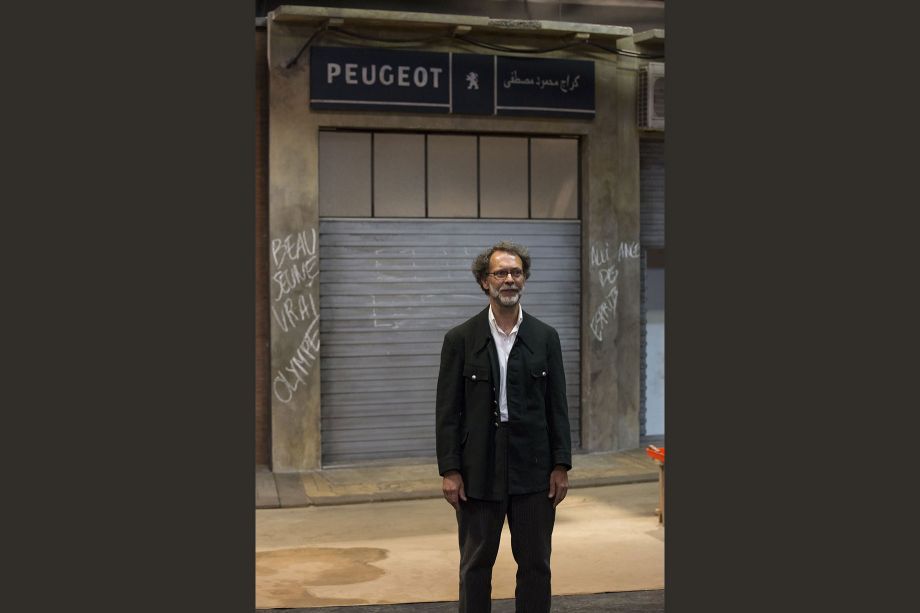
Hypérion © Christophe Raynaud de Lage
Hypérion © Christophe Raynaud de Lage
Hypérion © Christophe Raynaud de Lage
Hypérion © Christophe Raynaud de Lage
Hypérion © Christophe Raynaud de Lage
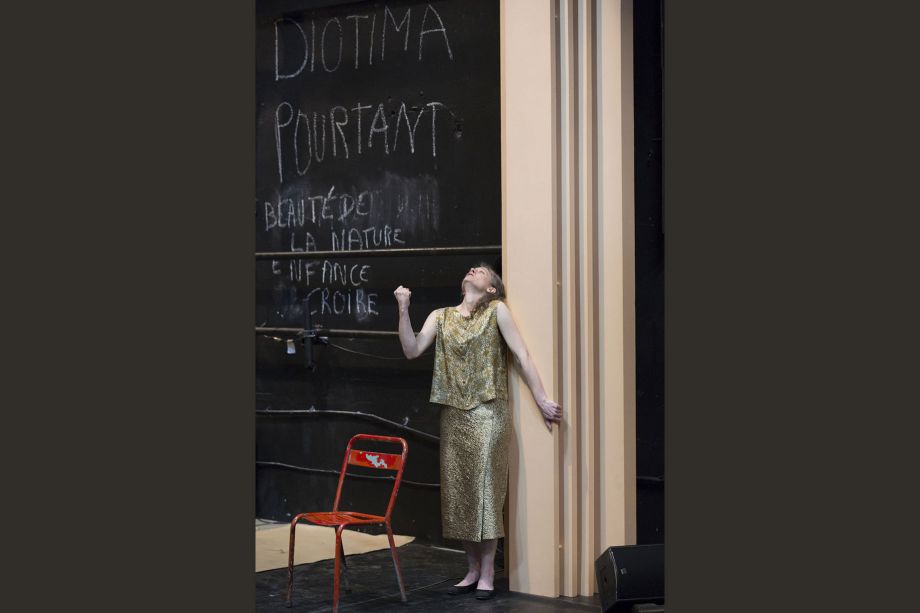
Hypérion © Christophe Raynaud de Lage
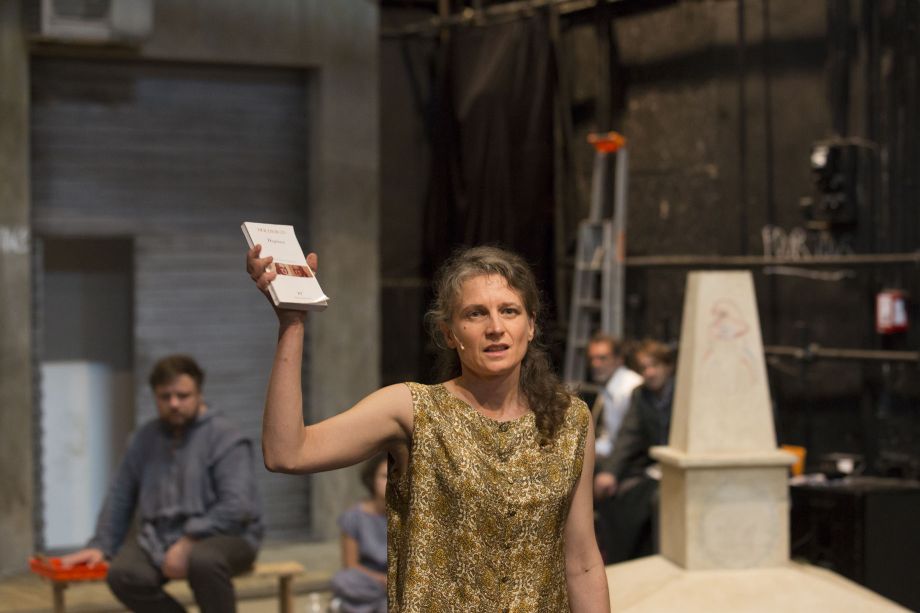
Hypérion © Christophe Raynaud de Lage
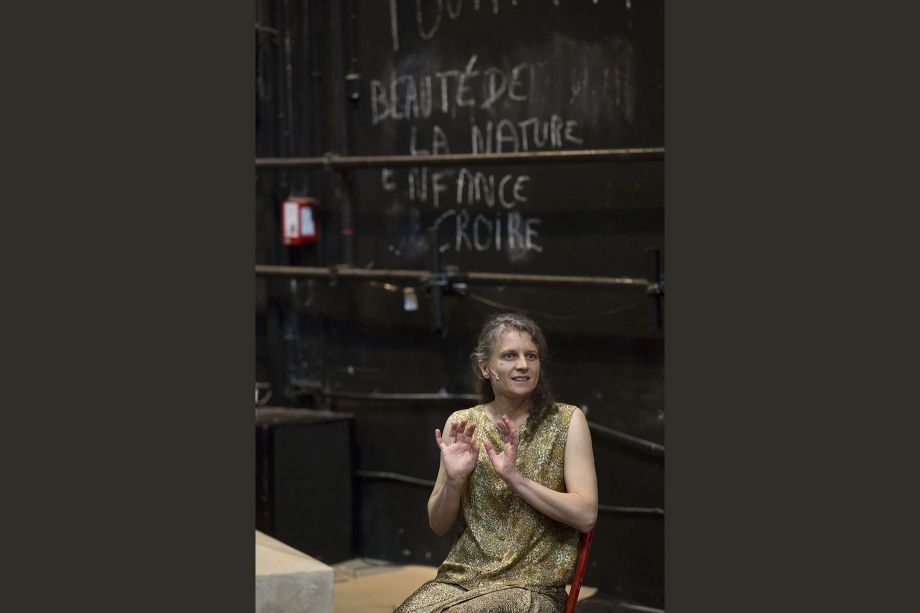
Hypérion © Christophe Raynaud de Lage
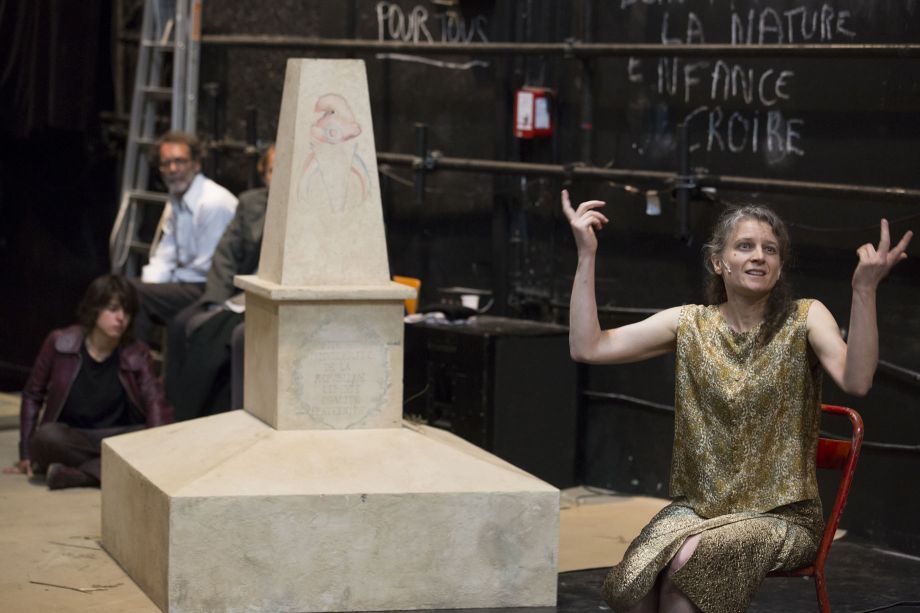
Hypérion © Christophe Raynaud de Lage
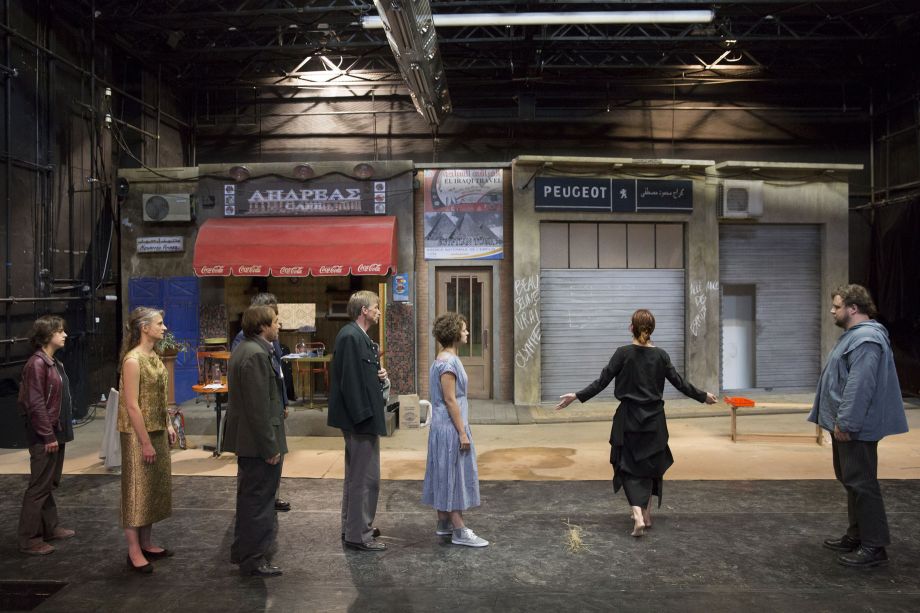
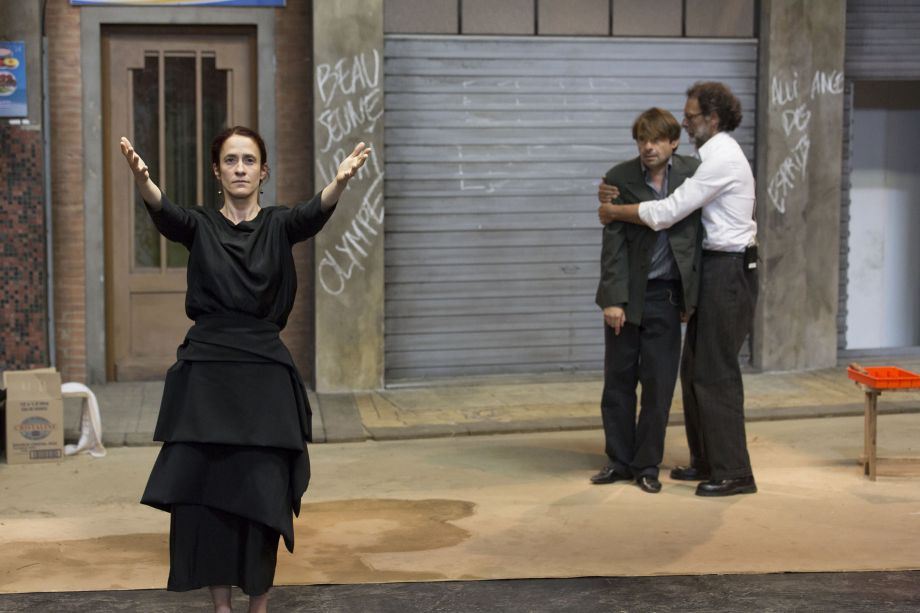
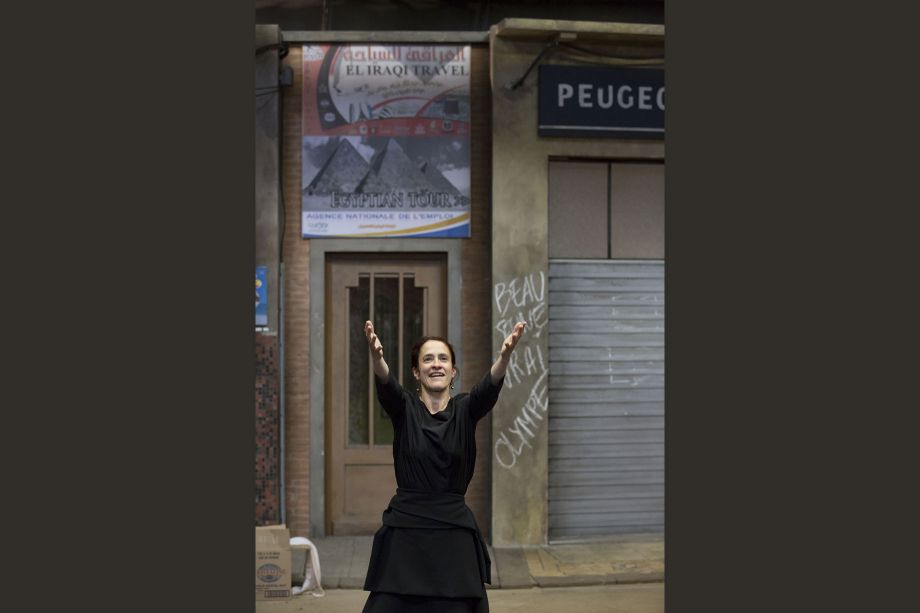
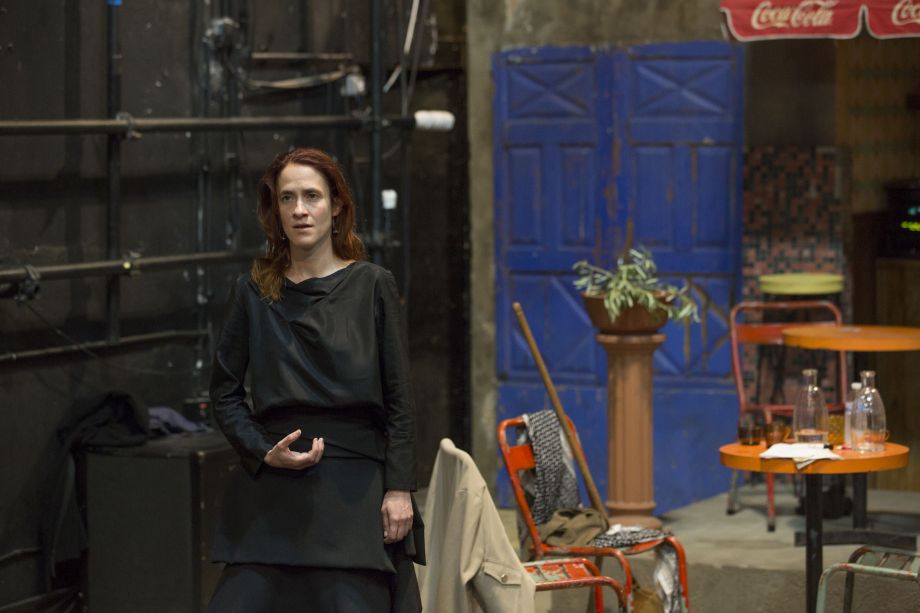
“We are all Greeks,” wrote the English poet Shelley, fascinated, much like Hölderlin, by the Hellenistic civilisation. But the poetic Greece that Hölderlin's protagonist Hyperion wanders belongs both to Antiquity and to the poet's time, a Greece struggling for its independence, fighting to leave the Ottoman Empire. At once an epistolary novel, a philosophical text, a political manifesto, and a love story, Hyperion is an hymn to youth, to its ardour and commitment, but it is also a pessimistic assessment. For Marie-José Malis, this duality echoes that of today's world, especially in a Europe in crisis. We must, then, like Hyperion, go look for possibilities, for the principles on which we might rethink and rebuild politics. With her adaptation of Hyperion, she imagines a dialogue with an audience attentive to the poet's words, so as not to give in to nihilism, to “make the world young again” without trying to erase disappointments and obstacles. “To live like gods on Earth,” to wish a heroic destiny for all those who struggle, to accept that there is no revolution without poets, this is what would hide behind that beloved Greece, mother of all countries. Marie-José Malis, borrowing Hölderlin's words to turn them into theatre, blazes a new trail, at once demanding, exhilarating, and perilous.
Marie-José Malis had always loved the theatre, but she first followed a path in academia that led her to the École Normale Supérieure, then to the Agrégation of modern literature. An avid reader and theatregoer, fascinated in particular by directors such as Tadeusz Kantor, Klaus Michael Grüber, or Antoine Vitez, it is through the teaching of acting and dramaturgy that she first found a way to express her desire for theatre. In 1994, she founded her company, La Llevantina, and put on her first shows: drawing from both the classics and from modern texts, but also from more abstract writings or from movie screenplays, her theatre is “political” in the sense that it questions both ideas and their representation. Through the texts of Jean-Luc Godard, Elio Vittorini, Piere Paolo Pasolini, Robert Walser, Luigi Pirandello, or Heinrich von Kleist, she offers her vision of the theatre as a place of sharing, inviting her audience to listen to rich, powerful texts about the world and its “tears.” With Hyperion, adapted from Friedrich Hölderlin's novel, whose Oedipus (based on Sophocles) she already directed, she inaugurates her new role as director of the Théâtre de la Commune of Aubervilliers, which she started running on January 1, 2014.
Without a doubt the greatest German poet of the generation that followed Goethe's, Friedrich Hölderlin left us a protean body of work, in which today's readers will find a form of modern poetry, largely influenced by the ancient Greek poets, but also by the philosophical and political thought of the French Revolution of 1789. Seen at first like a source of great hope by young Hölderlin and his friends, the Revolution would end up being a great disappointment. Hyperion, an epistolary novel, was written between 1797 and 1799, right before Hölderlin translated Sophocles's major tragedies, right before his internment and exile to Tübingen, which would last thirty-seven years.
Jean-François Perrier, April 2014
Direction Marie-José Malis
Adaptation Marie-José Malis et Judith Balso
Scenography Adrien Marés, Jessy Ducatillon, Jean-Antoine Telasco
Lighting Jessy Ducatillon
Sound Patrick Jammes
Costumes Zig et Zag
With
Pascal Batigne, Frode Bjørnstad, Juan Antonio Crespillo, Sylvia Etcheto, Olivier Horeau, Isabel Oed, Victor Ponomarev
And the amateurs comediennes
Adina Alexandru, Lili Dupuis, Anne-Sophie Mage
Production La Commune Centre dramatique national d'Aubervilliers
Coproduction Compagnie La Llevantina, Comédie de Genève, L'Archipel Scène nationale de Perpignan, CCAS, Festival d'Avignon
With the support of la Région Île-de-France
Booklet (in French)
Download the pdf
Interview with MARIE-JOSÉ MALIS
Download the pdf
More informations about HYPÉRION on
Pearltrees