
by Heinrich von Kleist
Direction
GIORGIO BARBERIO CORSETTI
Roma - Avignon
Cour d'honneur du Palais des papes
Creation 2014
Running time 2h15
Prices : from €38 to €10 (cat.2)
"Le Prince de Hombourg" is published by les éditions Actes Sud, collection Babel, translated by Ruth Orthmann and Éloi Recoing.
|
T 3 |
F 4 20h |
S 5 20h |
S 6 20h |
M 7 |
T 8 20h |
W 9 20h |
T 10 20h |
F 11 20h |
S 12 20h |
S 13 20h |
M 14 |
T 15 |
W 16 |
T 17 |
F 18 |
S 19 |
S 20 |
M 21 |
T 22 |
W 23 |
T 24 |
F 25 |
S 26 |
S 27 |
|
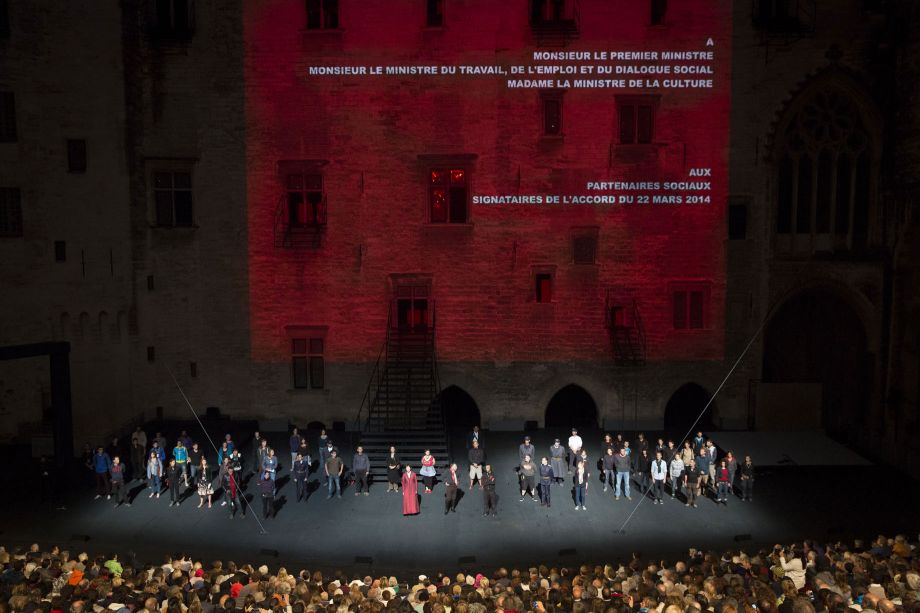
Le Prince de Hombourg © Christophe Raynaud de Lage
© LA COMPAGNIE DES INDES
© theatre-contemporain.net
Directed by young people from collège Anselme Mathieu Festival d'Avignon
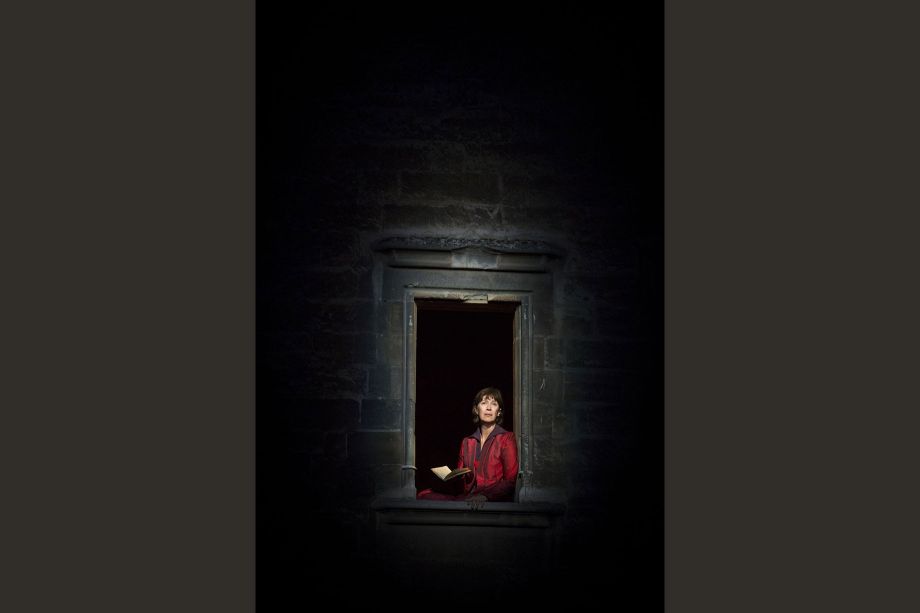
Le Prince de Hombourg © Christophe Raynaud de Lage
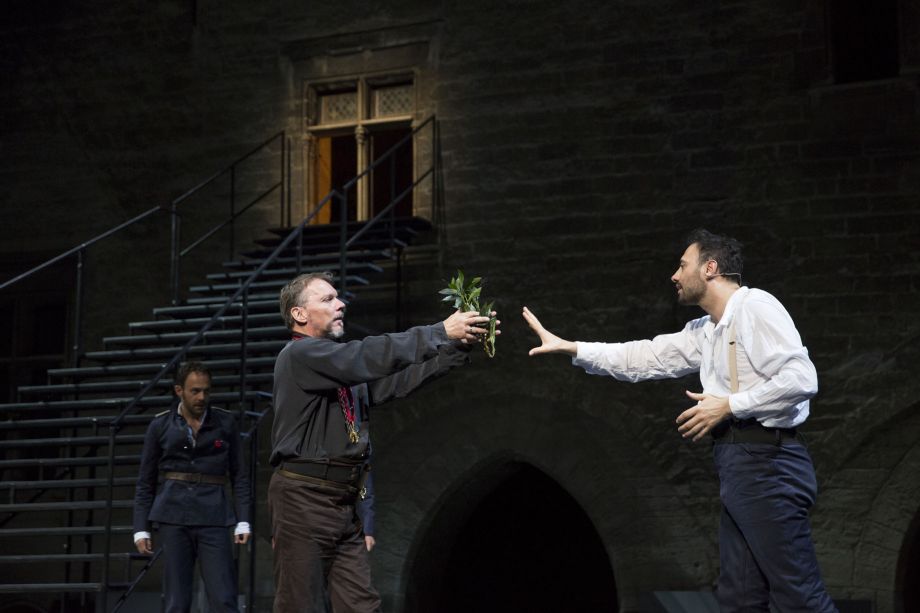
Le Prince de Hombourg © Christophe Raynaud de Lage
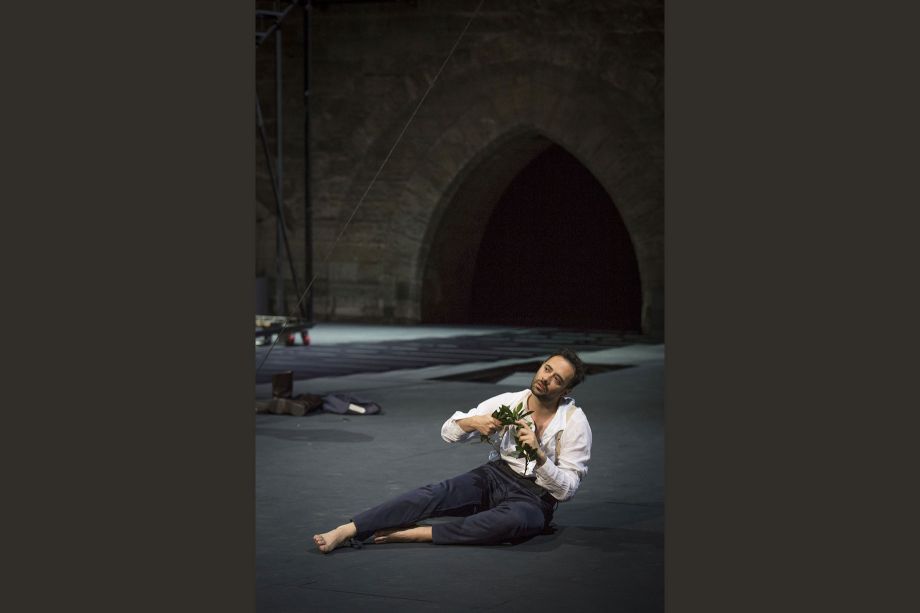
Le Prince de Hombourg © Christophe Raynaud de Lage
Le Prince de Hombourg © Christophe Raynaud de Lage
Le Prince de Hombourg © Christophe Raynaud de Lage
Le Prince de Hombourg © Christophe Raynaud de Lage
Le Prince de Hombourg © Christophe Raynaud de Lage
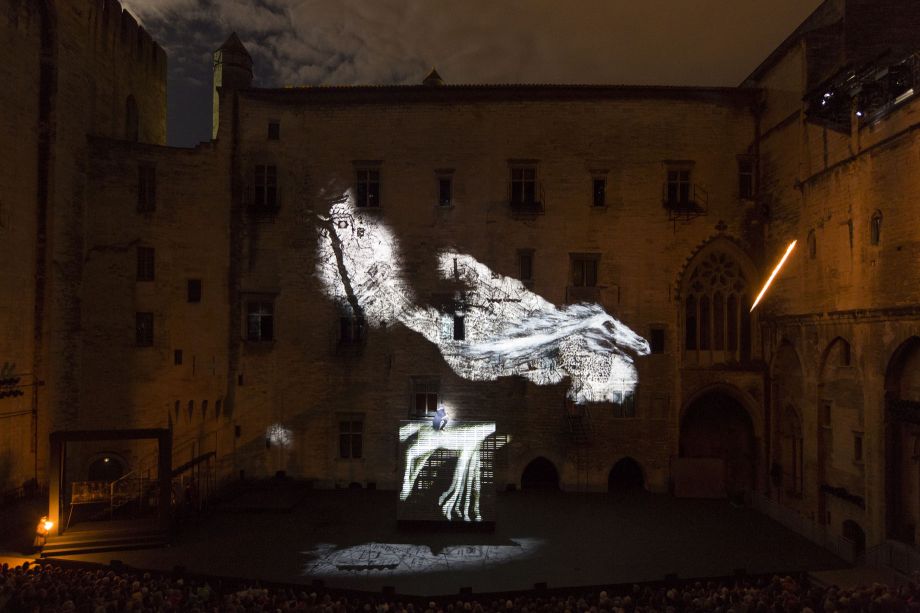
Le Prince de Hombourg © Christophe Raynaud de Lage
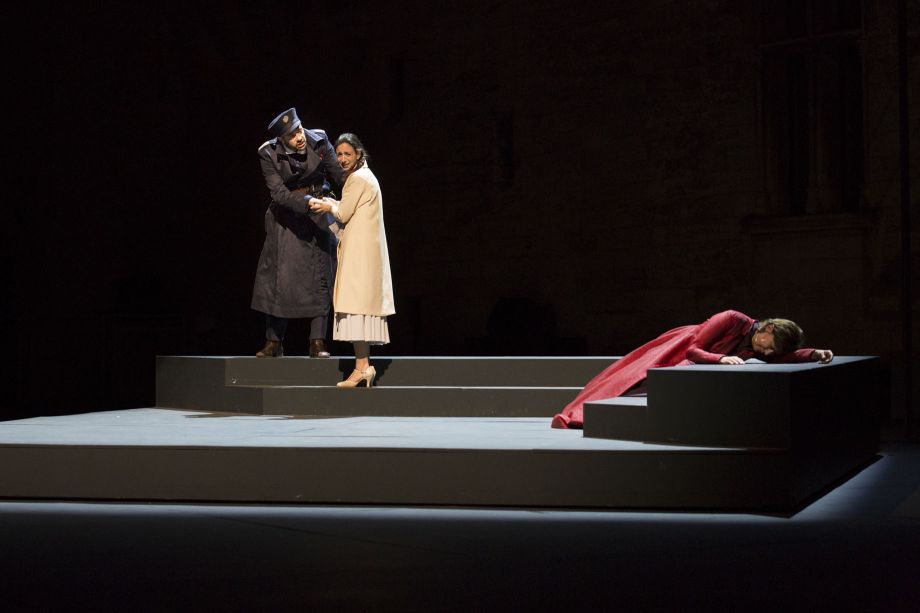
Le Prince de Hombourg © Christophe Raynaud de Lage
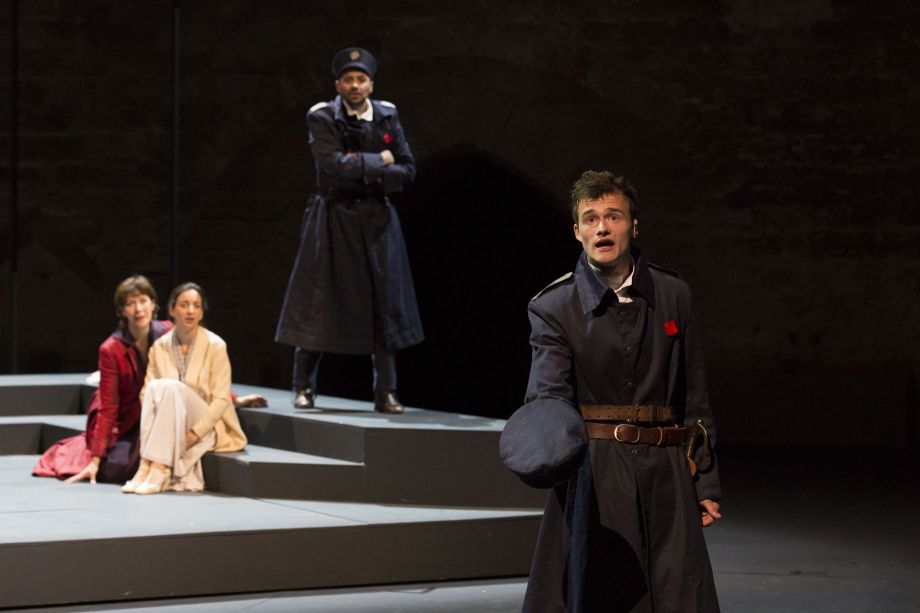
Le Prince de Hombourg © Christophe Raynaud de Lage
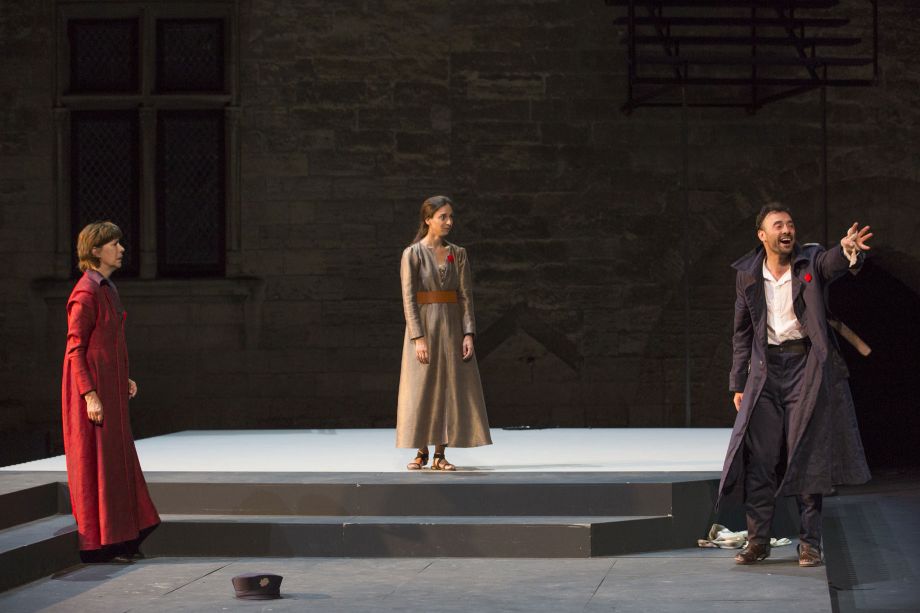
Le Prince de Hombourg © Christophe Raynaud de Lage
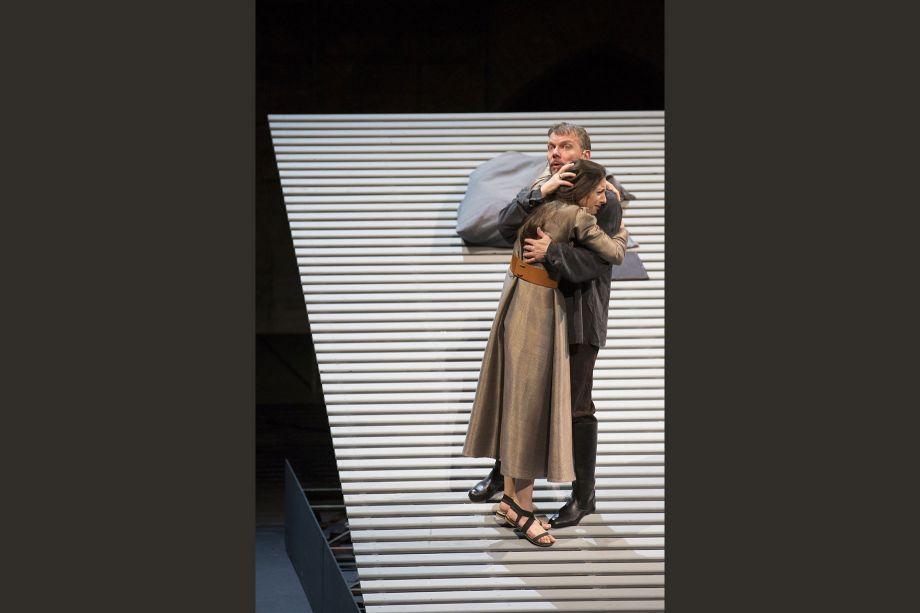
Le Prince de Hombourg © Christophe Raynaud de Lage
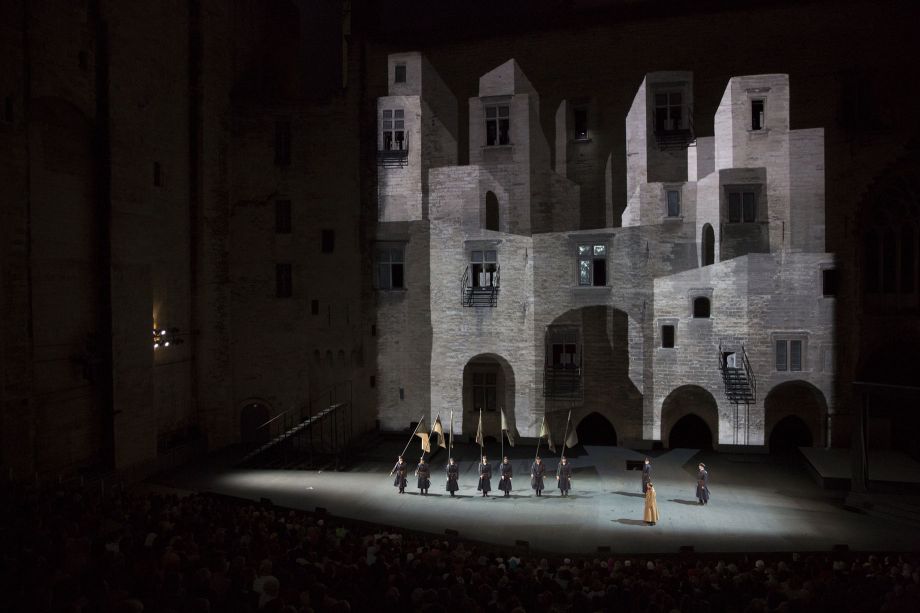
Le Prince de Hombourg © Christophe Raynaud de Lage
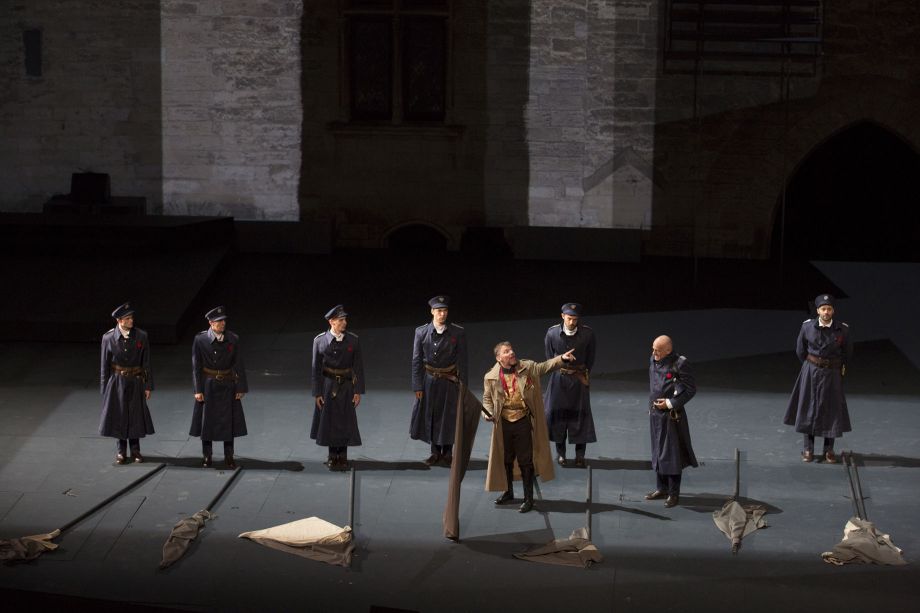
Le Prince de Hombourg © Christophe Raynaud de Lage
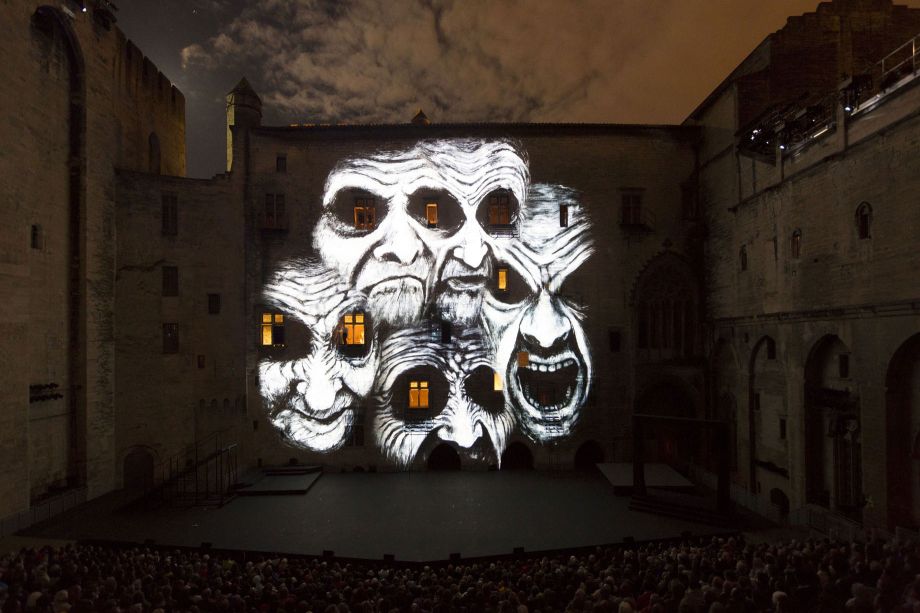
Le Prince de Hombourg © Christophe Raynaud de Lage
Le Prince de Hombourg © Christophe Raynaud de Lage
Le Prince de Hombourg © Christophe Raynaud de Lage
Le Prince de Hombourg © Christophe Raynaud de Lage
Le Prince de Hombourg © Christophe Raynaud de Lage
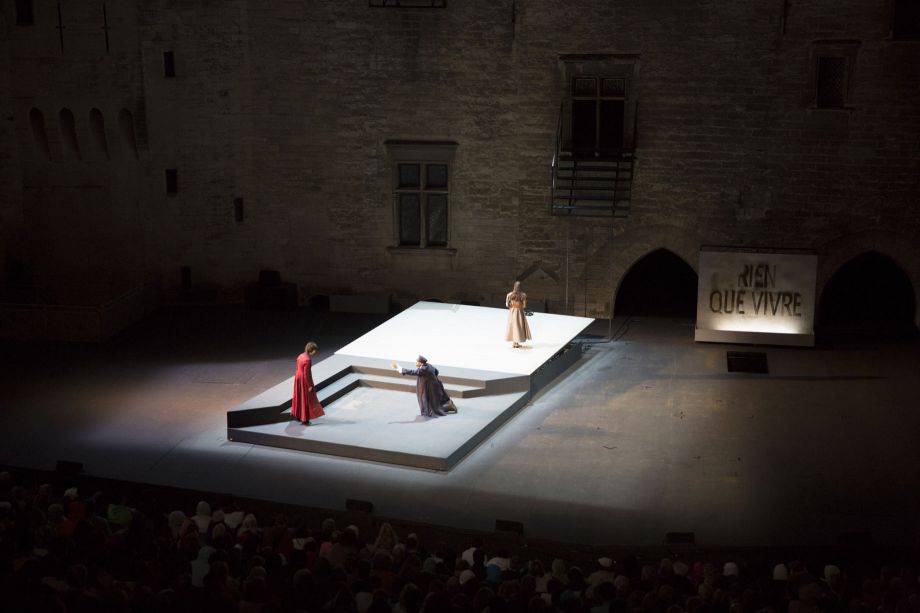
Le Prince de Hombourg © Christophe Raynaud de Lage
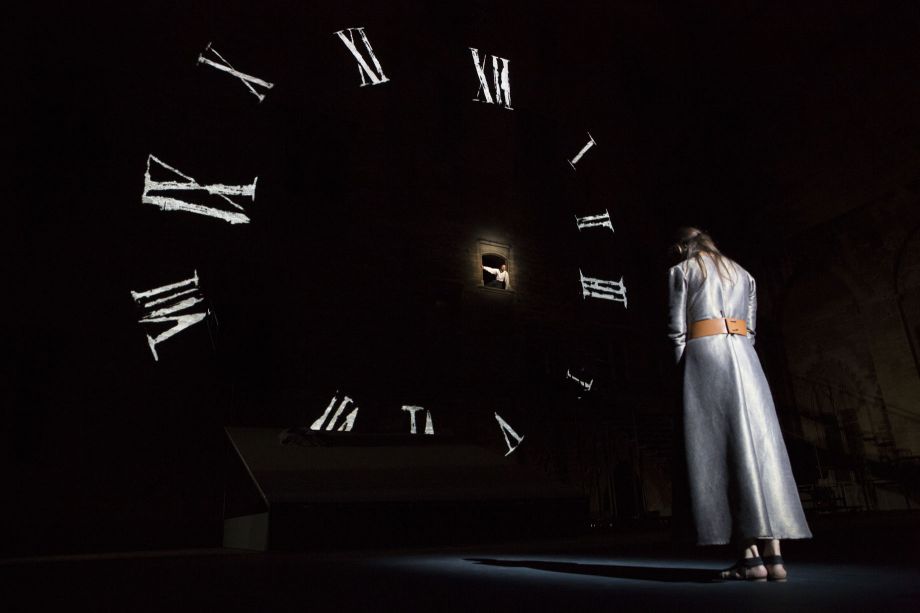
Le Prince de Hombourg © Christophe Raynaud de Lage
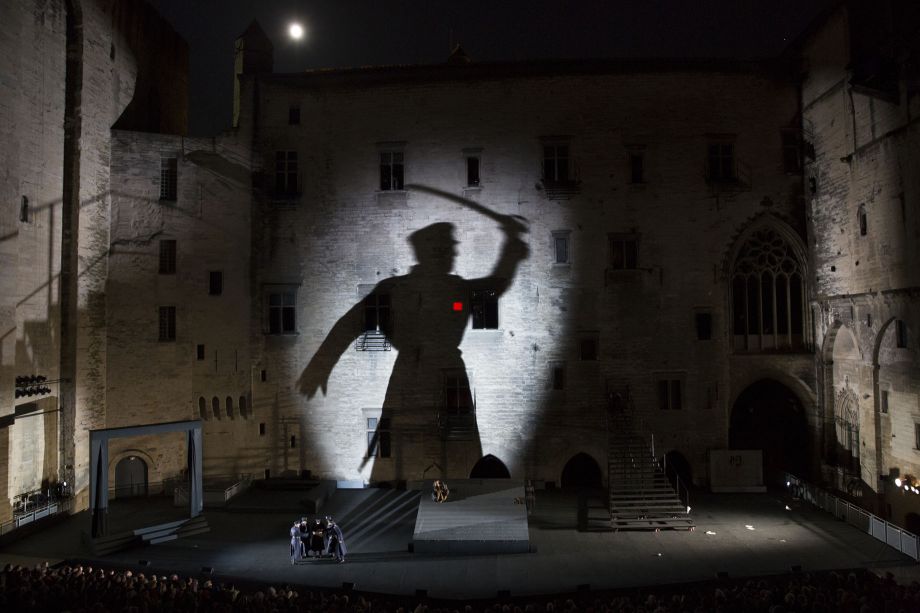
Le Prince de Hombourg © Christophe Raynaud de Lage
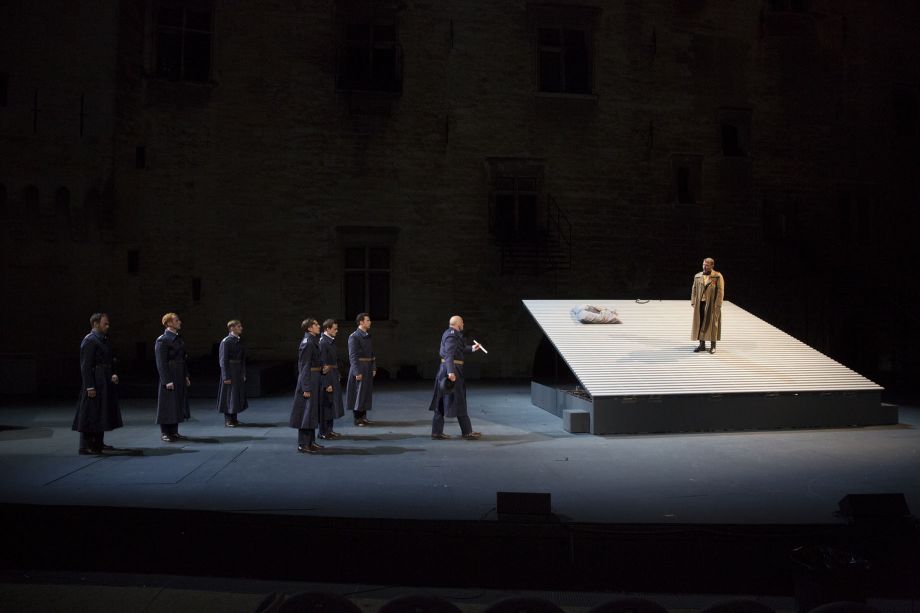
Le Prince de Hombourg © Christophe Raynaud de Lage
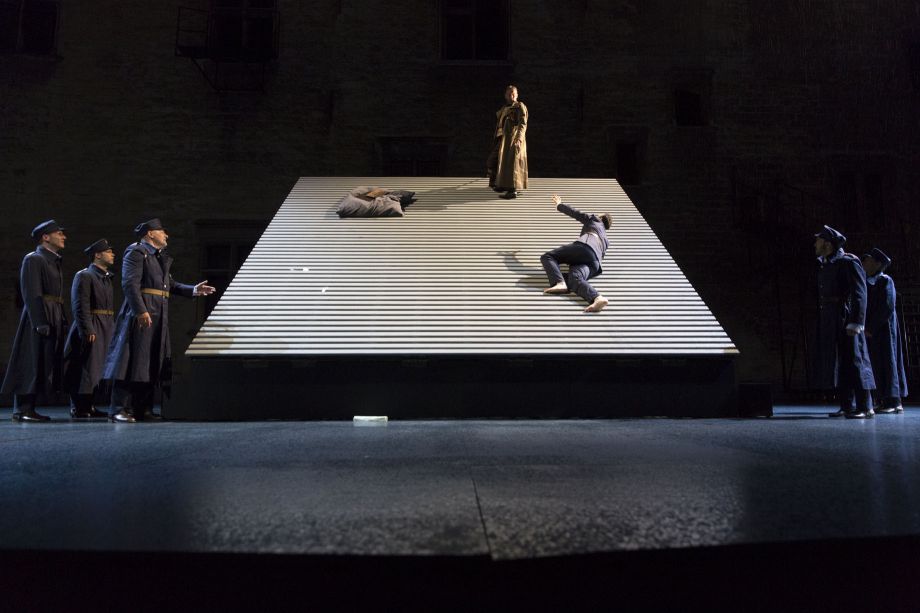
Le Prince de Hombourg © Christophe Raynaud de Lage
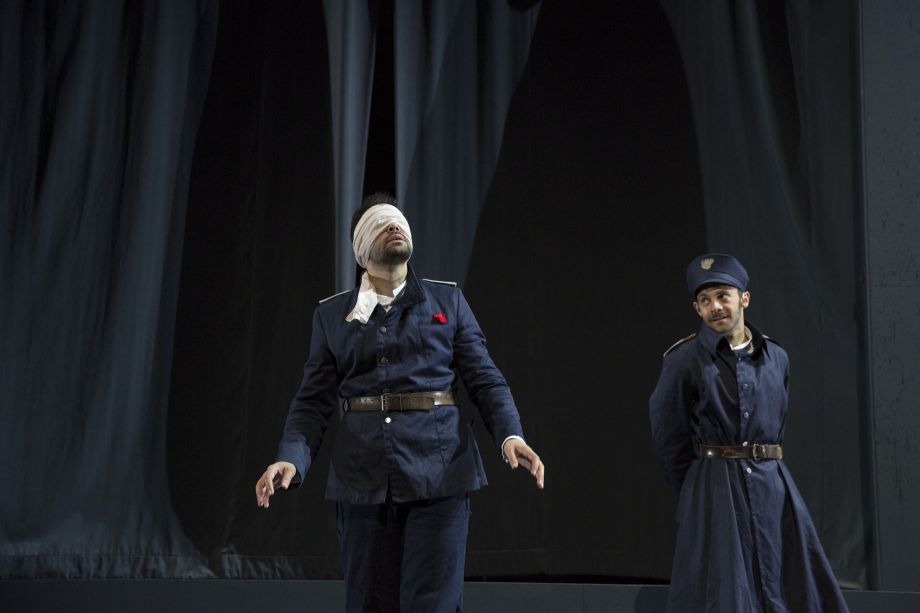
Le Prince de Hombourg © Christophe Raynaud de Lage
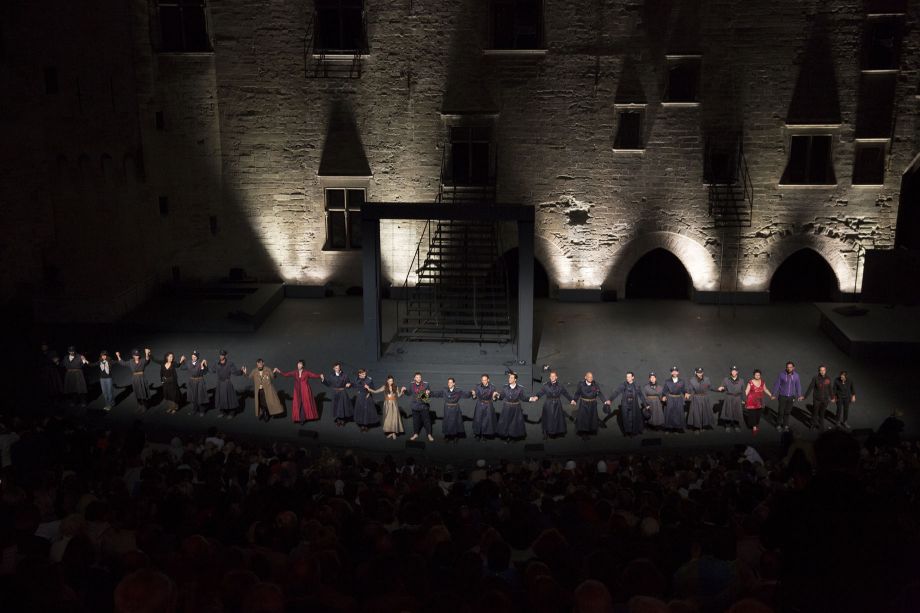
Le Prince de Hombourg © Christophe Raynaud de Lage
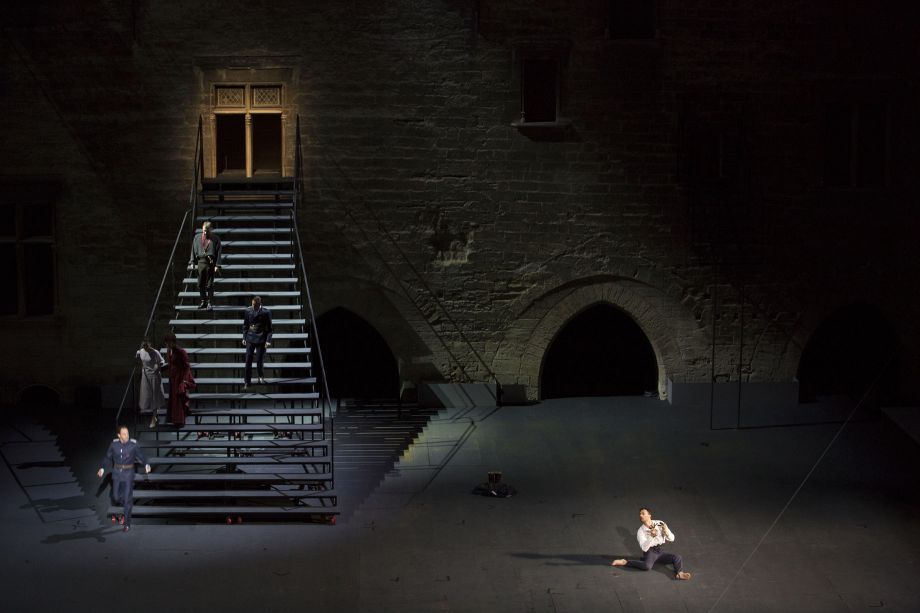
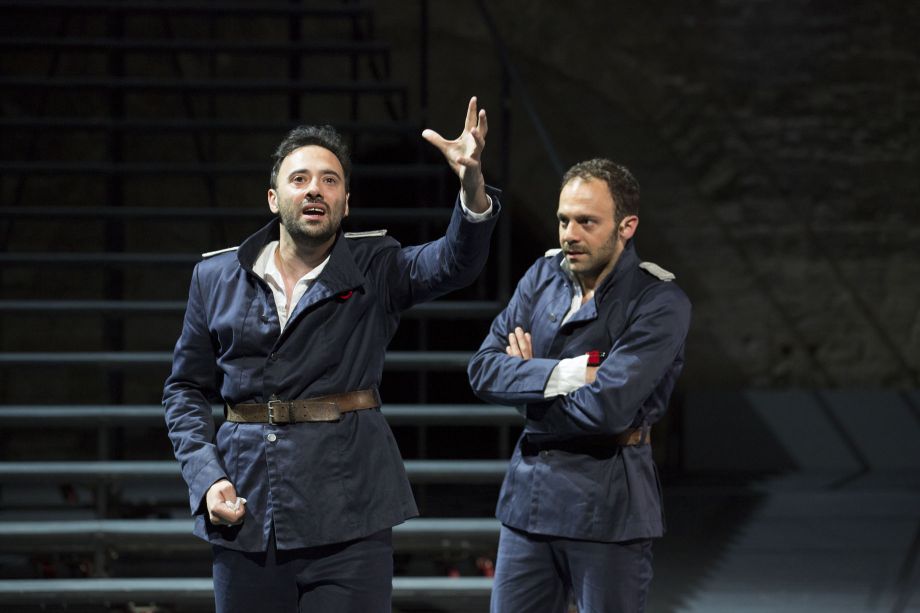
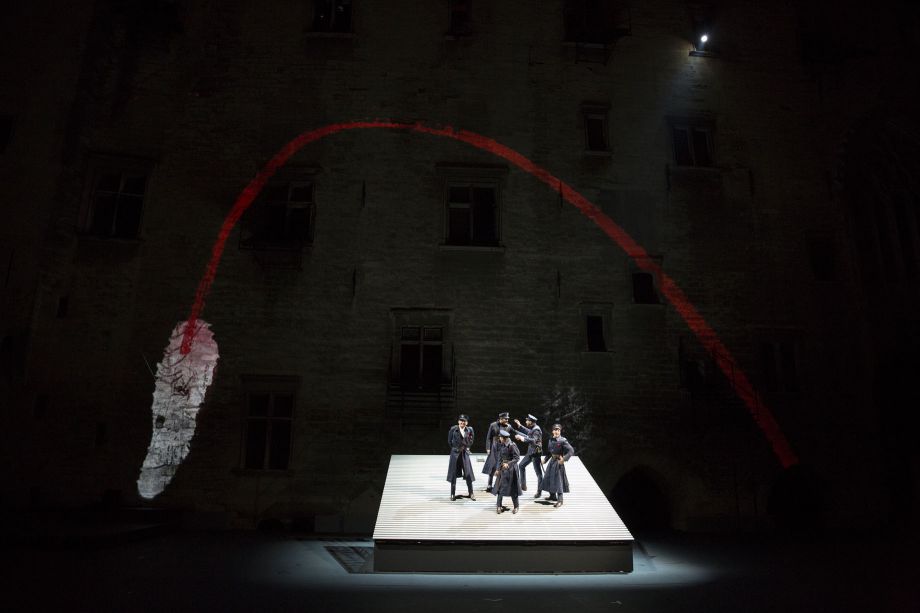
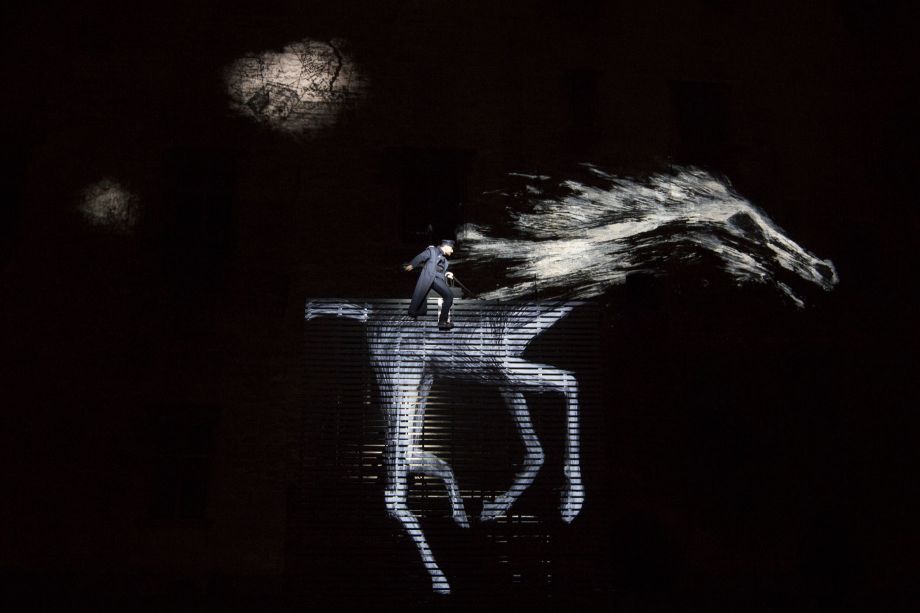
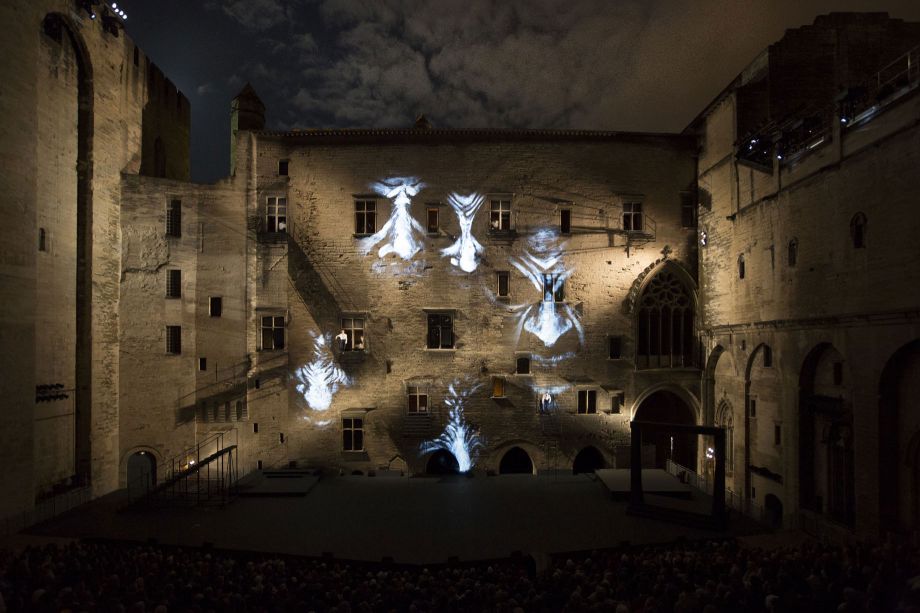
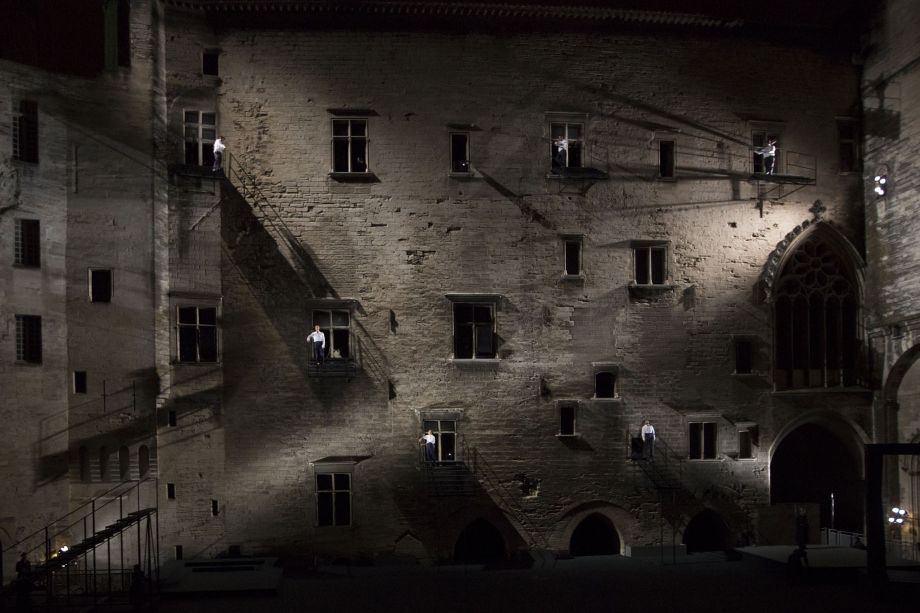
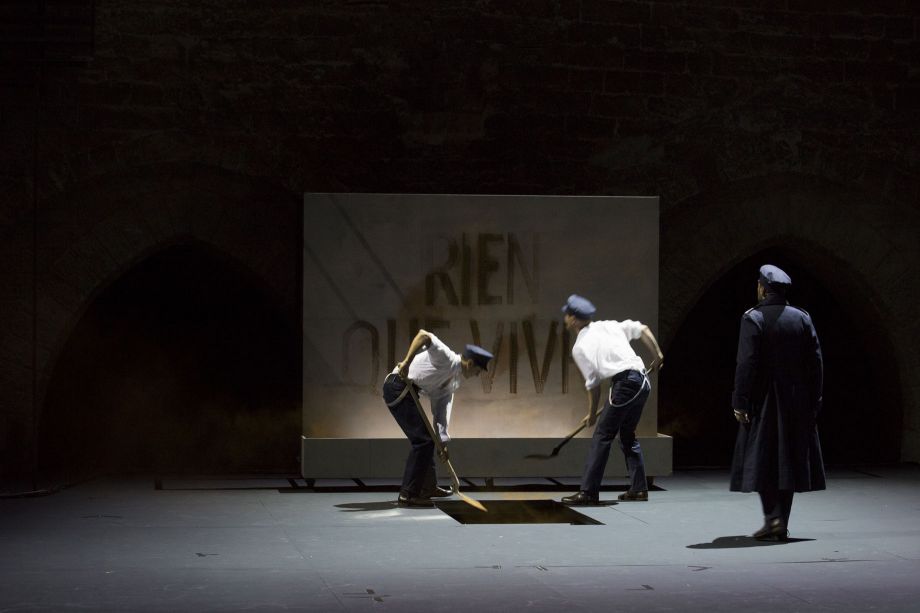
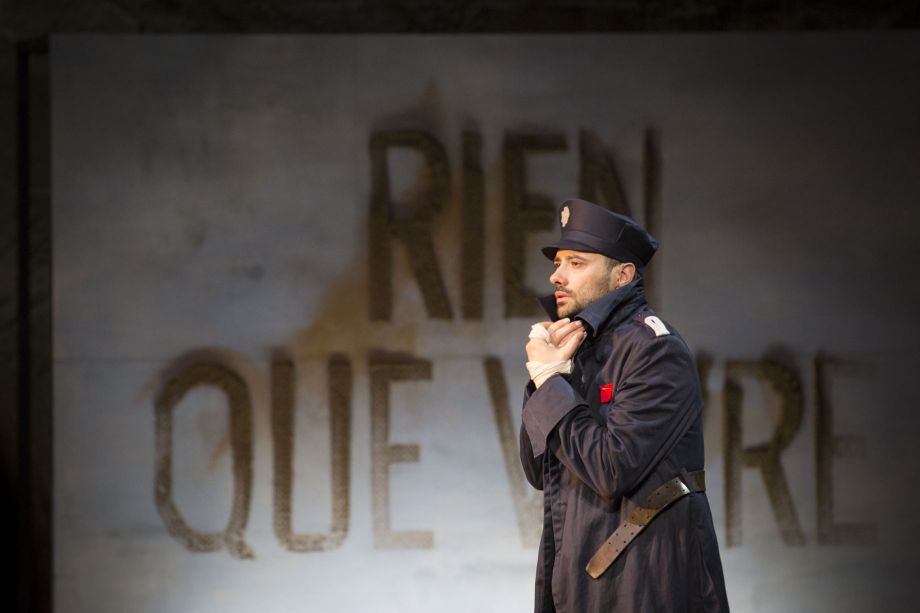
Who is really Friedrich Wilhelm von Homburg? A prince blessed by the gods? A man beloved by his beautiful cousin? A character who struggles to escape his own dreams? An accidental hero? The Prince of Homburg is a deliberately political play, a message sent by Heinrich von Fleist to the Hohenzollern family to incite them to declare war on Napoleon and free the German lands under his control. Today, for Giorgio Barberio Corsetti, the stakes are different, the historical aspect of the play isn't so important. The questions that constantly arise from it make it a permanent enigma, and the Italian director helps us decipher it, scene by scene, line by line; he makes us hear its strange combination of excessiveness and precision, of dream and reality. The reality of death, always on the prowl, dictating the way battles go. The reality of death caused by one's sense of duty and by the application of the law. Kleist talks of the disobedience of a prince and of his condemnation, of his dreams and of this parallel world he dreams up. Giorgio Barberio Corsetti shows us a play whose triumph lies in its unconscious, where “the rhythm of language is as important as its meaning.” The Prince of Homburg is a tragedy made of flashes of brilliance, of fragmentations, of chiaroscuros... A play made for the Cour d'honneur.
Having worked as a director for the theatre, the opera, and the circus, Giorgio Barberio Corsetti likes to mix different elements in order to enhance what representations. Bodies, voices, texts, machines, videos all play a part in the creation of his ambitious shows, which he likes to present both in theatres and in situ. A lover of literary, dramatic, and philosophical works, he has given voice, since 1976 in Italy, France, Portugal, the Netherlands, or Singapore, to the texts of Thomas Mann, George Büchner, Shakespeare, Molière, Ovid, Dimitris Dimitriadis, Charles-Ferdinand Ramuz, Vladimir Mayakovsky, or Chrétien de Troyes, with a certain partiality for Franz Kafka. It is as a tribute to him that he changed the name of his company to Fattore K. in 2001. He has accepted Olivier Py's proposition to open the 68th edition of the Festival d'Avignon with a production of The Prince of Homburg in the Cour d'honneur of the Palais des papes, once again defending what he considers the only thing that matters when it comes to the theatre: poetry.
What a life Heinrich von Kleist had: born in 1777 and dead by suicide in 1811, he was by turns a soldier, a jurisconsult, a poet, a short story writer, a philosopher, a publicist, and a letter writer. A Romantic who didn't conform to the clichés of Romanticism, fascinated by Immanuel Kant and Jean-Jacques Rousseau, he was also a restless traveller who crossed Europe from one end to the other, desperate and alone. He wrote nine very different plays between 1803—The Schroffenstein Family—and 1810—The Prince of Homburg. Today he is seen as the one who managed to marry, in a classical style, the real and subjectivity.
Jean-François Perrier, April 2014
Direction Giorgio Barberio Corsetti
Scenography Giorgio Barberio Corsetti et Massimo Troncanetti
Music Gianfranco Tedeschi
Video Igor Renzetti
Images Lorenzo Bruno et Alessandra Solimene
Lighting Marco Giusti
Sound Frédéric Vienot
Costumes Moïra Douguet assisted by Camille Guéret
Make-up by Sylvie Cailler © Portrait de nuit
Direction assistant Raquel Silva
Setting made inside the workshops of the Festival d'Avignon
Technical Festival d'Avignon
With
Jean Alibert le colonel Kottwitz
Anne Alvaro l'Électrice
Clément Bresson le comte de Hohenzollern
Anthony Devaux le comte Georges de Sparren
Luc-Antoine Diquéro l'Électeur Frédéric Guillaume
Xavier Gallais le prince de Hombourg
Hervé Guerrisi Siegfried de Mörner
Éléonore Joncquez la princesse Nathalie d'Orange
Maximin Marchand le comte Truchss
Geoffrey Perrin le capitaine de cavalerie Golz
Julien Roy le maréchal Dörfling
Gonzague Van Bervesseles le comte Reuss
Production Festival d'Avignon
Coproduction France Télévisions, Les Gémeaux Scène nationale de Sceaux, Théâtre de Liège, Théâtre Liberté Toulon
With the help of FIJAD and SPEDIDAM
With the support of Adami and of Fonds d'Insertion pour Jeunes Artistes Dramatiques, DRAC et Région Provence-Alpes-Côte d'Azur
Thanks to the Compagnie Fatttore K, the Théâtre du Châtelet, the Comédie-Française, Vittoria Sipone
Booklet (in French)
Download the pdf
Interview
with GIORGIO BARBERIO CORSETTI
Download the pdf
More informations
about LE PRINCE DE HOMBOURG on
Pearltrees