
Choreography THOMAS LEBRUN
Tours
Creation 2014
Running time 1h10
Prices : from €28 to €10
|
T 3 |
F 4 |
S 5 |
S 6 20h |
M 7 20h |
T 8 |
W 9 20h |
T 10 20h |
F 11 20h |
S 12 20h |
S 13 20h |
M 14 |
T 15 |
W 16 |
T 17 |
F 18 |
S 19 |
S 20 |
M 21 |
T 22 |
W 23 |
T 24 |
F 25 |
S 26 |
S 27 |
|
Lied Ballet © Christophe Raynaud de Lage
© theatre-contemporain.net
Lied Ballet © Christophe Raynaud de Lage
Lied Ballet © Christophe Raynaud de Lage
Lied Ballet © Christophe Raynaud de Lage
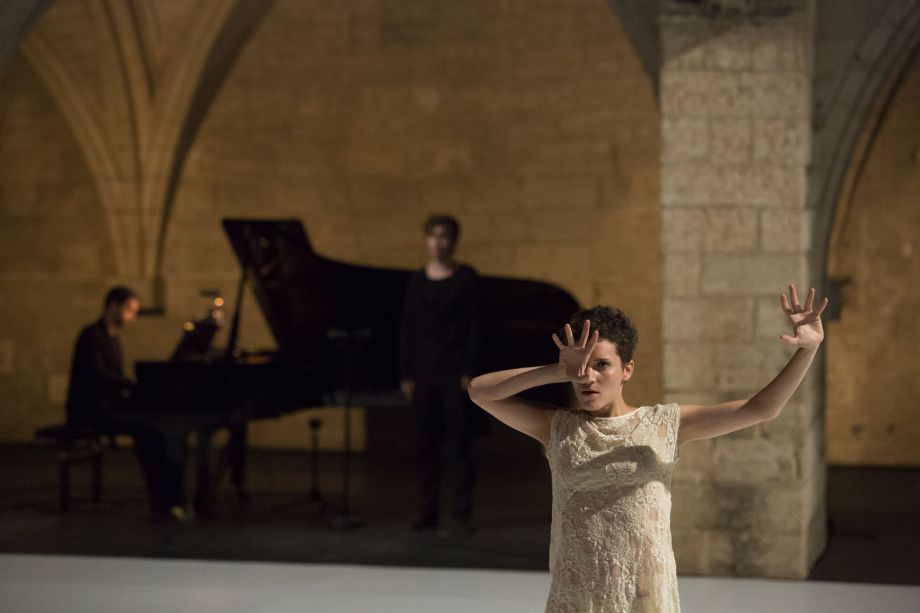
Lied Ballet © Christophe Raynaud de Lage
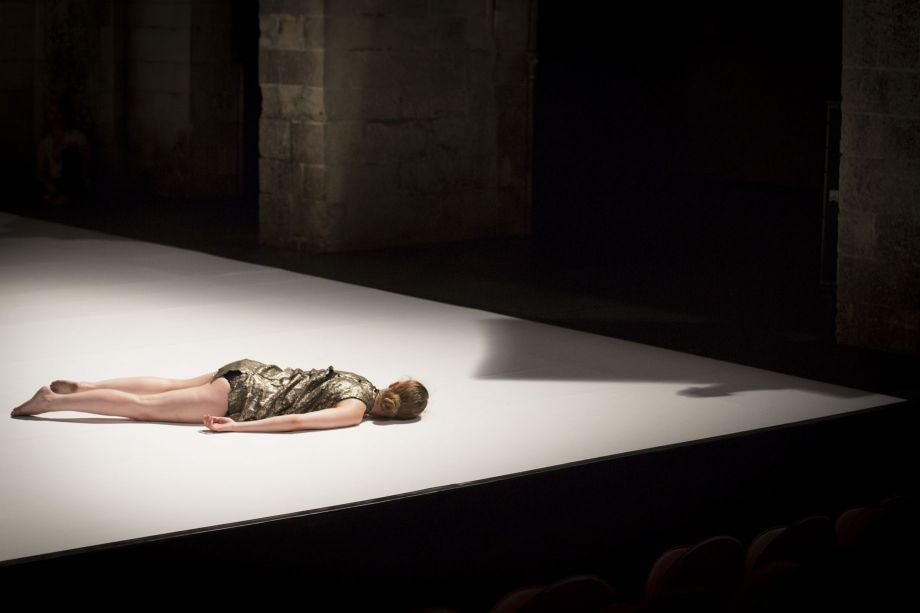
Lied Ballet © Christophe Raynaud de Lage
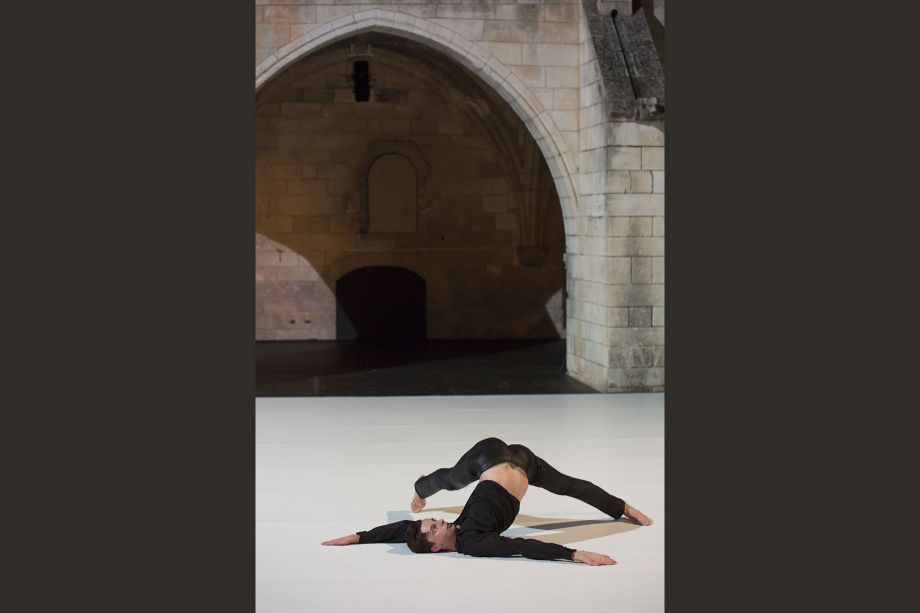
Lied Ballet © Christophe Raynaud de Lage
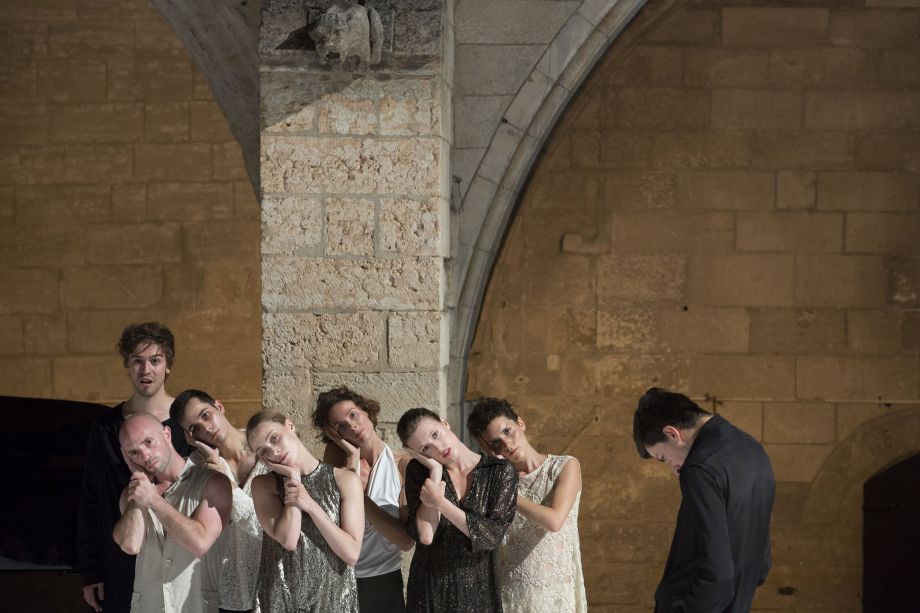
Lied Ballet © Christophe Raynaud de Lage
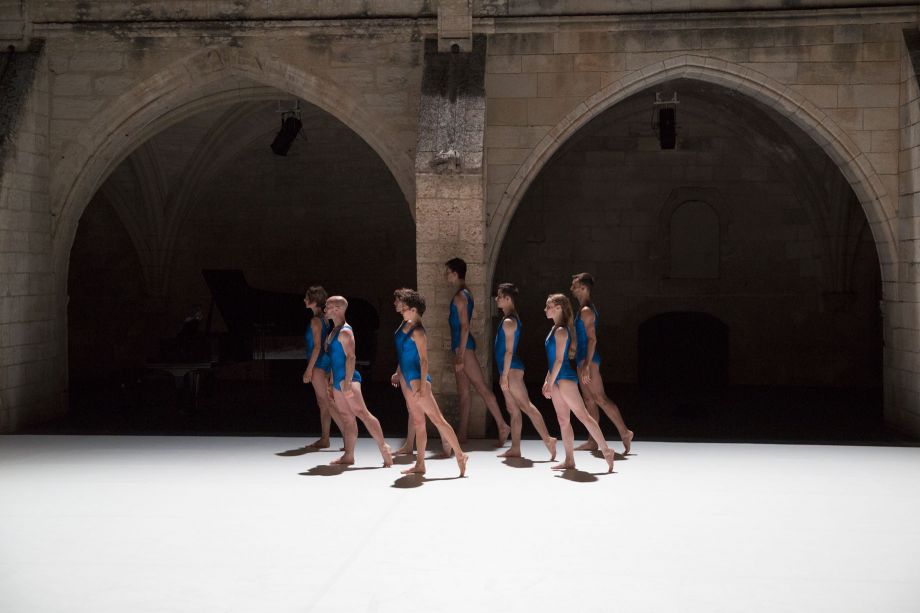
Lied Ballet © Christophe Raynaud de Lage
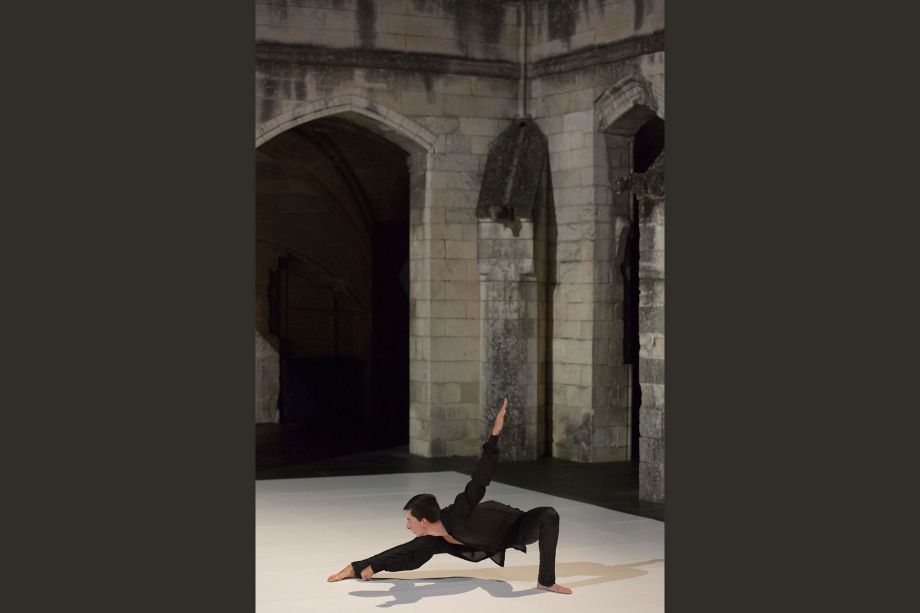
Lied Ballet © Christophe Raynaud de Lage
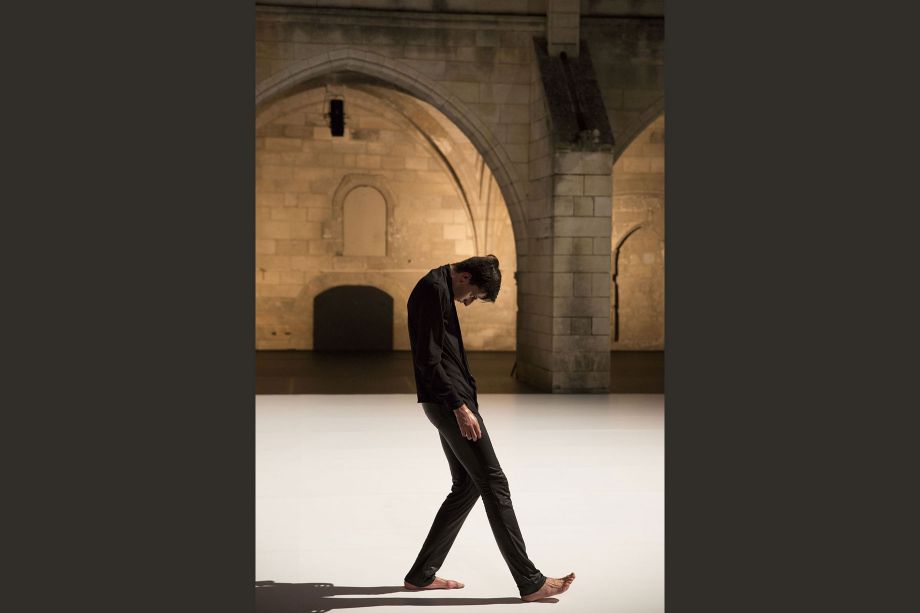
Lied Ballet © Christophe Raynaud de Lage
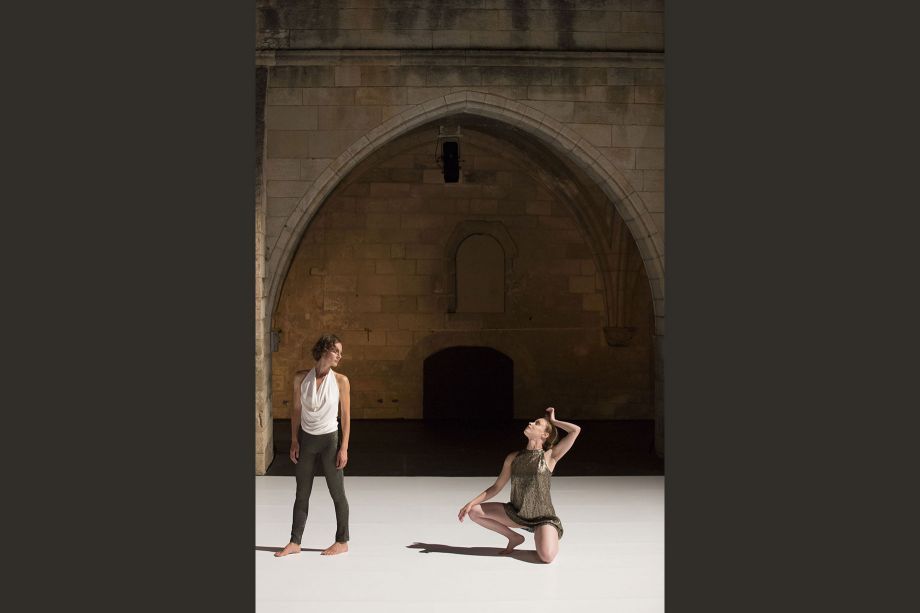
Lied Ballet © Christophe Raynaud de Lage
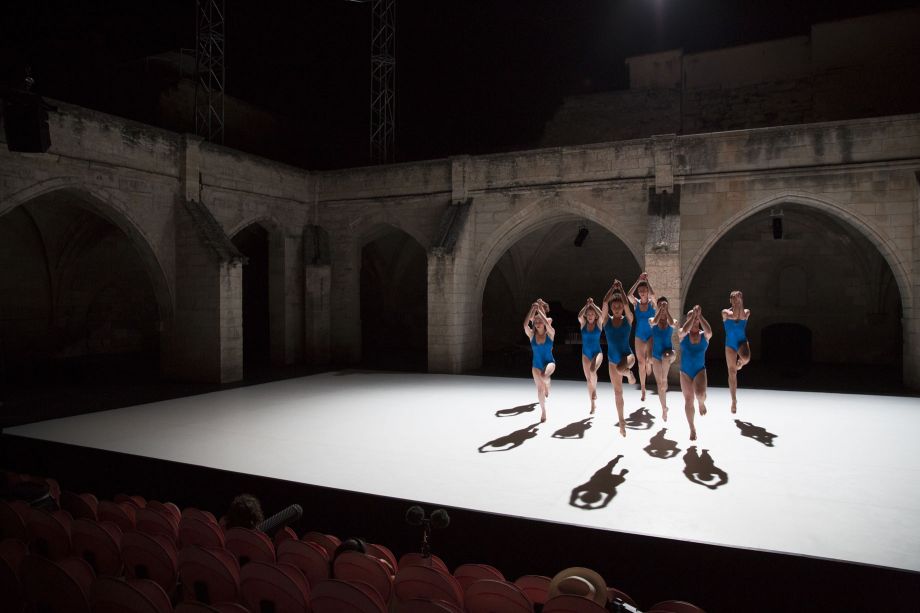
Lied Ballet © Christophe Raynaud de Lage
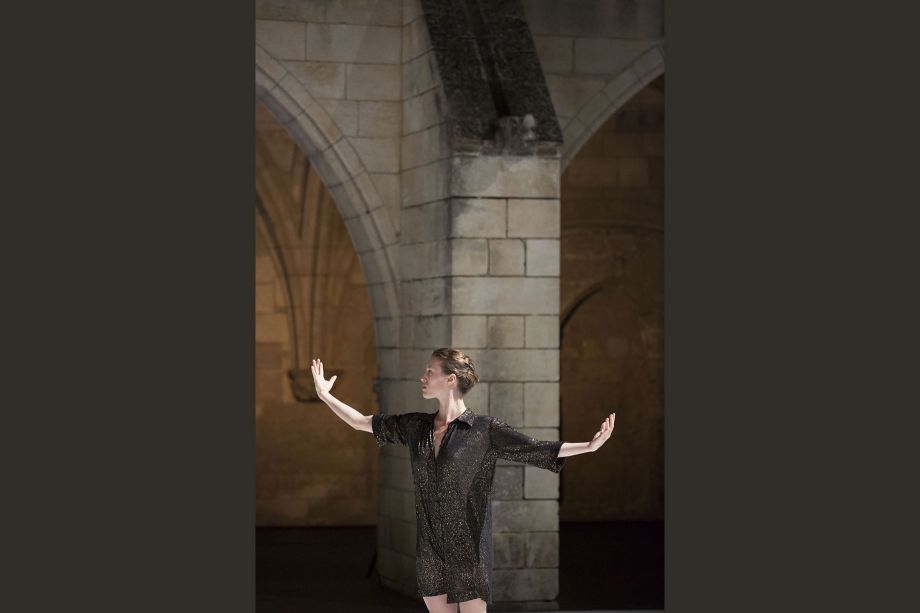
Lied Ballet © Christophe Raynaud de Lage
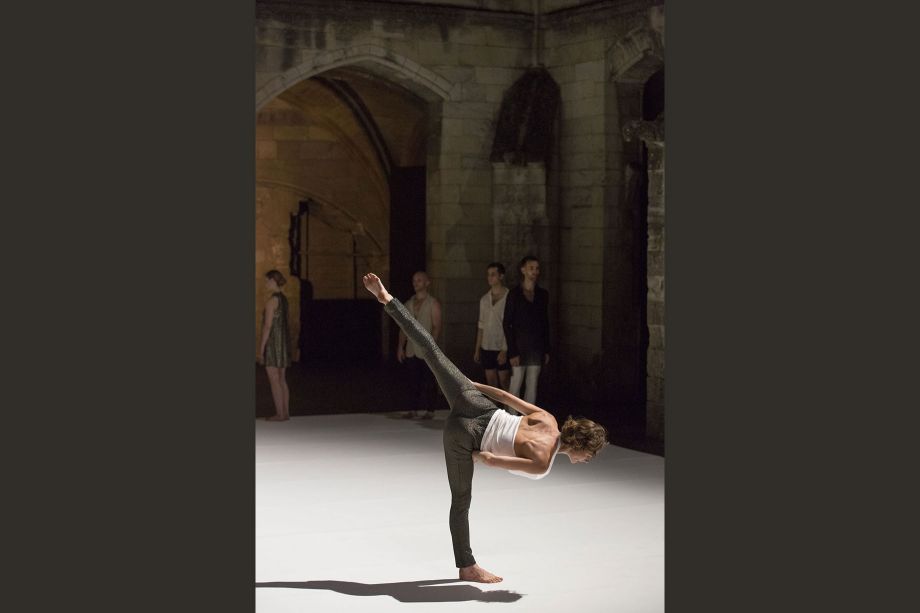
Lied Ballet © Christophe Raynaud de Lage
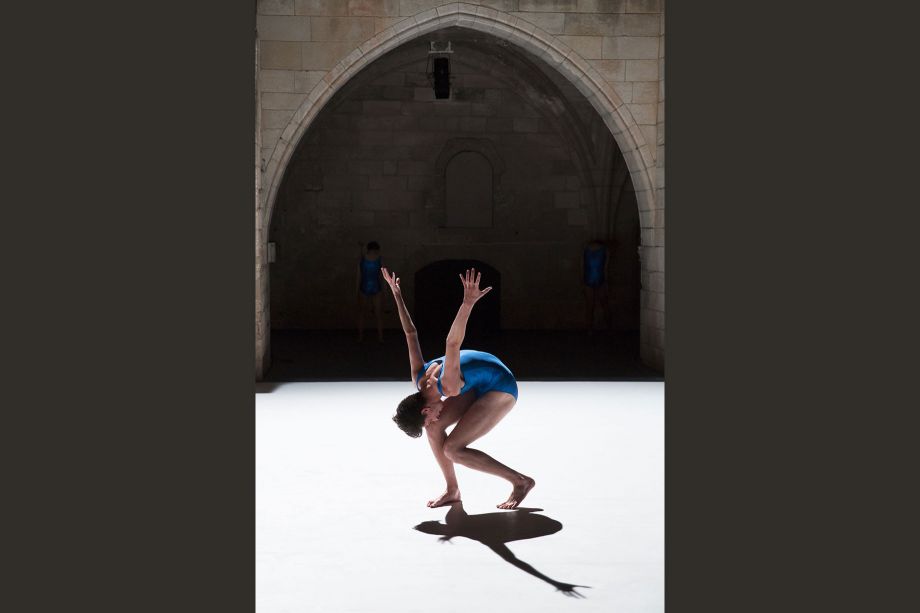
Lied Ballet © Christophe Raynaud de Lage
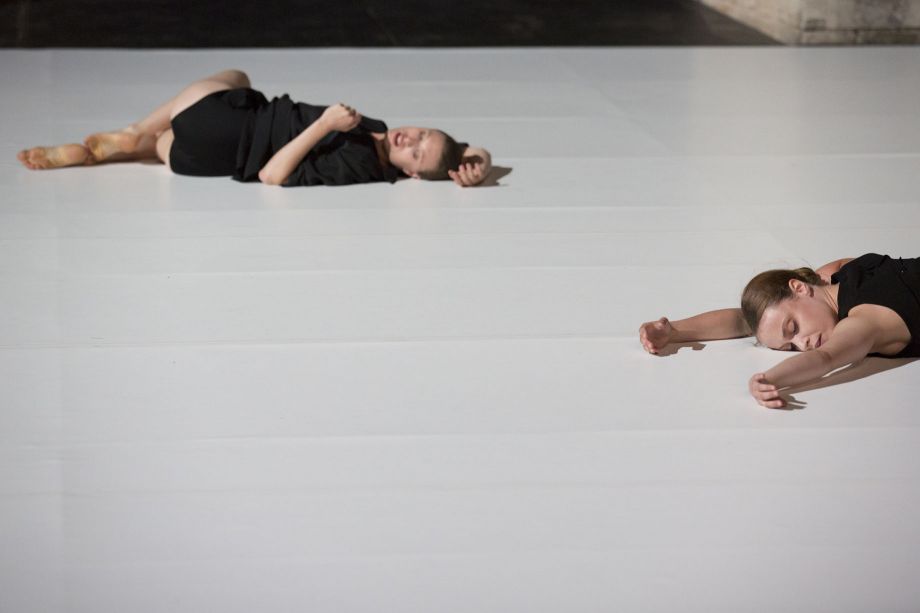
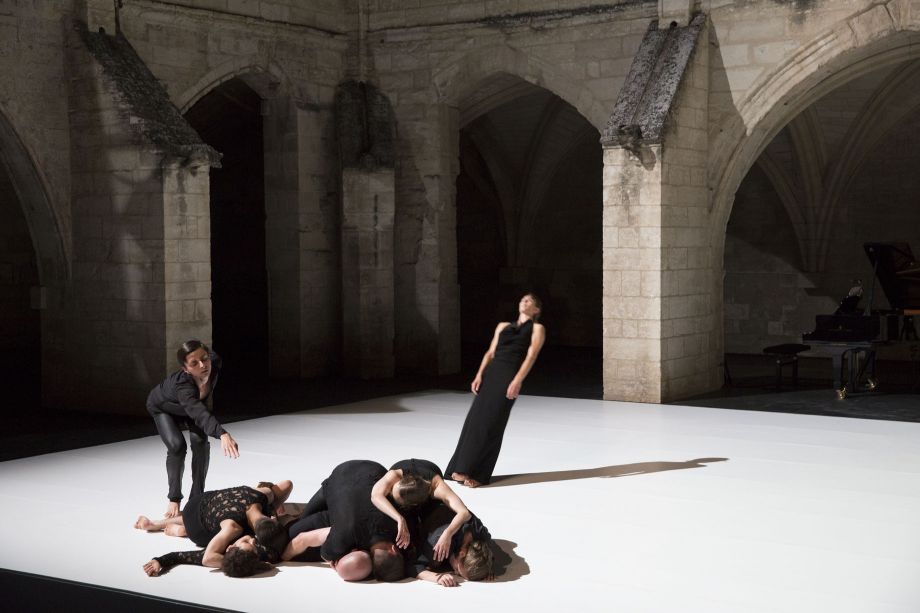
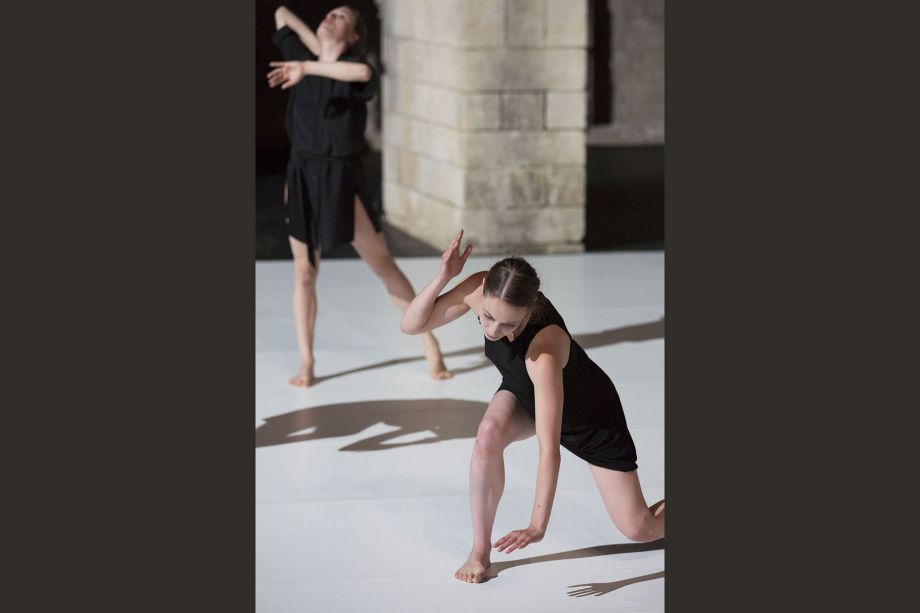
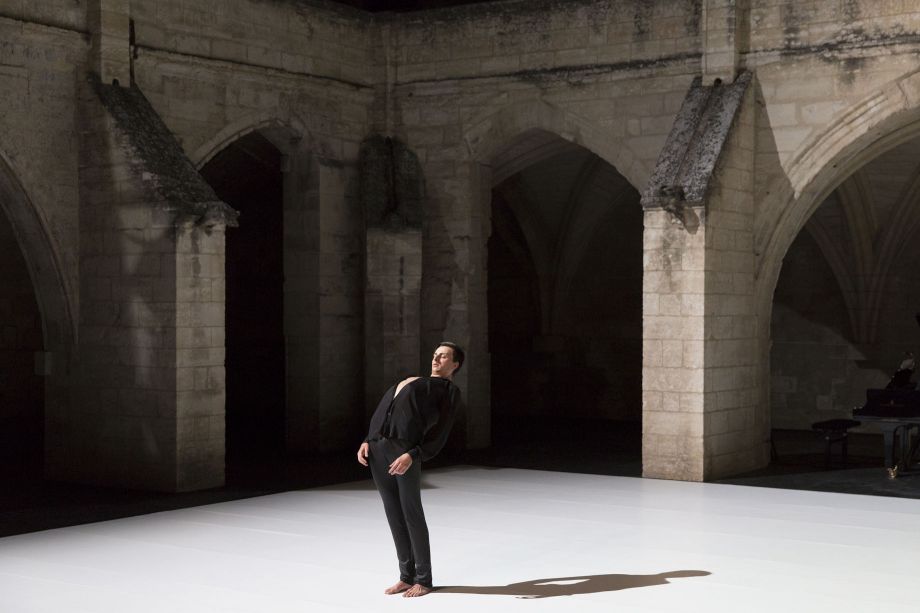
The Lied and ballet: two highly codified artistic forms, that Thomas Lebrun decided to bring face to face. Using the texts of German Lieder as libretto, from Franz Schubert to Alban Berg, borrowing from ballet its three-act structure and playing with set pieces, the choreographer mixes approaches and desires. It all begins with the transformation of the romantic themes of the Lieder into something to dance to, creating a choreographic writing that starts with pantomime and ends in abstraction. In the end, everything combines into a great chorus defying genres and categories that fundamentally expresses the artist's trust in the dancing body. Thomas Lebrun's show showcases a form of free dance, a dance that accepts all its influences and opens up a wealth of choreographic possibilities. A dance that doesn't accept facile dichotomies—classic/modern, high-brow/popular, abstraction/narration—but tries to find its own place between the lines, on top of them, or by weaving them together. On the stage are eight dancers for whom the pleasure of movement is not an obstacle to contemporary choreographic writing, joined for the second act by a pianist and a tenor. Together, they make theirs a choreographic or musical legacy and assert themselves, like Thomas Lebrun does himself, “not so much as creators but as makers, actors, reactors, transmitters of a story that we cannot control, that carries us and feeds us.”
Never where you would expect him to be, Thomas Lebrun slips like an eel between adjectives and categories. After performing in the plays of Bernard Glandier, Daniel Larrieu, Christine Jouve, and Christine Bastin, he founded his company, Illico, in 2000. He has since developed a multifaceted body of work, tinted with disco in Les Soirées What You Want?, with autobiography in Itinéraire d'un danseur grassouillet (The Journey of a Chubby Dancer), or romantic in La jeune fille et la mort (Death and the Maiden). The fantasy dance can conjure (La Constellation consternée (The Appalled Constellation)), gender (Tel quel ! (As is!), aimed at children), love and sexuality (Trois décennies d'amour cerné (Three Decades of Surrounded Love)), all appear like recurring themes in his work, symbolic of a process that is both formal and very much anchored in the real, as well as preoccupied with the question of the transmission of knowledge. In 2012, he left the Nord-Pas-de-Calais region to become director of the Centre choréographique national in Tours. There, he works with virtuoso dancers, joined by additional performers of all ages and backgrounds. The diversity and loyalty of his collaborators are but hints of Thomas Lebrun's challenging and self-confident vision of the art of choreography.
Renan Benyamina, April 2014
Choregraphy Thomas Lebrun
Musical creation David François Moreau
Music Lieder by Alban Berg, Gustav Mahler, Giacinto Scelsi, Arnold Schönberg
Lighting Jean-Marc Serre
Sound Mélodie Souquet
Costumes Jeanne Guellaff
Costumes realisation Jeanne Guellaff, Sylvie Ryser
With Benjamin Alunni (tenor), Thomas Besnard (piano), Maxime Camo, Anthony Cazaux, Raphaël Cottin, Anne-Emmanuelle Deroo, Tatiana Julien, Anne-Sophie Lancelin, Matthieu Patarozzi, Léa Scher
Production Centre chorégraphique national de Tours
Coproduction Festival d'Avignon, Maison de la Danse de Lyon, Les Quinconces-L'Espal Scène conventionnée du Mans, Maison de la Culture de Bourges Scène nationale, Les Deux Scène-Scène nationale de Besançon, La Rampe-La Ponatière Scène conventionnée (Échirolles), Association Beaumarchais SACD
With the support of Région Centre and SPEDIDAM
Booklet (in French)
Download the pdf
Interview with THOMAS LEBRUN
Download the pdf
More informations about LIED BALLET on
Pearltrees