by Manolis Tsipos
Direction MICHEL RASKINE
avec l'École de la Comédie de Saint-Étienne
Saint-Étienne
Creation 2014
Running time 1h10
Prices : from €17 to €10
|
T 3 |
F 4 |
S 5 |
S 6 |
M 7 |
T 8 |
W 9 16h |
T 10 16h |
F 11 16h |
S 12 16h |
S 13 |
M 14 |
T 15 |
W 16 |
T 17 |
F 18 |
S 19 |
S 20 |
M 21 |
T 22 |
W 23 |
T 24 |
F 25 |
S 26 |
S 27 |
|
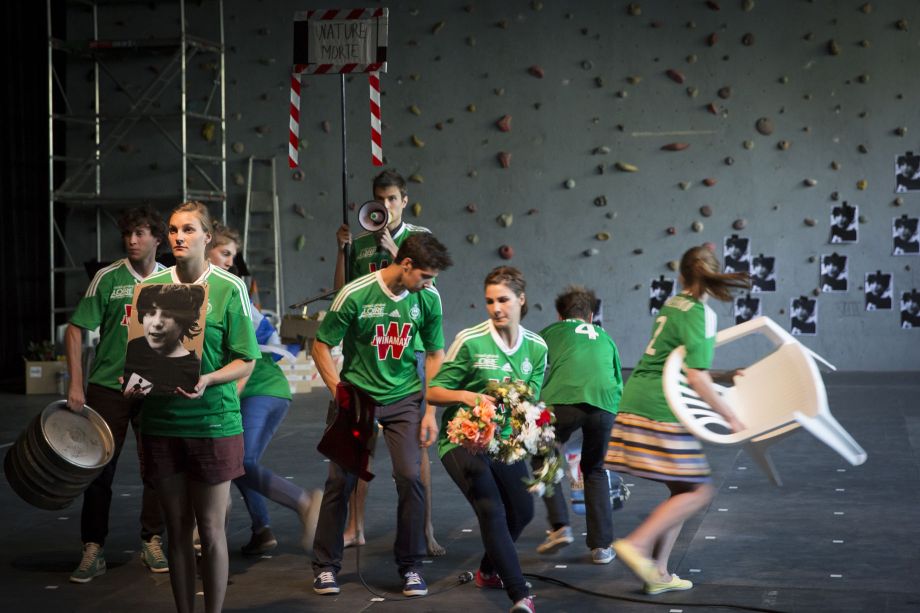
Nature Morte. A la gloire de la ville © Christophe Raynaud de Lage
© LA COMPAGNIE DES INDES
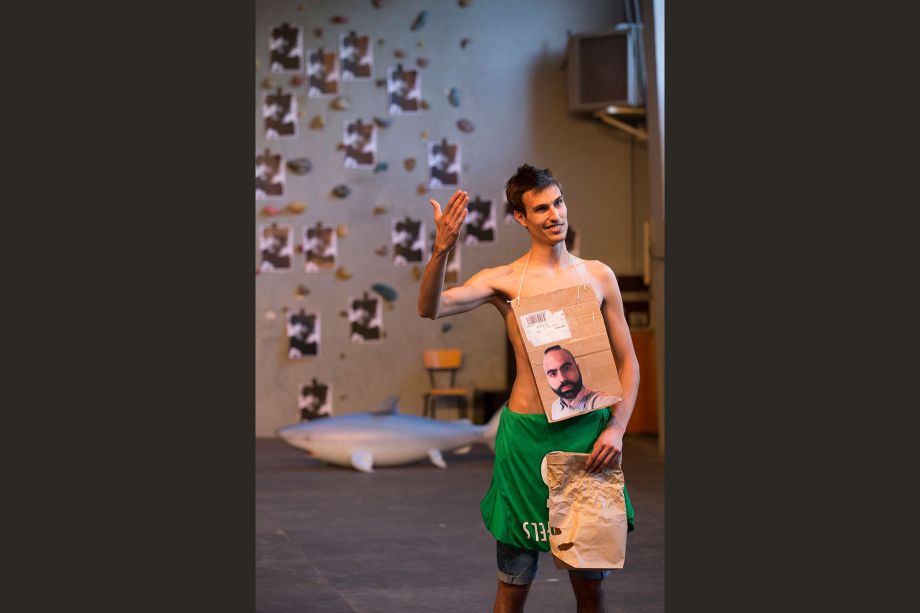
Nature Morte. A la gloire de la ville © Christophe Raynaud de Lage
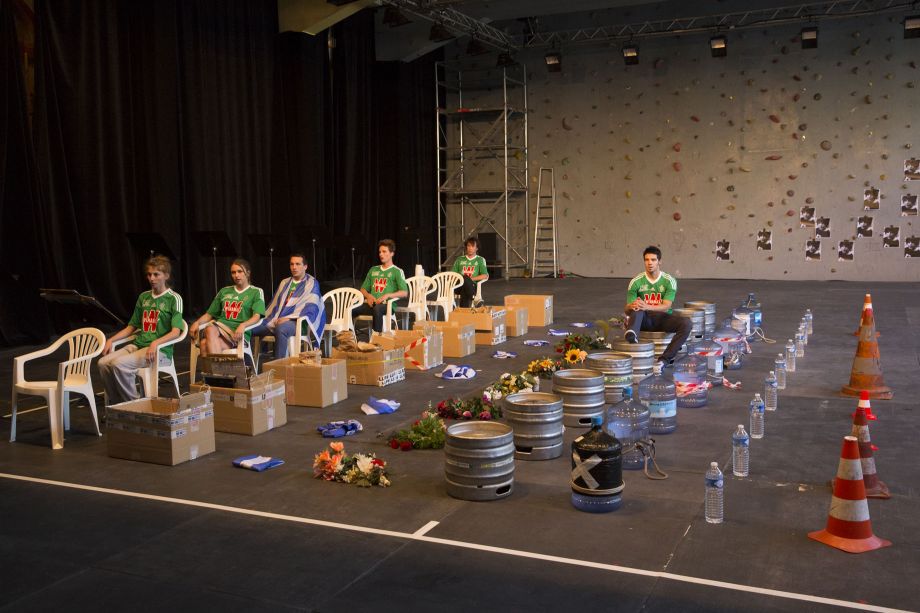
Nature Morte. A la gloire de la ville © Christophe Raynaud de Lage
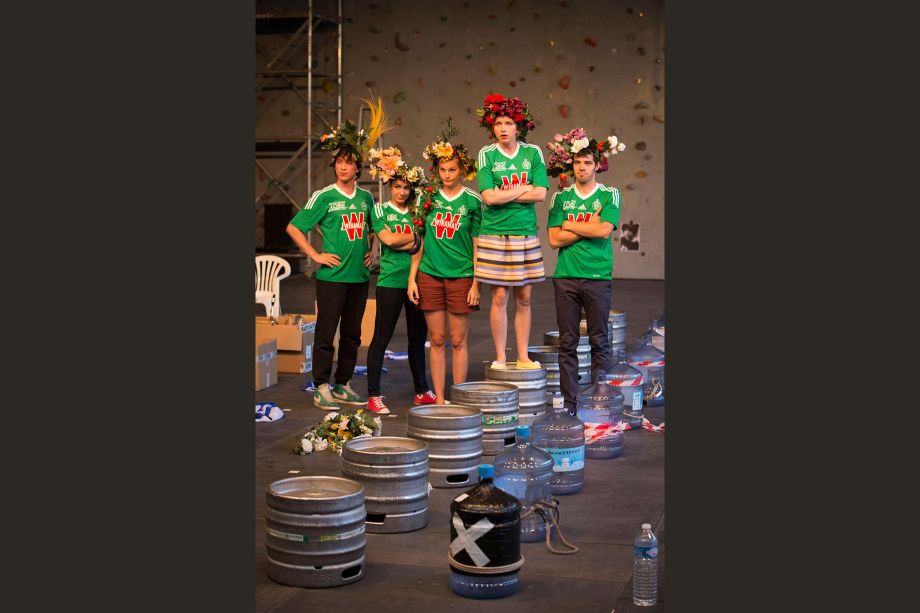
Nature Morte. A la gloire de la ville © Christophe Raynaud de Lage
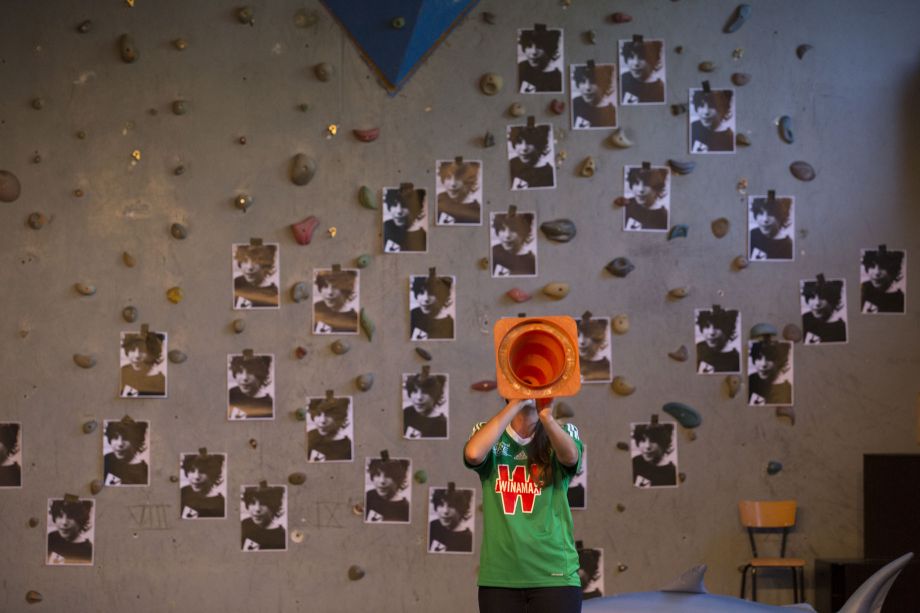
Nature Morte. A la gloire de la ville © Christophe Raynaud de Lage
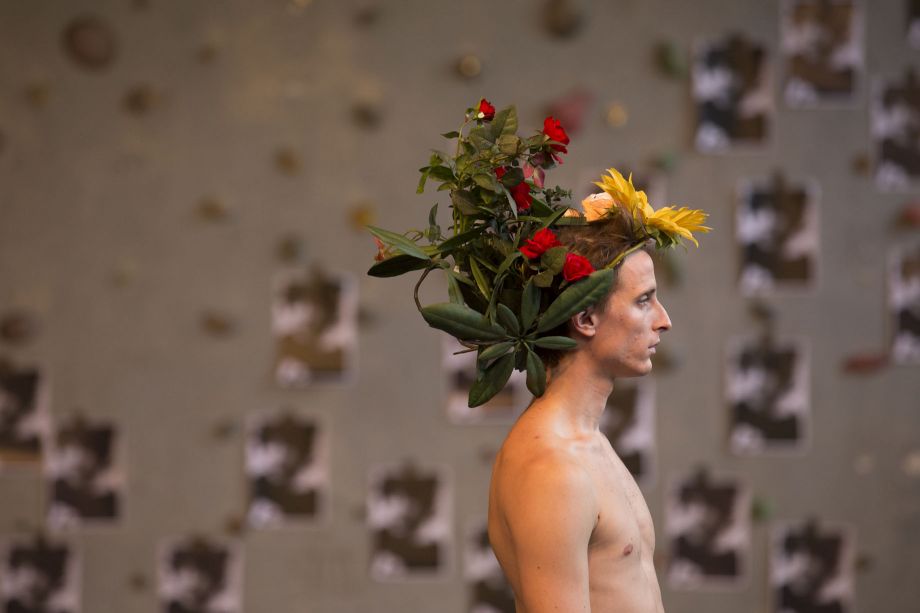
Nature Morte. A la gloire de la ville © Christophe Raynaud de Lage
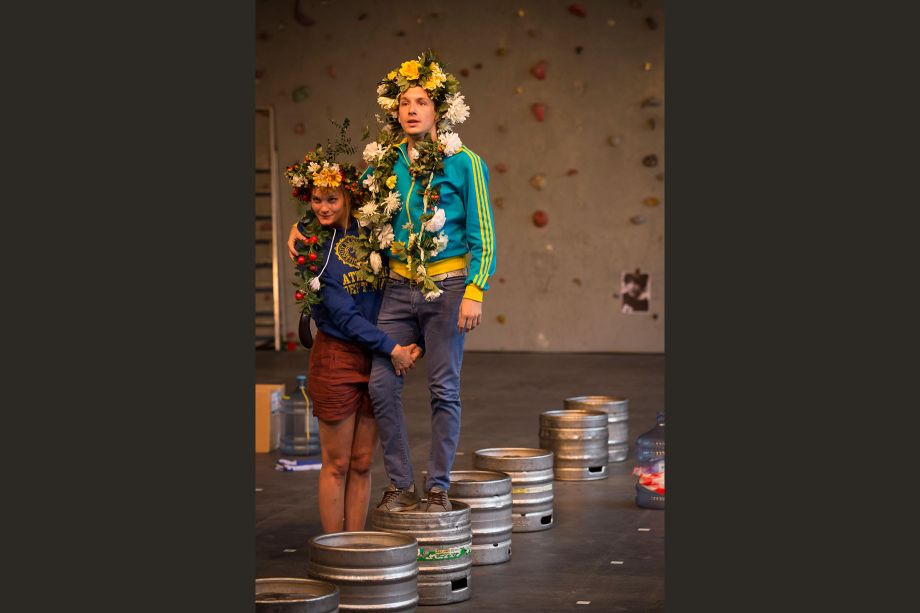
Nature Morte. A la gloire de la ville © Christophe Raynaud de Lage
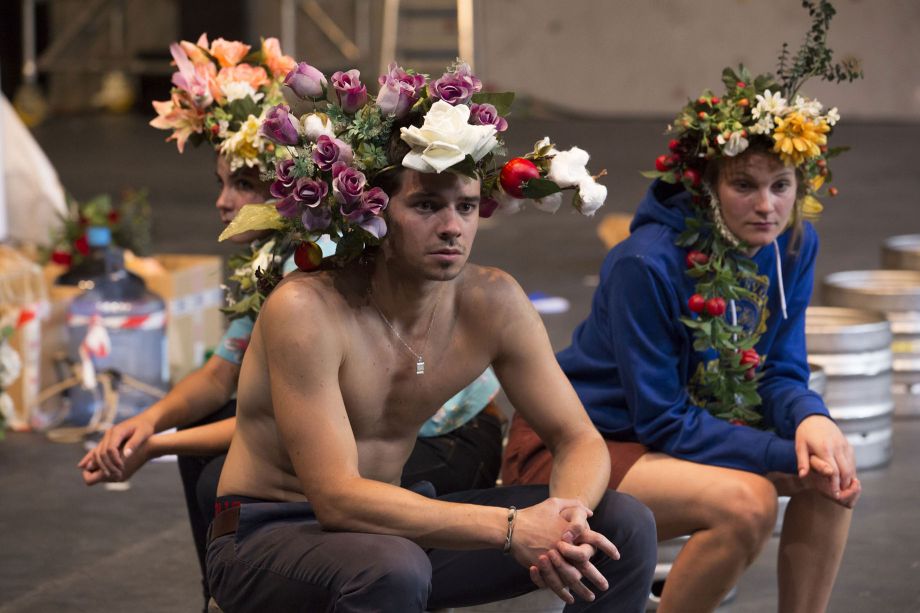
Nature Morte. A la gloire de la ville © Christophe Raynaud de Lage
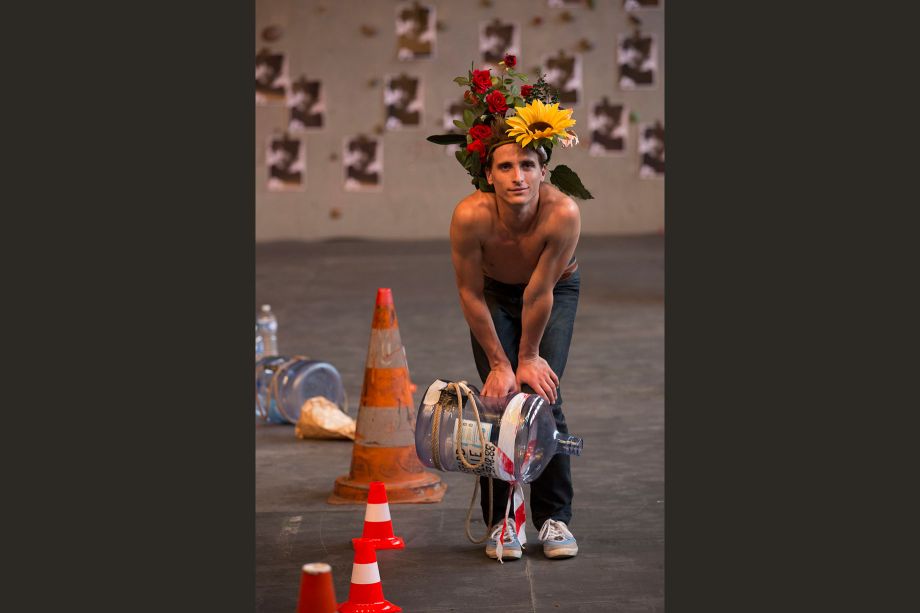
Nature Morte. A la gloire de la ville © Christophe Raynaud de Lage
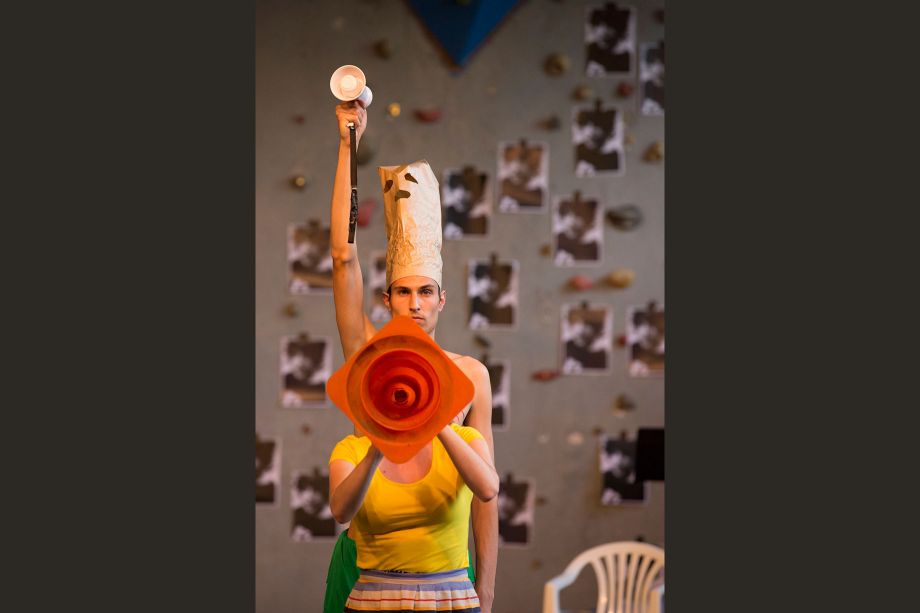
Nature Morte. A la gloire de la ville © Christophe Raynaud de Lage
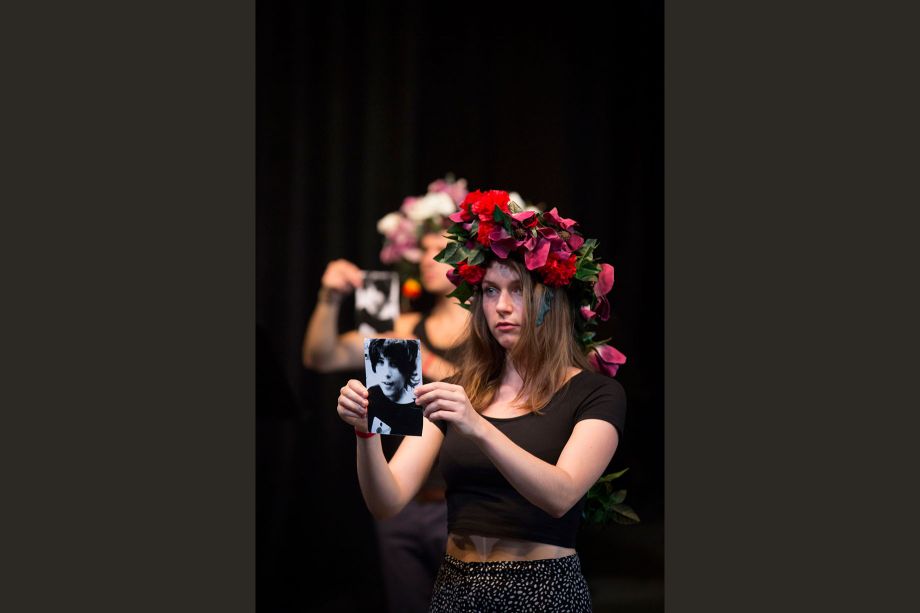
Nature Morte. A la gloire de la ville © Christophe Raynaud de Lage
Nature Morte. A la gloire de la ville © Christophe Raynaud de Lage
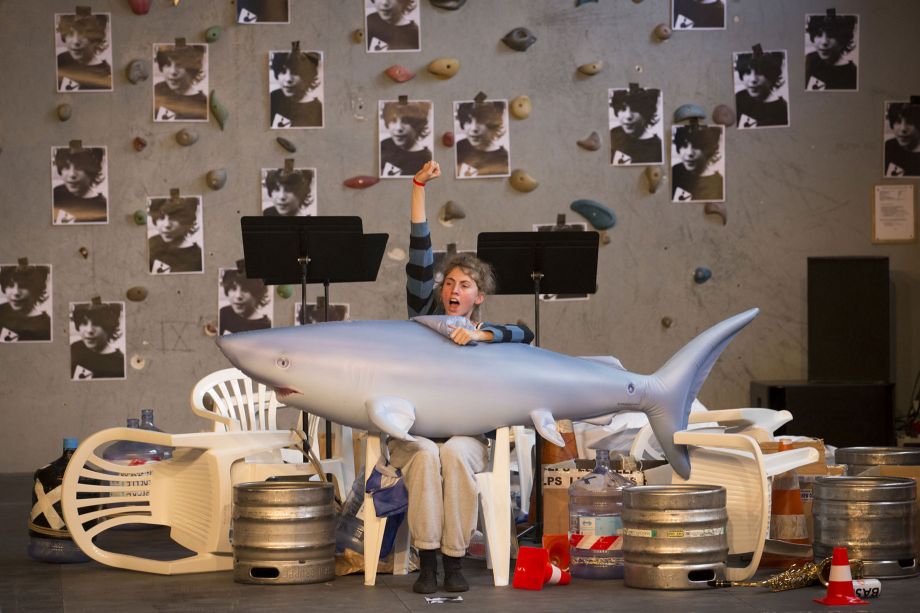
In a time we guess to be very close to ours, a city reminiscent of Athens and occupied by a foreign army is the scene of violent events. An anonymous voice calls out to “the citizens,” encourages them to perform various procedures on their own bodies (shaving, castration, sex change, etc.), in a discourse that brings to mind a twisted orthodox liturgy. Wild stage directions regularly show up on stage, turning the world into chaos. Humans, animals, objects and materials, pieces of furniture, abstractions and feelings cross paths and collide. Michel Raskine leads a group of nine student-actors in the adventure that is this play written in a gushing yet controlled language, which keeps the audience at a distance but hits them in their flesh. With his actors, he offers both a choral dimension and an individual one. For the director, the country, the city, subjected to torments by Manolis Tsipos, speaks of our fears, of the places we live in. Yet the images we've been seeing from Greece for the past two years—demonstrations, the violence of police repression, the rise of poverty and of the far right—are not invoked directly by the author. The students of the class 26 of the drama school of Saint- Étienne also find inspiration in the aesthetics of two Greek poets who lived thousands of years apart: Aeschylus and Theo Angelopoulos.
Michel Raskine learned the basics of direction in three different ways. As an actor, he has performed since 1972 under the direction of such great directors as Matthias Langhoof and Manfred Karge, Bob Wilson, Joël Jouanneau, Gildas Bourdet, Petrika Ionesco, Hans-Peter Cloos, Gwenaël Morin, etc. As an assistant to Roger Planchon from 1973 to 1975, he developed a keen interest in other directors' shows. He became a full-fledged director in 1984, with his first play, Manfred Karge's Max Gericke ou Pareille au même (Man to Man), with in the title role the actress Marief Guittier, who would work with him on many of his projects. From 1995 to 2011, he was co-director with André Guittier of the Théâtre du Point du Jour in Lyon, where he created almost fifteen shows. Meanwhile, he also directed two operas, three plays with the École Nationale Supérieure des Arts et Techniques du Théâtre in Lyon, one at the Comédie-Française in Paris, and two for the Nuits de Fourvière festival. Known for his fidelity—to authors, actors, and audiences alike—his work is characterised by a precise dramaturgy, his subtle work with actors, and the relevance of the images and rhythm of his shows. Today, he divides his time between his activity as a director and his work as a teacher.
Manolis Tsipos was born in 1979 in Athens, where he studied environmental science and drama. A writer, playwright, director, and performer, he has won multiple awards and taken part in festivals all over the world. In 2006, he founded the company Nova Melancholia (theatre and cinema), whose shows revolve around on-stage writing based on preexisting texts (by Rabelais, Shakespeare, Benjamin, Tsipos himself, etc.). Nova Melancholia likes to combine plastic arts, dance, and multimedia, in order to evoke an emotion that would be not only sentimental, but also aesthetic and intellectual.
Laurent Muhleisen, April 2014
Workshop show managed by Michel Raskine
French text Myrto Gondicas
Costumes Ouria Dahmani-Khouhli
Artistic collaboration Hubert Blanchet, Daniel Cerisier, Ouria Dahmani-Khouhli, Myriam Djemour, Fabrice Drevet, Thomas Ganz, Adèle Grépinet
With les élèves-comédiens de 2e année (promotion 26)
Julien Bodet, Thomas Jubert, Gaspard Liberelle, Aurélia Lüscher, Tibor Ockenfels, Maurin Olles, Pauline Panassenko, Manon Raffaelli, Mélissa Zehner
Production École de la Comédie de Saint-Étienne École supérieure d'art dramatique
Coproduction La Comédie de Saint-Étienne Centre dramatique national
Avec le soutien du Ministère de la Culture et de la Communication, DRAC Rhône-Alpes, Région Rhône-Alpes, Ville de Saint-Étienne, Maison Antoine Vitez, Fondation BNP Paribas
Remerciements à Grégory Bonnefont, Marief Guittier, Martin Peuvergne, Philippe Roux
Booklet (in French)
Download the pdf
Interview with MICHEL RASKINE
DOWNLOAD THE pdf
More informations about NATURE MORTE on
Pearltrees