Text and direction FABRICE MURGIA
Brussels
Creation 2014
Running time 1h20
Prices : from €28 to €10
|
T 3 |
F 4 |
S 5 |
S 6 |
M 7 |
T 8 |
W 9 |
T 10 |
F 11 |
S 12 |
S 13 |
M 14 |
T 15 |
W 16 |
T 17 |
F 18 |
S 19 |
S 20 |
M 21 18h |
T 22 18h |
W 23 18h |
T 24 18h |
F 25 |
S 26 18h |
S 27 18h |
|
Notre peur de n'être © Christophe Raynaud de Lage
© LA COMPAGNIE DES INDES
Directed by young people from the mission locale du Grand Avignon Festival d'Avignon
Notre peur de n'être © Christophe Raynaud de Lage
Notre peur de n'être © Christophe Raynaud de Lage
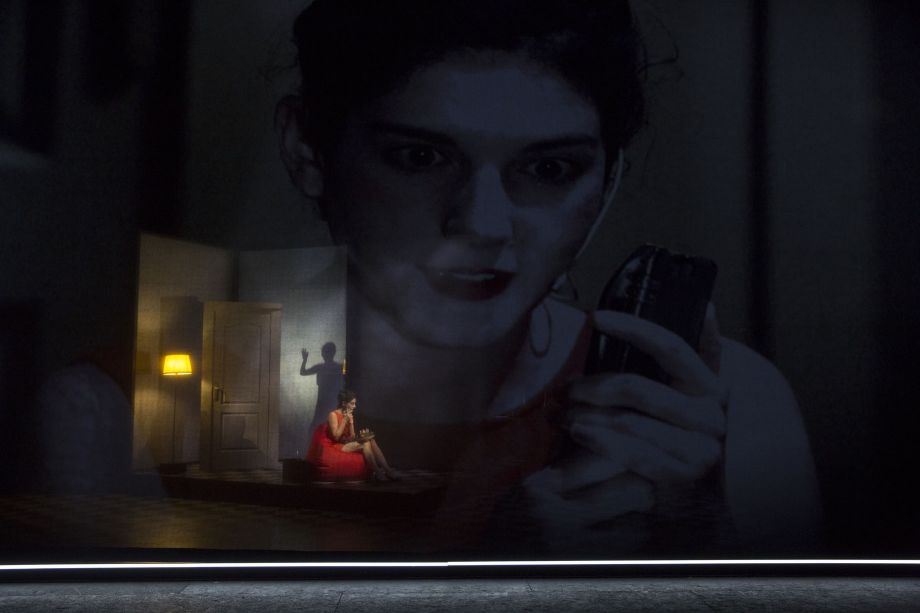
Notre peur de n'être © Christophe Raynaud de Lage
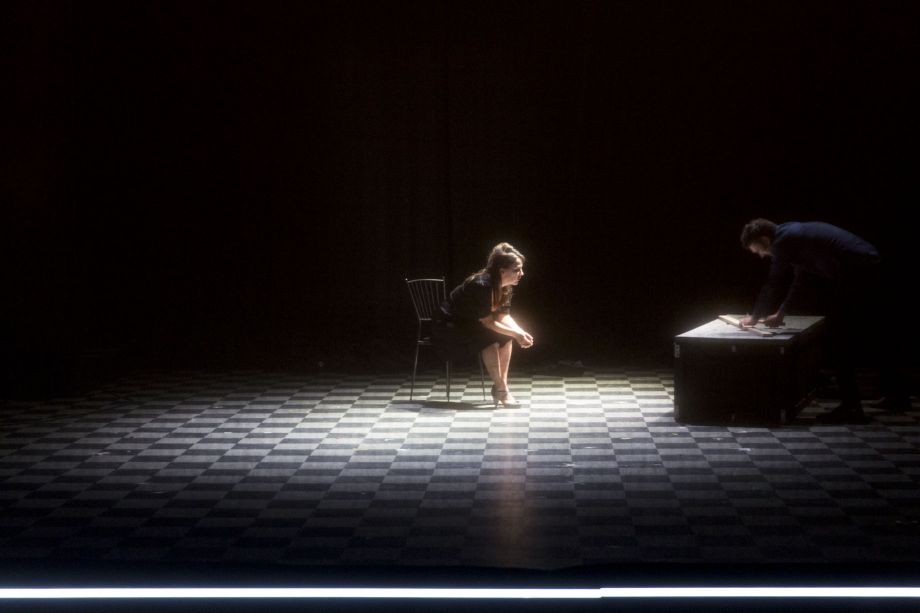
Notre peur de n'être © Christophe Raynaud de Lage
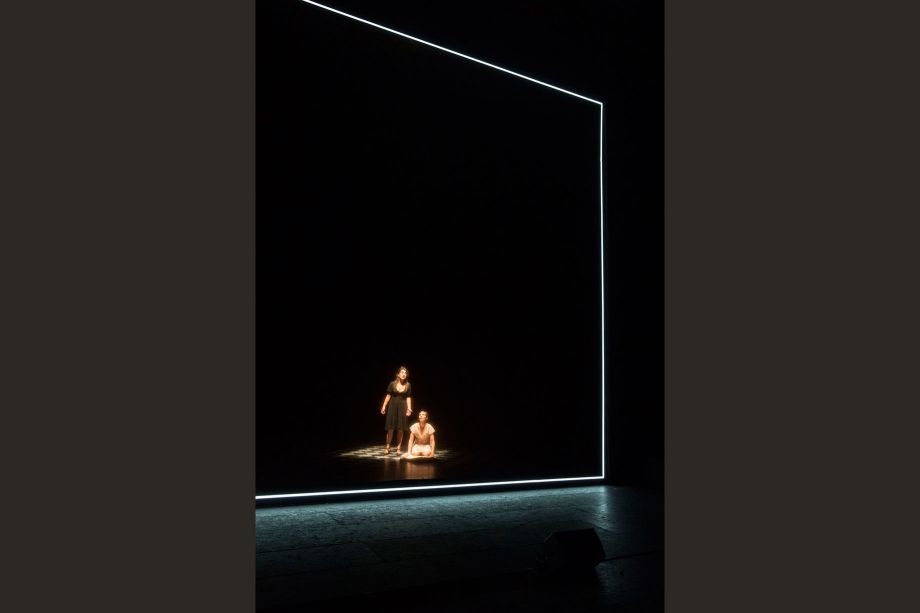
Notre peur de n'être © Christophe Raynaud de Lage
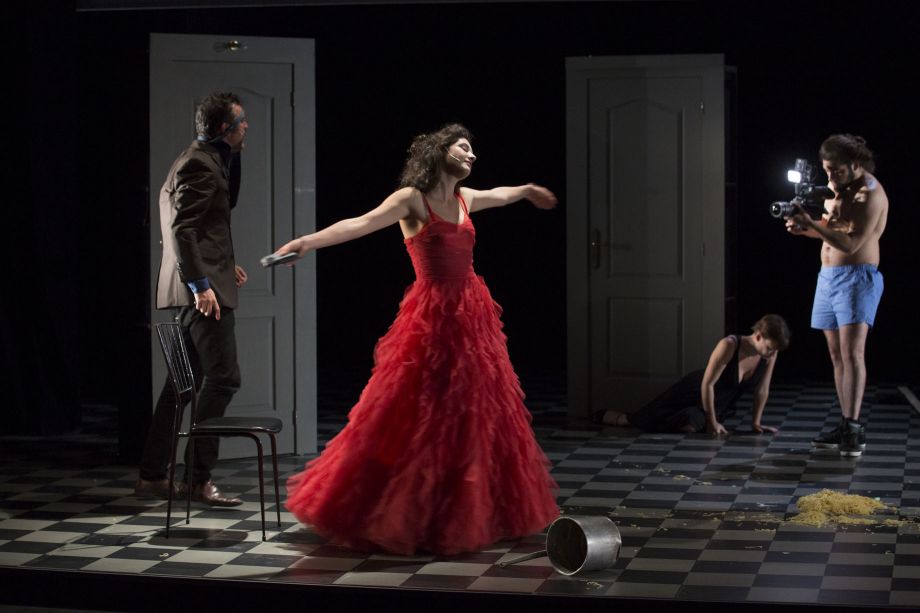
Notre peur de n'être © Christophe Raynaud de Lage
Notre peur de n'être © Christophe Raynaud de Lage
Notre peur de n'être © Christophe Raynaud de Lage
Notre peur de n'être © Christophe Raynaud de Lage
Notre peur de n'être © Christophe Raynaud de Lage
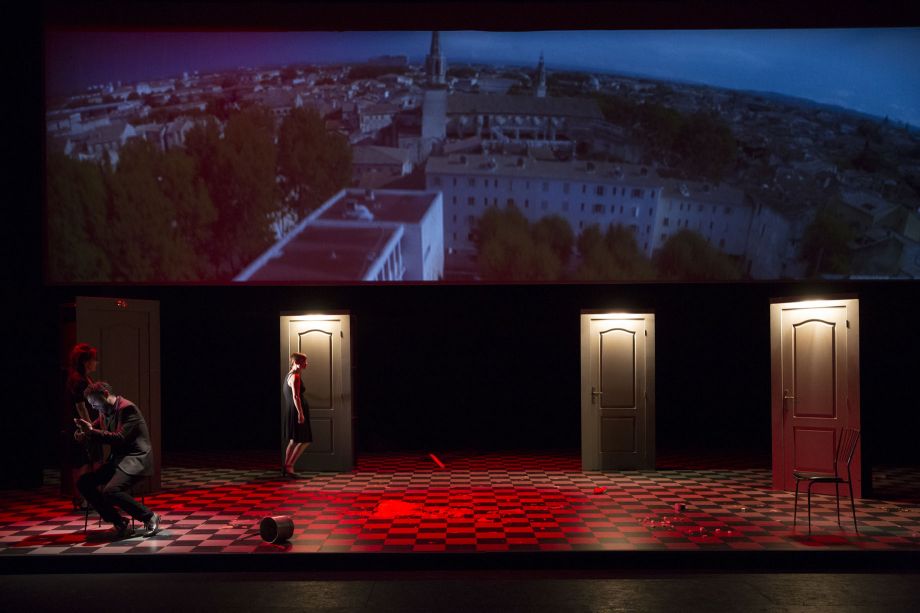
Notre peur de n'être © Christophe Raynaud de Lage
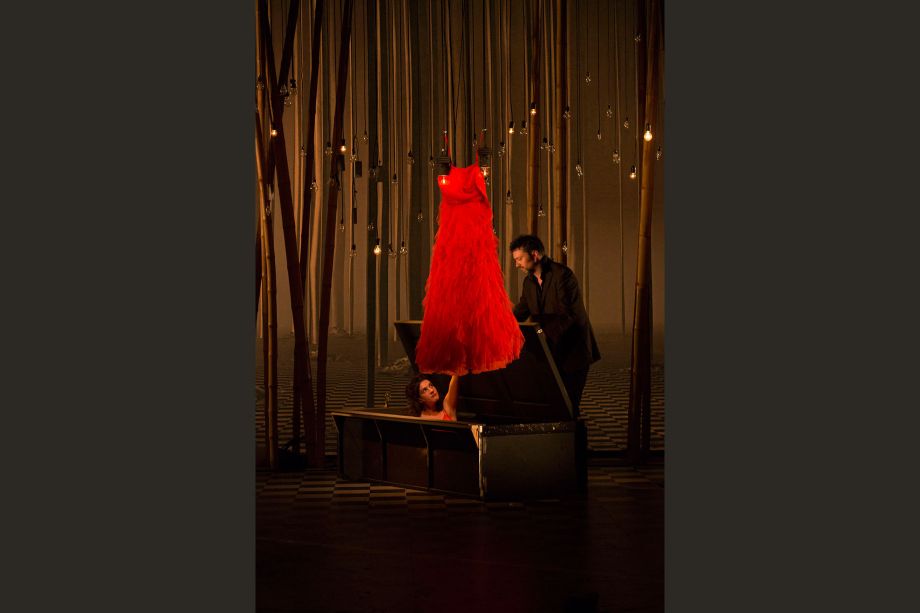
Notre peur de n'être © Christophe Raynaud de Lage
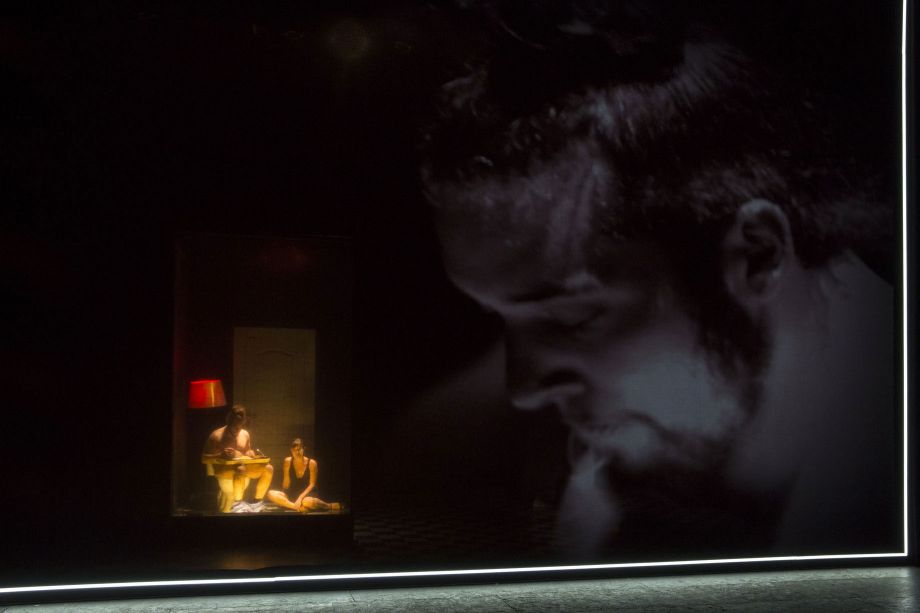
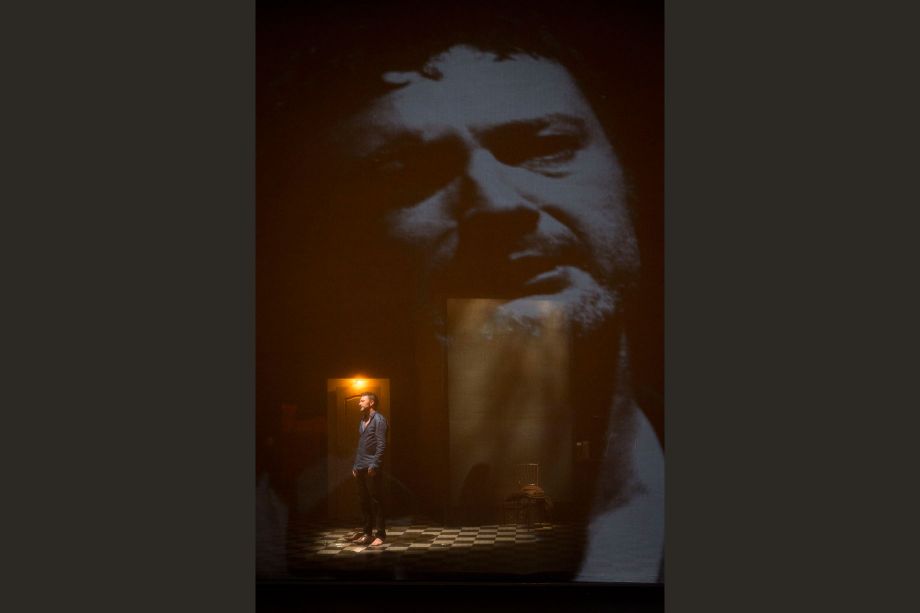
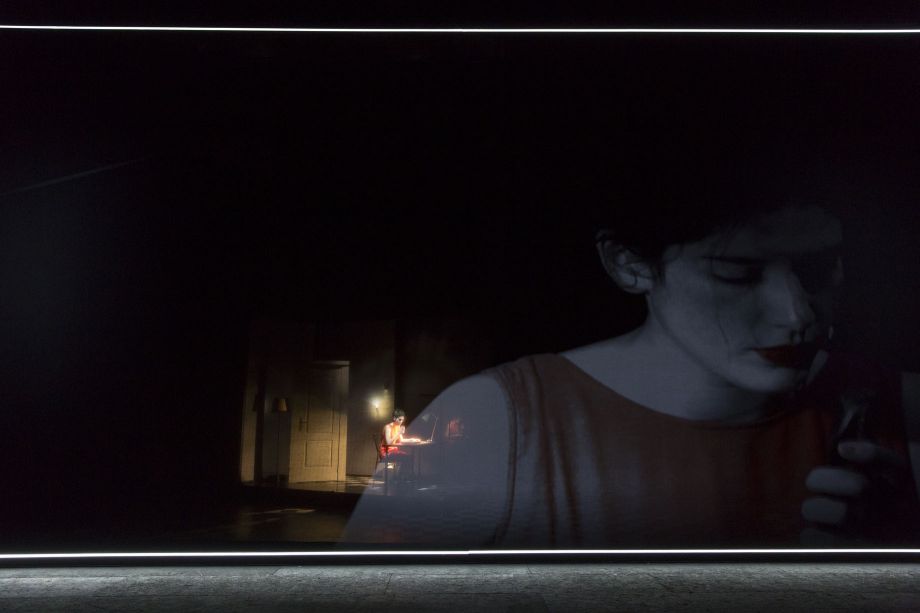
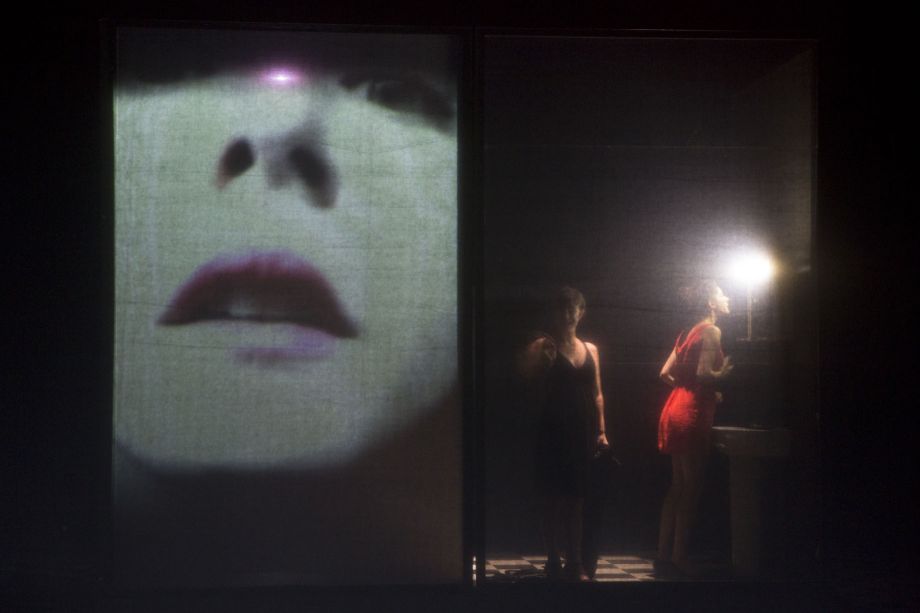
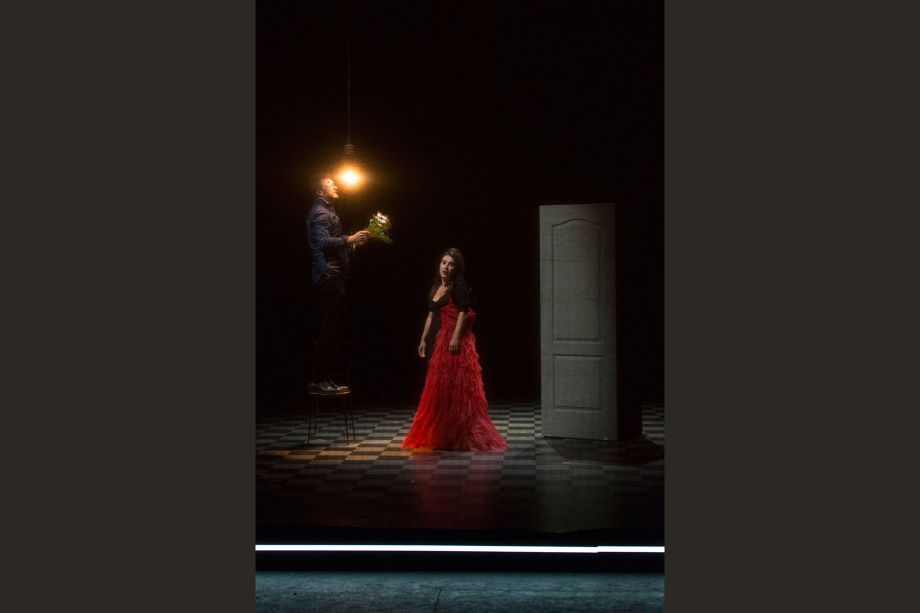
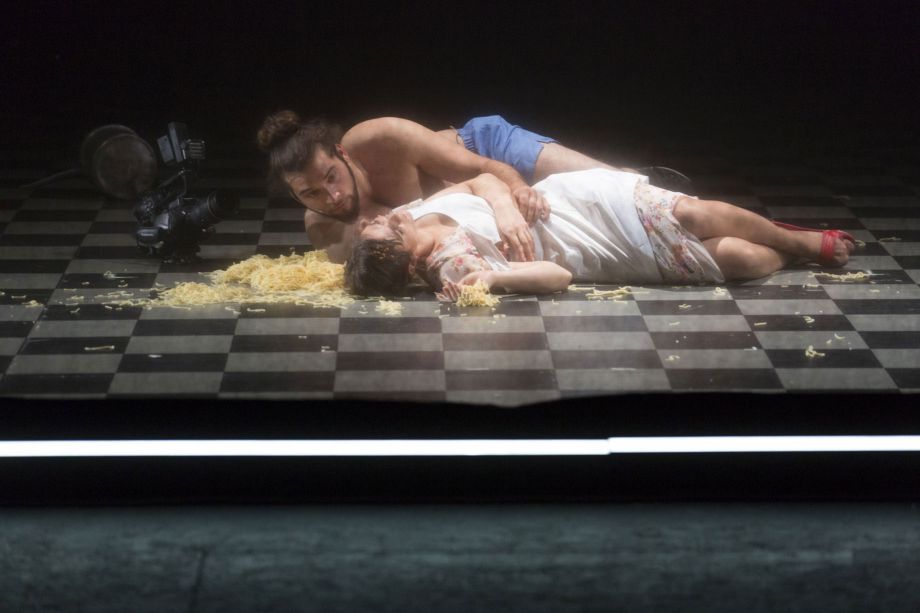
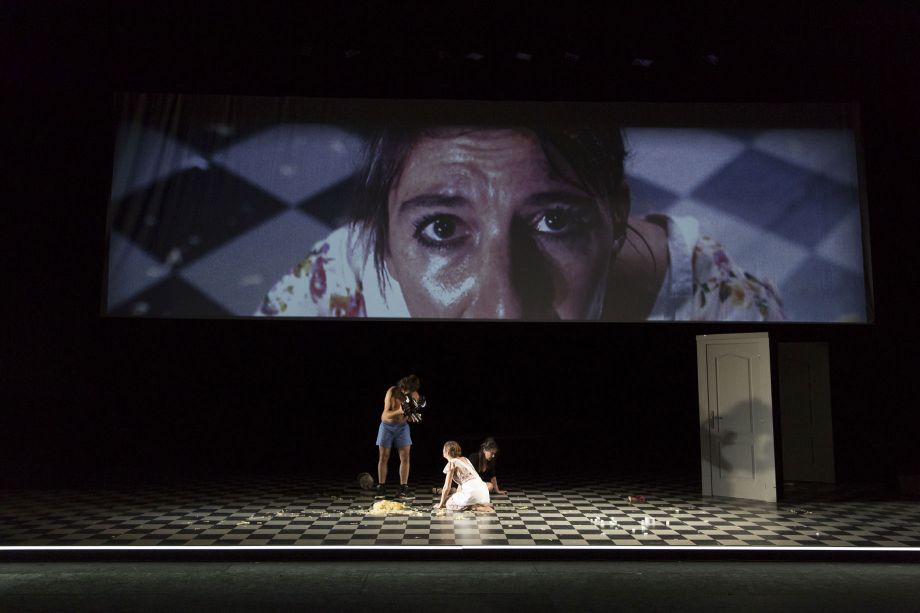
Fabrice Murgia comes from a family of workers and resistance fighters, and works on physical and visible exiles as well as inner ones. Writing about the real in a detailed way born of careful observation, he creates networks of images that unsettle and move. For Our Fear Of (Not) Being, Fabrice Murgia wanted to work on the malaise, crises, and alienations specific to our time. Among the new generations in Japan are the hikikomori, those people who refuse any contact with others and with society at large. An intentional loneliness for those who cannot stand a social pressure that has become too high and restrictive. With Our Fear Of (Not) Being, Fabrice Murgia wants to overcome the negative prejudice new technologies often suffer from to focus instead on the hope they provide for a possible reversal, for the birth of a new counter-culture. According to him, we should stop passively putting up with those new means of communication, but instead seize the opportunity they provide. After reading Michel Serres's Thumbelina, he was taken by the idea that we are entering a new era of mutation, proportionate with the one that saw writing replace speaking as the main mode of transmission or the invention of printing alter forever the status of the written word. To communicate the hope at the heart of this new mutation, six actors will “manipulate the theatre machinery, both from a technical viewpoint and from that of the story,” with the energy of a youth that have to be “more reasonable that their parents.”
Fabrice Murgia is only thirty years old and has already directed six plays, all with the Artara company, founded in 2008. It is 2009's Le Chagrin des Ogres (The Sorrow of Ogres) that turns this young actor, trained at the Royal Conservatory of Liège, into a noted director, whose unique path makes him stand out in the world of the theatre. He often uses original forms that incorporate new technologies in order to discuss generational themes, and works with a group of collaborators who complement one another: actors, performers, plastic artists, musicians, and video artists. After Life: Reset/Chronique d'une ville épuisée (Chronicle of an Exhausted City), he directed Dieu est un DJ (God is a DJ), based on a text by Falk Richter. In 2012, he created three new shows: Exils (Exiles), which reveals this sentiment shared by a generation to exist outside “a life and a way of thinking that would be their own,” Les Enfants de Jéhovah (Jehovah's Children), about the brainwashing to which cults subject their members, and Ghost Road, about those who choose to live “outside civilisation.” A common thread runs through all those shows, explored in a different way with each new project: loneliness. Loneliness will again be at the heart of Our Fear Of (Not) Being, the loneliness of those young adults who have chosen to live cut off from the rest of the world, alone in front of their computer screens, in order to escape the ever-increasing brutality of society.
Jean-François Perrier, April 2014
Text and direction Fabrice Murgia / Cie Artara
Dramaturgy collaboration Vincent Hennebicq
Artistic advice Jacques Delcuvellerie
In collaboration with Michel Serres , around his essay Petite Poucette - Editions Le Pommier
Scenography Vincent Lemaire
Lighting Marc Lhommel
Video Jean-François Ravagnan et Giacinto Caponio
Music Maxime Glaude
Direction assistant Vladimir Steyaert
With
Clara Bonnet, Nicolas Buysse, Anthony Foladore, Cécile Maidon, Magali Pinglaut, Ariane Rousseau
Production Cie Artara, Théâtre National (Bruxelles)
Coproduction L'Aire Libre (Saint-Jacques-de-la-Lande), Comédie de Caen Centre dramatique national de Normandie, Comédie de Saint-Étienne Centre dramatique national, Comédie de Valence Centre dramatique national Drôme-Ardèche, Le Groupov (Liège), Maison de la Culture de Tournai / NEXT Festival, Le manège.mons et la Fondation Mons 2015 - Capitale européenne de la Culture, Théâtre de Grasse, Théâtre de Liège, Théâtre de Namur, Théâtre des Bergeries (Noisy-le-Sec), Théâtre Dijon-Bourgogne Centre dramatique national, Le Carré Sainte-Maxime
Avec le soutien de la Fédération Wallonie-Bruxelles, Wallonie-Bruxelles International, Centre Wallonie Bruxelles / Paris, DIESE # Rhône-Alpes, Eubelius, Riva Audio, SABAM for culture, Franco Dragone Entertainment Group, Fondation BNP Paribas Fabrice Murgia est artiste associé au Théâtre National-Bruxelles
Booklet (in French)
Download the pdf
Interview with FABRICE MURGIA
Download the pdf
More informations about
NOTRE PEUR DE N'ÊTRE on
Pearltrees