
Text and direction
GIANINA CARBUNARIU
Sibiu
National Premiere
Representation in Romanian with French and English surtitles
Running time 2h
Prices : from €28 to €10
The work of Gianina Carbunariu is published by éditions Actes Sud-Papiers and éditions L’Espace d’un instant.
|
T 3 |
F 4 |
S 5 |
S 6 |
M 7 |
T 8 |
W 9 |
T 10 |
F 11 |
S 12 |
S 13 |
M 14 |
T 15 |
W 16 |
T 17 |
F 18 |
S 19 13h |
S 20 13h |
M 21 13h |
T 22 13h |
W 23 |
T 24 13h |
F 25 13h |
S 26 13h |
S 27 13h |
|
Solitaritate © Christophe Raynaud de Lage
© LA COMPAGNIE DES INDES
© theatre-contemporain.net
Solitaritate © Christophe Raynaud de Lage
Solitaritate © Christophe Raynaud de Lage
Solitaritate © Christophe Raynaud de Lage
Solitaritate © Christophe Raynaud de Lage
Solitaritate © Christophe Raynaud de Lage
Solitaritate © Christophe Raynaud de Lage
Solitaritate © Christophe Raynaud de Lage
Solitaritate © Christophe Raynaud de Lage
Solitaritate © Christophe Raynaud de Lage
Solitaritate © Christophe Raynaud de Lage
Solitaritate © Christophe Raynaud de Lage
Solitaritate © Christophe Raynaud de Lage
Solitaritate © Christophe Raynaud de Lage
Solitaritate © Christophe Raynaud de Lage
Solitaritate © Christophe Raynaud de Lage
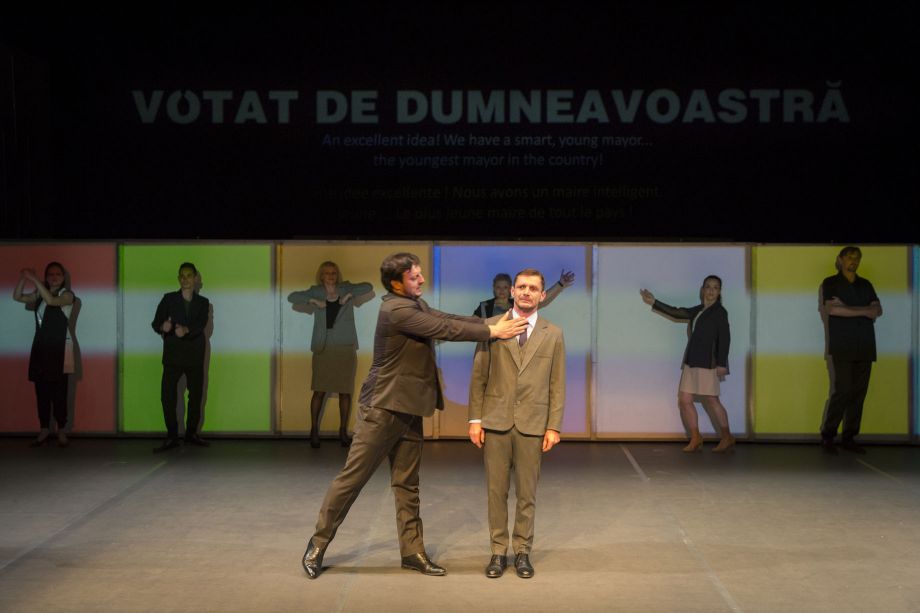
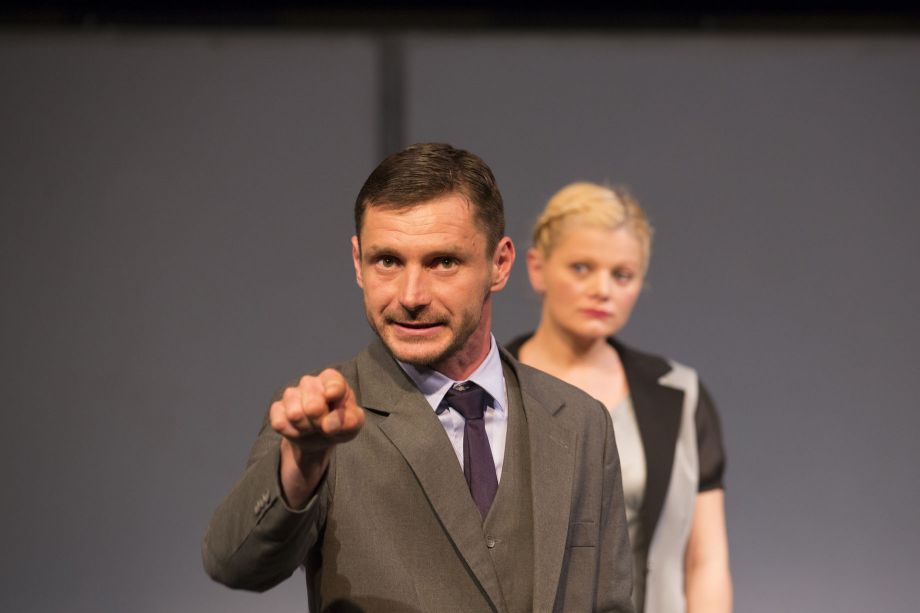
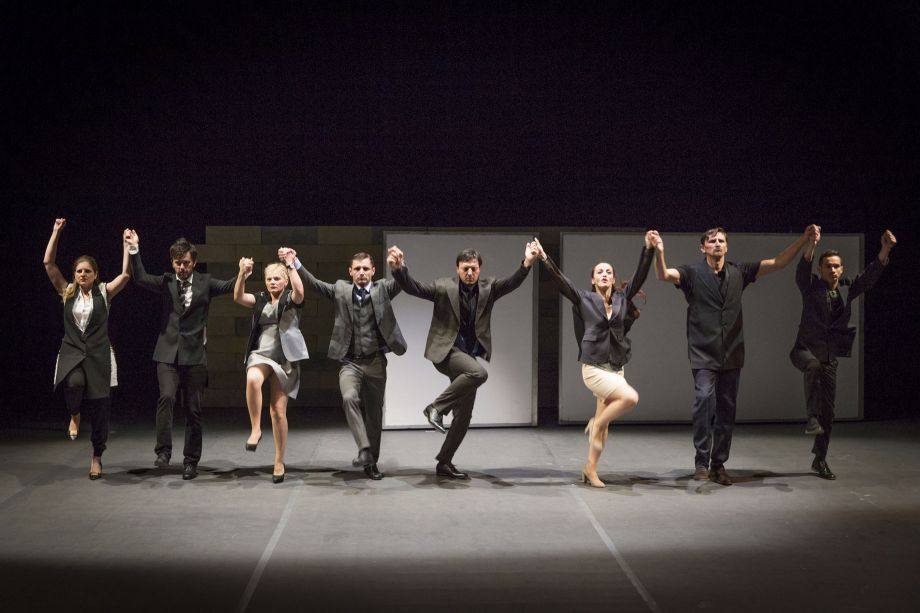
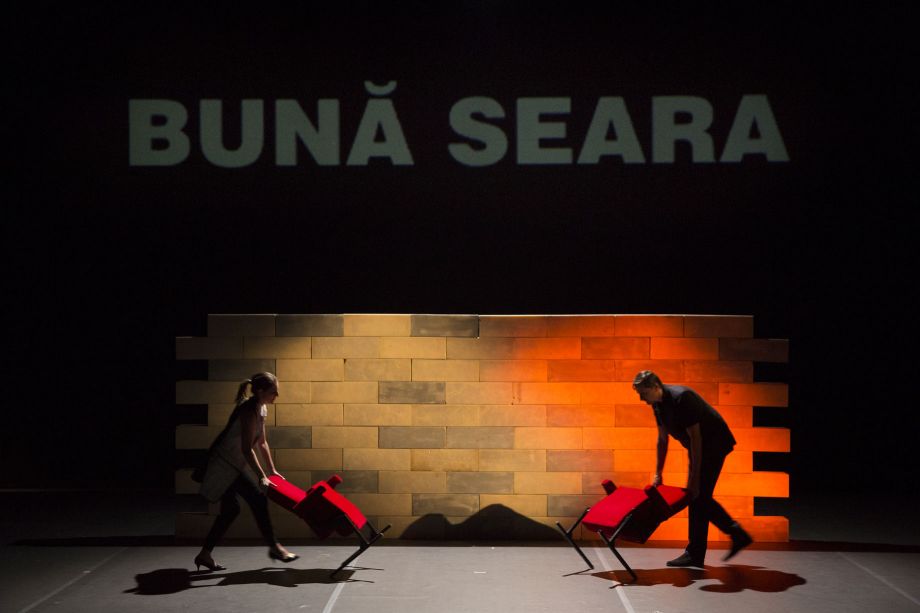
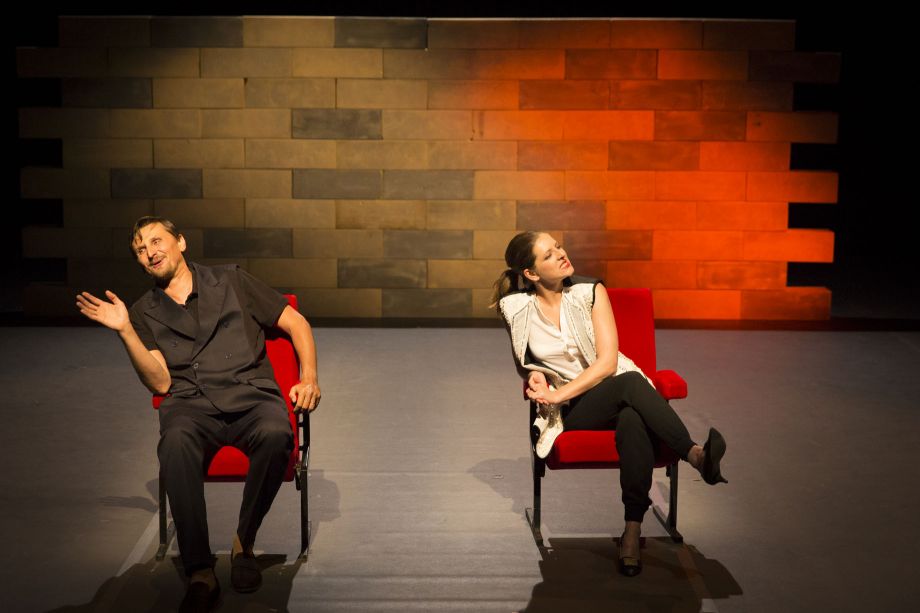
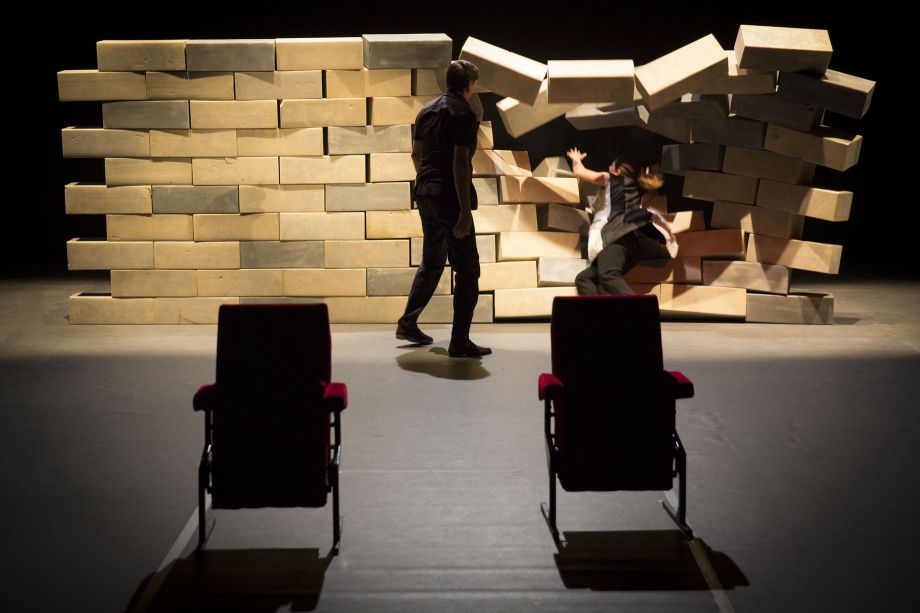
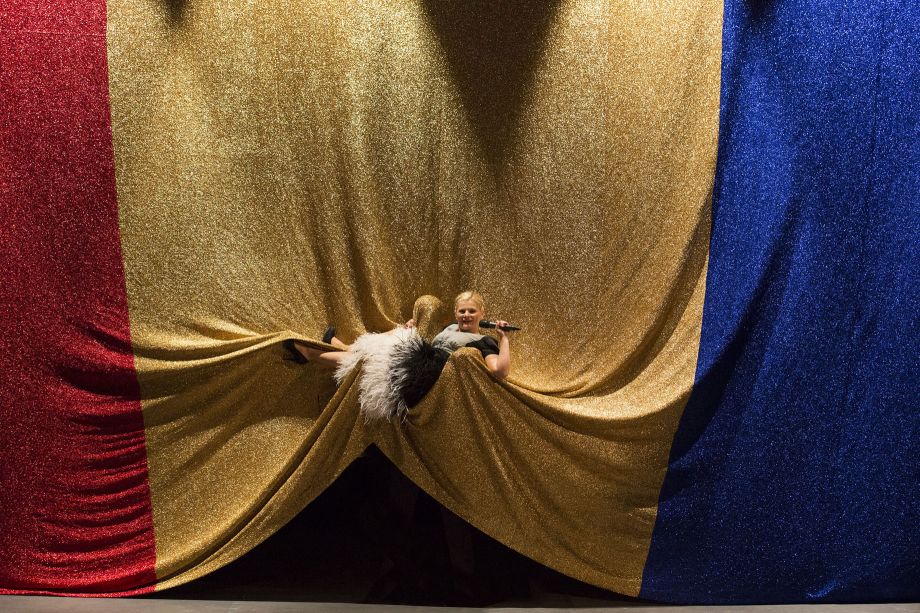
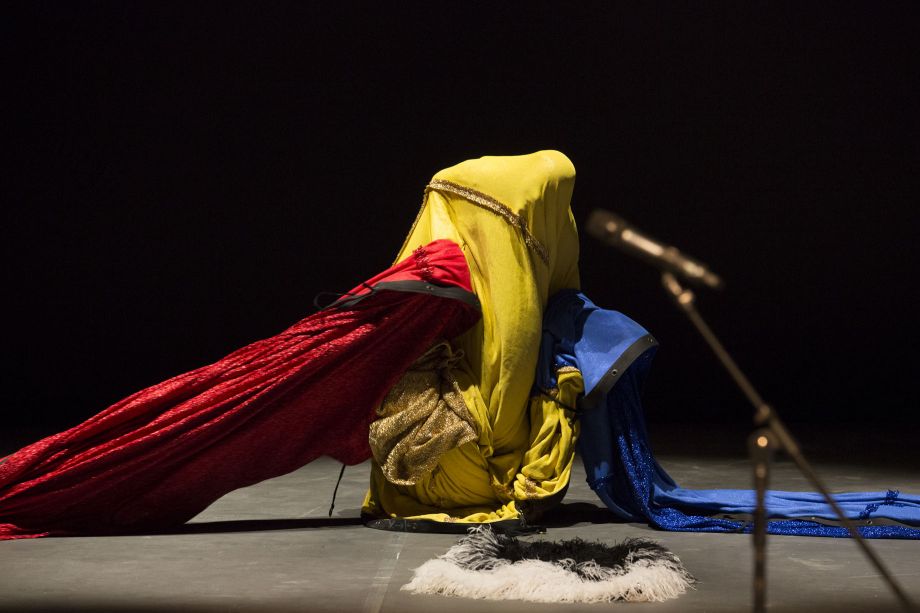
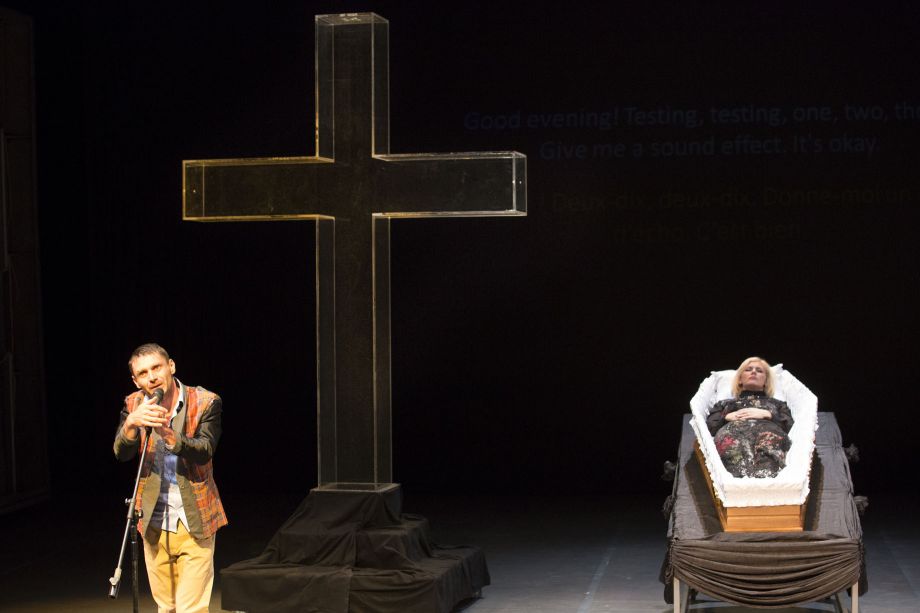
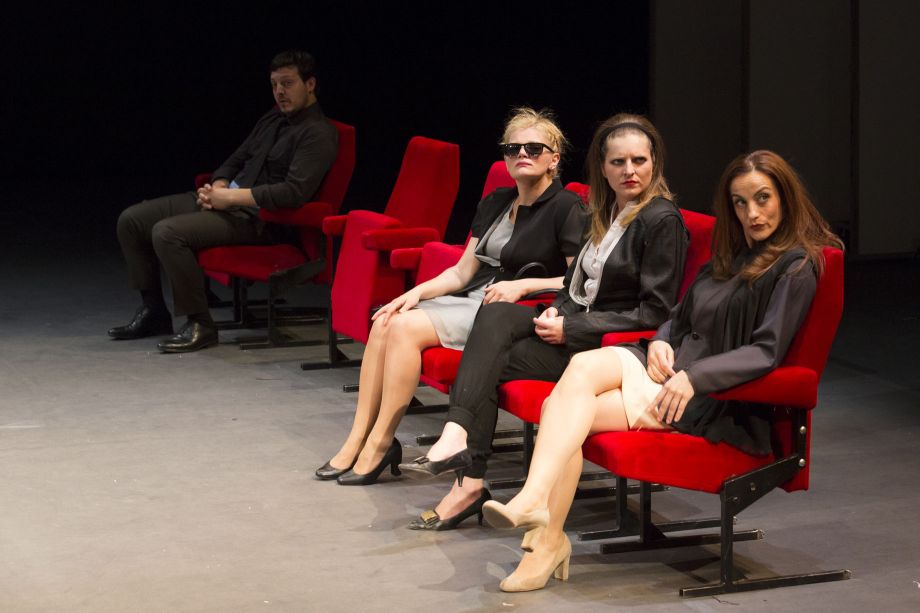
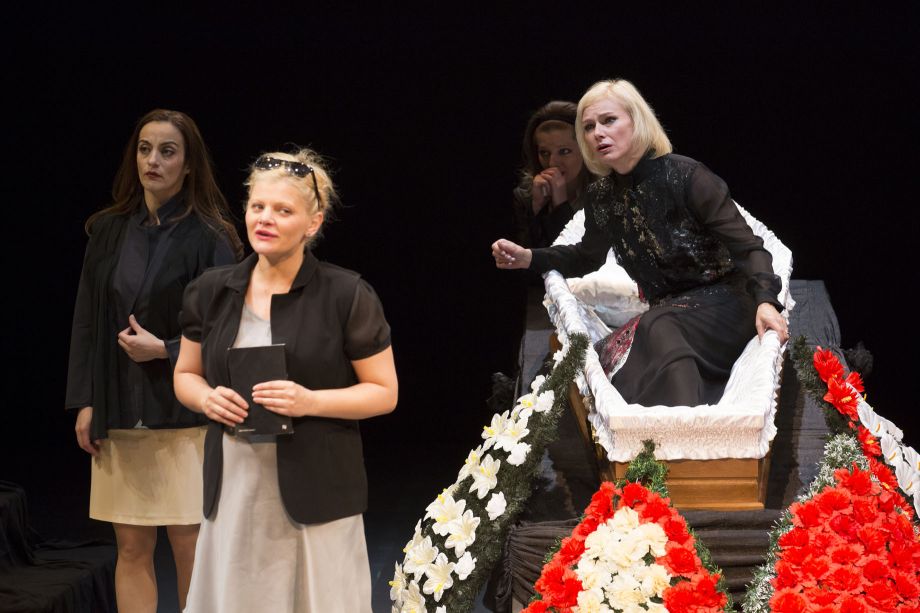
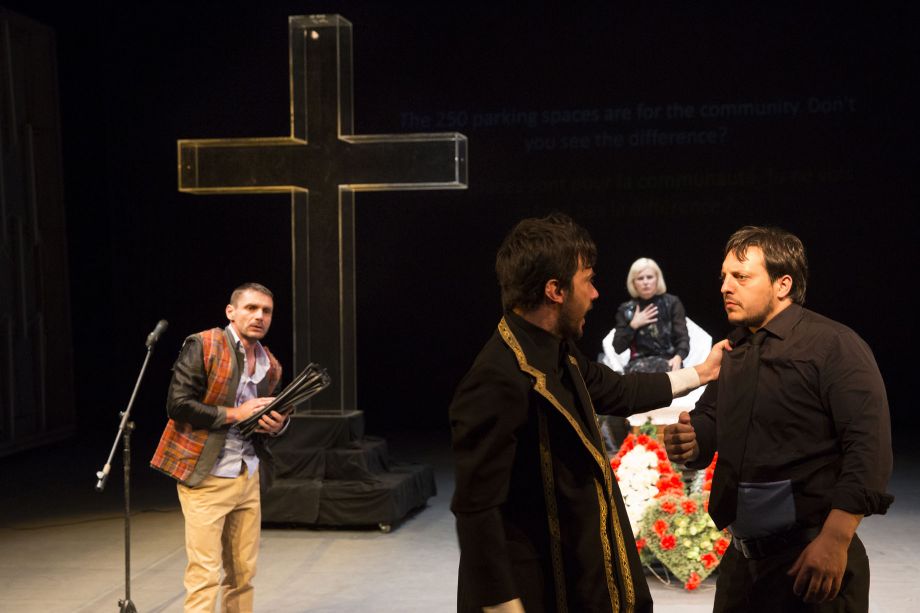
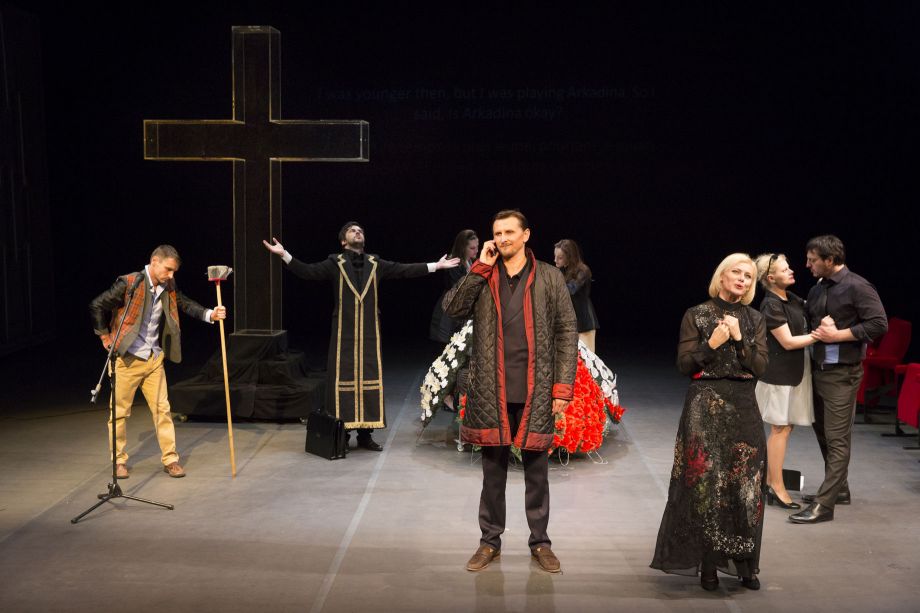
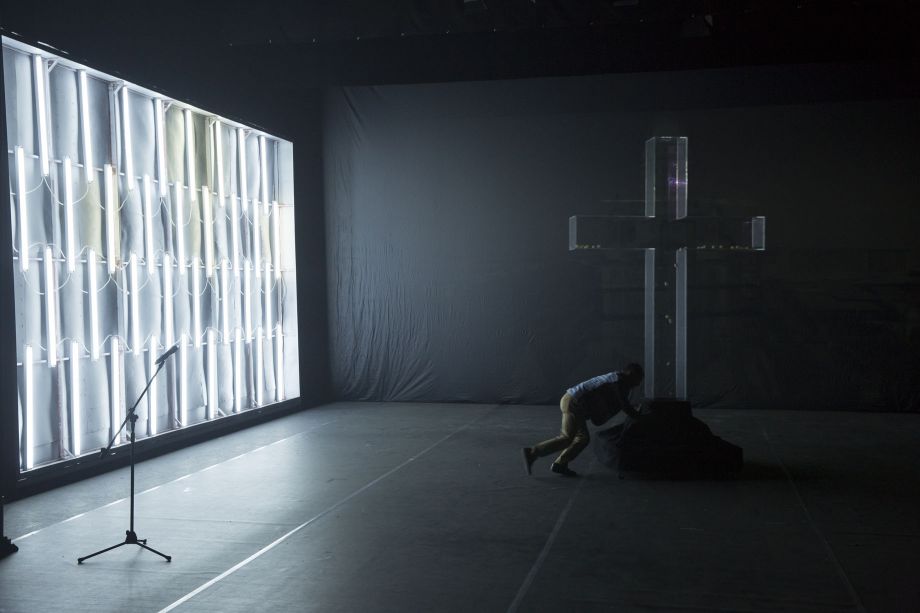
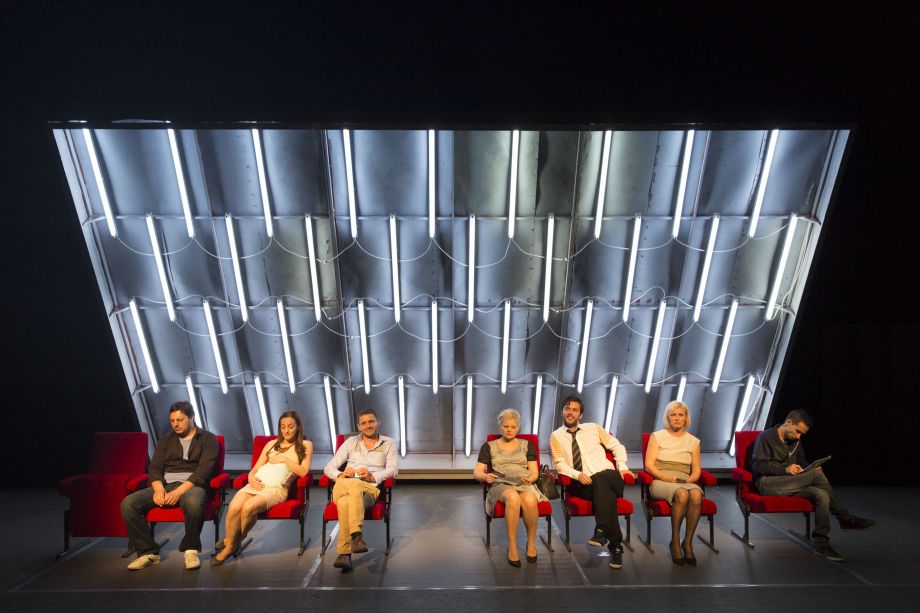
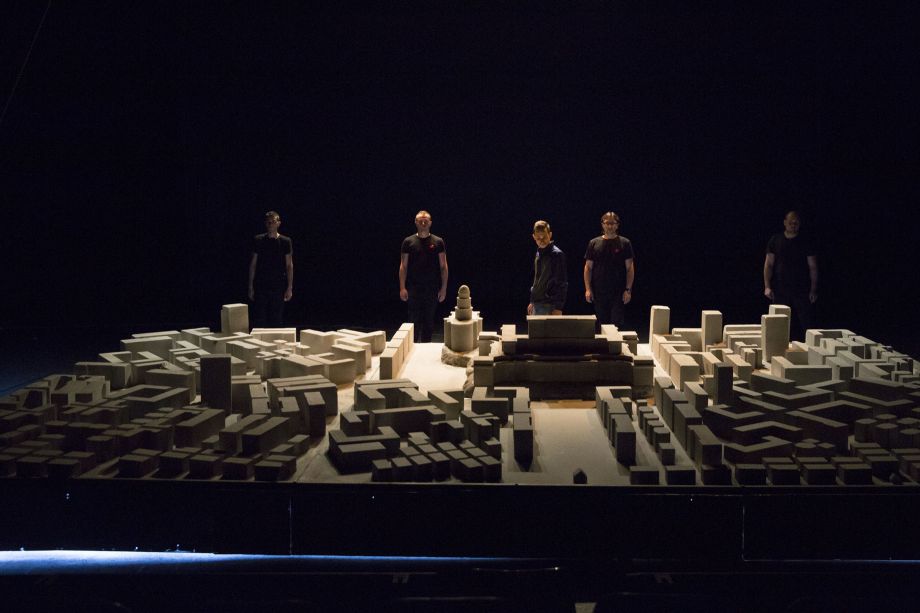
It all begins with the division of the room in which the audience is sitting. The actors trade rows of seats, leaving us the powerless pawns of some strange strategy game. Are they playing Battleships, or Monopoly®? Throughout Gianina Cărbunariu's play, the questions of positioning, posture, migration, property, and of the relationship between public and private sphere come back time and again. Civil servants discuss the optimal height of the wall—sorry, of the line of demarcation—which, in the city of Baia Mare, is to stand between the “historical” population and the Roma community. A couple weigh the pros and cons of hiring a Filipino nanny to help at home. A dead theatre icon, Eugenia Ionesco, is to be moved to the people's cemetery after her son sells her prestigious plot. In five sequences, Gianina Cărbunariu paints a harsh portrait of the Romanian urban middle class. Obsessed by a European ideal of success, it neglects its own history and what makes it unique to instead strive for the standard of living promoted by the media and by Brussels. Deftly using caricature and irony, Gianina Cărbunariu provides with Solitaritate, commissioned by the Villes en Scène/Cities on Stage project, an epic political show, critical towards her own country, but also towards Europe as a whole.
Born in 1977, Gianina Cărbunariu came of age and trained as a director in postcommunist Romania. In 2002, after graduating from the National University of Theatre and Film in Bucharest, she co-founded dramAcun, a structure whose goal is to deeply change the world of Romanian theatre by focusing on local contemporary creations, against all forms of formal and ideological conservatism. It is in this context that she writes, at first for her own actors, two plays: Stop the Tempo, in which three youths, lost and lonely, decide to blow the fuses of all the nightclubs, supermarkets, and theatres of their town, and Kebab, about the European dream and the exile of Romania's young generations to Ireland. Those two aspects are representative of Gianina Cărbunariu's theatre, tough and uncompromising, oscillating between revolt and disillusionment. Shown in theatres all around the world, her plays offer an alternative look at modern Romania while also forcing us to think about western representations of progress and success. They may also be the beginning of a new political European theatre, originating from the East, which faces head-on the issues of the European model of community integration, identitarian closure, and collective action.
Renan Benyamina, April 2014
Horizontal Journal by Dan Perjovschi
Artist Dan Perjovschi created free expression boards that festival-goers can discover and enrich with their own texts and drawings, to grapple with the issues of the city and of our modern society. Created for the Radu Stanca National Theatre in Sibiu, Romania, Horizontal Journal follows Solitaritate on tour within the framework of the European project Moving Cities/Villes en Mouvement, which aims to strengthen the link between citizens and artistic creation.
19-27 July / Lycée Mistral, La FabricA ans the site Louis Pasteur of the University of Avignon
Text and direction Gianina Cărbunariu
Scenography, lighting and video Andu Dumitrescu
Music Bogdan Burlăcianu
Choreography Florin Fieroiu
Costumes Andrei Dinu
Avec
Florin Coşuleţ Personnage 5, Le représentant de la communauté rom,
Le fils, Cosmin, Le frère de l'épouse du chauffeur de taxi
Ali Deac Personnage 9, Le jeune, Le chauffeur de taxi Adi
Diana Fufezan Personnage 7, Conseiller 2, La deuxième actrice, Andreea, L'épouse du frère
Adrian Matioc Personnage 6, Il, Le camarade Marian
Mariana Mihu Personnage 3, Le conseiller 1, Eugenia Ionescu, La mère du chauffeur de taxi et de Corina
Ofelia Popii Personnage 2, Conseiller 3, La nounou philippine, Le critique
de théâtre, Corina, La soeur du chauffeur de taxi
Cristina Ragos Personnage 8, Elle, La première actrice
Ciprian Scurtea Personnage 4, Le prêtre, Cristi, L'agent de recouvrement
Marius Turdeanu Personnage 1, Le maire, Le technicien, Matei, Le mari de Corina
Production Théâtre National Radu Stanca Sibiu, Théâtre National/bruxelles
Coproduction Festival d'Avignon
With the support of Programme Culture de l'Union européenne, within the framework of Villes en Scène/Cities on Stage, Fondation BNP Paribas
Hosting in collaboration with the Rumanian Cultural Institut
Booklet (in French)
Download the pdf
Interview with GIANINA CARBUNARIU
Download the pdf
More informations about SOLITARITATE on
Pearltrees