
© La Compagnie des Indes

Conception HOFESH SHECHTER
Londres
Creation 2015
Running time 1h30
Prices : from €28 to €10
|
S 4 |
S 5 |
M 6 |
T 7 |
W 8 |
T 9 |
F 10 |
S 11 |
S 12 17h |
M 13 13h 17h |
T 14 13h 17h |
W 15 13h |
T 16 |
F 17 |
S 18 |
S 19 |
M 20 |
T 21 |
W 22 |
T 23 |
F 24 |
S 25 |
|
barbarians © Christophe Raynaud de Lage
© La Compagnie des Indes
barbarians © Christophe Raynaud de Lage
barbarians © Christophe Raynaud de Lage
barbarians © Christophe Raynaud de Lage
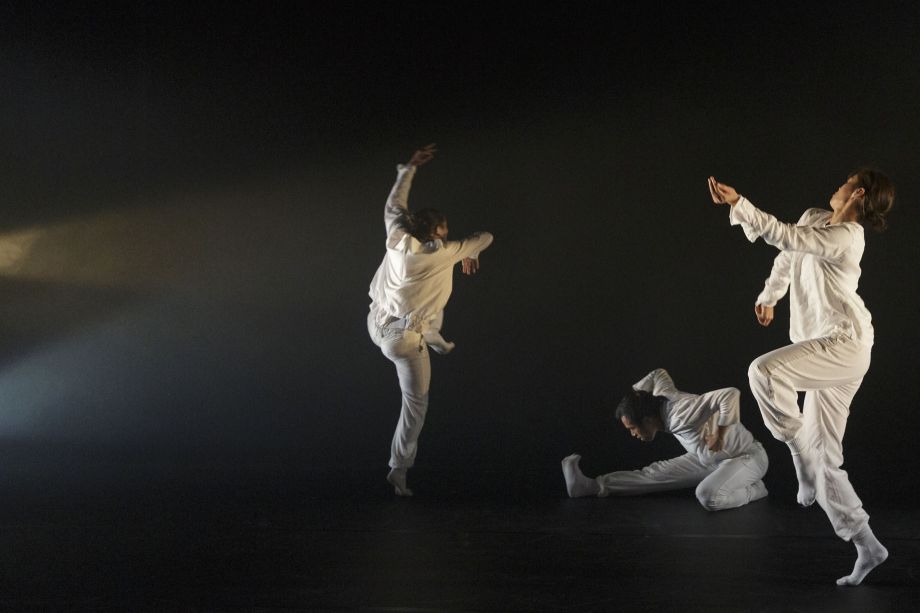
barbarians © Christophe Raynaud de Lage
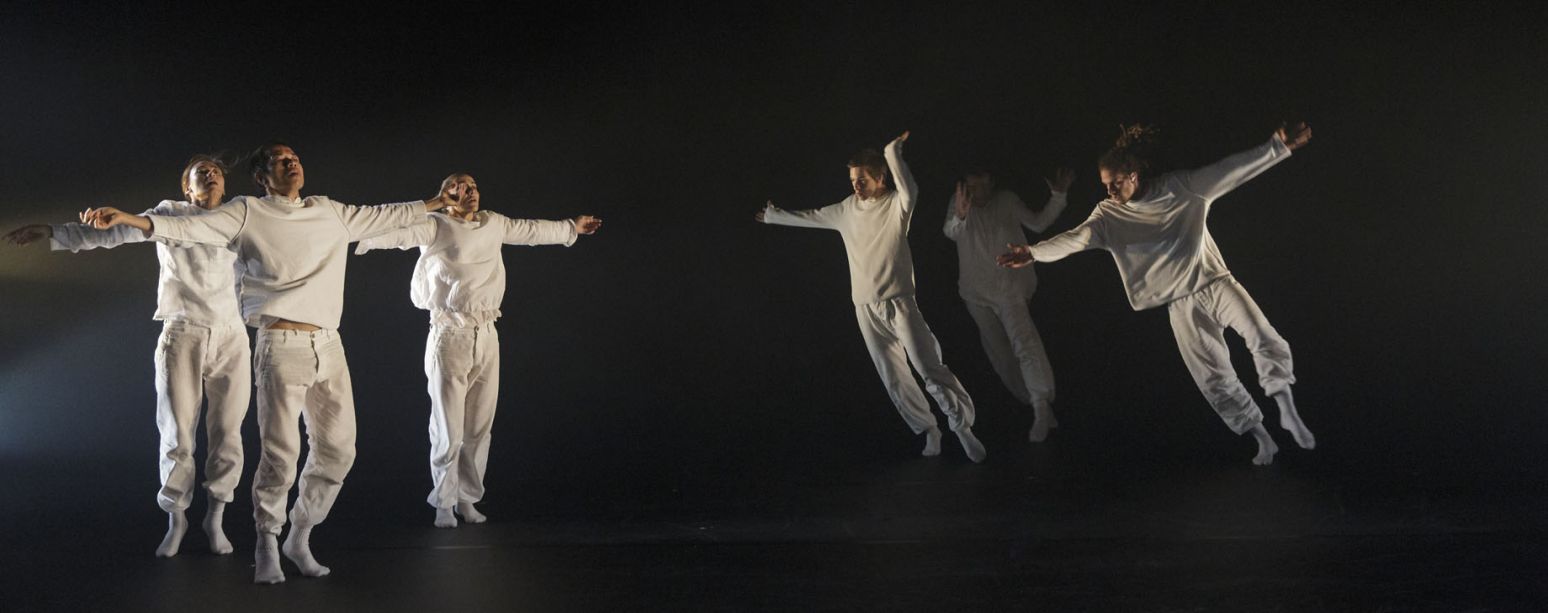
barbarians © Christophe Raynaud de Lage
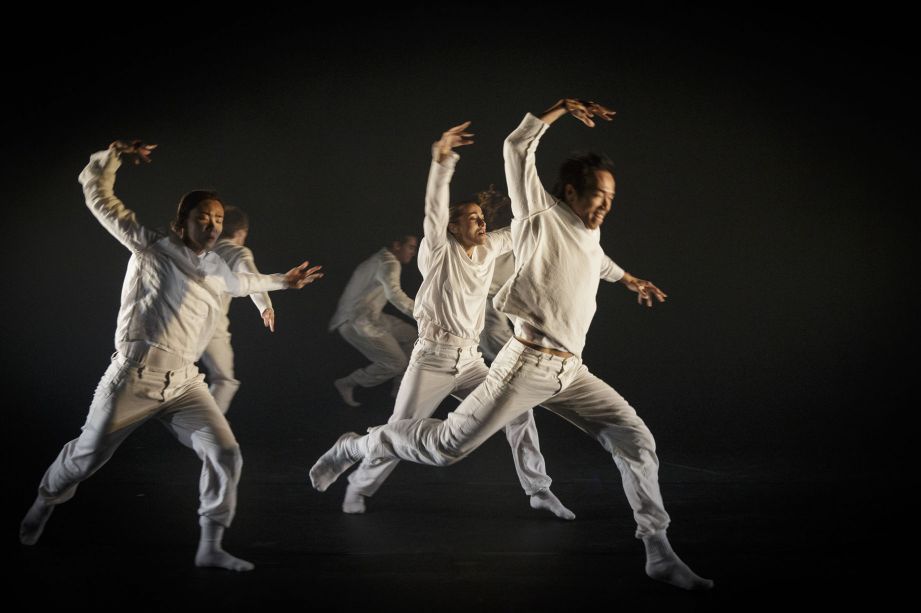
barbarians © Christophe Raynaud de Lage
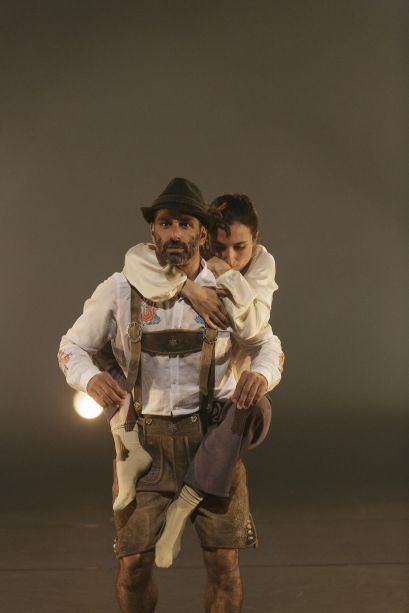
barbarians © Christophe Raynaud de Lage
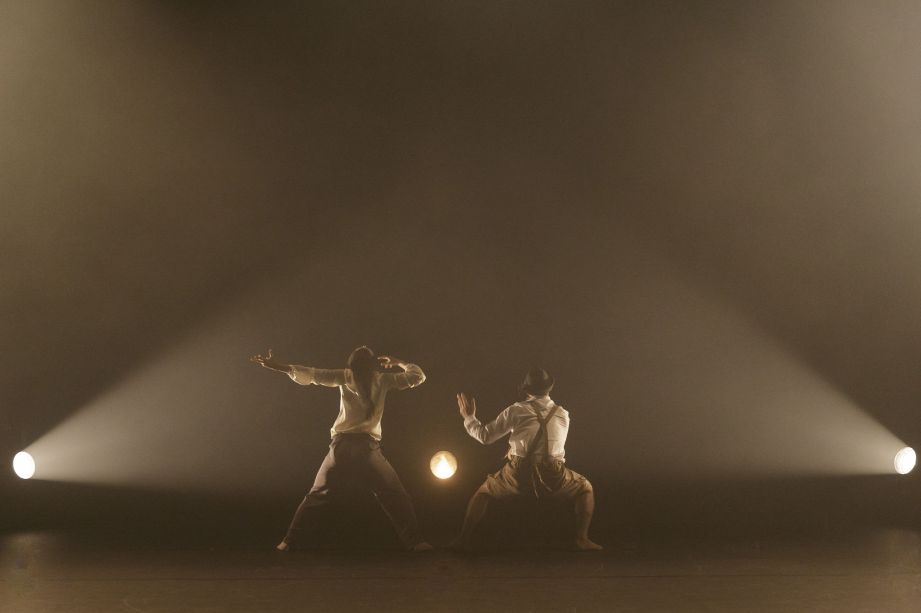
barbarians © Christophe Raynaud de Lage
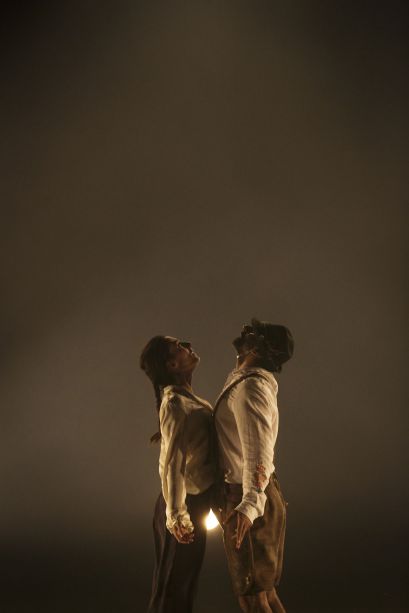
barbarians © Christophe Raynaud de Lage
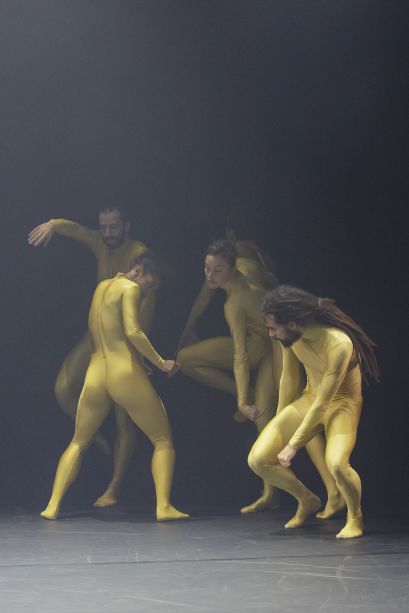
barbarians © Christophe Raynaud de Lage
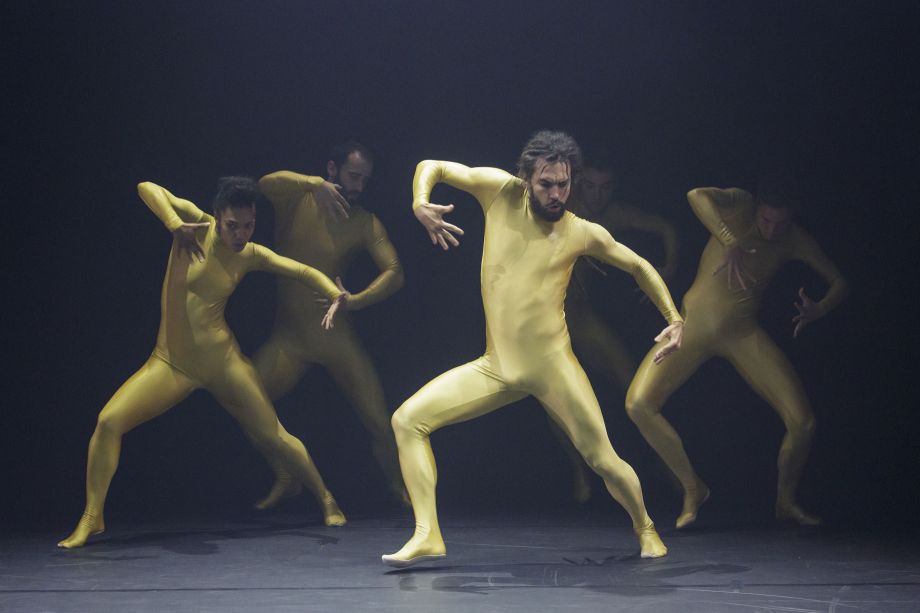
barbarians © Christophe Raynaud de Lage
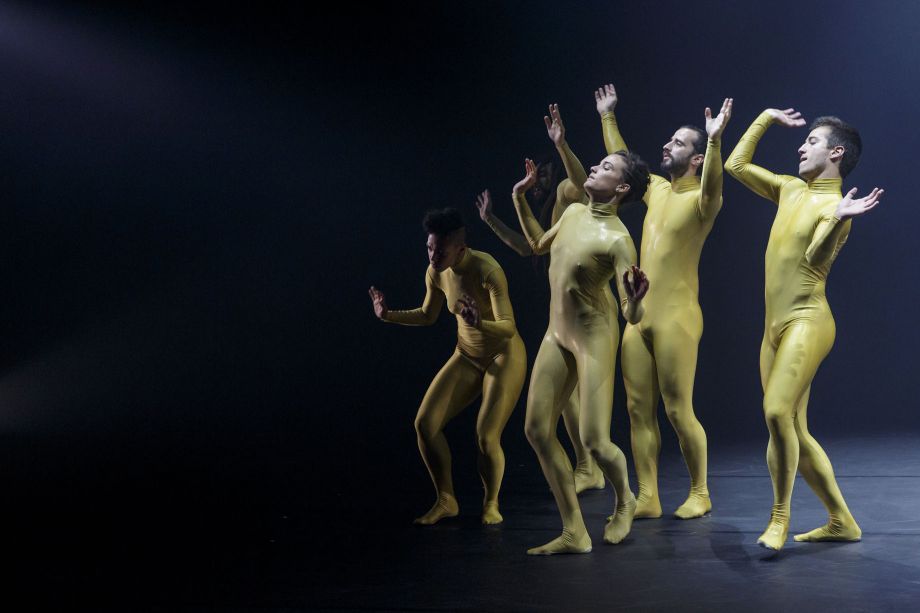
barbarians © Christophe Raynaud de Lage
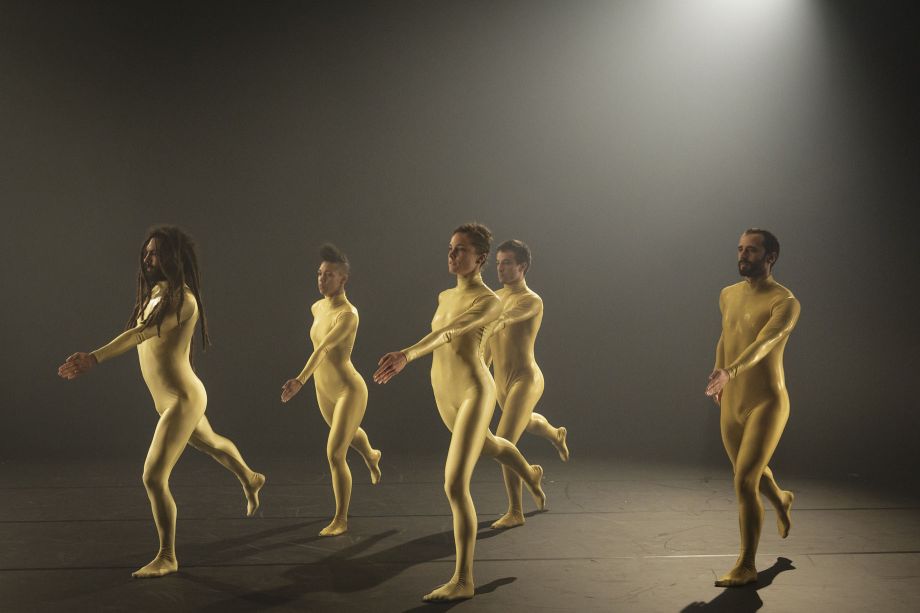
barbarians © Christophe Raynaud de Lage
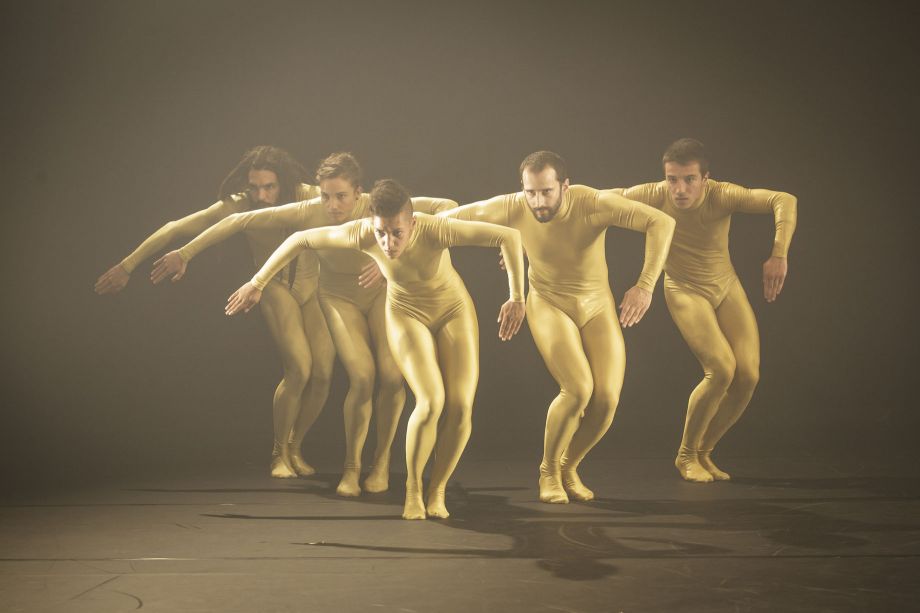
barbarians © Christophe Raynaud de Lage
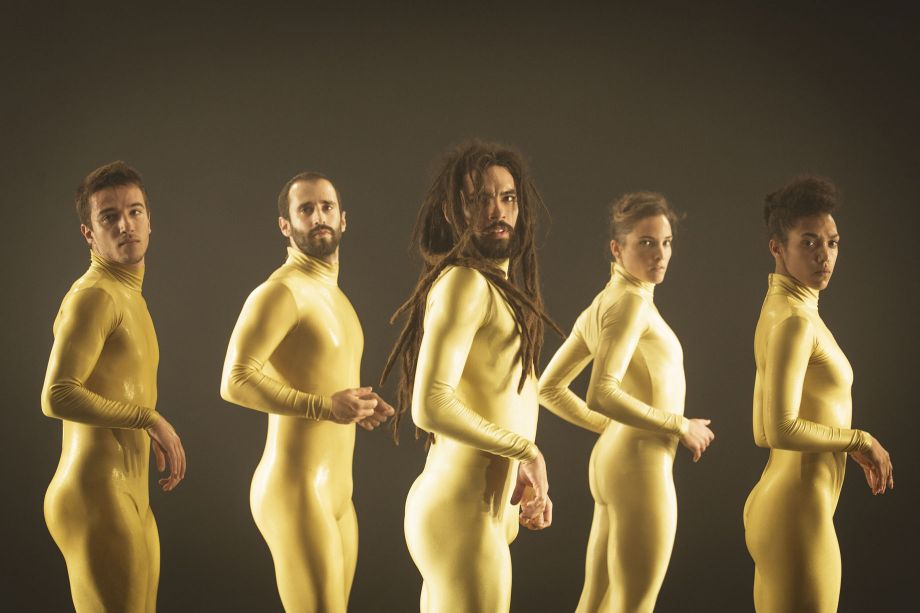
barbarians © Christophe Raynaud de Lage
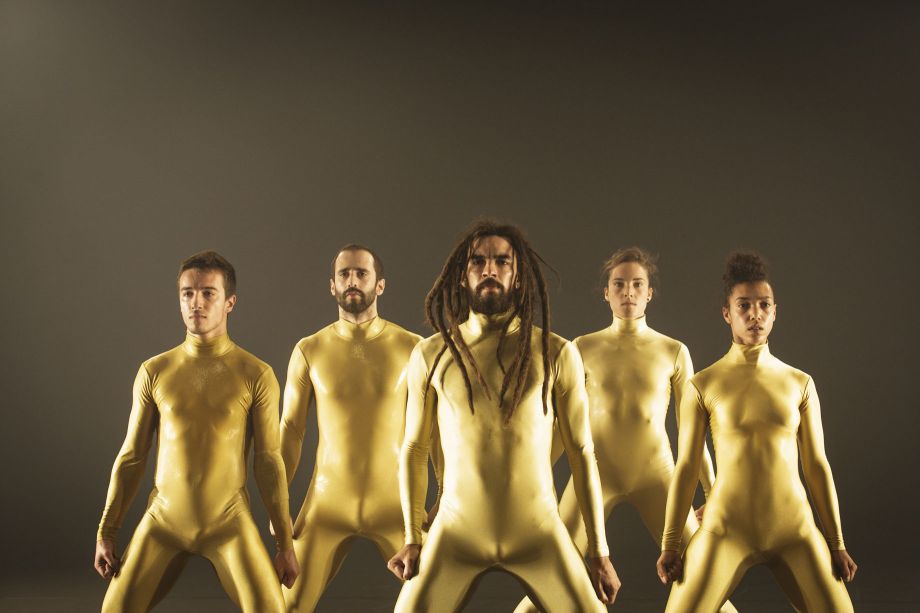
barbarians © Christophe Raynaud de Lage
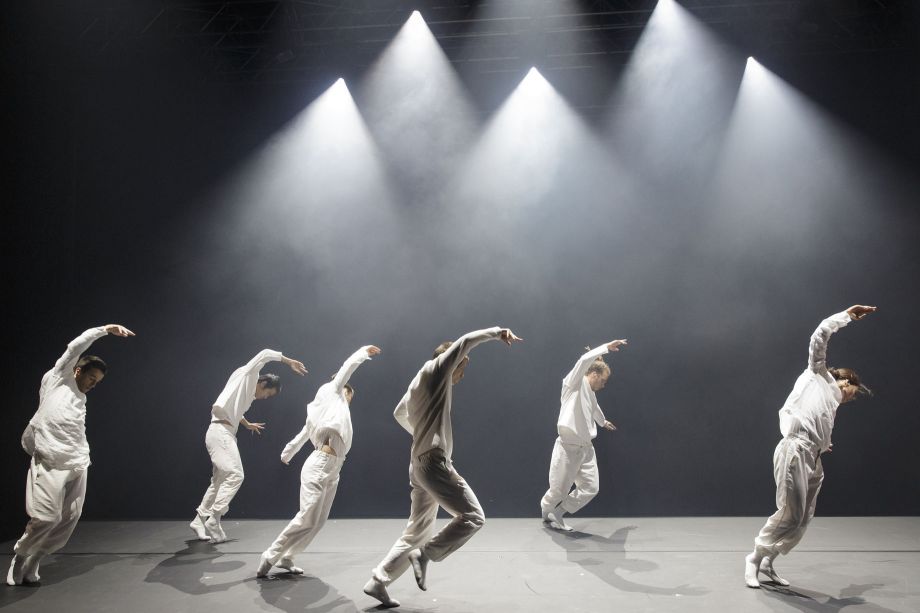
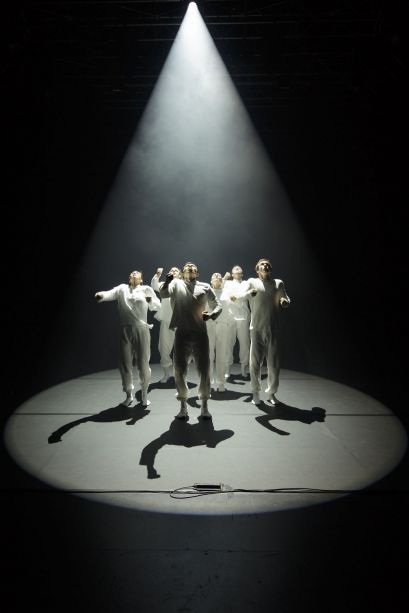
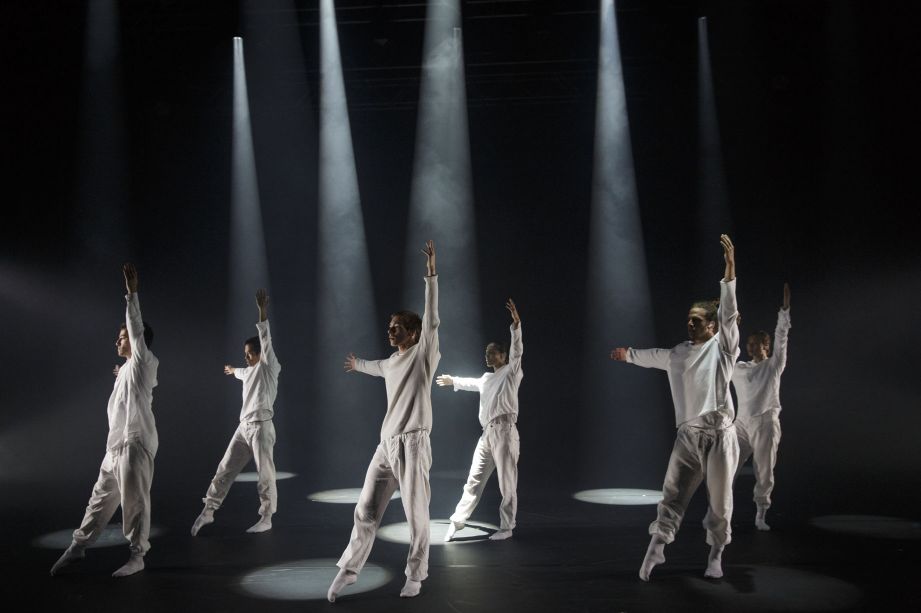
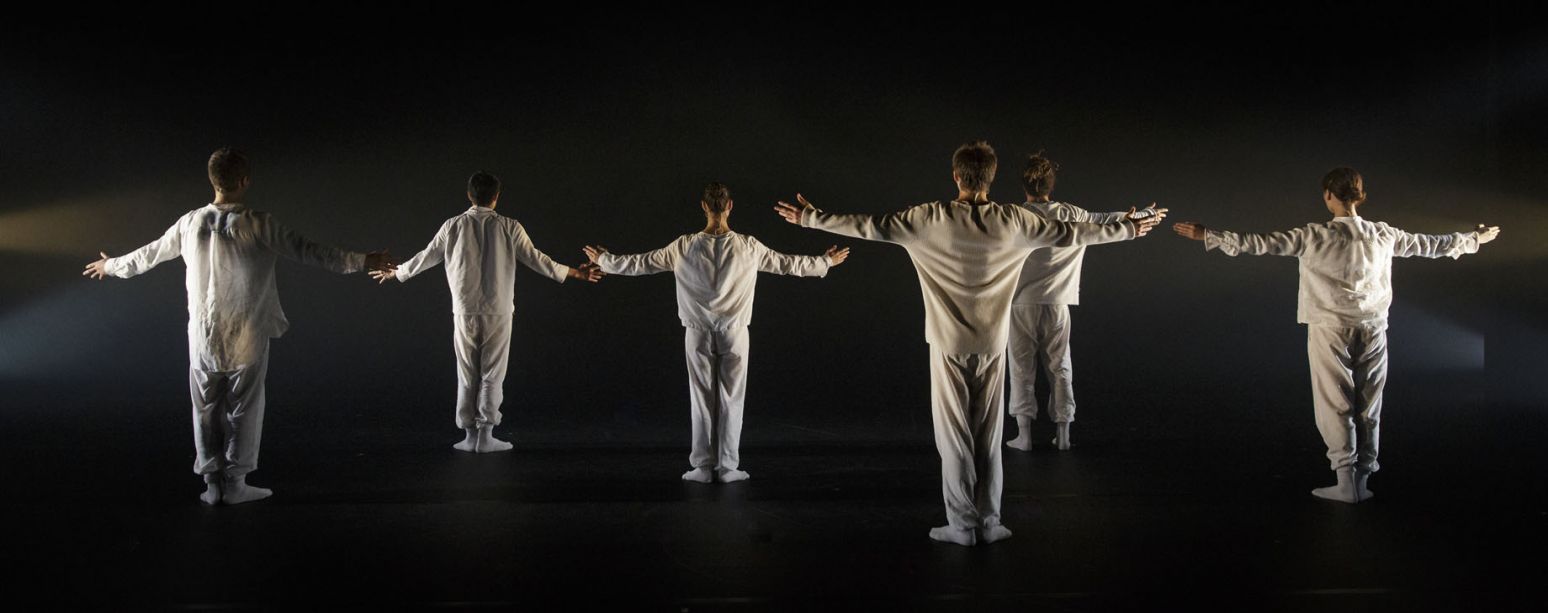
Who are those barbarians Hofesh Shechter refers to in the title of his trilogy? Are they creatures deprived of both language and culture, or simply immature youths our instincts would want us to help train? The London choreographer likes allusions and invitations to think, not so much explanations. We can feel what's going on here has to do with instincts, though, a journey along the border between the beastly and the human. In the first part of this triptych, the barbarians in love, six dancers are trapped in a classroom, where lessons on law and order, good and evil are drilled into their heads. A constant electric buzzing interferes with the music, by François Couperin. The dancers alternate between academic postures and tribal movements to the point of schizophrenia, and the tension between classical elevation, the baroque quest for perfection, and the weighty physicality dear to Hofesh Shechter's choreographic language never lets up. Over the course of those three pieces, the audience becomes immersed in wildly different elements that are all nonetheless equally enveloping. The fog, the commitment of the bodies, the repeated assaults on the stage, and the power of rhythms and of the electronic music all combine to provide a sensorial experience which, contrary to what the title may suggest, progressively becomes more introspective and contemplative. A territory on which Hofesh Shechter had so far rarely set foot...
A resident of London, Hofesh Shechter, who originally worked as a performer before becoming a choreographer, founded his company in 2008 and has since then created experiences of rare power, in which bodies, both the dancers' and the audience's, vibrate intensely. His telluric dance, which borrows from rock and folklore as well as from more classical forms, leads to astonishing, trancelike states. His career, first with Tel Aviv's Batsheva Dance Company, directed by Ohad Naharin, then with choreographers like Wim Vandekeybus, gives us hints as to the origins of this astounding physical engagement. If his work communicates an animal, sometimes even martial, energy, like in Political Mother, a successfull production since 2010, it must be because it is about the human: the tensions between the individual and the community, between free will and authority. And if the audience is at first shocked by a sort of electric current, they can also soon perceive an undercurrent of tenderness, of irony, even of melancholy. Hofesh Shechter, who also composes the music of his pieces, is like a shaman who leads us through communal experiences of introspection.
First part : the barbarians in love
Choreography and music Hofesh Shechter
Light collaboration Lawrie McLennan
Voices Victoria with Natascha McElhone
Additionnal music François Couperin : Les Concerts royaux, 1722, Jordi Savall & Le Concert des Nations (2004)
Second part : tHE bAD
Choreography and music Hofesh Shechter created with the dancer Maëva Berthelot, Sam Coren, Erion Kruja, Philip Hulford et Kim Kohlmann
Light collaboration Lawrie McLennan
Costumes Amanda Barrow
Additionnal music Mystikal, Pussy Crook tiré de l'album Tarantula (2001) et
Hespèrion XX, Jordi Savall, Paavin of Albarti (Alberti) tiré de l'album Elizabeth Consort Music 1558-1603 (1998)
Third part: Two completely different angles of the same fucking thing
Choreography Hofesh Shechter
Created with the dancer Bruno Guillore, Winifred Burnet-Smith et Hannah Shepherd
Collaboration lumière Lawrie McLennan
Additionnal music Abdullar Ibrahim, Maraba Blue tiré de l'album Cape Town Flowers (1997), Hespèrion XX, Jordi Savall, In Nomine V a 5 (White) tiré de l'album Elizabeth Consort Music 1558-1603 (1998) et Bredren & MC Swift, Control tiré de l'album Control (2014)
Production Hofesh Shechter Company
Coproduction Festival d'Avignon, Sadler's Wells London, Les Théâtres de la Ville de Luxembourg, Théâtre de la Ville-Paris, Berliner Festspiele - Foreign Affairs, Maison de la Danse-Lyon, HOME Manchester, Festspielhaus St. Pölten, Hessisches Staatsballett - Staaststheater Darmstadt-Wiesbaden
The Festival d'Avignon receives support of the BNP Paribas Foundation for the representations of barbarians.