
© La Compagnie Des Indes

Conception and choreography
FABRICE LAMBERT
Paris
Creation 2015
Running time 1h
Prices : from €28 to €10
|
S 4 |
S 5 |
M 6 |
T 7 |
W 8 |
T 9 |
F 10 |
S 11 |
S 12 |
M 13 16h |
T 14 16h |
W 15 16h |
T 16 16h |
F 17 16h |
S 18 |
S 19 |
M 20 |
T 21 |
W 22 |
T 23 |
F 24 |
S 25 |
|
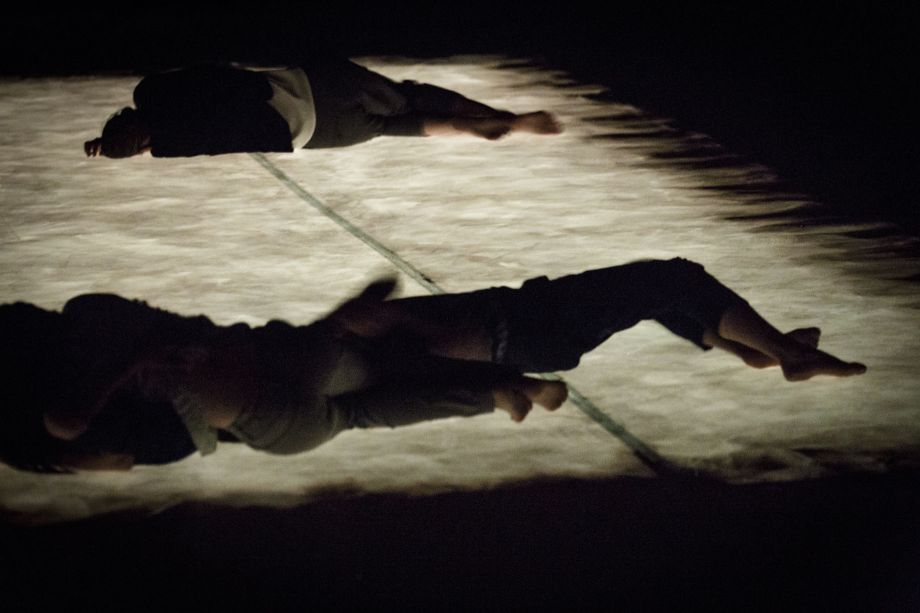
Jamais assez © Christophe Raynaud de Lage
© La Compagnie Des Indes
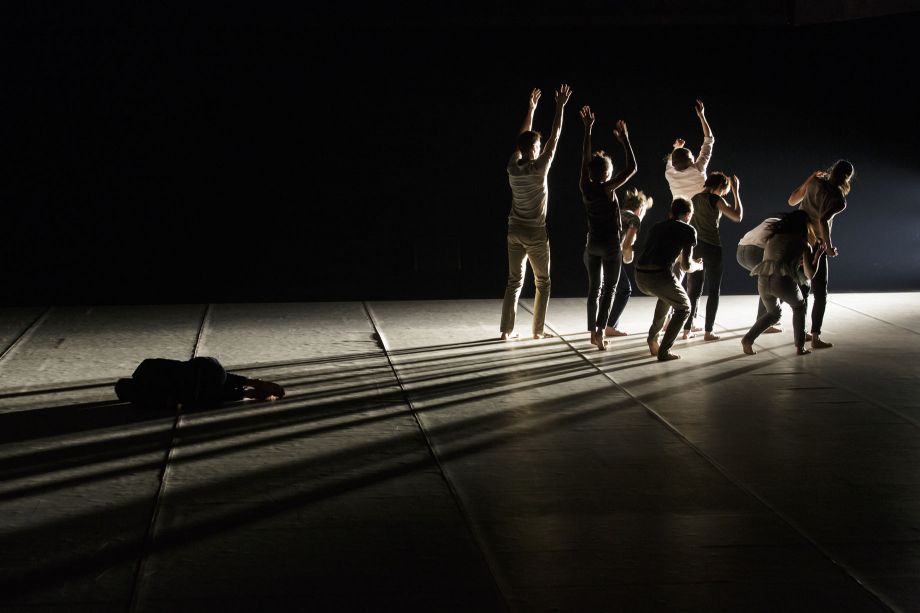
Jamais assez © Christophe Raynaud de Lage
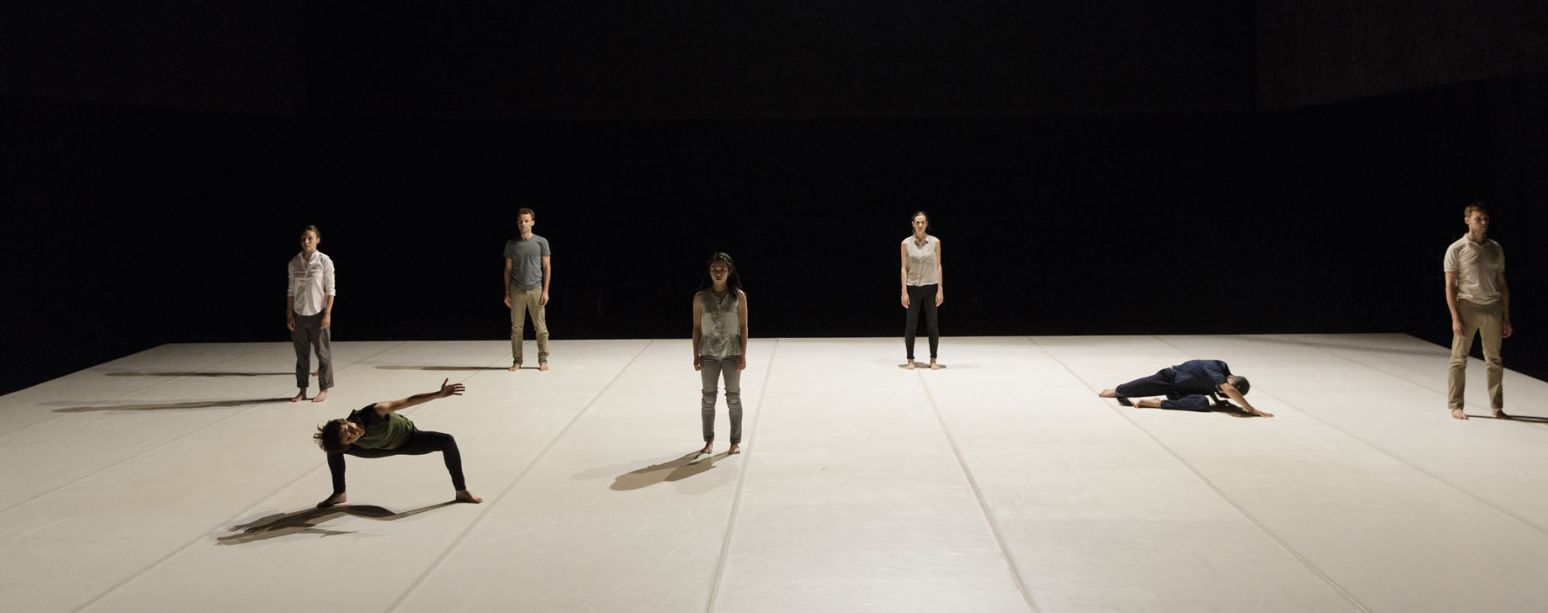
Jamais assez © Christophe Raynaud de Lage
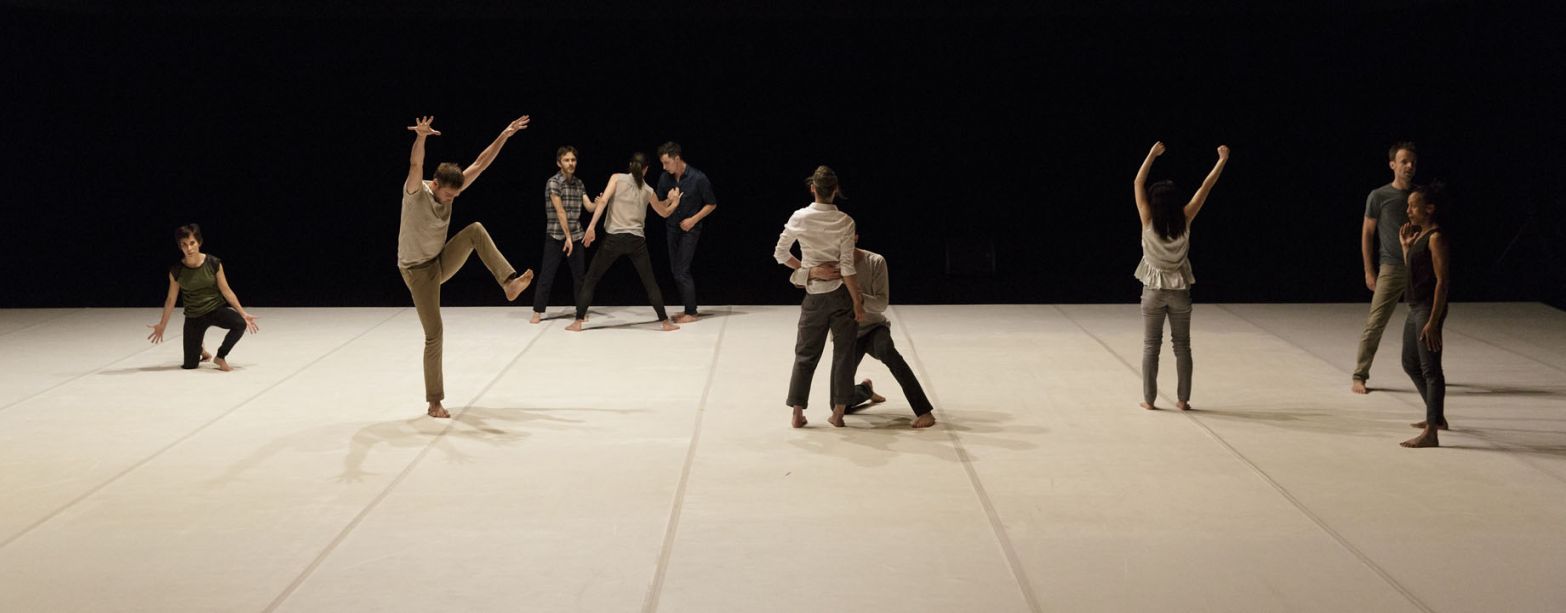
Jamais assez © Christophe Raynaud de Lage
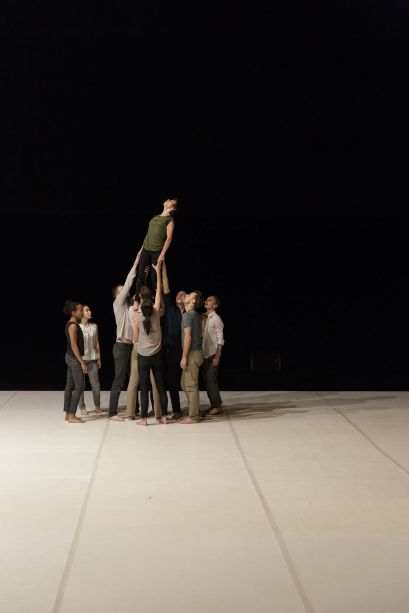
Jamais assez © Christophe Raynaud de Lage
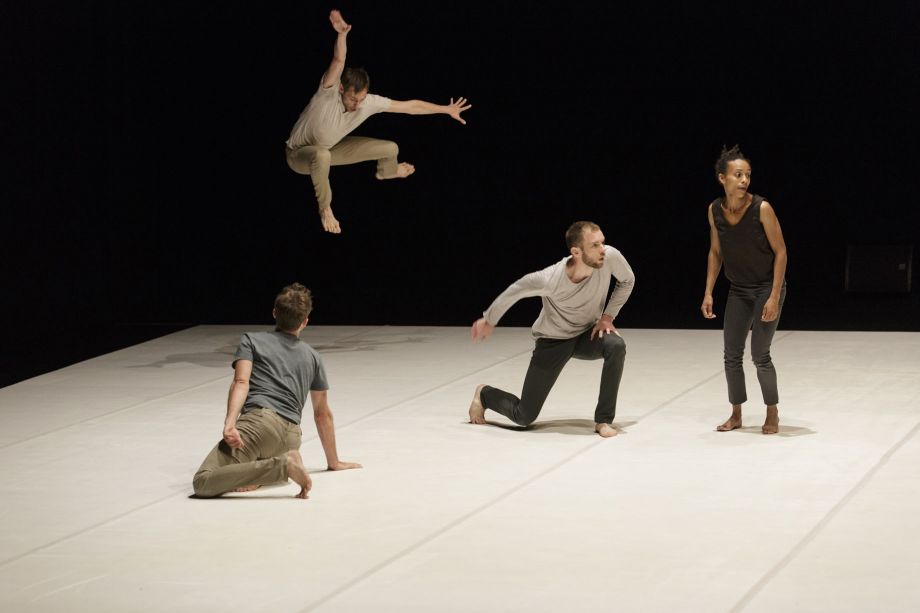
Jamais assez © Christophe Raynaud de Lage
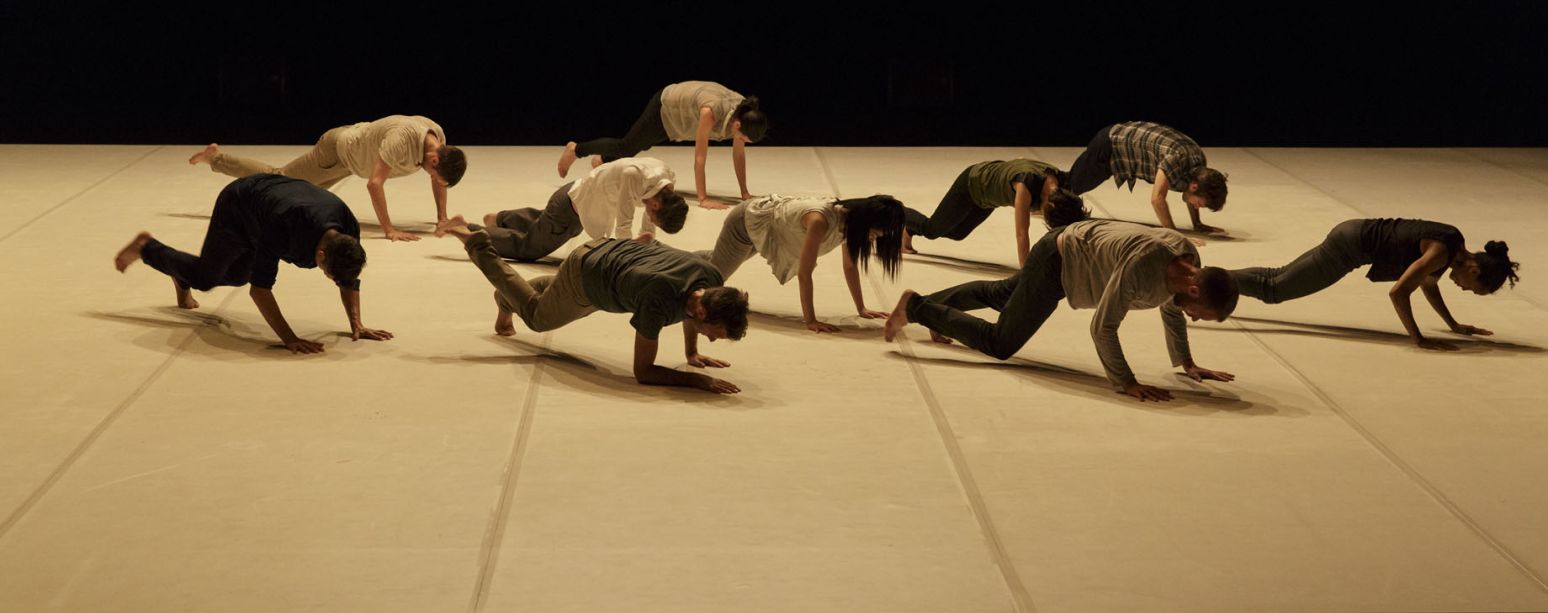
Jamais assez © Christophe Raynaud de Lage
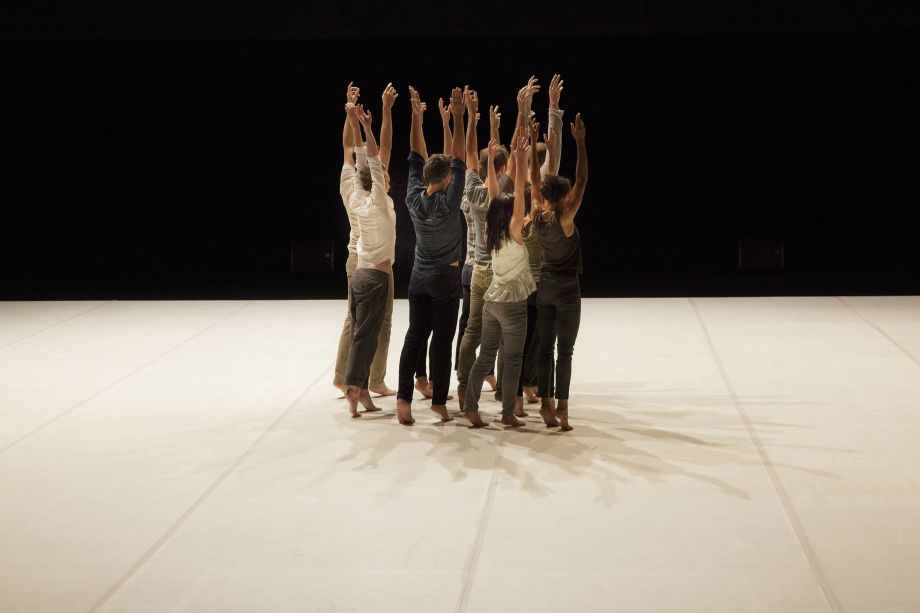
Jamais assez © Christophe Raynaud de Lage
Jamais assez © Christophe Raynaud de Lage
Jamais assez © Christophe Raynaud de Lage
Jamais assez © Christophe Raynaud de Lage
Jamais assez © Christophe Raynaud de Lage
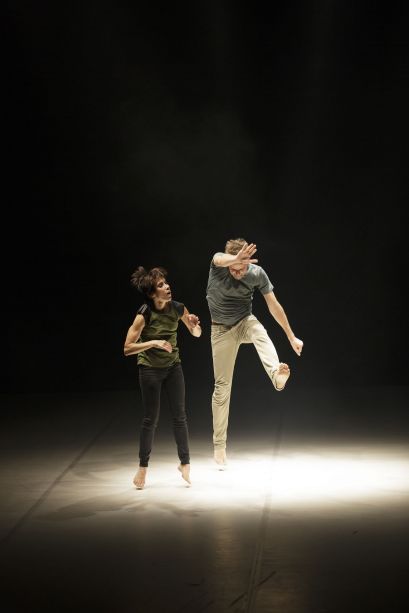
Jamais assez © Christophe Raynaud de Lage
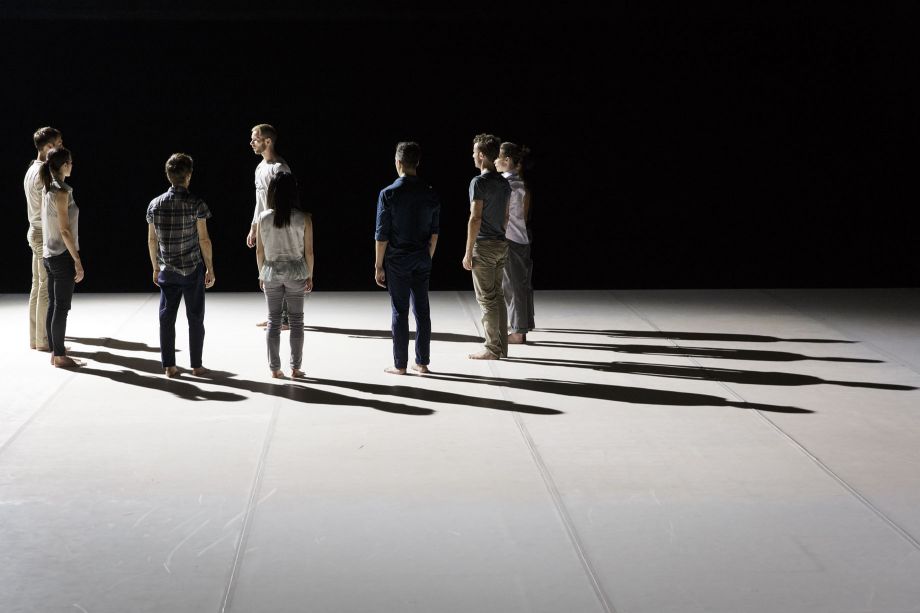
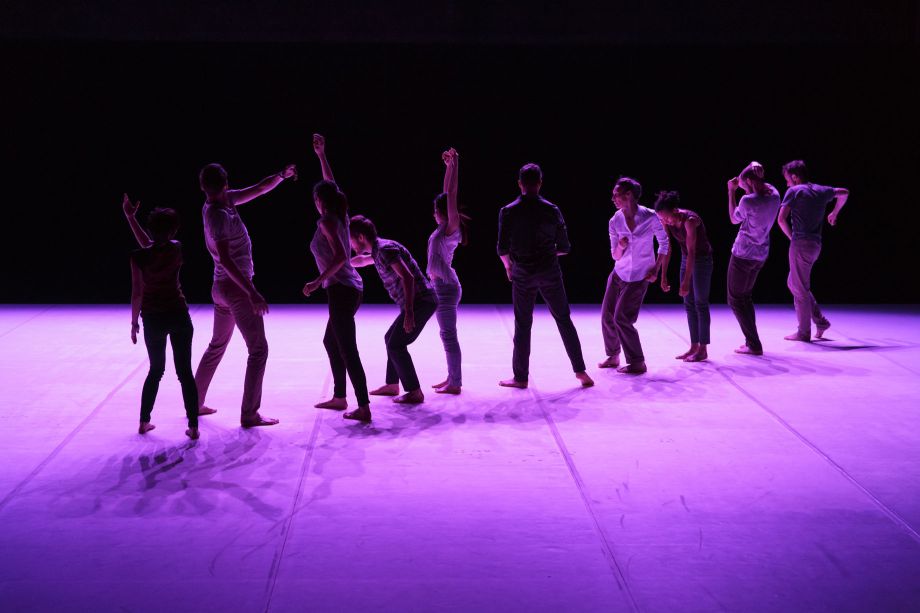
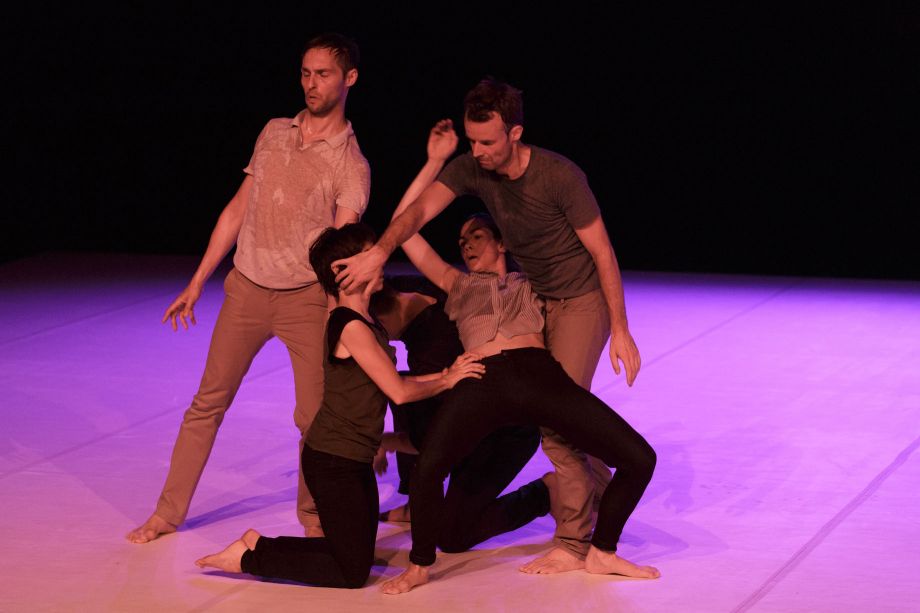
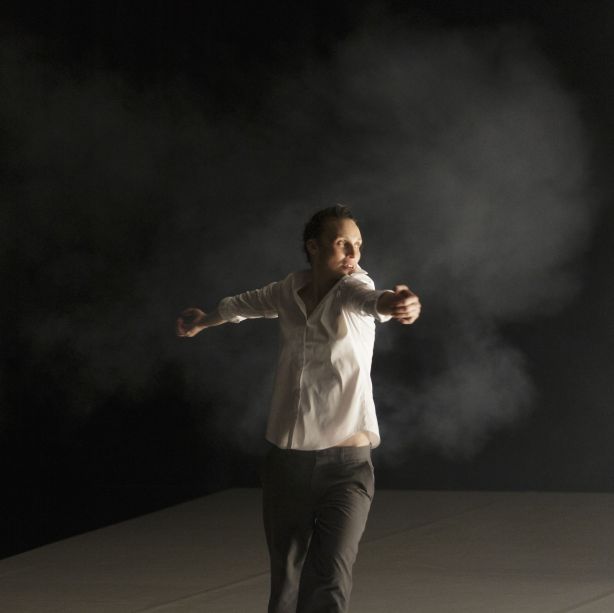
The idea of mastering fire, of deriving power from it, and of being galvanised by its energy is at the origin of many mythologies and many dances. Choreographic research isn't so far removed from it, and continues to play with bodies to animate this element, to keep it going, to share it. Which is why when Fabrice Lambert discovered the film Into Eternity, he saw it as the material for a new form of alchemy. Michael Madsen's documentary describes the construction of a national nuclear waste burial site in Onkalo, Finland. This construction site is gigantic, unthinkably so, based on the length of time it takes radioactivity to disappear: 100,000 years. This project requires a crazy projection in time and, to Fabrice Lambert, this makes Onkalo a sort of mythology in the present tense. A mythology of the sacred fire that has one key thing in common with the story of Prometheus, namely, that after one moment of victory, there ensues never-ending torment. On the stage, ten dancers create a moving geometry, orienting flows, sounding breaches and provoking breaks to feel this vertiginous experience of energy and time. In an empty space sculpted by light, they are the masters of a ceremony in which perceiving the infinite leads to seizing the present as the driving force of a precious common good.
“You gotta throw your body into the fight.” Fabrice Lambert likes to quote Pasolini, because his dance is first and foremost a form of engagement. And if his creations often take an abstract form, they are first and foremost motivated by a desire for experimentation and concreteness, for bodies and for the stage. Performers in his plays are like sieves through which the real goes in order for different kinds of energies to be refined, produced, and extracted. After graduating from the National Centre of Contemporary Dance in Angers, Fabrice Lambert worked as a dancer for many choreographers (Carolyn Carlson, Catherine Diverrès, François Verret, Rachid Ouramdane...), before founding the Expérience Harmaat, bringing together artists, engineers, videographers, visual artists, etc. Sciences—be they physical, human, or social—are at the heart of his research. Reflections on technical progress, on speed, on the integral accident (Paul Virilio), or on the concept of body without organs (Gilles Deleuze and Félix Guattari) are present in several of his plays. To him, concepts give the body an “imagination,” which on the stage takes the concrete form of experiences of perception where thought, energy, and matter are one and the same.
Choreography Fabrice Lambert
Scenography and costumes Thierry Grapotte
Lights Philippe Gladieux
Sound Marek Havliecek
Choreography assistant Hanna Hedman
With Aina Alegre, Jérôme Andrieu, Mathieu Burner, Vincent Delétang, Lorenzo De Angelis, Corinne Garcia, Julie Guibert, Hanna Hedman, Yannick Hugron, Jung-Ae Kim
Production L'Expérience Harmaat
Coproduction Festival d'Avignon, Le Manège de Reims Scène nationale, Centre national de la danse, CDC Atelier de Paris-Carolyn Carlson, Pôle Sud Centre de développement chorégraphique en préfiguration Strasbourg
Hosted studio and residences Kultur Skellefteå en association avec Norrlandsoperan, L'Apostrophe Scène nationale de Cergy-Pontoise et du Val-d'Oise, Ballet de Lorraine Centre chorégraphique national, Ballet de l'Opéra national du Rhin Centre Chorégraphique national de Mulhouse
With the support of Ministère de la Culture et de la Communication - DRAC Île-de-France, Région Île-de-France, Département de la Seine-Saint-Denis, Spedidam, Théâtre de Saint-Quentin-en-Yvelines Scène nationale
The Festival d'Avignon receives support of the BNP Paribas Foundation for the representations of Jamais assez
Thanks to Guillaume Cousin, Michael Madsen, Mickael Jensen, Magic Hour Films, Vincent Peter, Poline Renou et Pierre Veyser.