
© La Compagnie des Indes

by William Shakespeare
Translation and direction
OLIVIER PY
Avignon
Cour d'honneur du Palais des papes
Creation 2015
Running time 2h35
Prices : from €38 to €10
"Le Roi Lear" was recorded July 7 and 8, and broadcasted live July 8 on France2
"Le Roi Lear "de William Shakespeare traduit par Olivier Py est publié aux éditions Actes Sud-Papiers.
Le "Roi Lear" fait l’objet d’une Pièce (dé)montée, dossier pédagogique réalisé par Canopé.
|
S 4 20h |
S 5 20h |
M 6 20h |
T 7 20h |
W 8 20h |
T 9 |
F 10 20h |
S 11 20h |
S 12 20h |
M 13 20h |
T 14 |
W 15 |
T 16 |
F 17 |
S 18 |
S 19 |
M 20 |
T 21 |
W 22 |
T 23 |
F 24 |
S 25 |
|
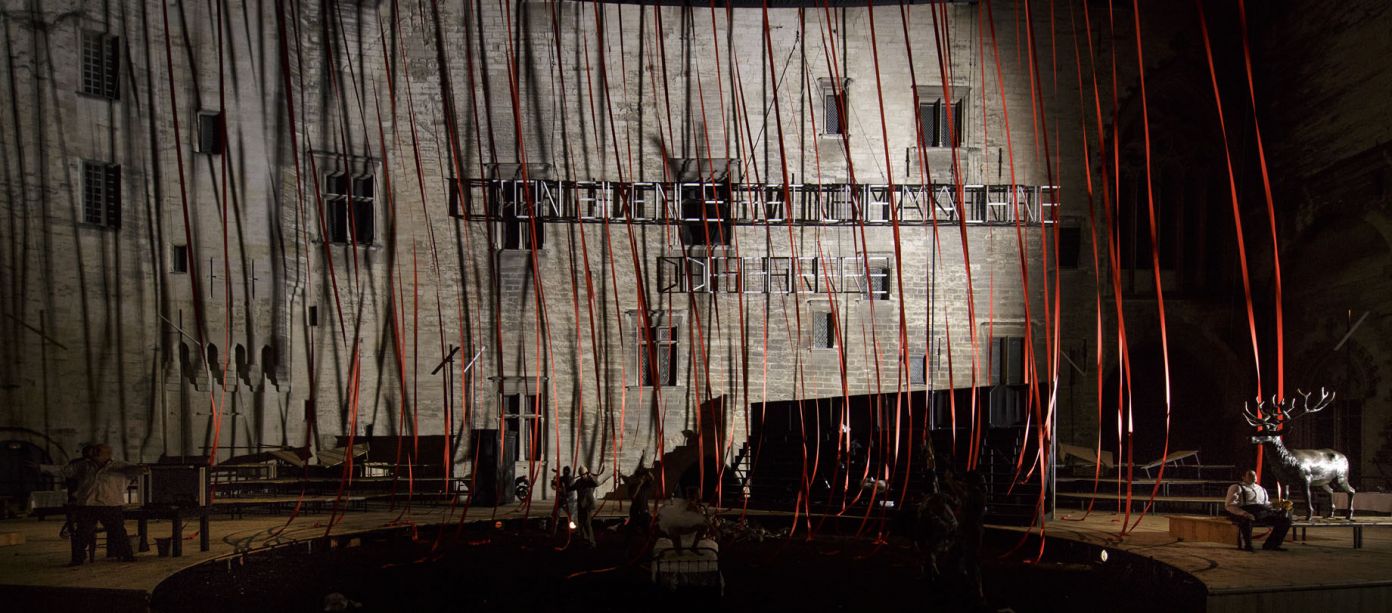
King Lear © Christophe Raynaud de Lage
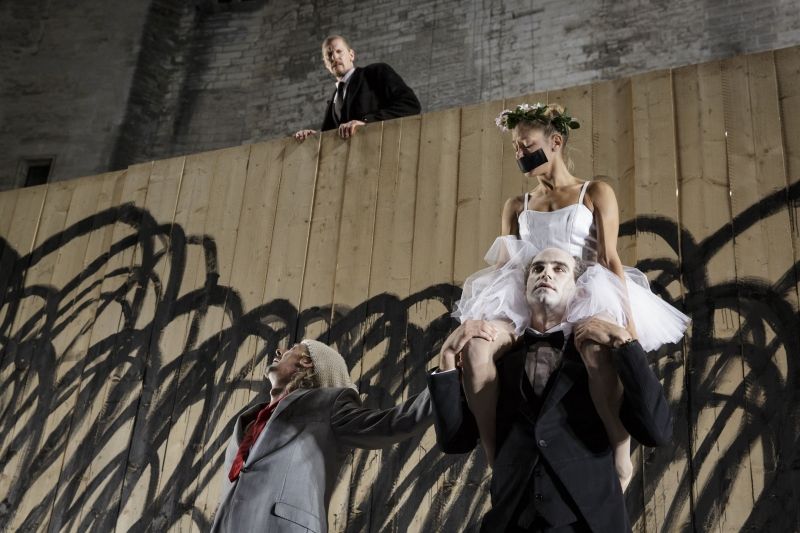
King Lear © Christophe Raynaud de Lage
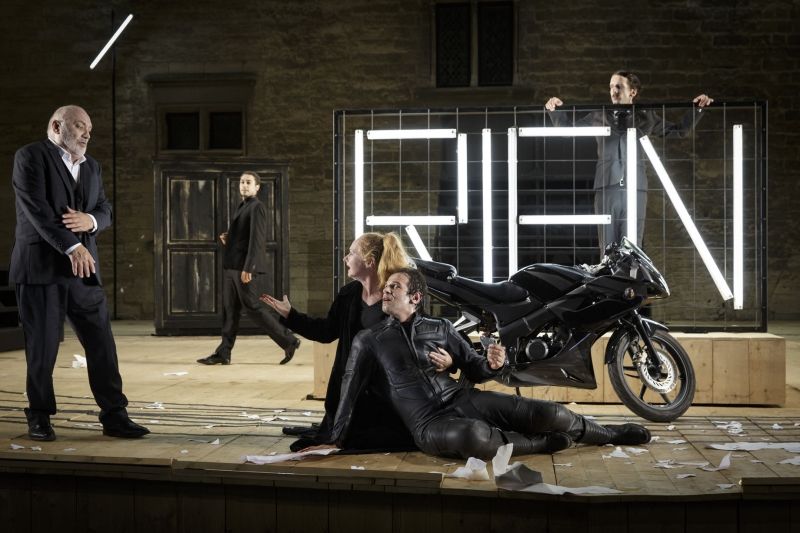
King Lear © Christophe Raynaud de Lage
© La Compagnie des Indes
© Culturebox
© Theatre-contemporain.net
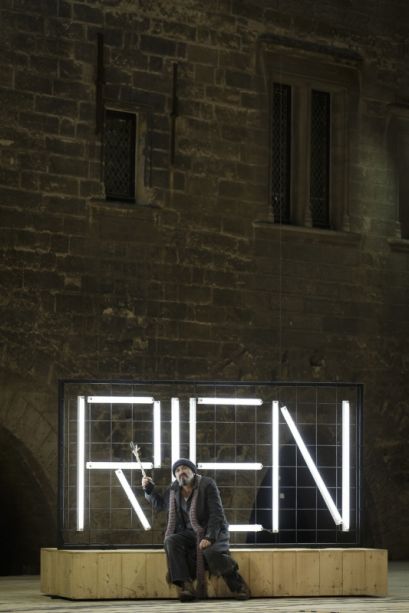
King Lear © Christophe Raynaud de Lage
King Lear © Christophe Raynaud de Lage

King Lear © Christophe Raynaud de Lage
King Lear © Christophe Raynaud de Lage
King Lear © Christophe Raynaud de Lage
King Lear © Christophe Raynaud de Lage
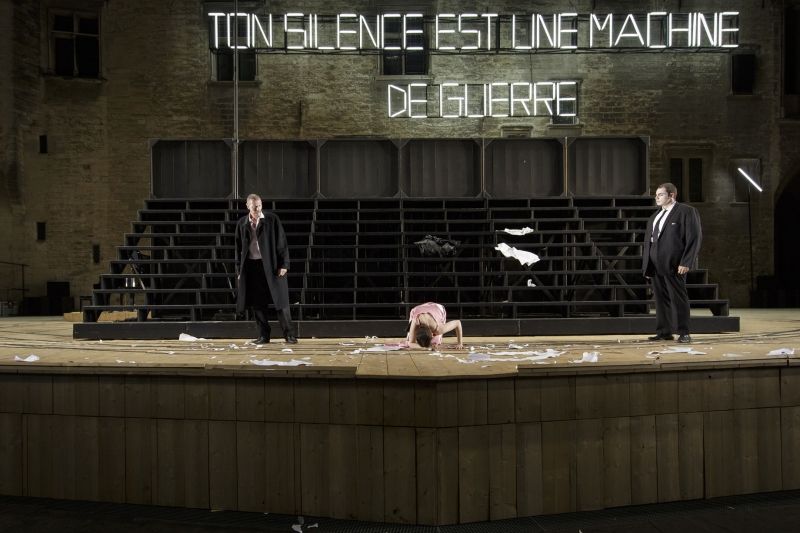
King Lear © Christophe Raynaud de Lage
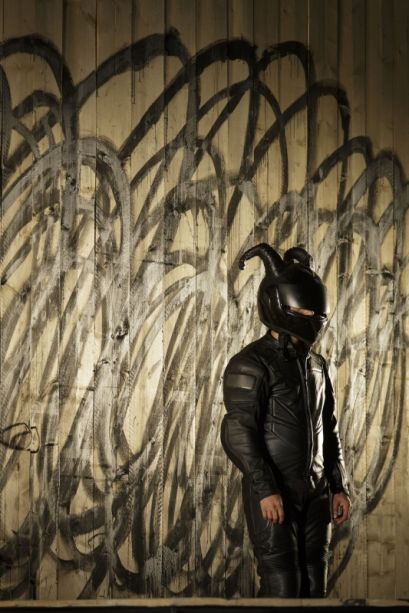
King Lear © Christophe Raynaud de Lage
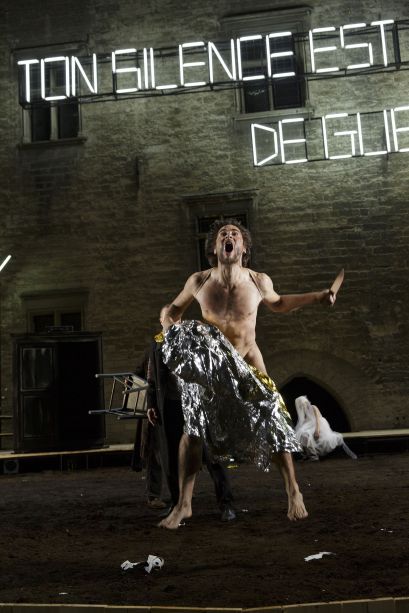
King Lear © Christophe Raynaud de Lage
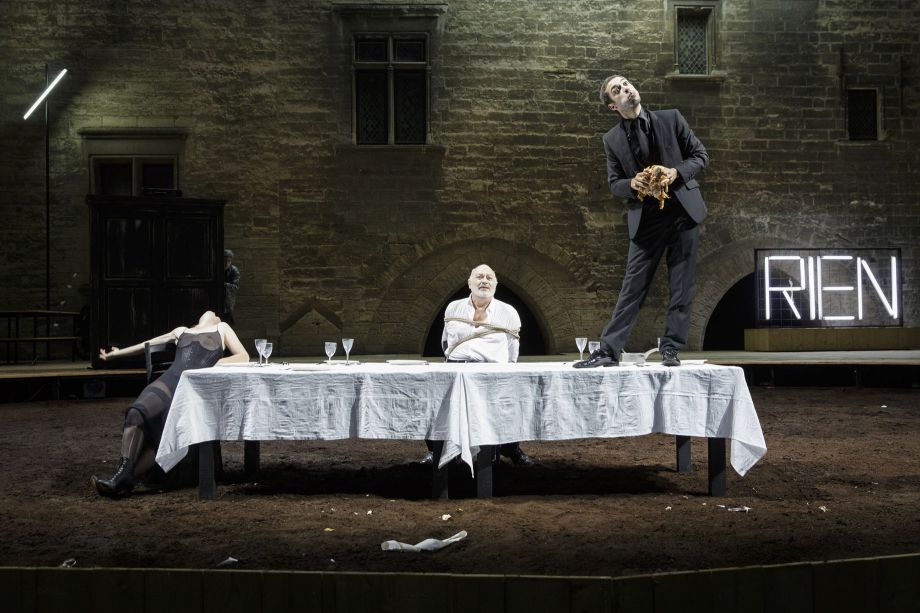
King Lear © Christophe Raynaud de Lage
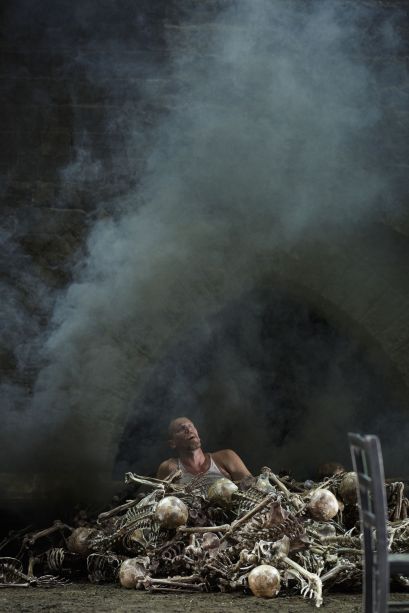
King Lear © Christophe Raynaud de Lage
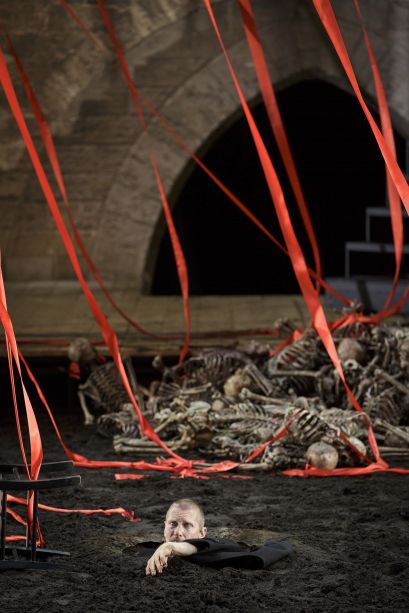
King Lear © Christophe Raynaud de Lage
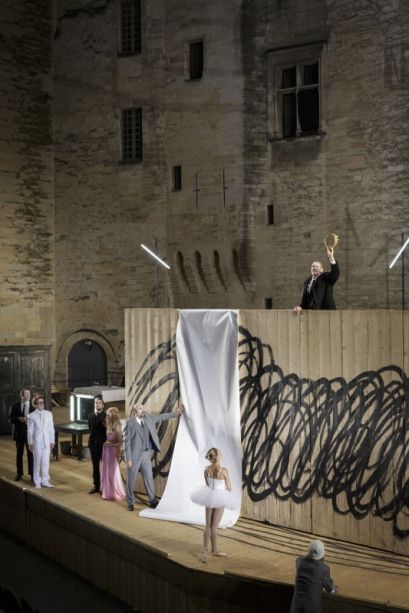
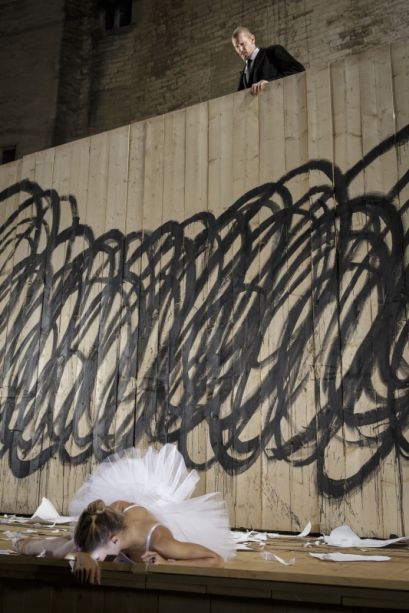
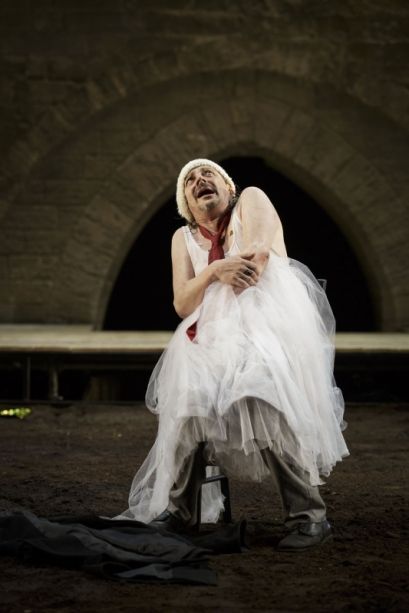
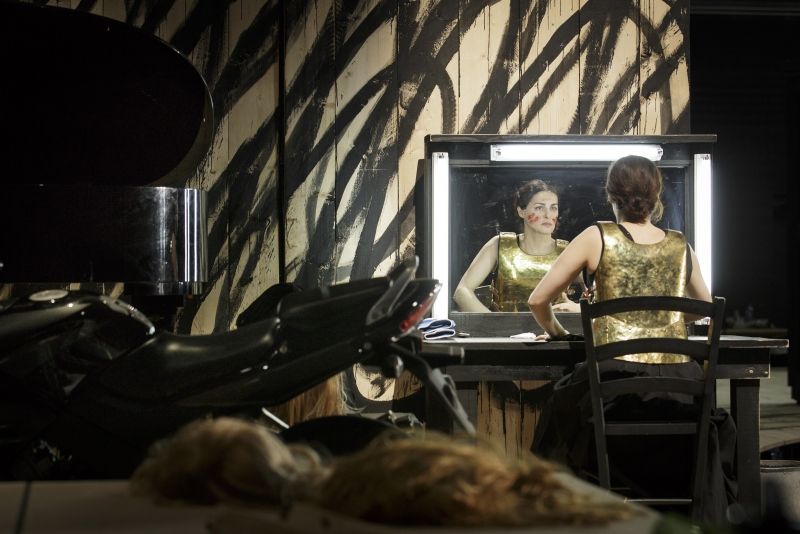
King Lear, a play for the twentieth century? Convinced that it could be, Olivier Py worked on a new translation of Shakespeare's play, which he directs in the Cour d'honneur of the Palais des papes. A translation in free verse, sharp and in the present tense, to render the infernal machinery that is set in motion as soon as Lear asks the huge and unfathomable question that is at the heart of every family. Before surrendering his power to his daughters, he wants to know which of the three will express her love for him most emphatically and thus receive the largest share of his legacy. Cordelia's silence, more than just a proof of her integrity, shows the powerlessness of words when faced with reason wielded as an instrument. This silence drives Lear to madness, and everyone to ruin. Like a prophecy of the disasters to come three centuries later, the falsification of language and its acceptance lead to a bloodbath, in which even brothers and sisters turn on each other. On the wide open stage of the Cour d'honneur, Lear and Gloucester, disgraced fathers, wander aimlessly while their children plot. All are busy digging their own graves, heroes and villains, old men and young heirs; between wars and self-delusions, they rush headlong towards the end of the world, towards oblivion.
Actor, singer, writer-poet and smuggler of poems, translating Shakespeare, director for the theatre and the opera: Olivier Py's research follows all possible paths, both inner and concrete, looking for a presence to the world, a fleeting answer to a latent anxiety. In this adventure language is the vehicle that takes him from trestles to stages, or the deck of cards from which he draws; he likes it to be both lyrical and crude, mysterious and shared. He calls on that of Aeschylus, of Claudel, of Shakespeare, or on his own, in plays that are about the theatre, about transmission, about the times, about faith.
His experience as director of the Centre dramatique national d'Orléans, of the Odéon-Théâtre de l'Europe, then of the Festival d'Avignon, have fed and enriched his reflection about politics, power, and the world as humanity. Questions that are at the heart of his two latest creations, King Lear and Hacia la alegría.
From the glitter of Miss Knife, shimmering in cabarets, to the monumental convent of the Dialogues of the Carmelites for the opera, Pierre-André Weitz works on different scales but with the same care on the costumes and sets he designs. Trained at the Strasbourg conservatory, where he specialised in lyrical arts, and at architecture school, he soon falls in love with scenography. He has worked with Olivier Py since 1993.
Like the architect of Hacia la alegría, he refuses and challenges the immobility of matter, creating moving devices that play with space and height. Floors to inhabit, stairs to climb, facades to graffiti: Pierre-André Weitz's scenographies often allow both the actors and the audience's gaze to rise.
SHAKESPEARE AND KING LEAR
The sun and moon eclipses Gloucester worries about at the beginning of Kear Lear allow us to date the play; the rare succession of those two phenomena indeed happened in England in 1605. There are however several versions of the famous tragedy: the first was published in quarto in 1606, the last in the First Folio, a compilation of thirty-six plays by Shakespeare, published in 1623. There are several different hypotheses as to the play's genesis, and Shakespeare seems to have been inspired by multiple sources: the figure of “Lir,” who first appeared in Celtic mythology, indeed plays a central role in several works of the 16th and 17th centuries.
Translation and direction Olivier Py
Scenography, set design, costumes and make up Pierre-André Weitz
Lights Bertrand Killy
Sound Rémi Berger Spirou
Assistant to the direction Thomas Pouget
Technical and production Festival d'Avignon
With
Avec Jean-Damien Barbin Le Fou
Moustafa Benaïbout Cornouailles, Un messager
Nâzim Boudjenah (de la Comédie-Française) Edmond
Amira Casar Goneril
Céline Chéenne Régane
Eddie Chignara Kent
Matthieu Dessertine Edgar
Émilien Diard-Detoeuf Oswald, Bourgogne
Philippe Girard Lear
Damien Lehman France
Thomas Pouget Écosse, Un serviteur, Un vieil homme
Laura Ruiz Tamayo Cordélia
Jean-Marie Winling Gloucester
Production Festival d'Avignon
Coproduction France Télévisions, Les Gémeaux Scène nationale de Sceaux, National Performing Arts Center - National Theater & Concert Hall (Taipei), Les Célestins Théâtre de Lyon, anthéa Antipolis théâtre d'Antibes, La Criée Théâtre national de Marseille
Avec le soutien de la Région Île-de-France, de l'Adami et de la Spedidam
Avec la participation artistique du Jeune Théâtre National
Résidence à la FabricA du Festival d'Avignon
Booklet (in English)
Download the PDF
Bibliography of Olivier Py in French by the BnF - Maison Jean Vilar
Download the PDF
Bibliography of King Lear by The BnF - Maison Jean Vilar
Download the PDF
Pièce (dé)montée,
dossier pédagogique réalisé par Canopé
ACCÉDER AU DOCUMENT