by Ahmed El Attar © La Compagnie des Indes
Text and direction
AHMED EL ATTAR
Cairo
L'Autre Scène du Grand Avignon - Vedène
Representation in Arabic with French surtitles.
Running time 1h
Prices : from €28 to €10
Careful: because of a change of way in the traffic lane avenue du 7e Génie during the Festival, the shuttle for Vedène will leave from Cours Jean Jaurès. Follow the Festival signs!
|
S 4 |
S 5 |
M 6 |
T 7 |
W 8 |
T 9 |
F 10 |
S 11 |
S 12 |
M 13 |
T 14 |
W 15 |
T 16 |
F 17 |
S 18 16h |
S 19 16h |
M 20 16h |
T 21 |
W 22 16h |
T 23 16h |
F 24 16h |
S 25 |
|
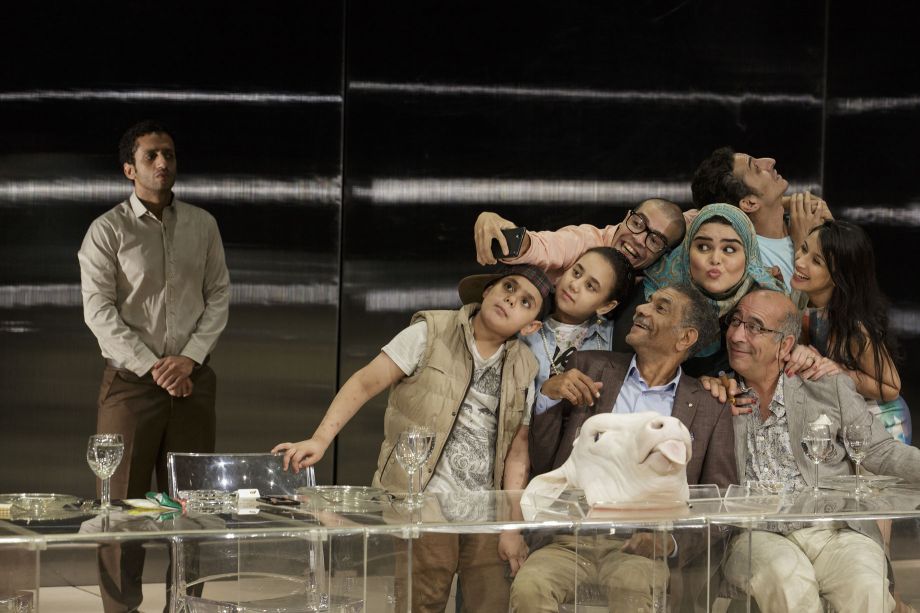
The Last Supper © Christophe Raynaud de Lage
by Ahmed El Attar © La Compagnie des Indes
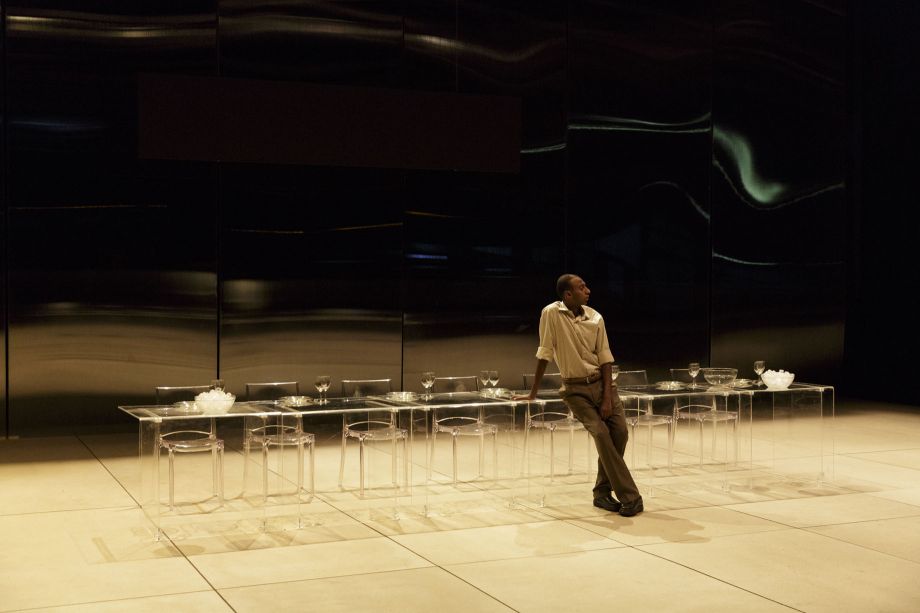
The Last Supper © Christophe Raynaud de Lage
The Last Supper © Christophe Raynaud de Lage
The Last Supper © Christophe Raynaud de Lage
The Last Supper © Christophe Raynaud de Lage
The Last Supper © Christophe Raynaud de Lage
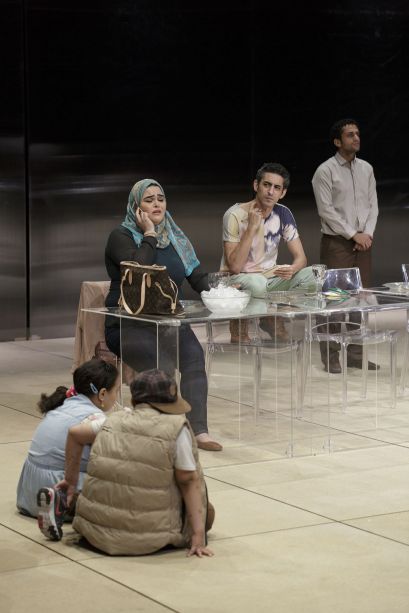
The Last Supper © Christophe Raynaud de Lage
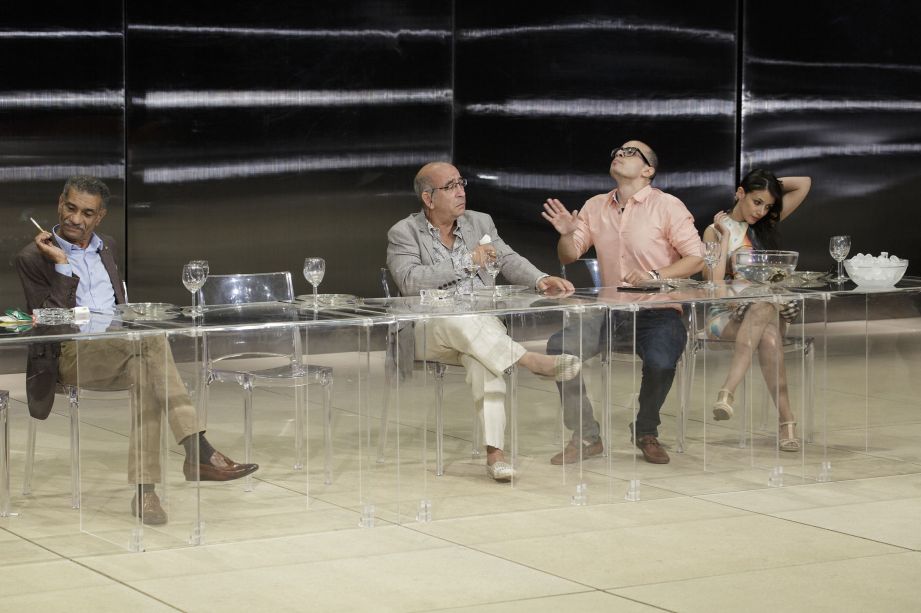
The Last Supper © Christophe Raynaud de Lage
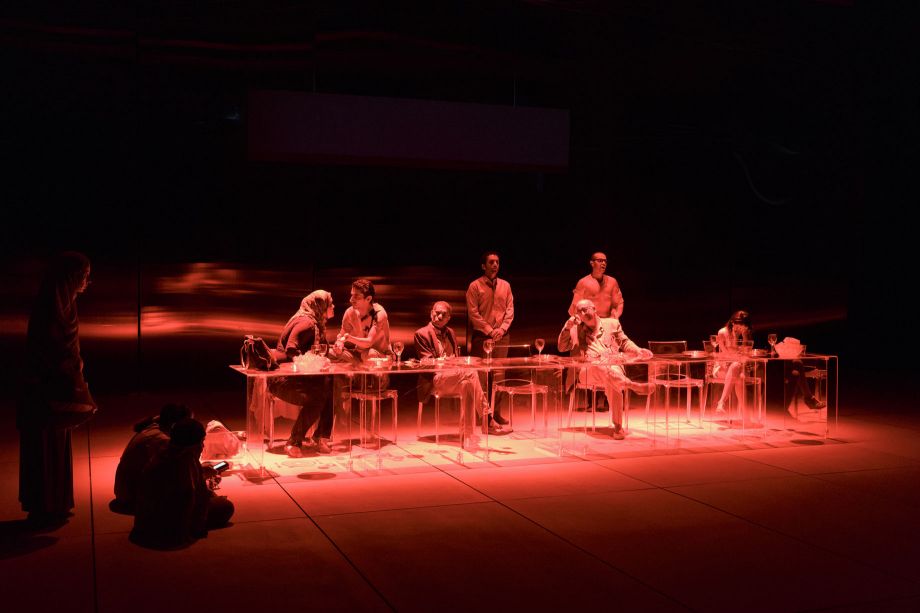
The Last Supper © Christophe Raynaud de Lage
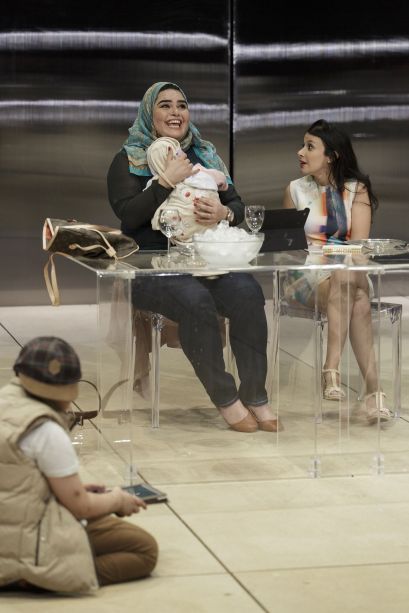
The Last Supper © Christophe Raynaud de Lage
The Last Supper © Christophe Raynaud de Lage
The Last Supper © Christophe Raynaud de Lage
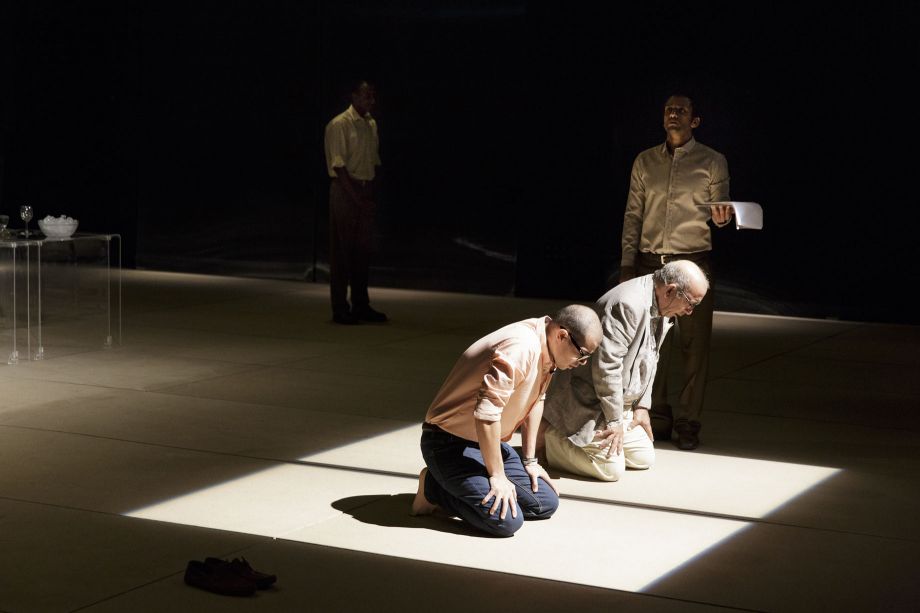
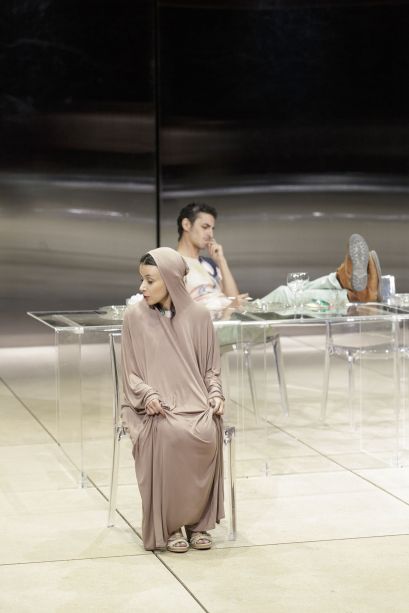
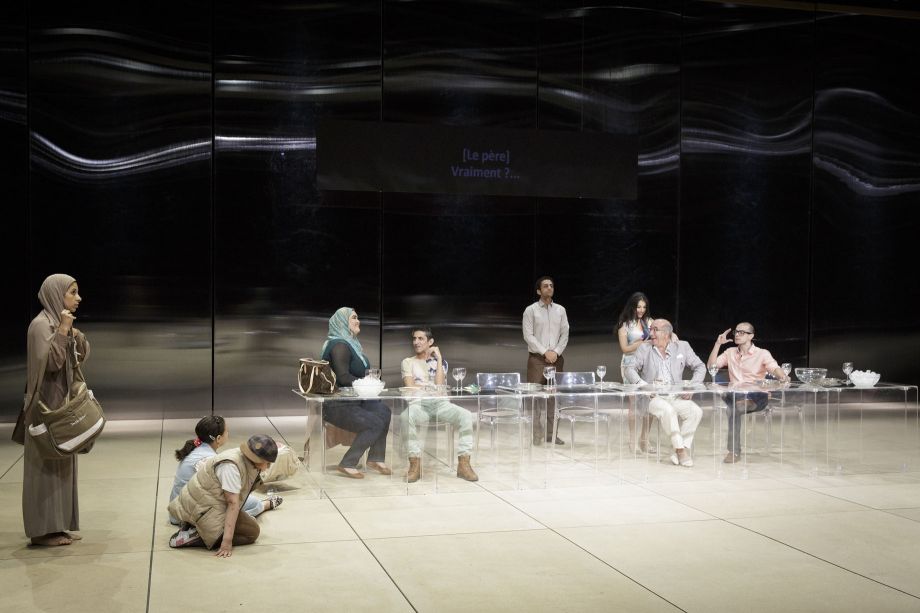
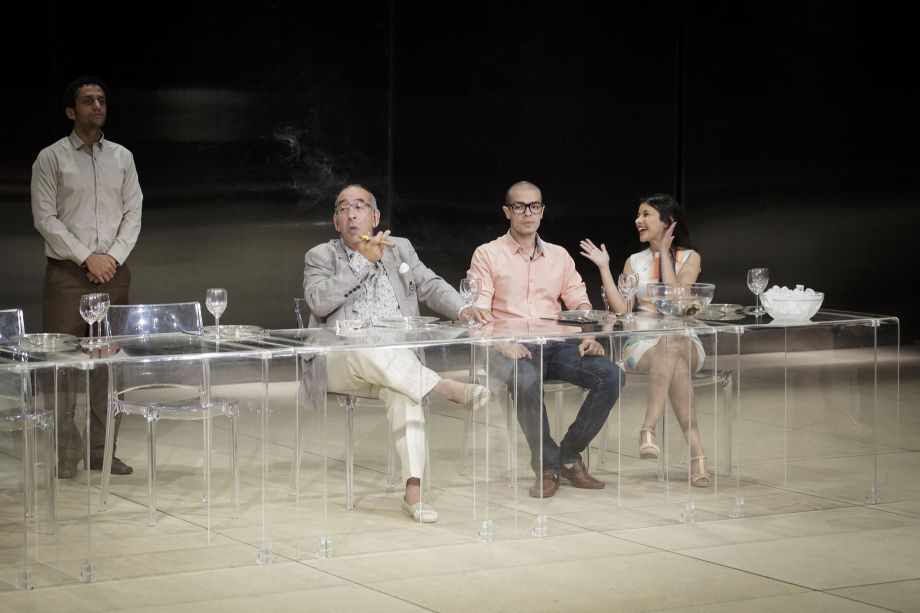
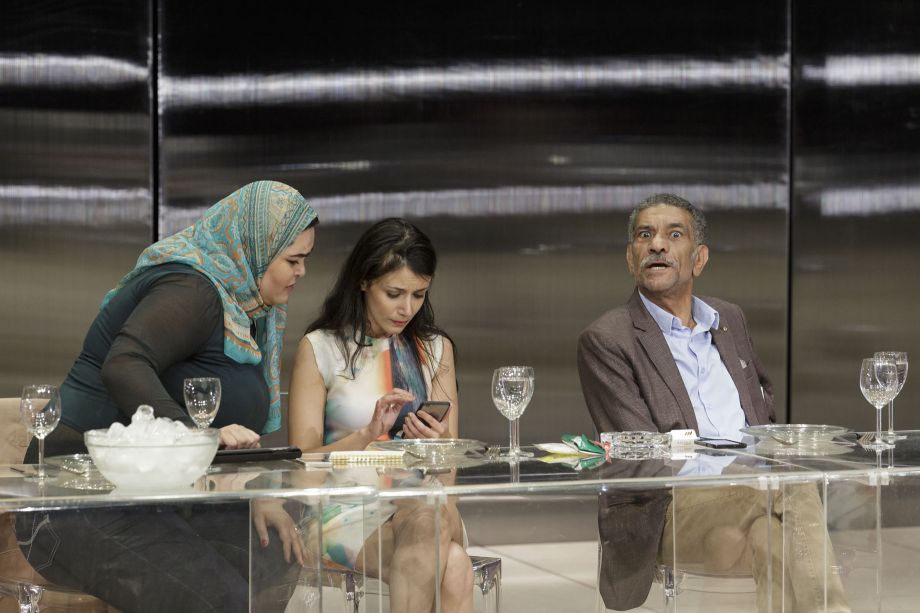
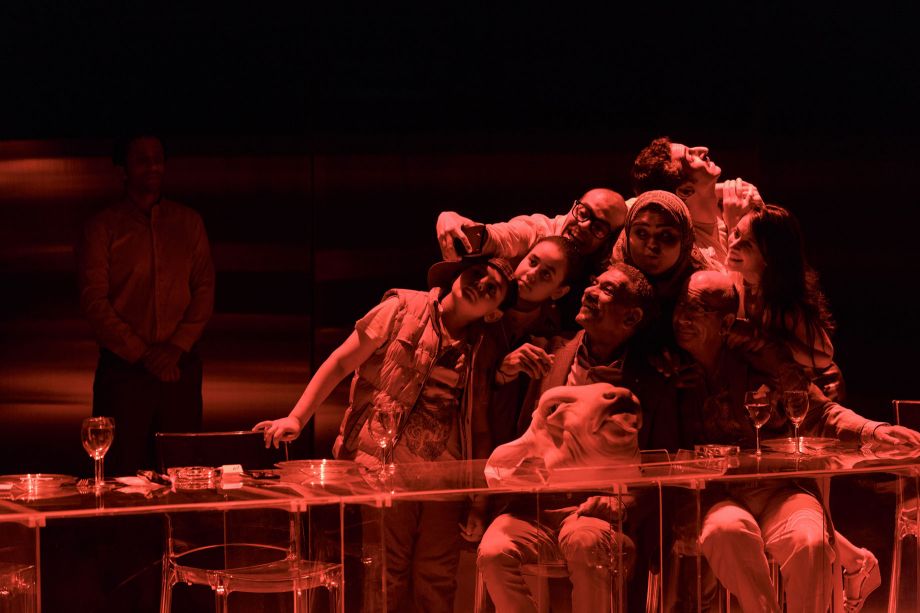
The Last Supper likes to play with its misleading similarities to Christ's last meal. As in most paintings of the last supper, the guests seat side by side, an unnatural, even affected, seating arrangement. Because if they do share a meal and make every effort to be together, the characters of Ahmed El Attar's play also like to put on a show. They are representative, to the point of caricature, of Cairo's upper class. As post-revolutionary Egypt faces major political, economic, and social challenges, their conversations betray their carelessness, their frivolity, their contempt for the people. The director examines a ruling class obsessed with appearances and money, whose language and positions he uses to expose their vacuity. In an uninterrupted flow of words, his characters wallow in the void they have themselves created, to the point of absurdity. Fiction turns out to be more realistic than many documentaries, and all affirm that this period of “agitation” will eventually come to an end. The Egyptian director and his eleven actors work on language as the location and symptom of a vertiginous crisis of meaning; although it takes place in Cairo and is in Arabic, this last supper could very well be about all of us.
As a teenager, Ahmed El Attar realised just how much words meant nothing in Egypt. Parents, media, teachers, all spoke of a reality that had little to do with his own daily experience.Today, he forever tries to avoid the traps and explore the potentialities of language by placing words at the heart of his creations. Using various registers and genres—classic literature, popular culture, café conversations—he creates performances that keep dramatic conventions at arm's length without ignoring them completely. After directing his own texts—Committee (1998), Life is Beautiful or Waiting for My Uncle From America (2000)—Ahmed El Attar starts creating composite works based on schoolbooks, oaths, or political speeches, such as the one delivered by Nasser in 1956 for the nationalisation of the Suez Canal (in F**K Darwin, or How I've Learned to Love Socialism). Beyond his work as a writer, a performer, and a director, Ahmed El Attar is an unavoidable presence in Cairo's cultural circles, where he's always trying to shake things up. He is the founder and director of a rehearsing space, the Emad Eddin studios, and of a multidisciplinary festival, the Downtown Contemporary Arts Festival (D-CAF).
Text and direction Ahmed El Attar
Music Hassan Khan
Sets and costumes Hussein Baydoun
Lights Charlie Aström
Sound Hussein Sami
French translation Menha El Batraoui, Charlotte Clary
With
Boutros Boutros-Ghali Le père
Ahmed Farag, en alternance avec Salah-Eddine Meliouh L'enfant
Mona Farag, en alternance avec Sakina Meliouh L'enfant
Mahmoud El Haddad Le domestique
Mohamed Hatem Le majordome
Ramsi Lehner Le fils
Nanda Mohammad Fifi
Abdel Rahman Nasser Mido
Sayed Ragab Le général,
Mona Soliman La bonne
Marwa Tharwat Mayoush
Production Orient productions, The Temple Independent Theatre Company
Coproduction Tamasi Collective
With the support of Studio Emad Eddin Foundation, Swedish International Development Agency, Ministère de la Culture de la République arabe d'Égypte
In partnership with RFI and France 24