© Christophe Raynaud de Lage

after Thomas Bernhard
Adaptation and direction
KRYSTIAN LUPA
Wroclaw
National Premiere
Representation in Polish with French surtitle.
Running time 4h20
Prices : from €28 to €10
|
S 4 13h |
S 5 13h |
M 6 13h |
T 7 13h |
W 8 13h |
T 9 |
F 10 |
S 11 |
S 12 |
M 13 |
T 14 |
W 15 |
T 16 |
F 17 |
S 18 |
S 19 |
M 20 |
T 21 |
W 22 |
T 23 |
F 24 |
S 25 |
|
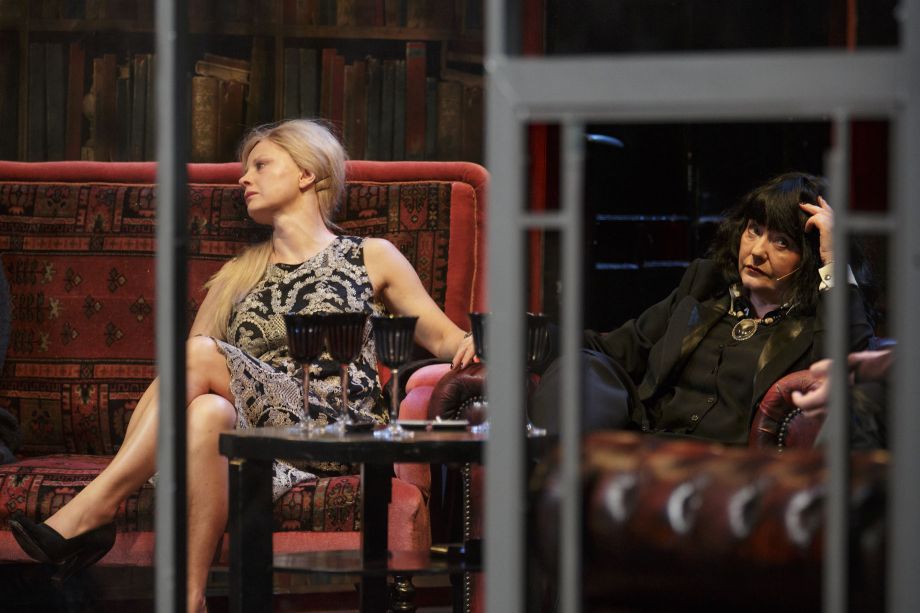
Wycinka Holzfällen ©Christophe Raynaud de Lage
© Christophe Raynaud de Lage
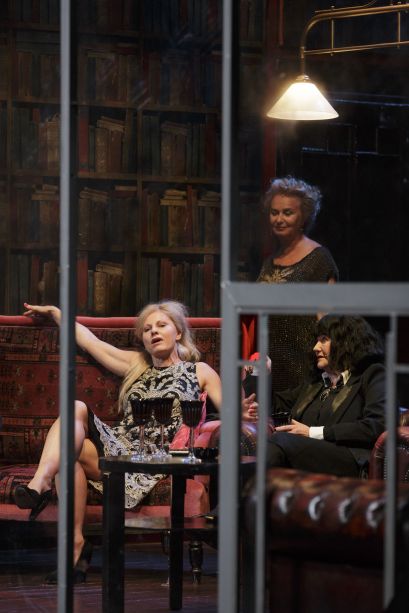
Wycinka Holzfällen ©Christophe Raynaud de Lage
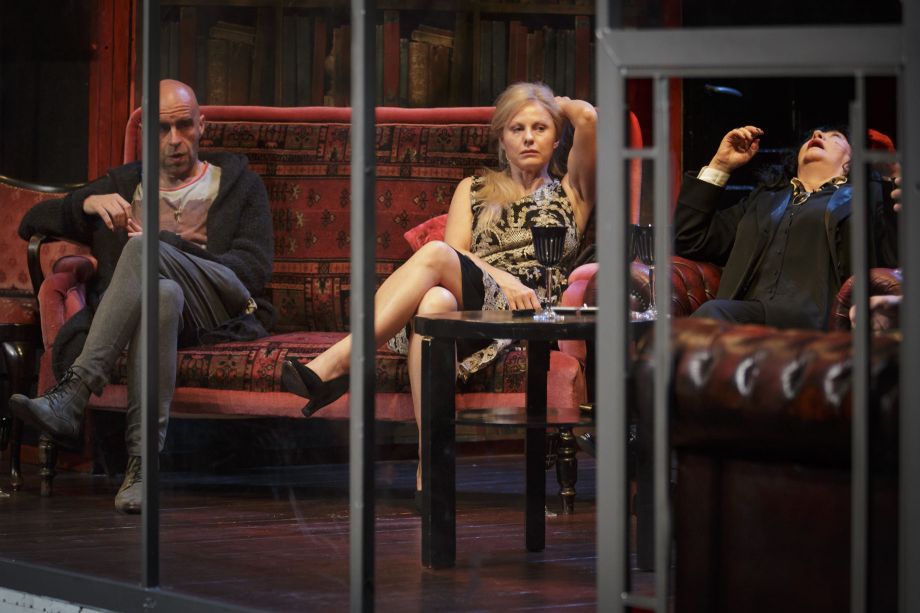
Wycinka Holzfällen ©Christophe Raynaud de Lage
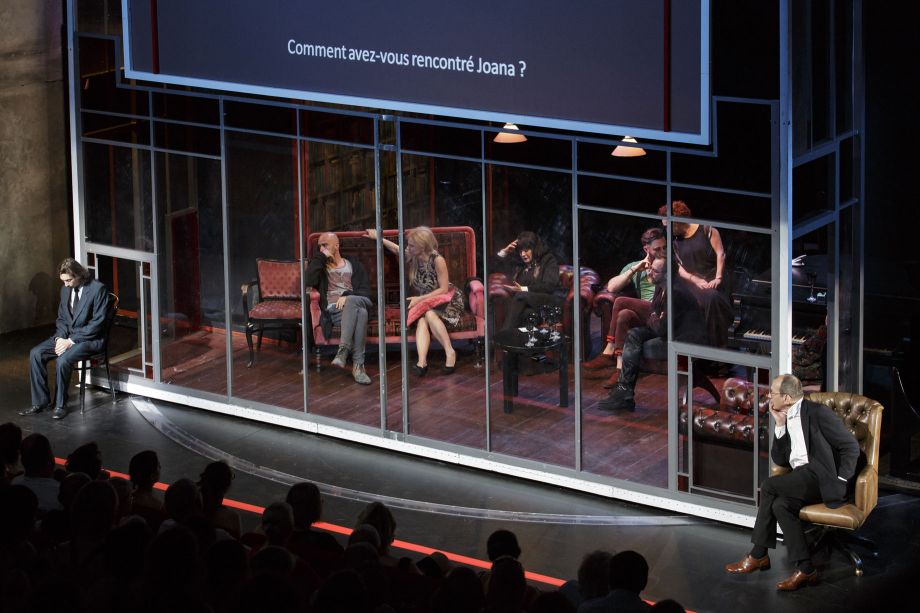
Wycinka Holzfällen ©Christophe Raynaud de Lage
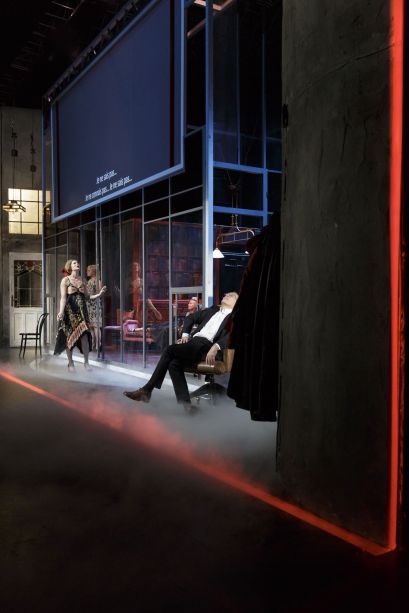
Wycinka Holzfällen ©Christophe Raynaud de Lage
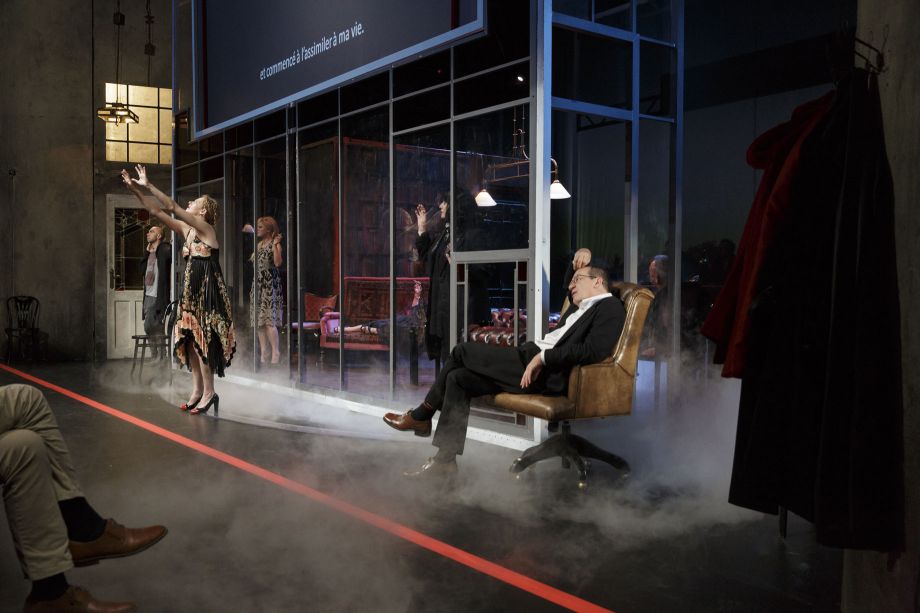
Wycinka Holzfällen ©Christophe Raynaud de Lage
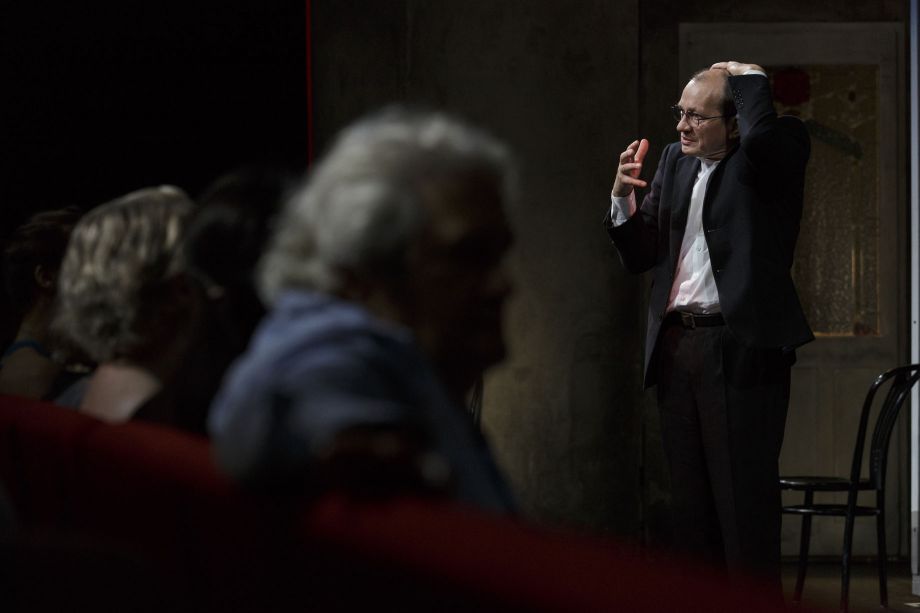
Wycinka Holzfällen ©Christophe Raynaud de Lage
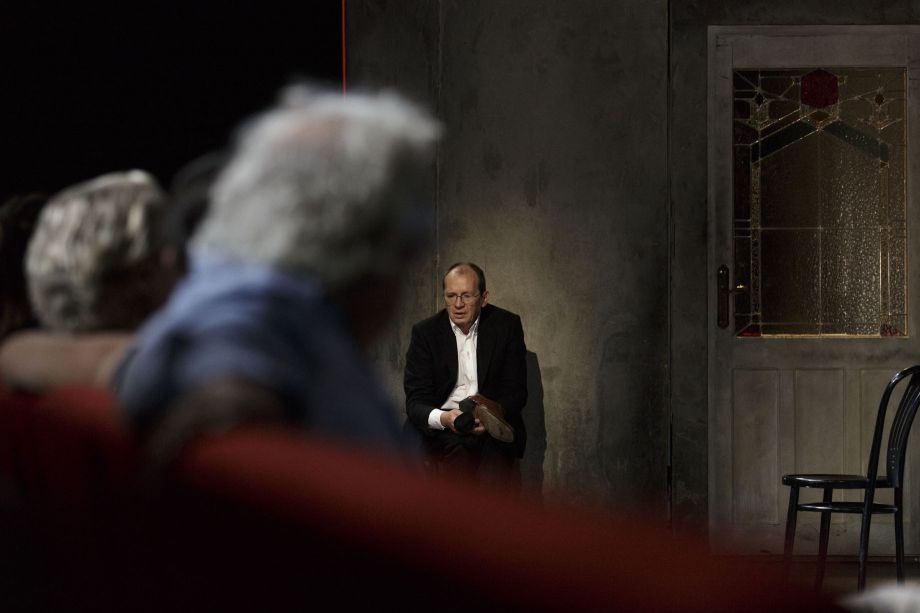
Wycinka Holzfällen ©Christophe Raynaud de Lage
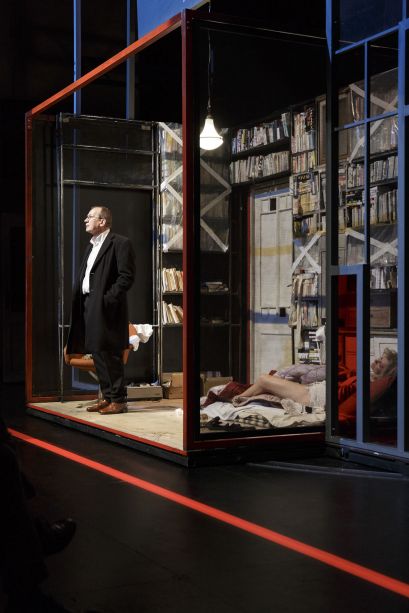
Wycinka Holzfällen ©Christophe Raynaud de Lage
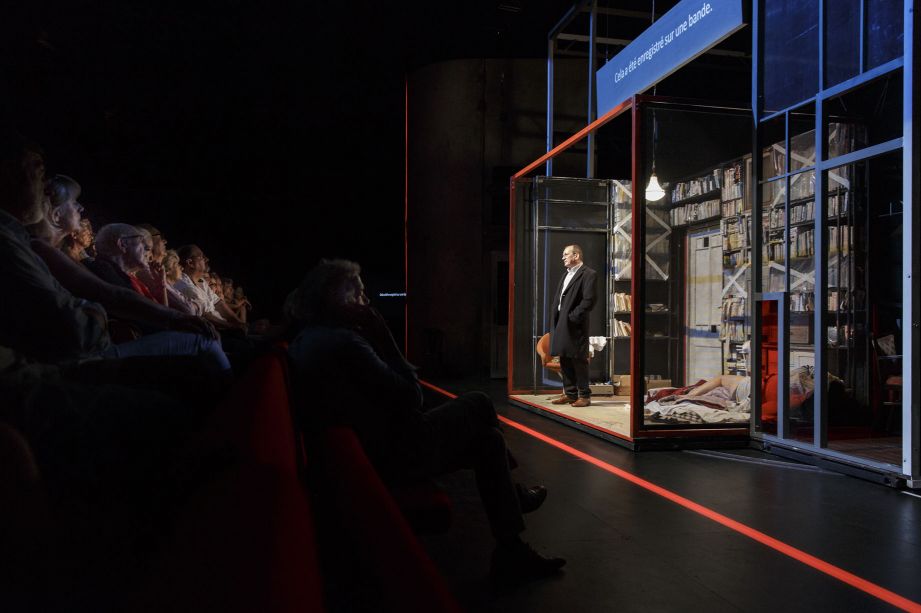
Wycinka Holzfällen ©Christophe Raynaud de Lage
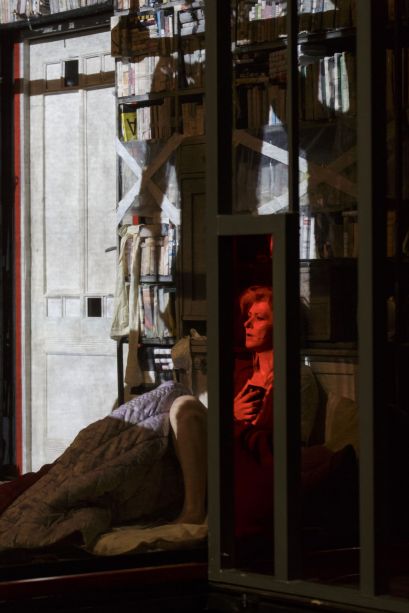
Wycinka Holzfällen ©Christophe Raynaud de Lage
Taking place in the cultural and artistic circle of 1980s Austria, Woodcutters is a quasi-autobiographical tale, by turns ironic, funny, and violent. Through the power of Thomas Bernhard's writing, it becomes a sort of novelistic fiction that betrays the irritation of its author, both witness and player of the games people who belong to the same world play. By choosing to adapt and direct it, Krystian Lupa creates a wonderful reflection on art and artistic creation that goes beyond the anecdotal description of the squabbles inherent to the oversized egos of the people gathered for a dinner in remembrance of a dead actress. Faithful to Thomas Bernhard's “frantic” style, which exposes his wounds and contradictions, Krystian Lupa once again develops a dramatic aesthetics based on a slowing down of time, alternating with an acceleration in moments of crisis, supported here by thirteen actors whose work aims to uncover the essence “of people and of things.” This artistic process, bright and clear, which goes beyond the simple psychological incarnation of the characters and is unique in European theatre, is presented for the first time at the Festival d'Avignon.
After studying as a painter, then as a graphic artist, at the Kraków Academy of Fine Arts, Krystian Lupa enrolls into the National Film School in Łódź, then into the Ludwik Solski Academy for the Dramatic Arts in Kraków. He directs his first play in 1976, and soon comes to be associated with the Teatr Norwida de Jelenia Gora (1977-1985), where he adapts primarily the work of Polish authors such as Stanisław Ignacy Witkiewicz or Witold Gombrowicz. He then works at the Stary Teatr, in Kraków until 2013. There, he adapts the works of Russian, German, and Austrian authors: Robert Musil, Fyodor Dostoyevsky, Rainer Maria Rilke, Mikhail Bulgakov, Anton Chekhov, Werner Schwab, and particularly Thomas Bernhard, playing his dramatic texts as well as his literary works, which he adapts for the stage himself. Krystian Lupa does his own scenography and designs the costumes and the lighting for his shows. He has written several theoretical texts about his work, in which he says he thrives to explore the spiritual situation of individuals living at times of “great cultural upheaval.”
In 1984, a then-53-year-old Thomas Bernhard publishes Woodcutters. Already celebrated throughout Europe as a poet, novelist, and dramatic writer, he is known as a master of provocation, as “the man who says no.” Clear-headed and inflexible, filled with a fierce and turbulent joy, he made his life and his love-hate relationship with the history of his country, Austria, the raw material of his fiction. He died in 1989, leaving behind an essential body of work made up of eighteen plays, about twenty texts in prose, five poetry collections, and about a hundred essays, all testament to a lifelong quest to “find the measure of truth within every lie.”
Text Thomas Bernhard
Translation Monika Muskała
Adaptation, direction, scenography and lights Krystian Lupa
Costumes Piotr Skiba
Music Bogumił Misala
Video Karol Rakowski, Łukasz Twarkowski
Assistant directors Oskar Sadowski, Sebastian Krysiak, Amadeusz Nosal
Translation and french adaptation for the surtitles Agnieszka Zgieb
With
Bożena Baranowska Anna Schreker
Krzesisława Dubielówna La cuisinière
Jan Frycz L'acteur du Théâtre national
Anna Ilczuk Mira, L'épicière de Kilb
Michał Opaliński James
Marcin Pempuś John
Halina Rasiakówna Maya Auersberger
Piotr Skiba Thomas Bernhard
Adam Szczyszczaj Joyce
Andrzej Szeremeta Alfred Rehmden
Ewa Skibińska Jeannie Billroth
Marta Zięba Joana Thul
Wojciech Ziemiański Gerhard Auersberge
Production TEATR POLSKI à Wrocław
With the support of Ministère de la Culture et du Patrimoine de Pologne and Institut polonais de Paris within the year of polish professional public theatre, celebrated on the occasion of 250 years of public theatre in Poland.
Booklet (In English)
Download the PDF
Bibliography of Krystian Lupa (in French) by the BnF - Maison Jean Vilar
Download the PDF
Bibliography of Thomas Bernhard by the BnF Maison Jean Vilar
Download the PDF