
Choreography SIDI LARBI CHERKAOUI et DAMIEN JALET
Antwerp - Brussels
Cour d'honneur du Palais des papes
Running time 1h40
|
W 6 |
T 7 |
F 8 |
S 9 |
S 10 |
M 11 |
T 12 |
W 13 |
T 14 |
F 15 |
S 16 |
S 17 |
M 18 |
T 19 |
W 20 20h |
T 21 20h |
F 22 20h |
S 23 20h |
S 24 |
|
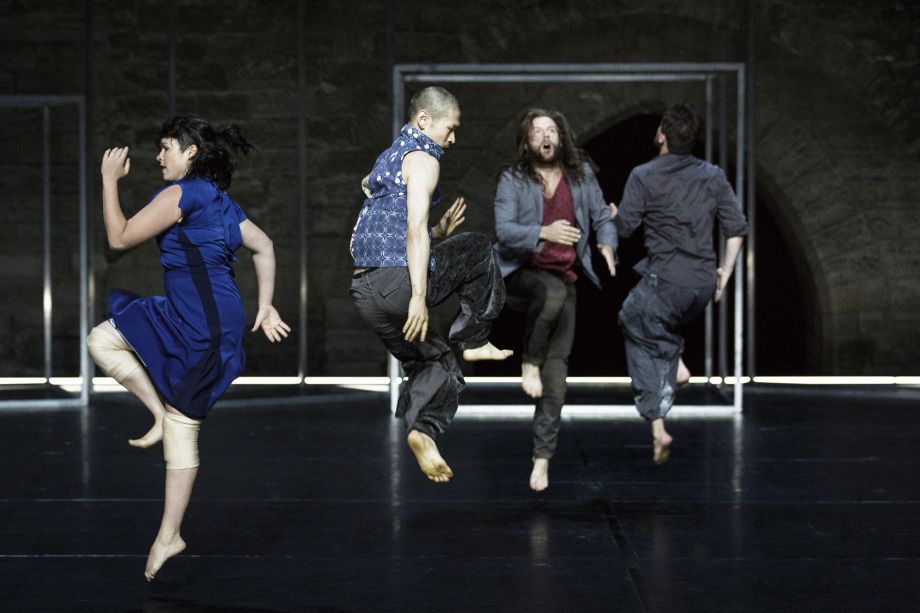
Babel 7.16 © Christophe Raynaud de Lage
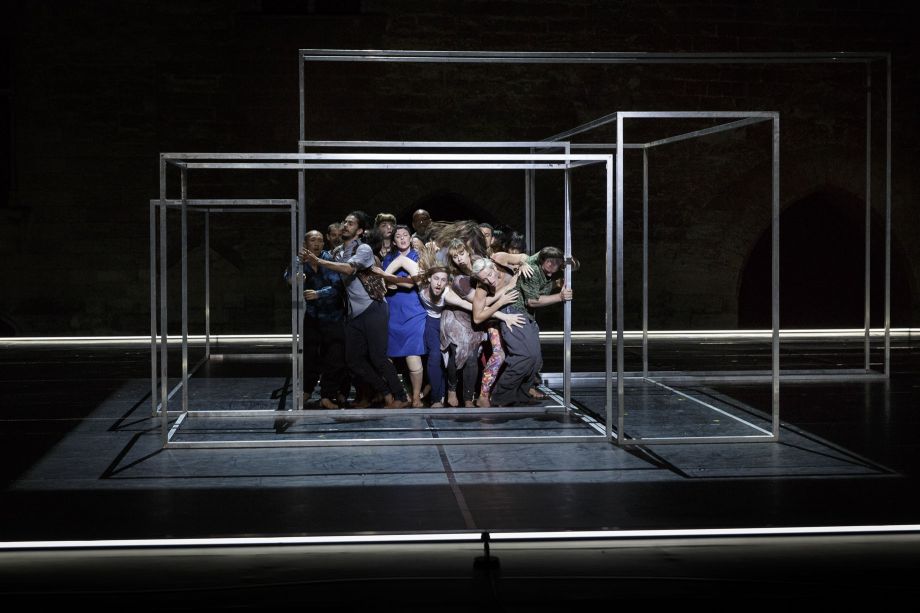
Babel 7.16 © Christophe Raynaud de Lage
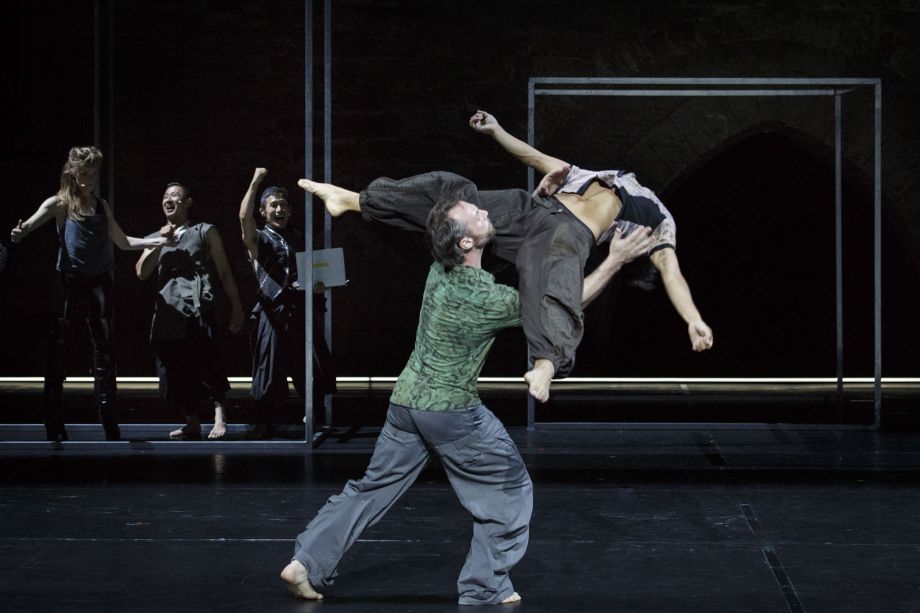
Babel 7.16 © Christophe Raynaud de Lage
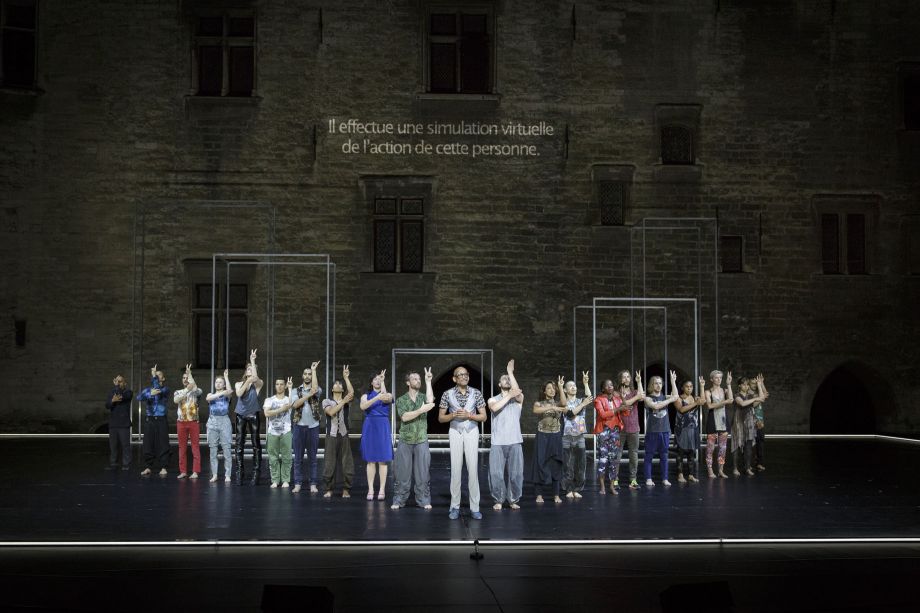
Babel 7.16 © Christophe Raynaud de Lage
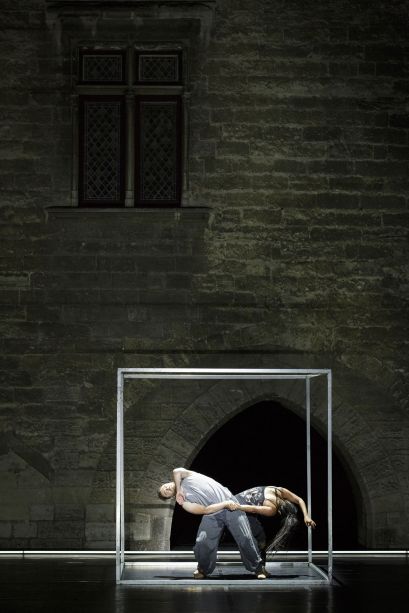
Babel 7.16 © Christophe Raynaud de Lage
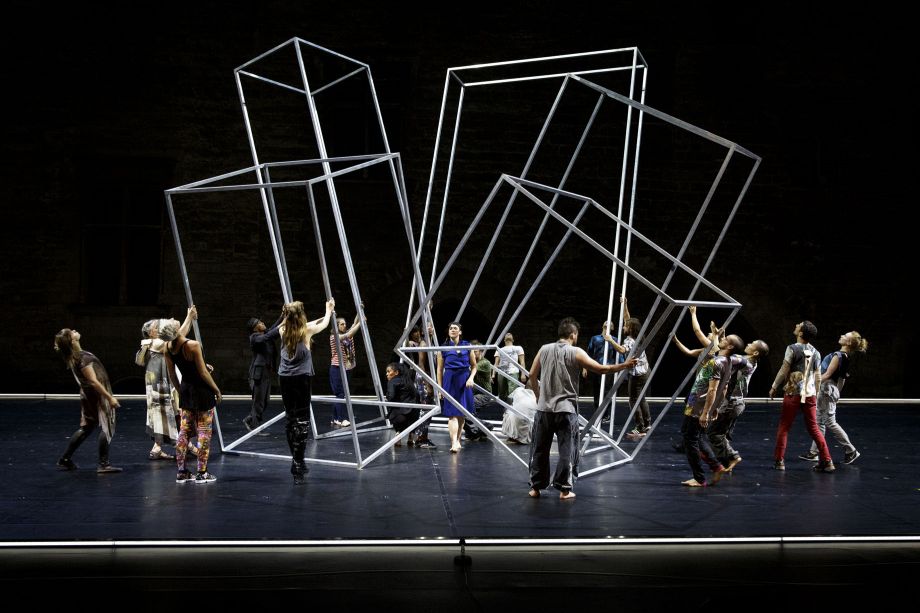
Babel 7.16 © Christophe Raynaud de Lage
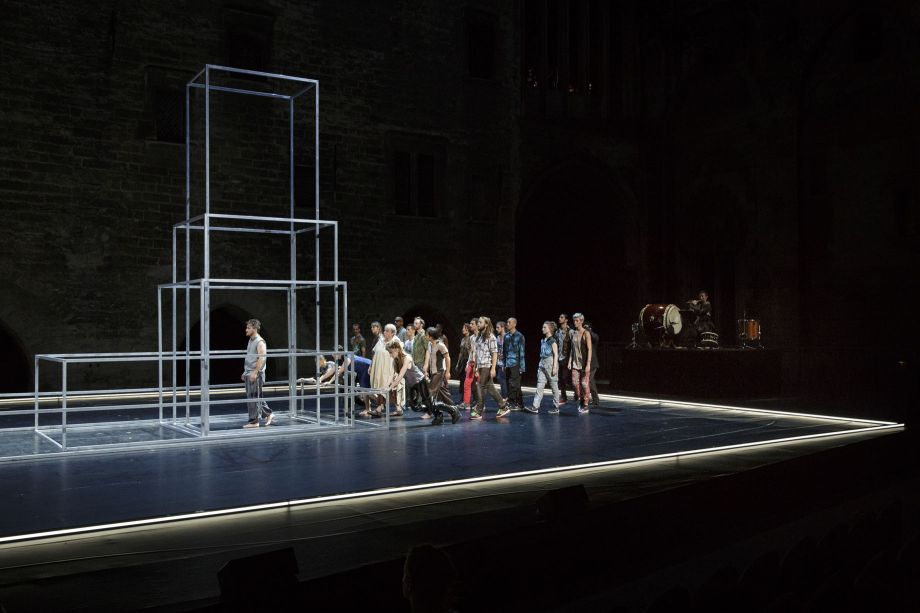
Babel 7.16 © Christophe Raynaud de Lage
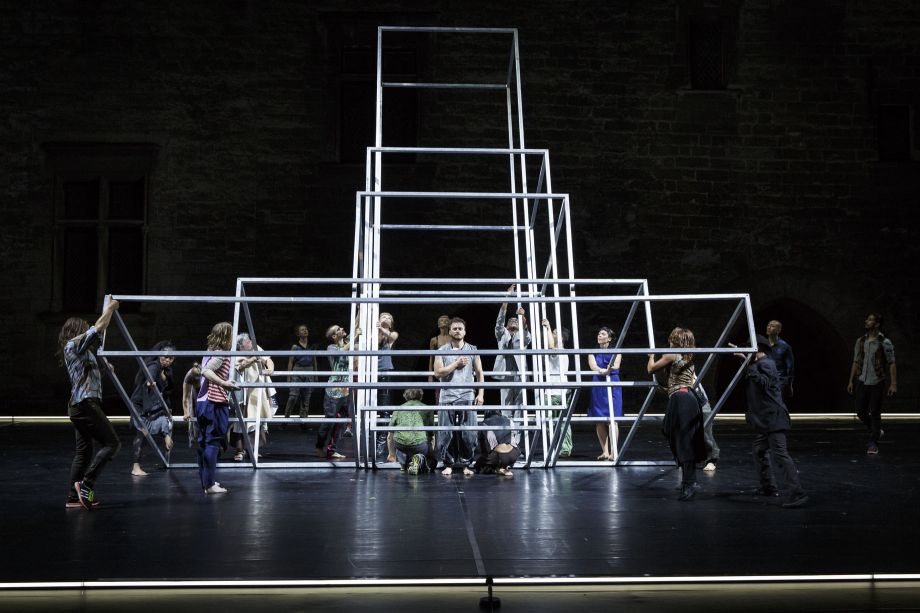
Babel 7.16 © Christophe Raynaud de Lage
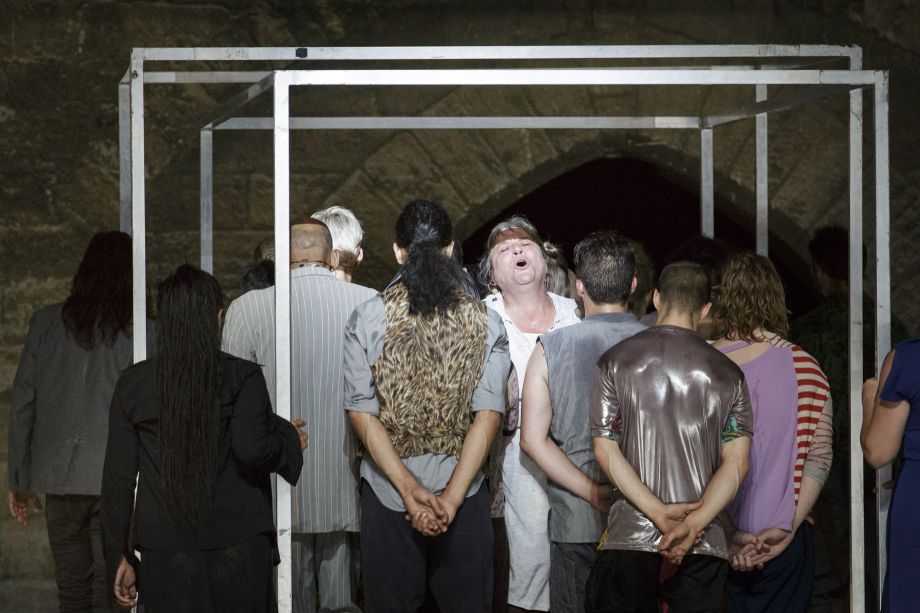
Babel 7.16 © Christophe Raynaud de Lage
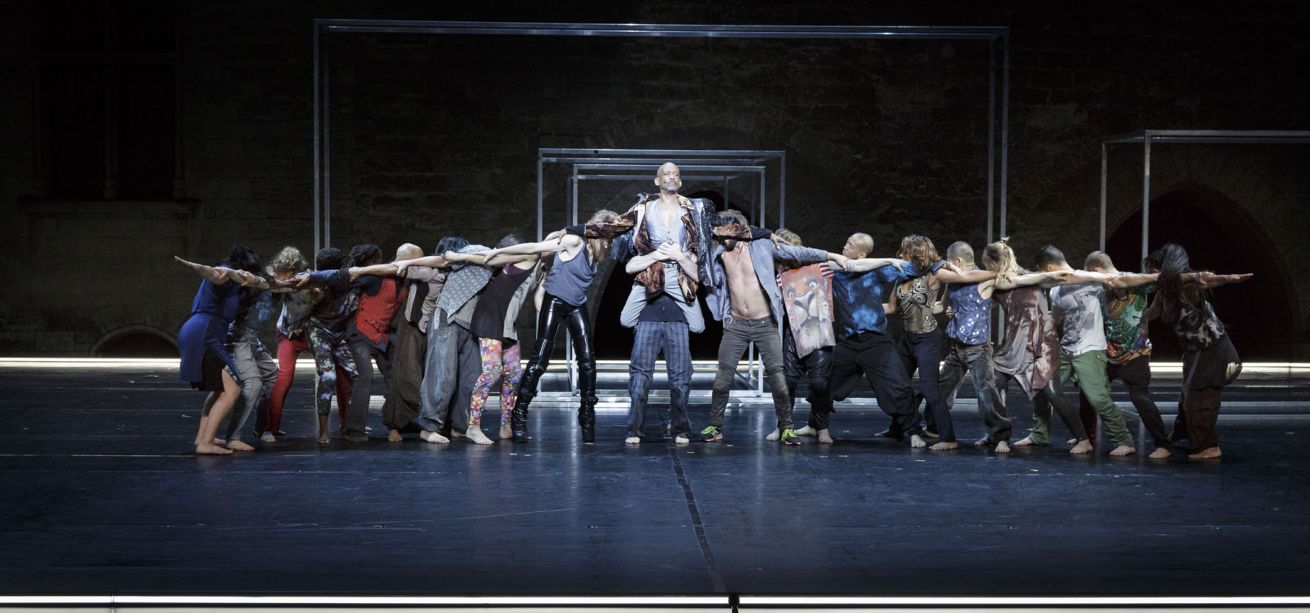
Babel 7.16 © Christophe Raynaud de Lage
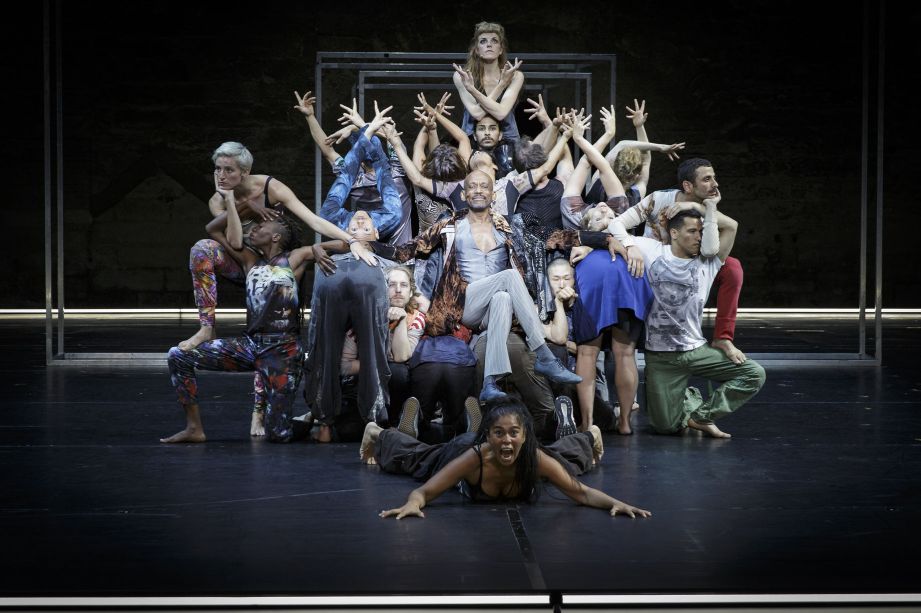
Babel 7.16 © Christophe Raynaud de Lage
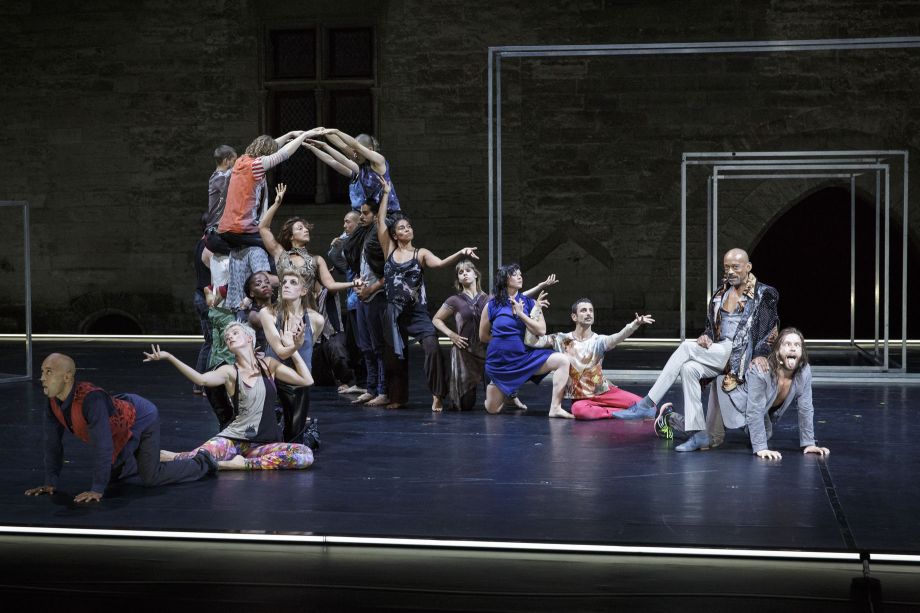
Babel 7.16 © Christophe Raynaud de Lage
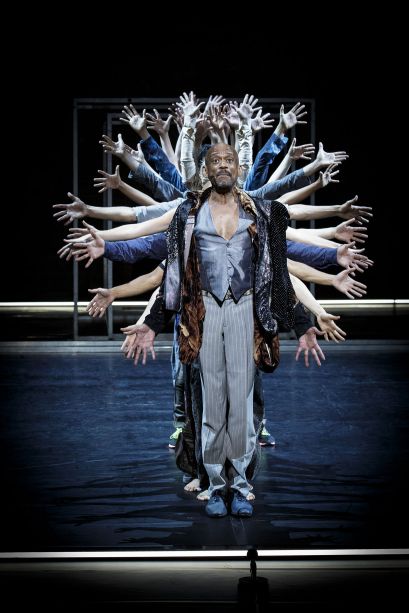
Babel 7.16 © Christophe Raynaud de Lage
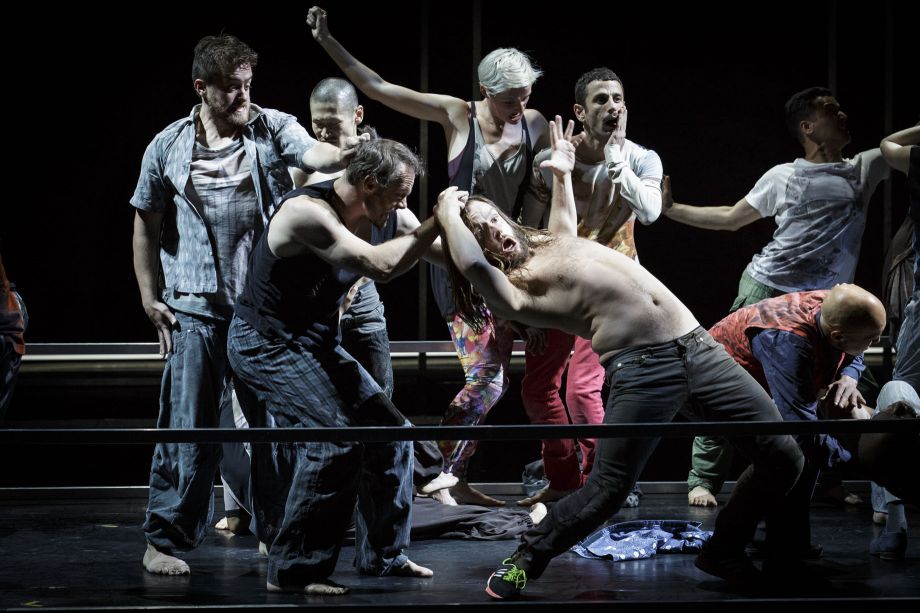
Babel 7.16 © Christophe Raynaud de Lage
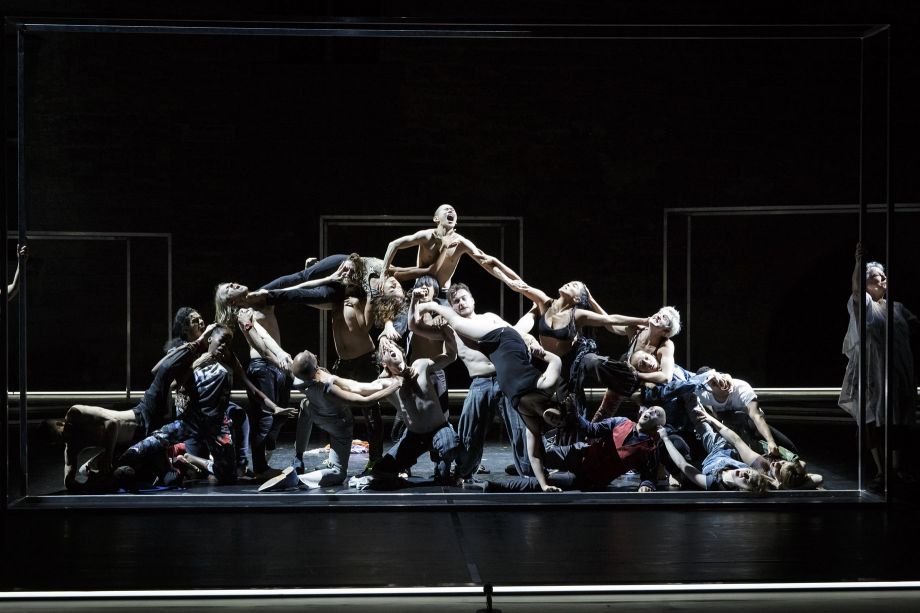
Babel 7.16 © Christophe Raynaud de Lage
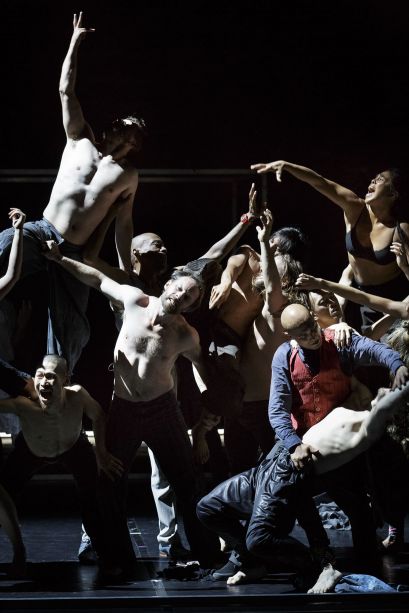
Babel 7.16 © Christophe Raynaud de Lage
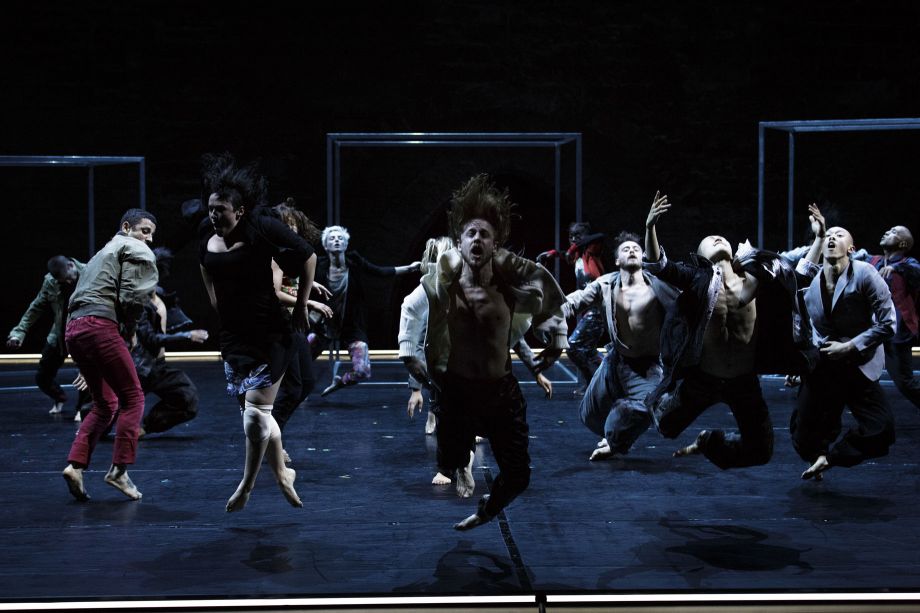
Babel 7.16 © Christophe Raynaud de Lage
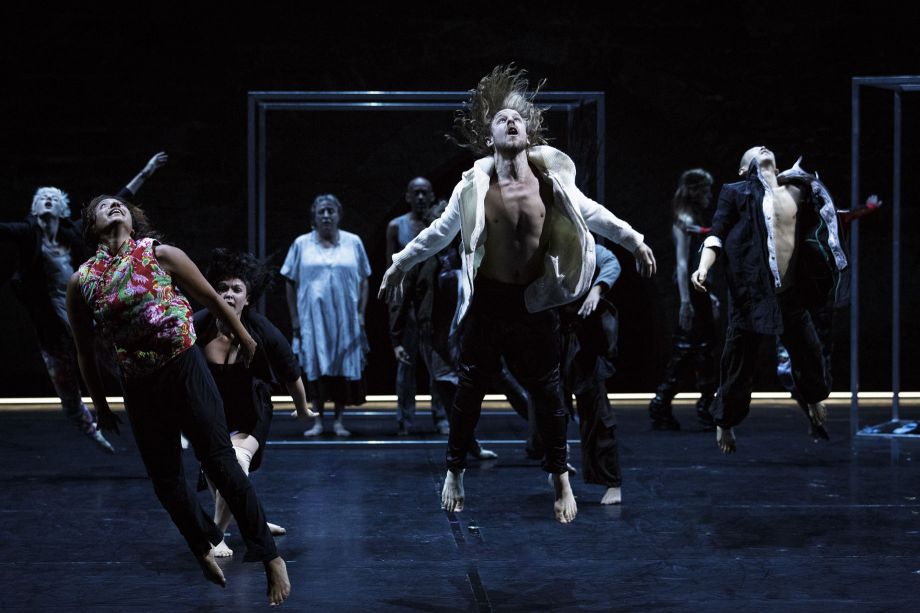
Babel 7.16 © Christophe Raynaud de Lage
© Bachibouzouk - France Télévisions - Festival d’Avignon - Festival d’Aix - 2016
“Babel 7.16: an update or a recreation?” Here is a question choreographers Sidi Larbi Cherkaoui and Damien Jalet like to ask. For the point today is no longer for audiences to see the show the way they did the Babel of 2010, the one that formed a triptych with Foi (Faith) and Myth, but to come to terms with our capability to accept the dichotomy between the immutability of identity and the necessity for evolution. The extension of the title says it all: 7.16 is as much a reference to coding as to the verses of a holy text, to a contemporary date or to the power of archaic numerology. “After what happened in November 2015, we thought it was important to 'say again.'” The play therefore calls on the shock of languages and bodies from different nationalities, on the diversity and the difficulty to coexist, bringing uniqueness and community face to face. It questions our relationship to change, when technology is constantly modifying our empathies and connections. Babel 7.16, like the original show, features two dancers sharing with humour their legacies, at once immutable and constantly changing. To dance that contradiction is akin to exploring words with the body, to dodge the trap of the unspeakable thanks to gestures and actions. In the original myth, God refused to share his domain, while men wanted to get closer to Him. “To share is a decision, an attitude, in particular when faced with traumatic events. Those moments when extreme solidarity faces our fear of sharing.” By inviting all the dancers that have made Babel a reference in the world of choreography to come onstage, the two Belgian artists—one Flemish and one Francophone, from a country at once divided and united—have put the concept of masses, of history, and of territory in the Cour d'honneur of the Palais des papes. In this heart of hearts, where the walls continue telling us stories of prerogatives and of the unchanging nature of power and of religion, yet also exalt and welcome life in all its complexities.
Sidi Larbi Cherkaoui
Flemish-Moroccan. Choreographer. Draughtsman. Vegan. Homosexual. A child of the suburbs. Artistic Director of the Royal Ballet of Flanders and his own company, Eastman. Sidi Larbi Cherkaoui never fails to remind us that our identities are fluid and multiple, never monolithic nor static. Such reminders resound in Babel 7.16, whose 'original version', Babel (Words) - made with long-time associates Damien Jalet and Antony Gormley - was an urgent enquiry into language and territory. This thirst to dialogue and join hands with his counterparts has been a constant in Cherkaoui's artistic DNA, as exemplified in pieces like Genesis with the Chinese dancer Yabin Wang, Dunas alongside flamenco exponent Maria Pagès and Ook, made with Nienke Reehorst and the mentally disabled actors of Theater Stap. But Cherkaoui's collaborations cut across all artistic disciplines: cinema, with Joe Wright's Anna Karenina; theatre, with Pluto, for the Bunkamura Theatre in Tokyo; the opera Shell Shock for La Monnaie in Brussels; and sequences of Cirque du Soleil shows Michael Jackson ONE and Kurios. In 2009, Cherkaoui was awarded the Kairos Prize by Alfred Töpfer Stiftung in recognition of his artistic philosophy, and in 2011, UNESCO lauded his work in “promoting intercultural dialogue between the Arab and Western worlds”. He returns to the Avignon Festival for the fifth time, after It (made with Wim Vandekeybus in 2002), Tempus Fugit (2004), Sutra (2008) and Puz/zle (2012).
Damien Jalet
The Franco-Belgian dancer and choreographer Damien Jalet began studying theatre at INSAS in Brussels before focussing on contemporary dance and completing his training in New York and Brussels. Babel 7.16 is another milestone in a long line of collaborations with Sidi Larbi Cherkaoui: Jalet danced in many of Cherkaoui's pieces (Rien de Rien, Foi, Myth, Shell Shock...) and co-choreographed several—notably, D'avant (2002) with two dancers from Sasha Waltz's company and Bolero (2013), made with Marina Abramovic for the Paris Opera Ballet. He works regularly with Icelandic choreographer Erna Ómarsdóttir. His appetite for cross-arts encounters has led to collaborative adventures with artists from very different backgrounds: theatre director Arthur Nauzyciel (L'image, Ordet, Jan Karski, la mouette, Splendid's...), American visual artist Jim Hodges (yama, THR(O)UGH), fashion designer Hussein Chalayan (gravity fatigue) and philosopher Giorgio Agemben (il cielo sulla terra). In 2013, he explored the possibilities of working in a symbolic space steeped in history by creating a site-responsive nocturnal promenade piece, Les Médusés–performed by 23 dancers–for the Louvre Museum. Currently artist-in-residence at the Villa Kujoyama in Japan, he is working with sculptor Kohei Nawa. He was awarded the title “chevalier de l'ordre des Arts et des Lettres” in 2013.
Choreography Sidi Larbi Cherkaoui, Damien Jalet
Music Patrizia Bovi, Mahabub Khan, Sattar Khan, Gabriele Miracle, Shogo Yoshii
Music advisor Fahrettin Yarkin
Stage design Antony Gormley
Choreography assistant Nienke Reehorst
Dramaturgy Lou Cope
Text Lou Cope, Vilayanur Ramachandran
Costumes Alexandra Gilbert
Lights Urs Shoenenbaum, Adam Carrée
Avec Aimilios Arapoglou, Magali Casters, Navala "Niku"Chaudhari, Sandra Delgadillo, Francis Ducharme, Jon Filip Fahlstrom, Leif Federico Firnhaber, Darryl E. Woods, Damien Fournier, Ben Fury, Aliashka Hilsum, Ulrika Kinn Svensson, Kazutomi "Tsuki" Kozuki, Paea Leach, Josepha Madoki, Christine Leboutte, Nemo Oeghoede, James O'Hara, Helder Seabra, Mohamed Toukabri, Majon van der Schot, James Vu Ahn Pham and the musicians Kazunari Abe, Patrizia Bovi, Mahabub Khan, Sattar Khan, Gabriele Miracle, Shogo Yoshii
Production Eastman, La Monnaie/De Munt (Bruxelles)
Co-production Sadler's Wells (Londres), Fondazione Musica per Roma, Grand Théâtre de Luxembourg, Company Foundation Hermès, Theaterfestival Boulevard ('s HertogenBosch), Migros Culture Percentage Dance Festival Steps (Zürich), Ludwigsburger Schlossfestspiele, Festspielhaus Sankt-Pölten, La Villette (Paris)
With the support of Dash Arts 2010 program on Arabic Arts, Garrick Charitable Trust, BNP Paribas Foundation, gouvernement of Flanders and Antwerp City
Leaflet (In English)
Download the pdf
Interview with Sidi Larbi Cherkaoui and Damien Jalet
download the PDF