
Choreography ALI CHAHROUR
Beirut
Focus Middle East
Running time 55mn
|
W 6 |
T 7 |
F 8 |
S 9 |
S 10 |
M 11 |
T 12 |
W 13 |
T 14 |
F 15 |
S 16 20h |
S 17 20h |
M 18 20h |
T 19 |
W 20 |
T 21 |
F 22 |
S 23 |
S 24 |
|
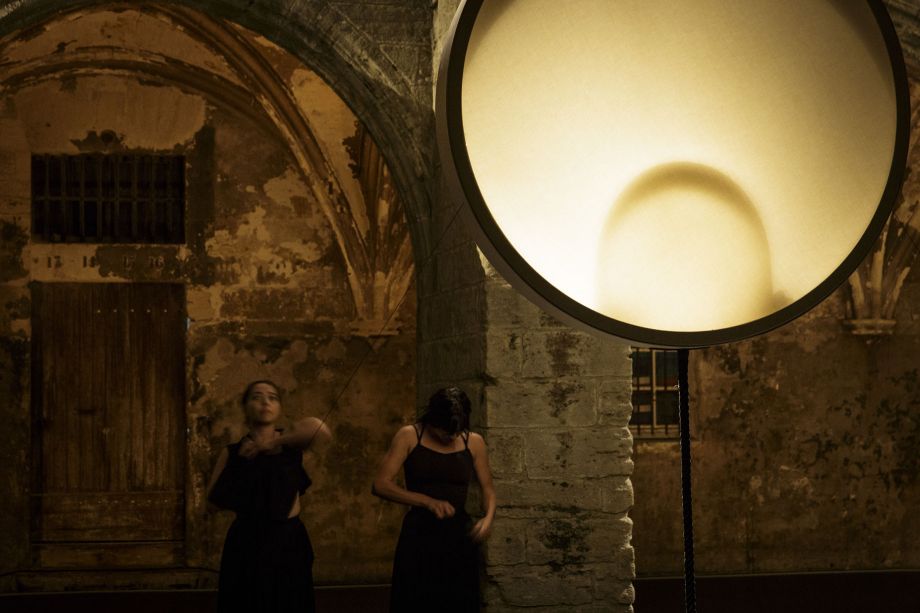
Fatmeh © Christophe Raynaud de Lage
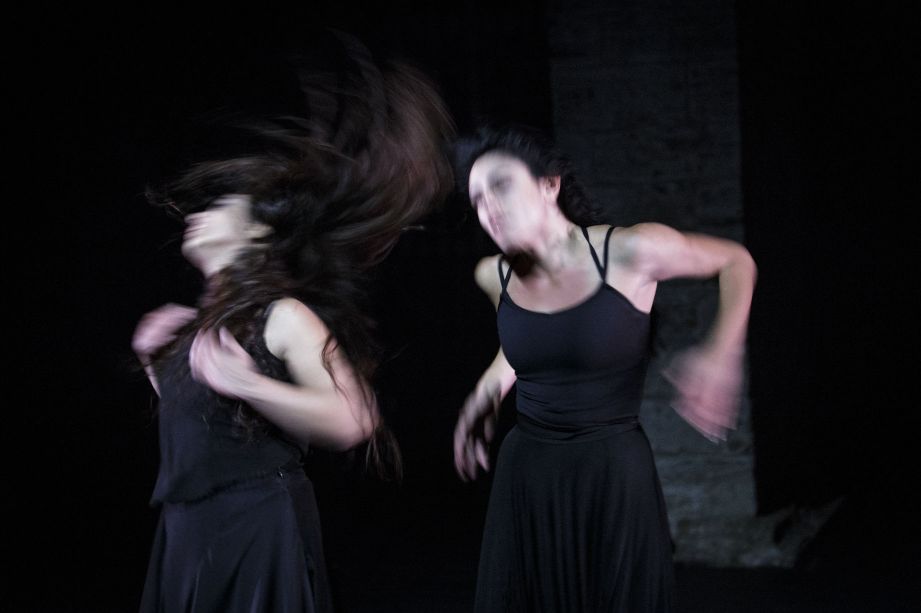
Fatmeh © Christophe Raynaud de Lage
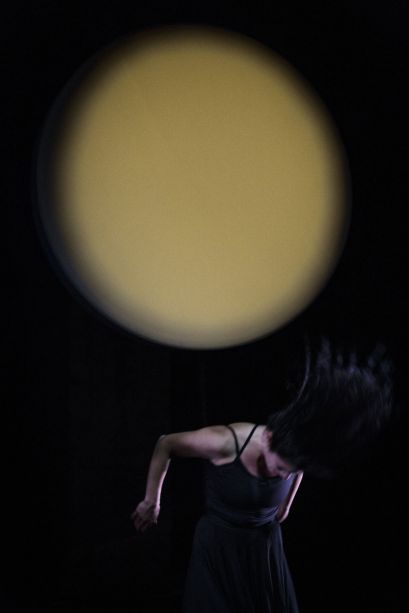
Fatmeh © Christophe Raynaud de Lage
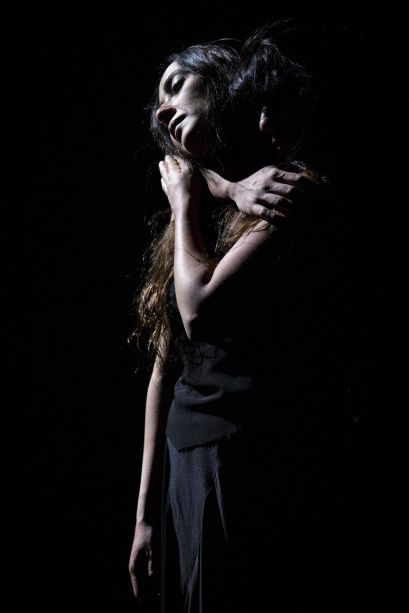
Fatmeh © Christophe Raynaud de Lage
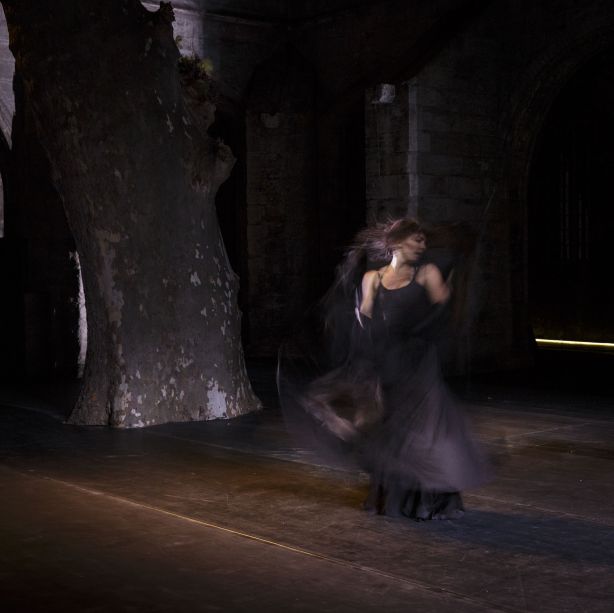
Fatmeh © Christophe Raynaud de Lage
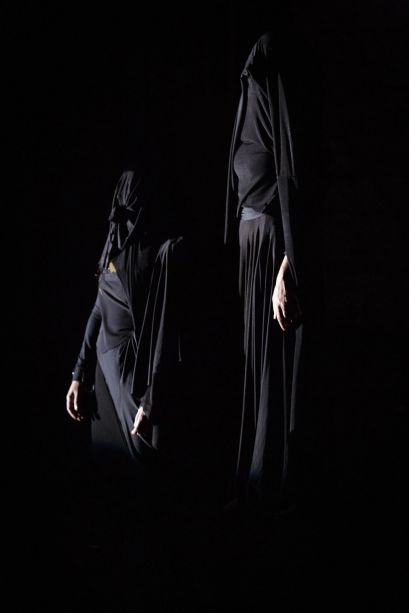
Fatmeh © Christophe Raynaud de Lage
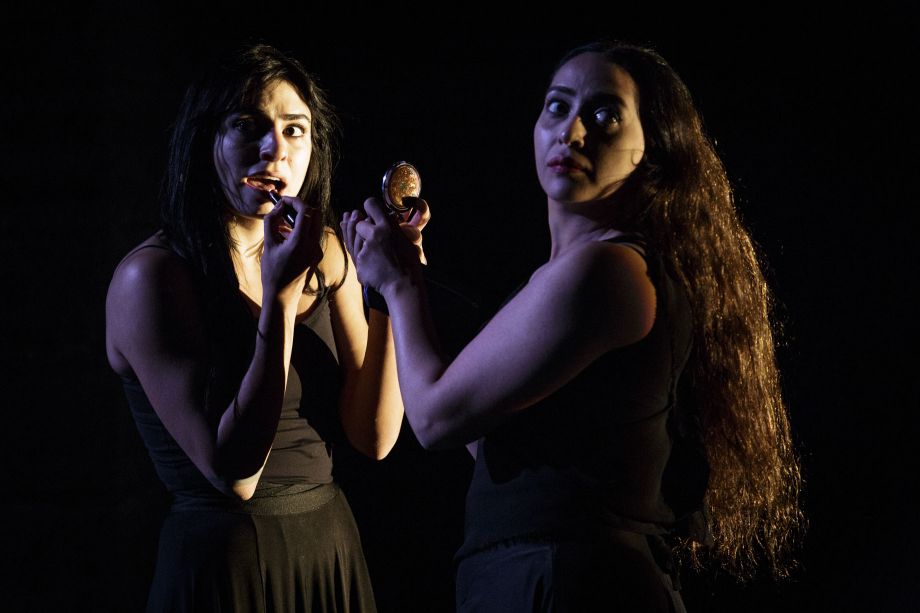
Fatmeh © Christophe Raynaud de Lage
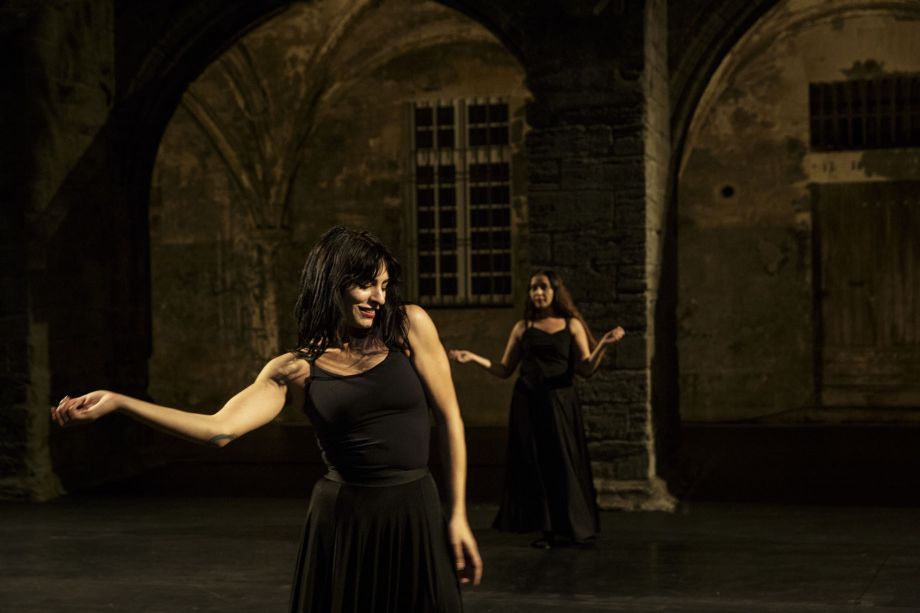
Fatmeh © Christophe Raynaud de Lage
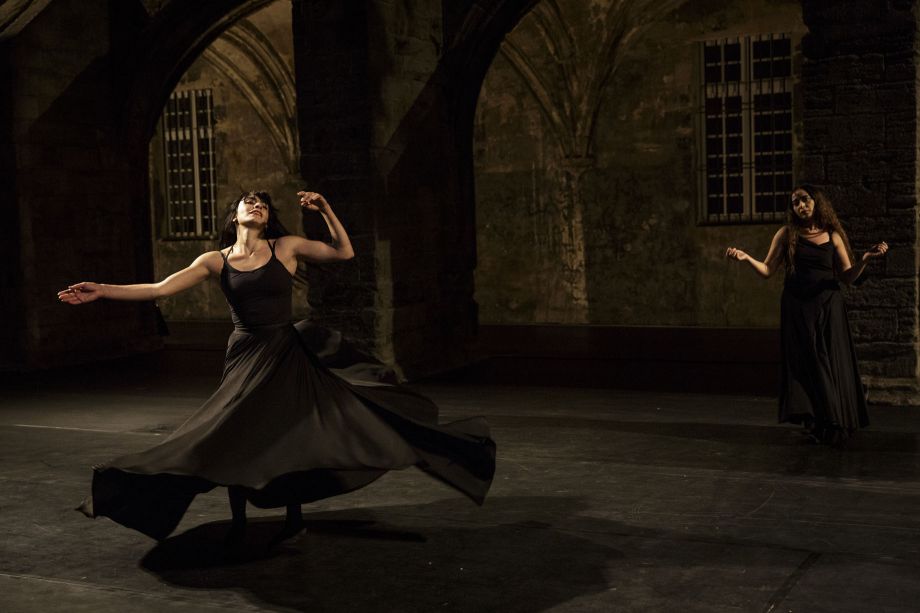
Fatmeh © Christophe Raynaud de Lage
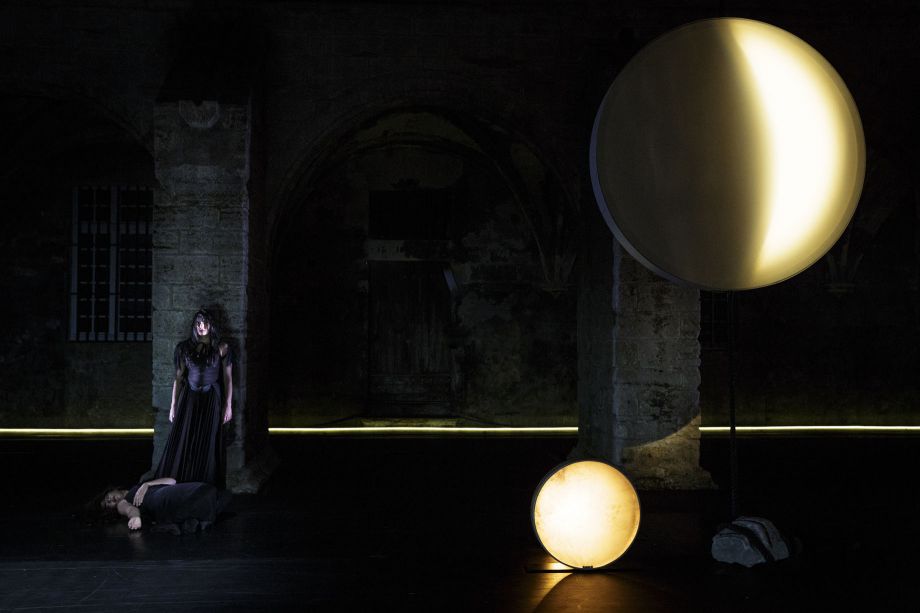
Fatmeh © Christophe Raynaud de Lage
“Dweller of the desert, You taught me how to cry. Your memory made me forget all the catastrophes. And even absent and under the ground, You will always be present in my sad heart.” Fatmeh. Fatmeh, a first name that haunts popular culture throughout the Arab world. The name of the daughter of the Prophet Muhammad, a daughter whose poetic lamentations – written in the 7th century – are recited in this show that bears her name. And for the audience, it's an opportunity to witness the other side of Ali Chahrour's research about sadness, which ended with Leïla se meurt (Leila's Death), and to hear this sacred voice resonating with the secular voice of Umm Kulthum, Egyptian diva of the 1930s nicknamed the Star of the East. Two women singing their joy and their pain, with whom the Lebanese choreographer, in a ceremony he reinvented, opens a dialogue to question what is allowed and what is taboo. So many attitudes he questions on the stage, which becomes a space of freedom close to that of those ritual celebrations of mourning, the only moment in the religious culture to which he belongs when “the body can express itself freely” through open displays of emotion. A body freed from all technique, like that of his non-professional performers, whom Ali Chahrour chose to get as close as possible to “the raw movement of what is sacred.”
Ali Chahrour
At the Institut national des Beaux-Arts in Beirut, in which Ali Chahrour enrolled in 2008, “dramatic dance,” the only choreographic training available at the university level in Lebanon, is taught as a second-year class as part of the dramatic arts curriculum. In that class, he caught the eye of his professor, Omar Rajeh, who hired him in his company. As a student, Ali Chahrour participated in numerous internships and workshops, in order to diversify his approach to movement. During that time, the young dancer learned to “struggle to create,” and sketched his first show, On the Lips Snow, a duo about the end of love, which he presented in Beirut and in the Netherlands in 2011, shortly after graduating. The following year, he created Danas, which “studies the everyday violence to which the body is subjected,” the beginning of an aesthetics he then began to build on, “without compromising,” in the social, political, and religious context that is his: a rejection of the formatted bodies of western contemporary dance in order to showcase a corpus “that has forgotten the great stories of the Arab world.” His latest creations, Fatmeh and Leila's Death, question Shiite rituals and their contemporary transformations.
Choreography Ali Chahrour
Design stage Nathalie Harb
Music Sary Moussa
Lights Guillaume Tesson
Costumes Bird on a Wire
Artistic advisers Abdallah Al Kafri, Junaid Sariedeen
Assistant director Haera Slim
With Rania Al Rafei, Yumna Marwan
Production Ali Chahrour in collaboration with Zoukak Theater company
Co-production La Ressource culturelle (Al Mawred Al Thaqafy), AFAC Arab Fund for Arts and Culture
With the support of Houna Center and BNP Paribas Foundation
In partnership with RFI, France 24 and Monte Carlo Doualiya