

Based on the text of Robert Walser
Direction BÉRANGÈRE VANTUSSO
Épinal - Lille
Creation 2016
Running time 1h45
|
W 6 |
T 7 |
F 8 13h |
S 9 13h |
S 10 |
M 11 13h |
T 12 13h |
W 13 13h |
T 14 |
F 15 |
S 16 |
S 17 |
M 18 |
T 19 |
W 20 |
T 21 |
F 22 |
S 23 |
S 24 |
|
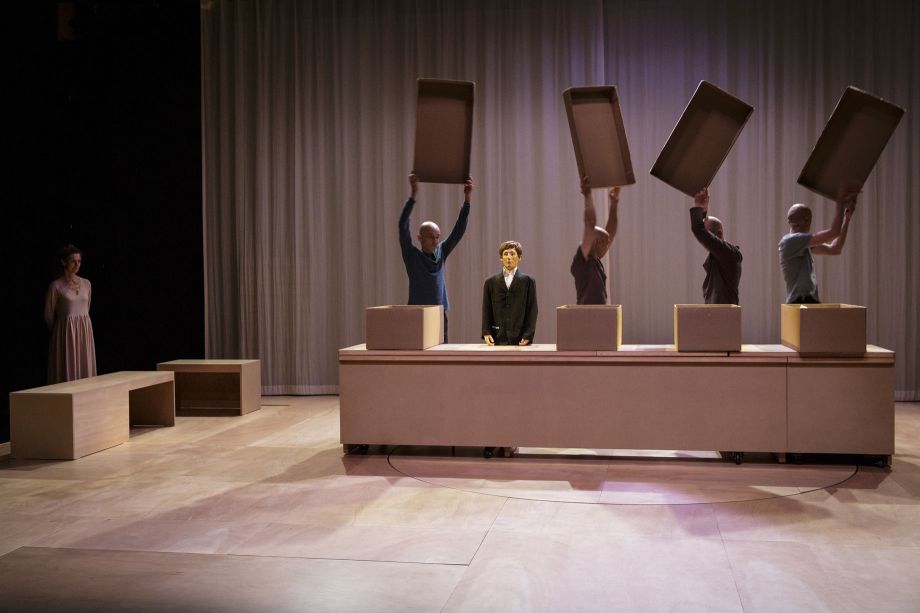
Institute Benjamenta © Christophe Raynaud de Lage
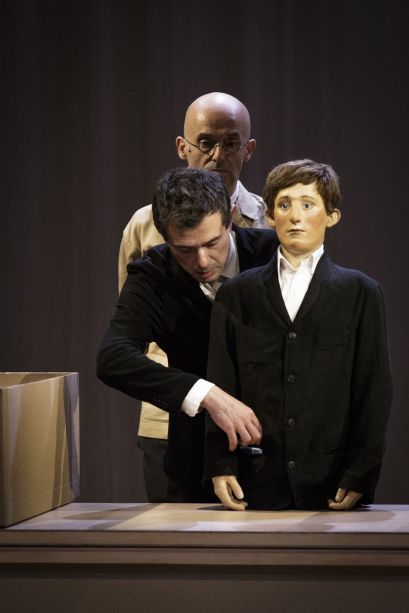
Institute Benjamenta © Christophe Raynaud de Lage
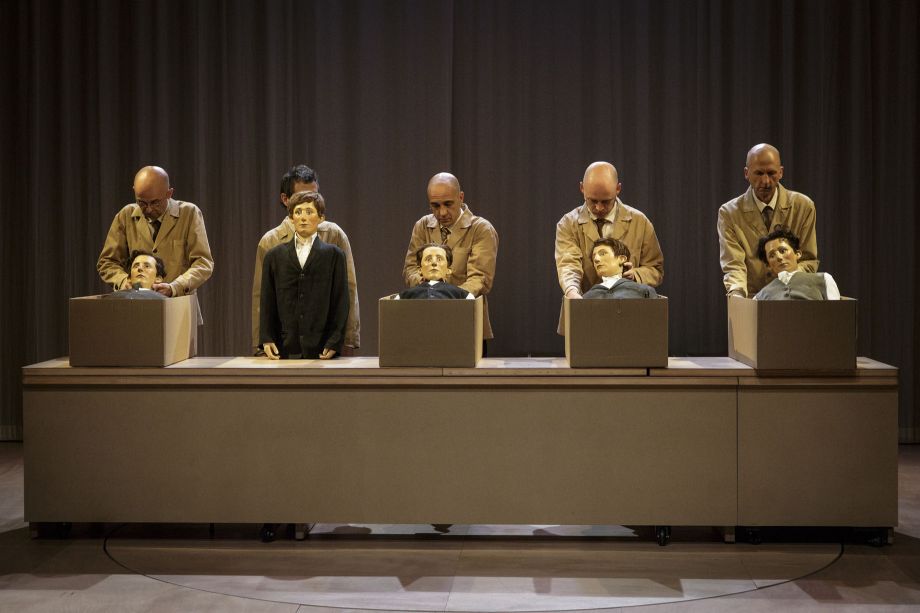
Institute Benjamenta © Christophe Raynaud de Lage
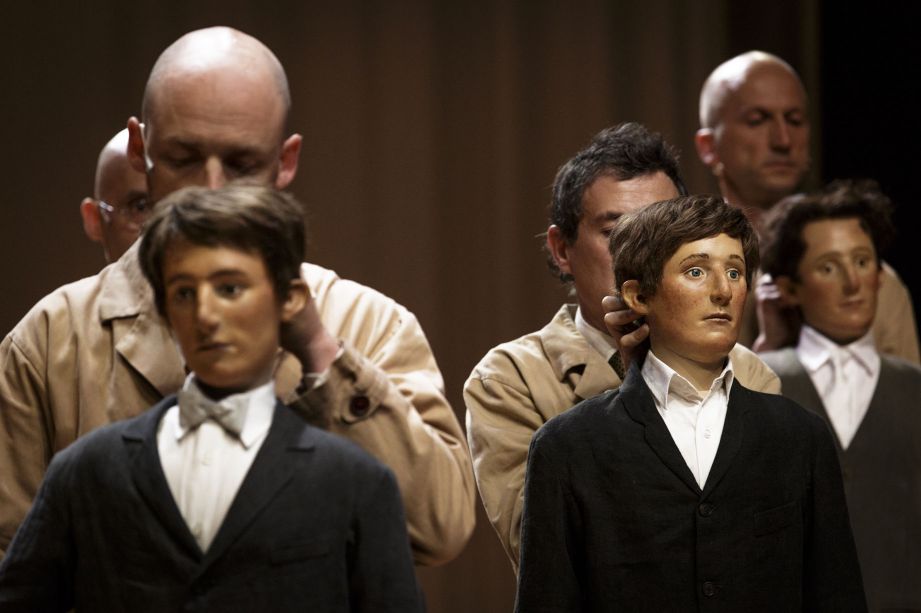
Institute Benjamenta © Christophe Raynaud de Lage
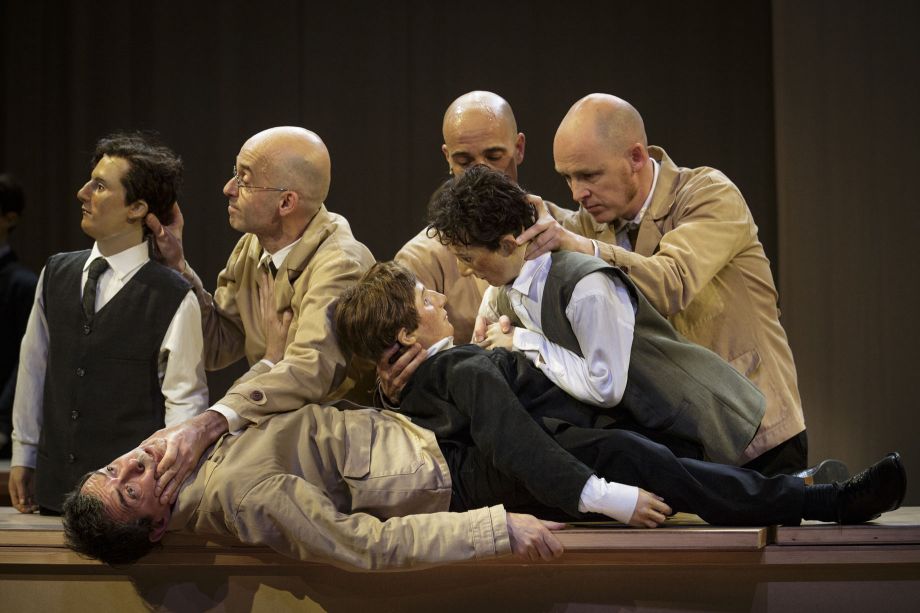
Institute Benjamenta © Christophe Raynaud de Lage
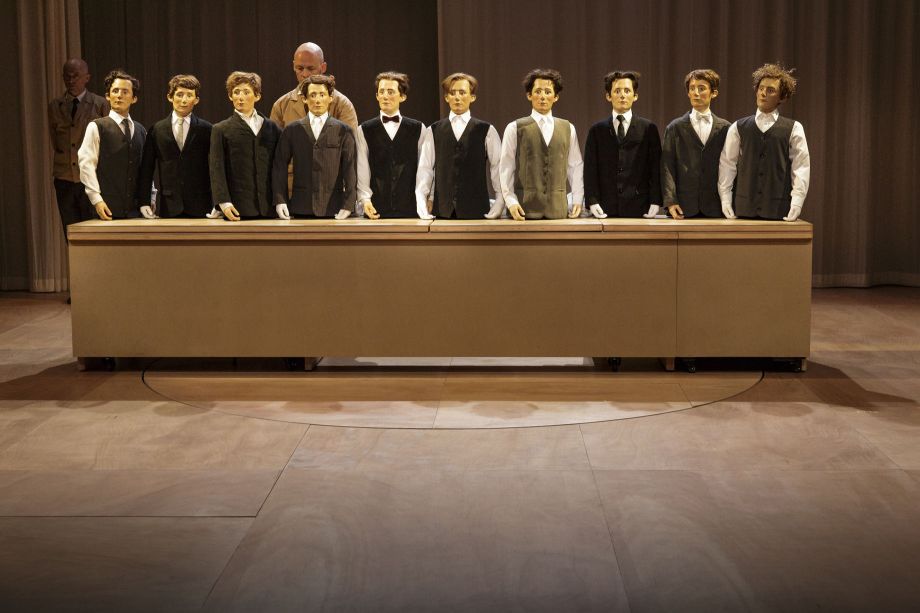
Institute Benjamenta © Christophe Raynaud de Lage
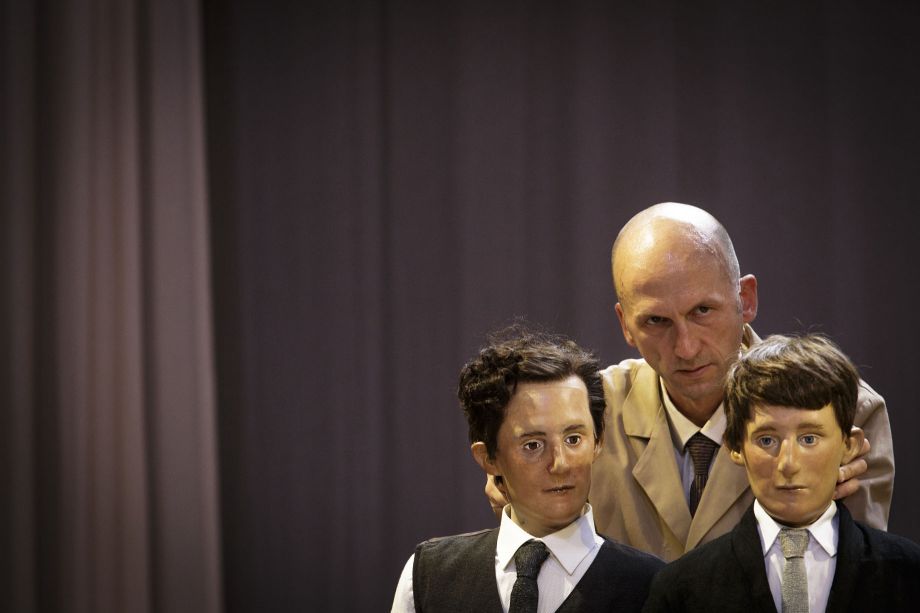
Institute Benjamenta © Christophe Raynaud de Lage
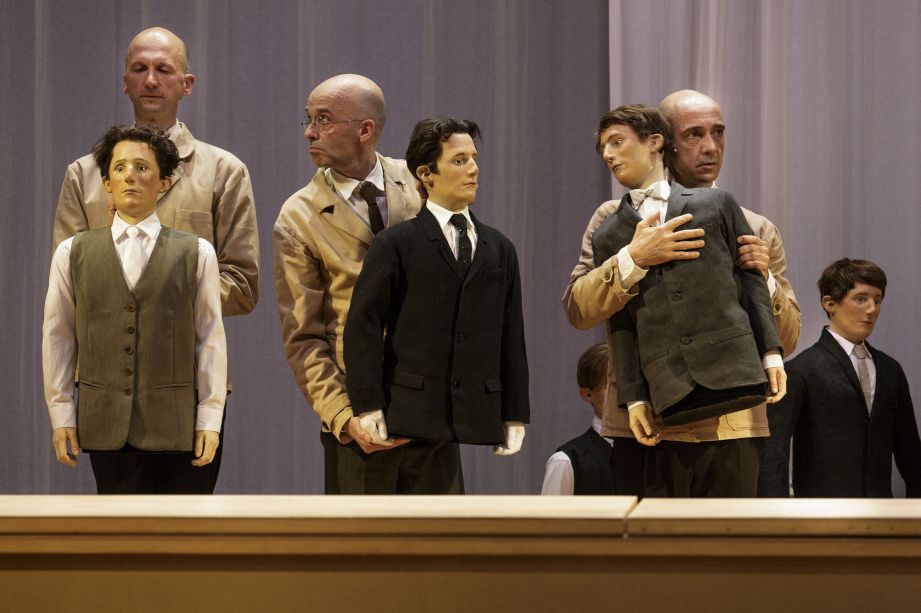
Institute Benjamenta © Christophe Raynaud de Lage
Institute Benjamenta © Christophe Raynaud de Lage
Institute Benjamenta © Christophe Raynaud de Lage
Institute Benjamenta © Christophe Raynaud de Lage
Institute Benjamenta © Christophe Raynaud de Lage
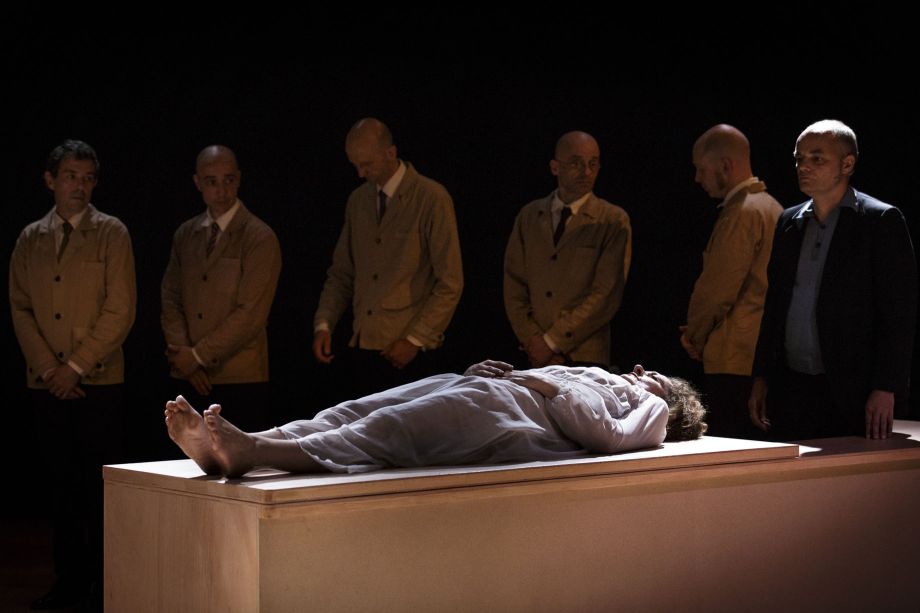
Institute Benjamenta © Christophe Raynaud de Lage
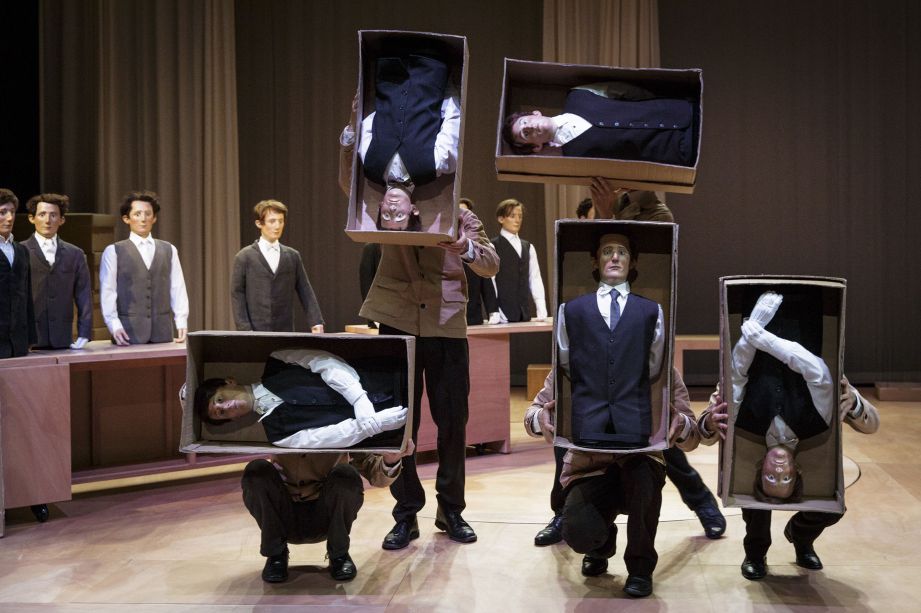
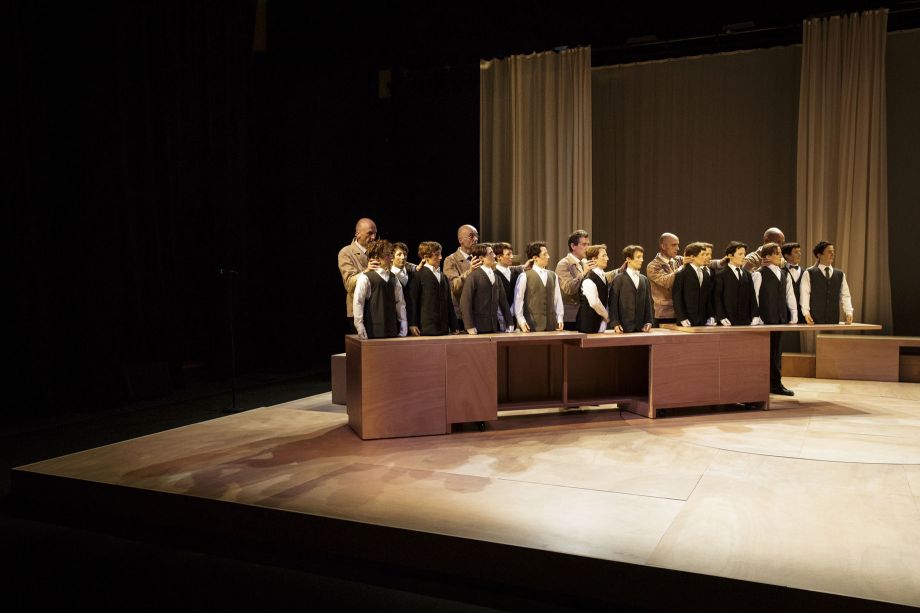
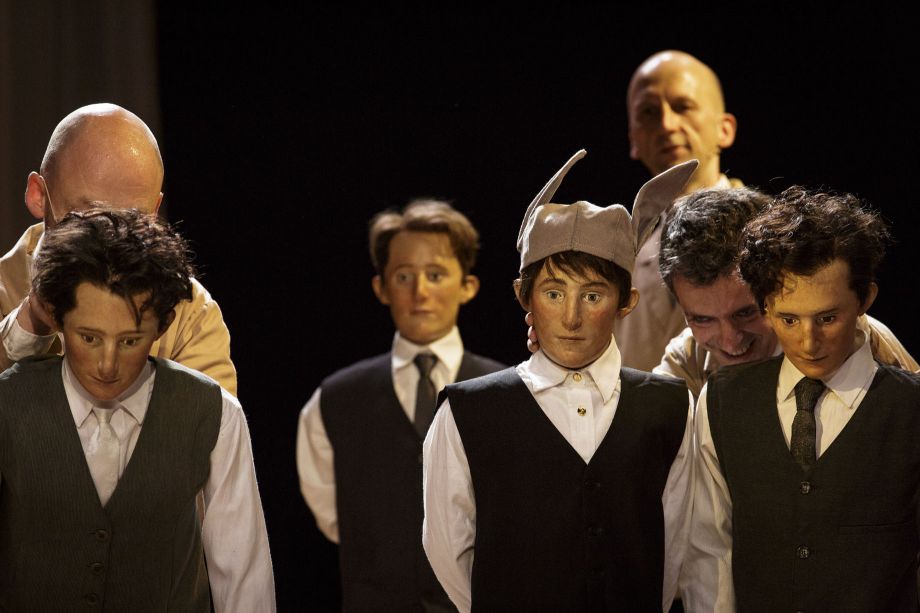
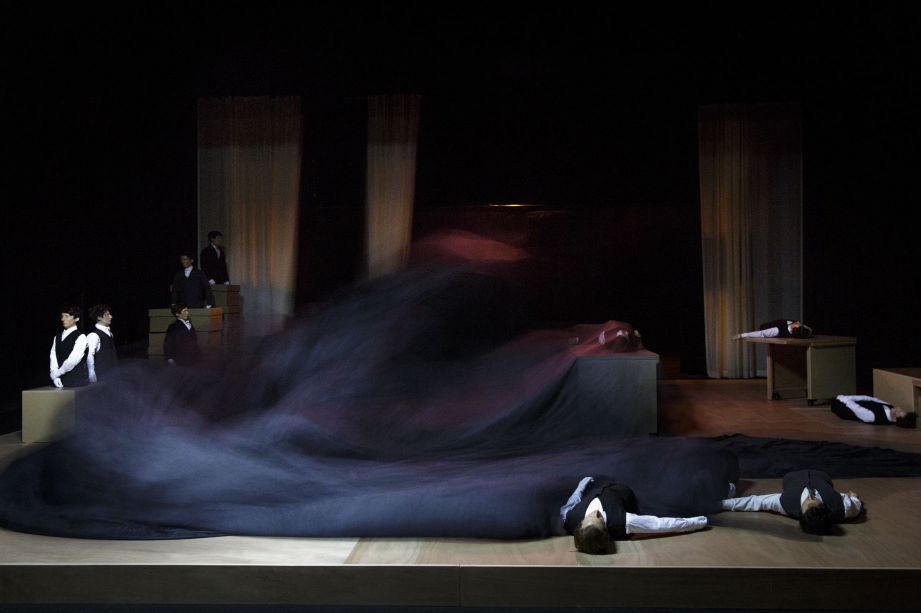
Although he hails from a noble family, Jacob von Gunten is determined to become “a charming, big round zero.” He enrolls in the Institute Benjamenta, a school for domestic servants named after its director. The “sacrosanct” rules, the strictly-regimented behaviour, the outfit, and the humility that his new station requires are so many topics that entertain Jacob and that he records in his diary, the form Robert Walser gave to his novel. Part reflection about the status of servant, part account of what happens at the institute until its upheaval, Jacob's writing is always subject to a central doubt: could he be mistaken about what he's seeing? Has he really lived through it, or merely dreamed it? Bérangère Vantusso reinforces that sense of confusion by using both actors and hyperrealist puppets to tell this story of masters and servants, of death and rebirth. Inspired by bunraku, Japanese puppet theatre, the director separates voices and bodies and makes Jacob her main reciter, until narration gives way to action. The puppets thus become the ideal figures of this “zero” from which everything can happen; the circle of possibilities widens and, with it, the dream.
Bérangère Vantusso
After training as an actress at the CDN in Nancy, Bérangère Vantusso first encountered puppet theatre in 1998, while studying at the Sorbonne Nouvelle. She immediately identified that art as the crucial point of her research about incarnation and stage speech, and soon started working as a puppeteer with François Lazaro, then with Emilie Valantin. Determined to bring together puppets and contemporary texts, and to show that puppet theatre isn't only meant for children, she directed part of Heiner Müller's Germania Death in Berlin in 1999, and founded the company trois-six-trente. An associate artist and teacher in several national theatres, she works on her own projects (among which Jon Fosse's Kant in 2007; Maurice Maeterlinck's The Blind in 2008; Jon Fosse's Violet in 2012; Personne(s), which she co-wrote with Marguerite Bordat, in 2013; Eddy Pallaro's Le Rêve d'Anna (Anna's Dream) in 2014), while creating puppets for other directors. Working on the hyperrealism of those characters she always combines with actual actors, Bérangère Vantusso likes to play along the border between convention and illusion.
Robert Walser
Swiss writer Robert Walser published three novels during his life (The Tanners in 1907, The Assistant in 1908, and Jakob von Gunten in 1909) as well as many shorter works, poems, and short stories. The Walk shows us how he looked at the world, identifying large upheavals while apparently making it a point to describe the surface of things as well as their details. Having worked as a servant, a bank teller, and a librarian, the modest Robert Walser was admired by writers such as Kafka and Musil. Haunted by violent dreams and deep anxieties, he entered a psychiatric hospital in 1929, where he died in 1956.
Adaptation Bérangère Vantusso et Pierre-Yves Chapalain
Direction Bérangère Vantusso
Artistic collaboration and stage design Marguerite Bordat
Mouvements collaborator Stéfany Ganachaud
Music Arnaud Paquotte
Lights Jean-Yves Courcoux
Costumes Sara Bartesaghi-Gallo
Puppets Marguerite Bordat, Einat Landais, Cerise Guyon, Carole Allemand, Michel Ozeray
Wigs Nathalie Régior, Déborah Boucher
With Boris Alestchenkoff, Pierre-Yves Chapalain, Anne Dupagne, Guillaume Gilliet, Christophe Hanon, Philippe Richard, Philippe Rodriguez-Jorda
Production Compagnie trois six trente
Co-production Théâtre du Nord Centre dramatique national Lille Tourcoing Nord-Pas de Calais, Théâtre Olympia Centre dramatique régional de Tours, Théâtre de Sartrouville et des Yvelines Centre dramatique national, Festival d'Avignon, TJP Centre dramatique national d'Alsace Strasbourg, Scènes Vosges à Épinal, Théâtre Jean Arp de Clamart, L'Hectare de Vendôme, Festival mondial des Théâtres des marionnettes de Charleville-Mézières
With the support of Spedidam and Adami
Hosted studio and residence at Maison du Comédien Maria Casarès
L'Institut Benjamenta by Robert Walser, translation Marthe Robert, is published by éditions Gallimard, collection L'Imaginaire.