
based on The Brothers Karamazov by Fyodor Dostoyevsky
Direction JEAN BELLORINI
Saint-Denis
Creation 2016
Running time 5h30
|
W 6 |
T 7 |
F 8 |
S 9 |
S 10 |
M 11 19h 30 |
T 12 19h 30 |
W 13 19h 30 |
T 14 |
F 15 19h 30 |
S 16 19h 30 |
S 17 19h 30 |
M 18 19h 30 |
T 19 19h 30 |
W 20 |
T 21 19h 30 |
F 22 19h 30 |
S 23 |
S 24 |
|
Karamazov © Christophe Raynaud de Lage
Karamazov © Christophe Raynaud de Lage
Karamazov © Christophe Raynaud de Lage
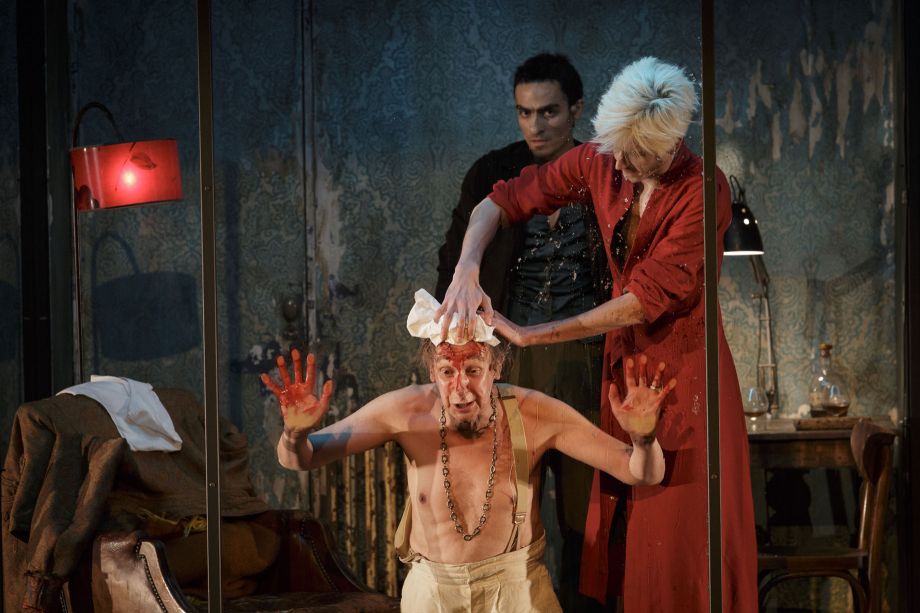
Karamazov © Christophe Raynaud de Lage
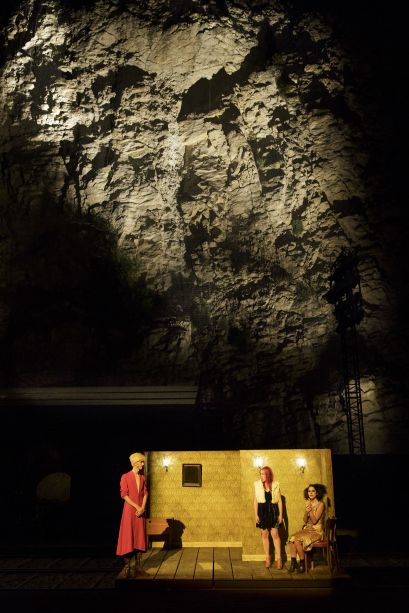
Karamazov © Christophe Raynaud de Lage
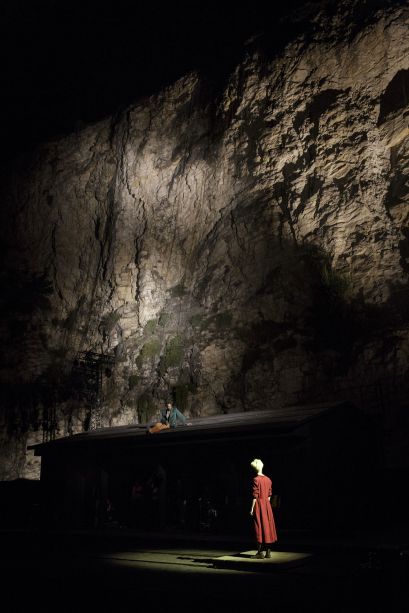
Karamazov © Christophe Raynaud de Lage
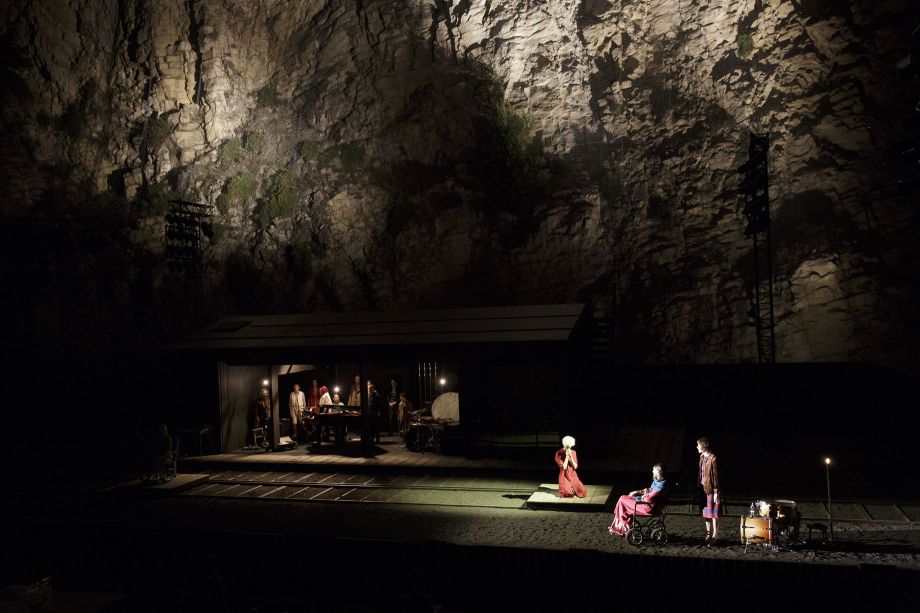
Karamazov © Christophe Raynaud de Lage
Karamazov © Christophe Raynaud de Lage
Karamazov © Christophe Raynaud de Lage
Karamazov © Christophe Raynaud de Lage
Karamazov © Christophe Raynaud de Lage
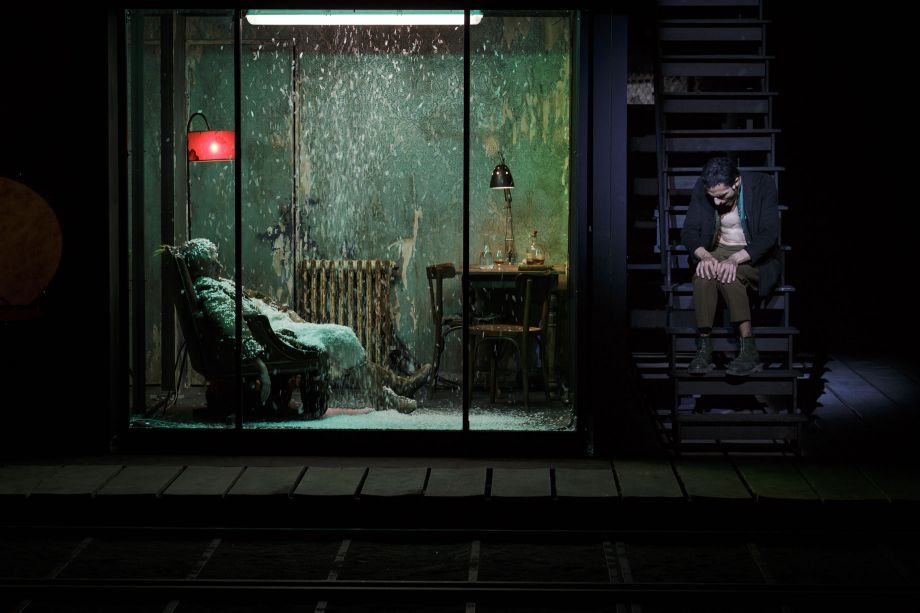
Karamazov © Christophe Raynaud de Lage
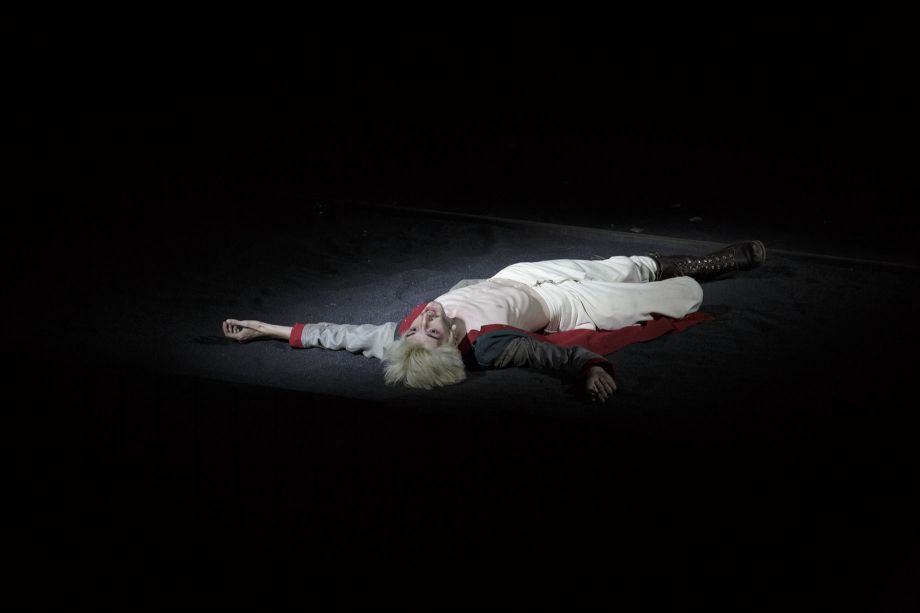
Karamazov © Christophe Raynaud de Lage
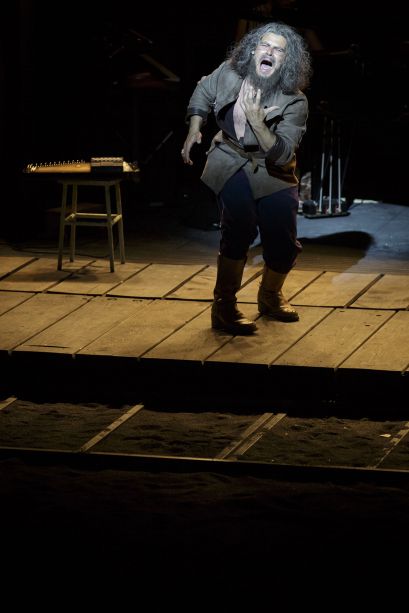
Karamazov © Christophe Raynaud de Lage
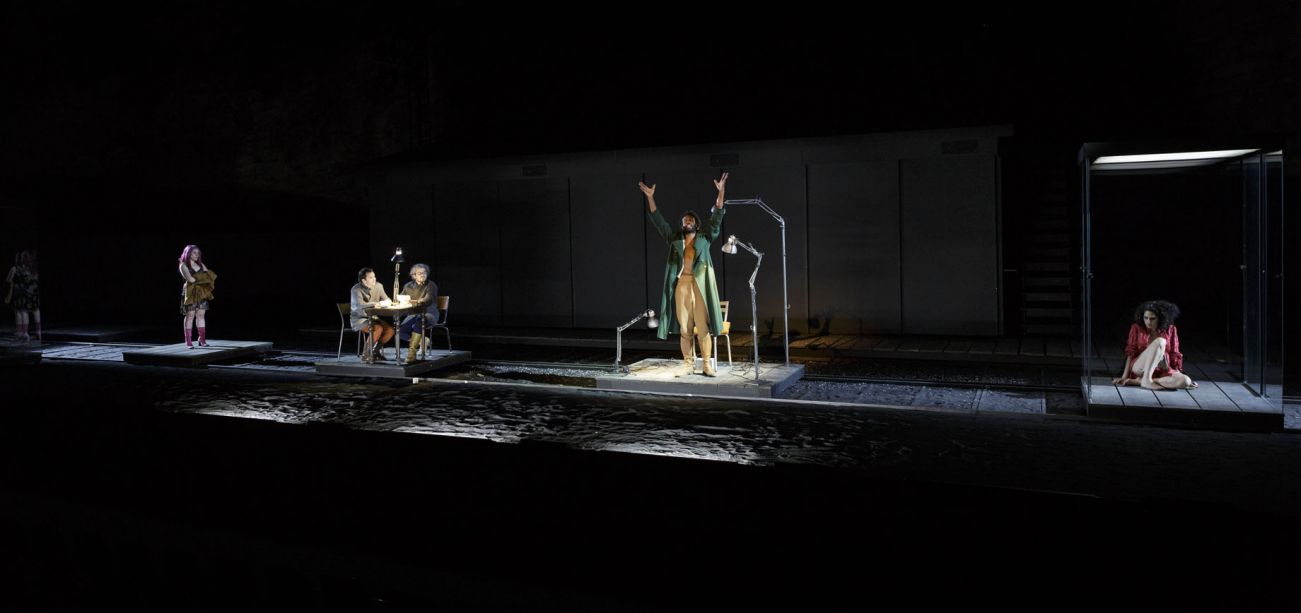
Karamazov © Christophe Raynaud de Lage
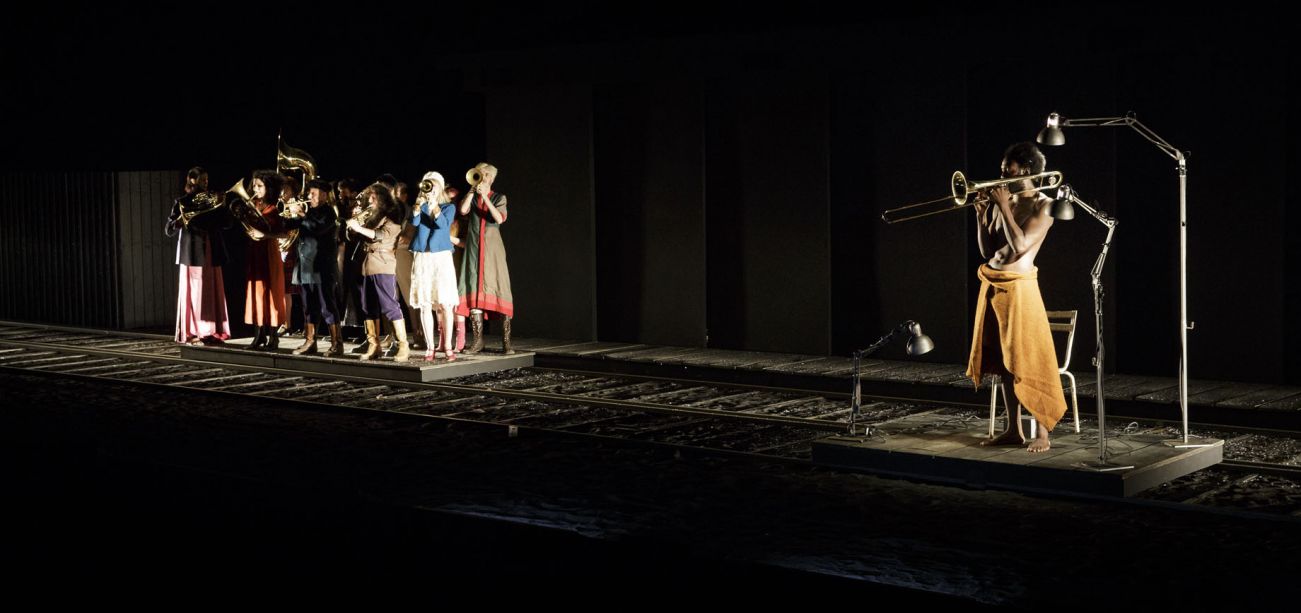
Karamazov © Christophe Raynaud de Lage
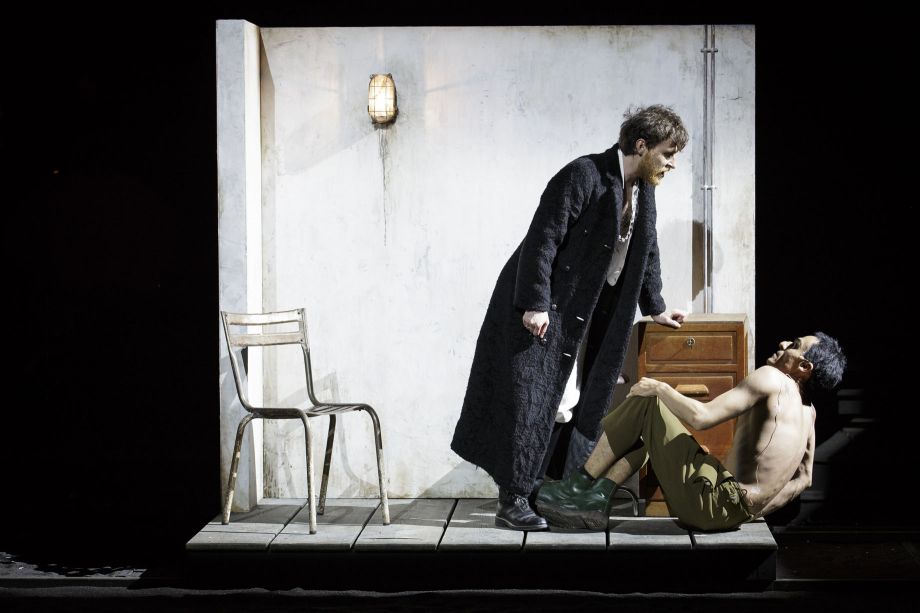
Karamazov © Christophe Raynaud de Lage
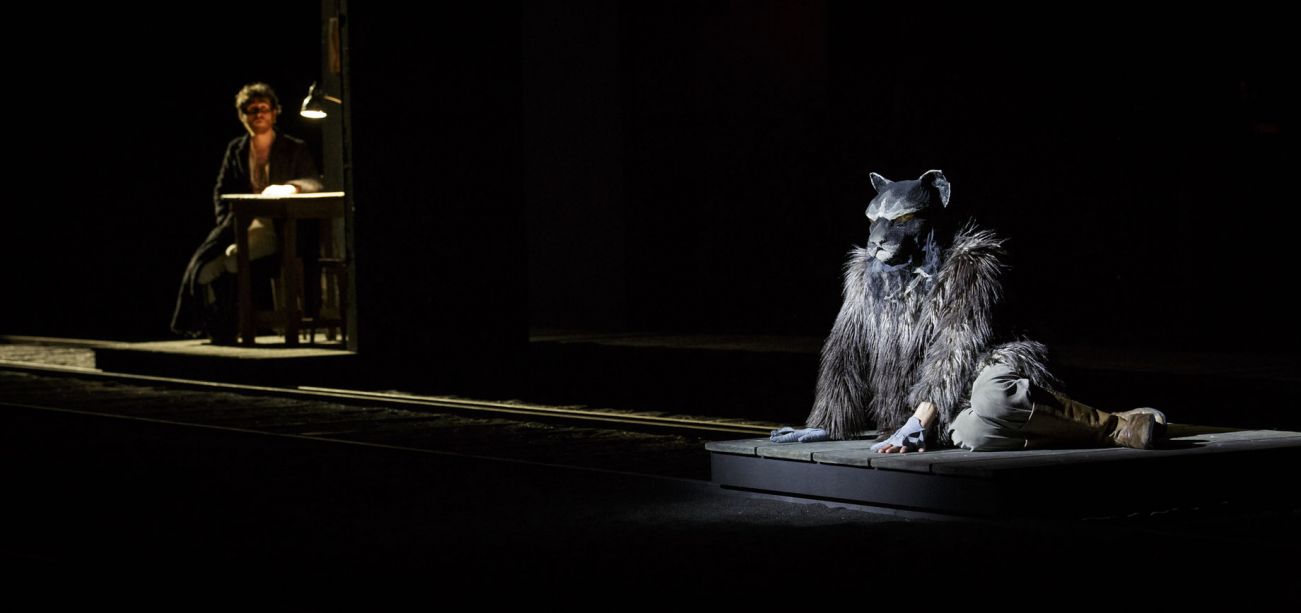
Karamazov © Christophe Raynaud de Lage
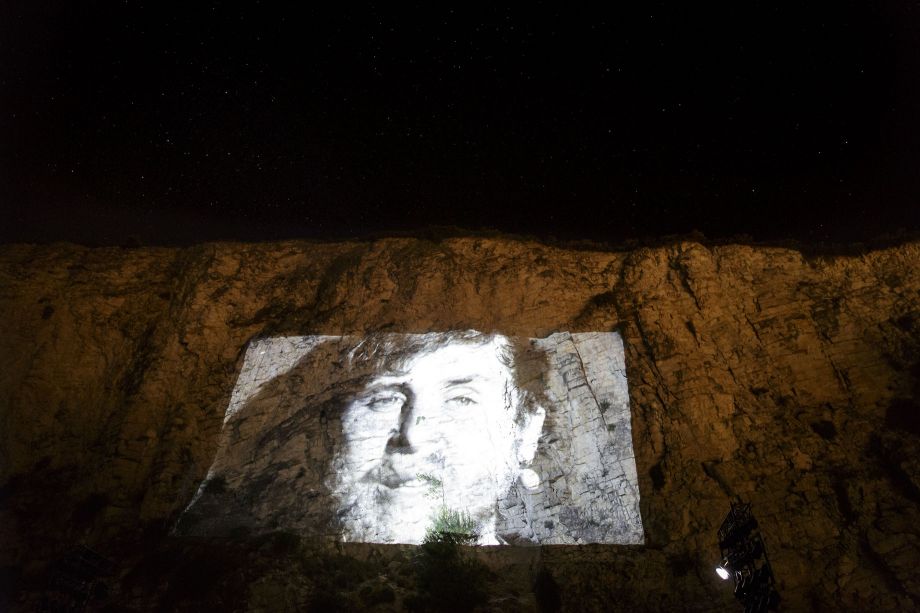
Karamazov © Christophe Raynaud de Lage
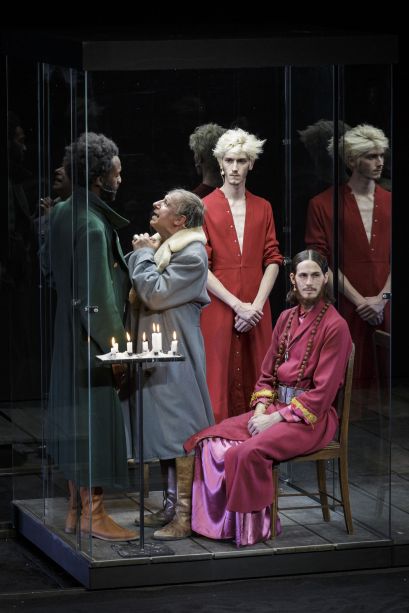
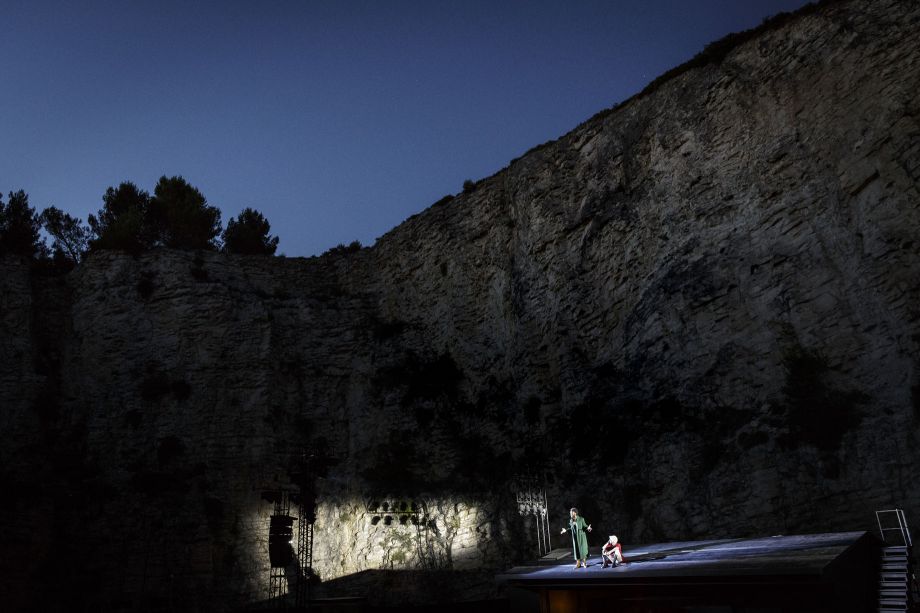
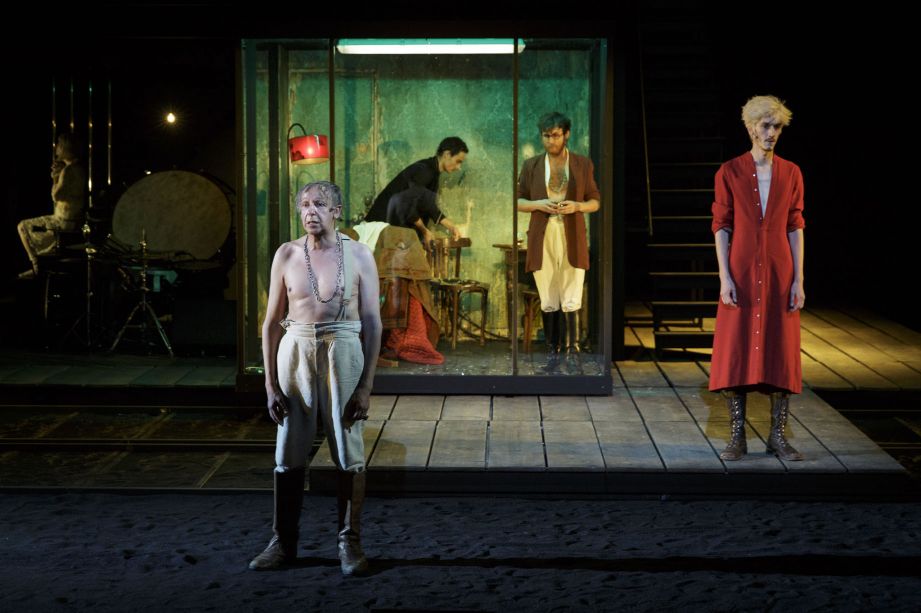
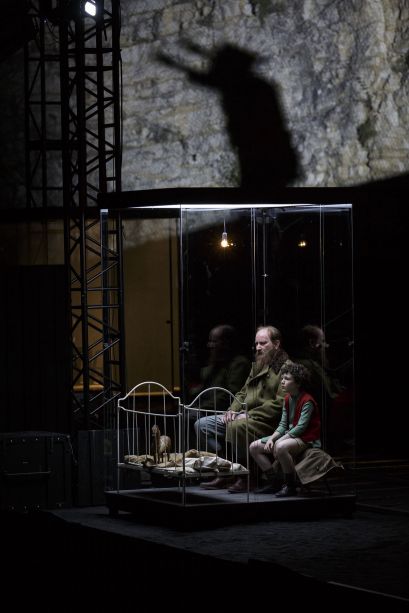
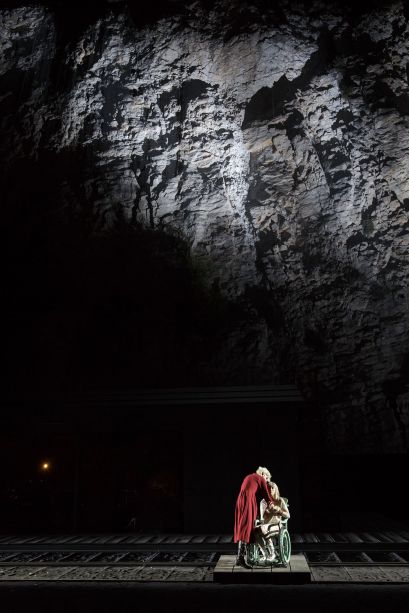
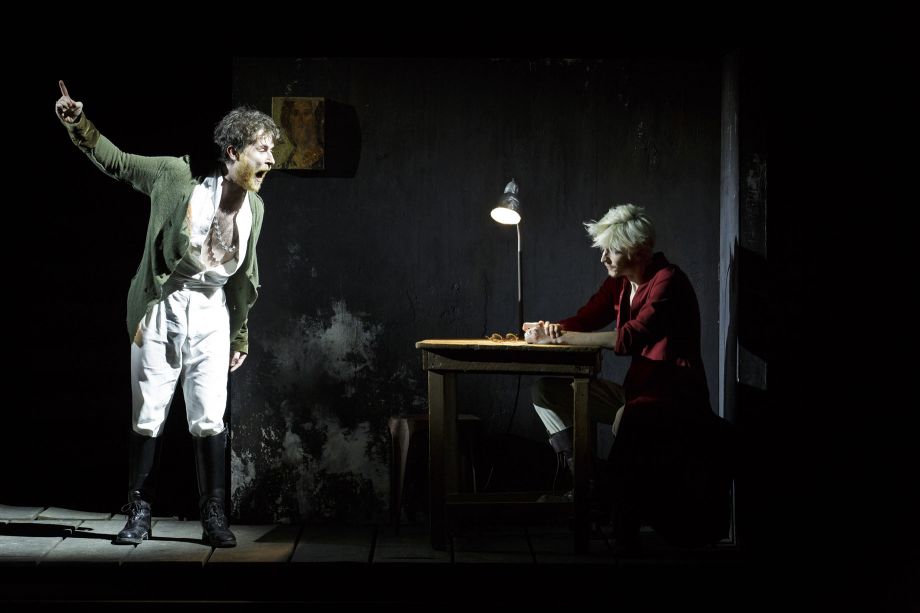
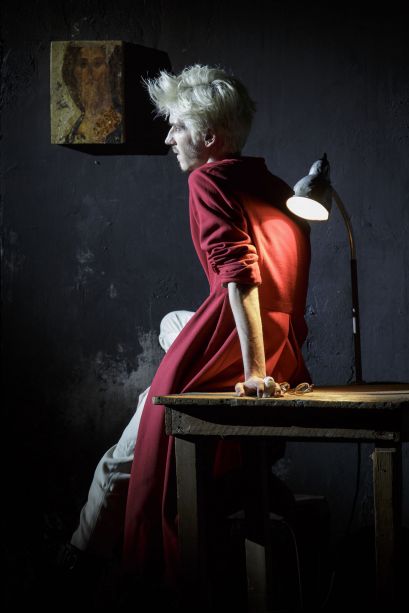
Like a spectacular investigation, Dostoyevsky's novel explores the agonies and contradictions that drive one of the Karamazov brothers to murder their father, Fyodor. Intemperate Mitya returns to claim his mother's legacy, unfairly kept by his father. Ivan, highly educated and uncompromising, nurses a deep contempt for the degenerate Fyodor, while the perversion of Smerdyakov, the illegitimate son, looms like a threat over the house. Only young Alyosha, as devoted as he is pious, seems determined to listen to, understand, and love everyone. In parallel to all those resentments and their consequences, a tragedy unfolds within the family of a wounded man, offended and humiliated in front of his son Aliocha, who will never recover. Such is the point of view Jean Bellorini and his troupe have chosen for the symphony of the Karamazovs: a glass dacha which houses a poor, simple, and honest family, who tell the story of Alyosha and his brothers. Music, silence, and words are used alternately to carry meaning and ask, amplify, and pass on the questions at the heart of the Russian novelist's work: the possibility of justice in a world without God, of value being granted to love and charity.
Jean Bellorini
A graduate of the Claude Mathieu school, director Jean Bellorini founded the company Air de lune in 2001. Considering music to be the heartbeat of the theatre, he intends to marry those two arts anew with each new show. Poetry and sensitivity are at the heart of his creative process, which always brings together actors and musicians onstage. Forever engaged in an ongoing reflection about the spoken word, Jean Bellorini and his troupe like to play with the border between theatre and stories. In 2012, they made theirs Rabelais's Frozen Words, after bringing Victor Hugo's Les Misérables to the stage in 2010, in A Tempest in a Skull. Awarded a Molière in 2014 for Bertolt Brecht's The Good Person of Szechwan, Jean Bellorini is director of the Théâtre Gérard Philippe in Saint-Denis, where he defends his determination to make theatre a public utility, “as essential as running water and electricity.” While his direction of Ferenc Molnár's Liliom, first created in 2013, was still touring, Jean Bellorini was invited in 2016 to work with the actors of the Berliner Ensemble, where he directed Nikolai Erdman's The Suicide.
Fyodor Dostoyevsky
Fyodor Dostoyevsky (1821-1881) spent his whole life plumbing the depths and contradictions of the human soul. An inveterate and often unlucky gambler as well as a patriot paradoxically known for his piety, Dostoyevsky reported in his work on the battle between blood ties, crimes, faith, sensuality, justice, redemption, and innocence within the individual (The House of the Dead, 1862; Crime and Punishment, 1866; The Idiot, 1868; Demons, 1872). His last novel, The Brothers Karamazov, condenses his understanding of the world around the necessity for Good and Evil, questioning the value of a human freedom that would be free of all religious belief.
Direction, stage design and lights Jean Bellorini
Translation André Markowicz
Adaptation Jean Bellorini, Camille de La Guillonnière
Costumes, props Macha Makeïeff
Music Jean Bellorini, Michalis Boliakis, Hugo Sablic
Sound Sébastien Trouvé
Hairstyle, makeup Cécile Kretschmar
Assistant director Mélodie-Amy Wallet
With Michalis Boliakis, François Deblock, Mathieu Delmonté, Karyll Elgrichi, Jean-Christophe Folly, Jules Garreau, Camille de La Guillonnière, Jacques Hadjaje, Blanche Leleu, Clara Mayer, Teddy Melis, Marc Plas, Geoffroy Rondeau, Hugo Sablic
Production Théâtre Gérard Philipe Centre dramatique national de Saint-Denis
Co-production Festival d'Avignon, La Criée - Théâtre national de Marseille, Théâtre de Carouge - Atelier de Genève, Scène nationale du Sud-Aquitain – Bayonne, Théâtre de Caen, Théâtre Firmin Gémier / La Piscine Pôle national des Arts du cirque d'Antony et de Châtenay-Malabry, Opéra de Massy, Comédie de Clermont-Ferrand Scène nationale, Maison de la Culture d'Amiens, Maison des Arts de Créteil, Scène nationale de Sète et du Bassin de Thau, Grand R Scène nationale de la Roche-sur-Yon, Les Treize Arches Scène conventionnée de Brive, Espace Jean Legendre Théâtre de Compiègne Scène nationale de l'Oise in prefiguration
With the support of Department Council of Seine-Saint-Denis, Île-de-France Region and Adami
Les Frères Karamazov by Fyodor Dostoyevsky, translation Andrée Markowicz is published by éditions Actes Sud.
Karamazov is subject to a Pièce (dé)montée, pedagogical file created by Canopé.