

Choreography ALI CHAHROUR
Beirut
Representation in Arabe with French surtitles.
Focus Middle East
Running time 1h10
|
W 6 |
T 7 |
F 8 |
S 9 |
S 10 |
M 11 |
T 12 |
W 13 |
T 14 |
F 15 |
S 16 |
S 17 |
M 18 |
T 19 |
W 20 |
T 21 20h |
F 22 20h |
S 23 20h |
S 24 |
|
Leila’s Death © Christophe Raynaud de Lage
Leila’s Death © Christophe Raynaud de Lage
Leila’s Death © Christophe Raynaud de Lage
Leila’s Death © Christophe Raynaud de Lage
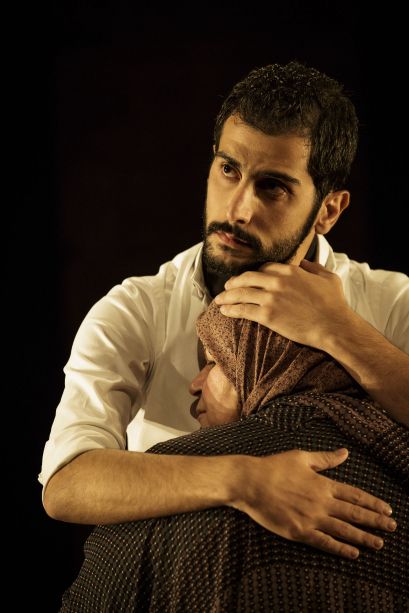
Leila’s Death © Christophe Raynaud de Lage
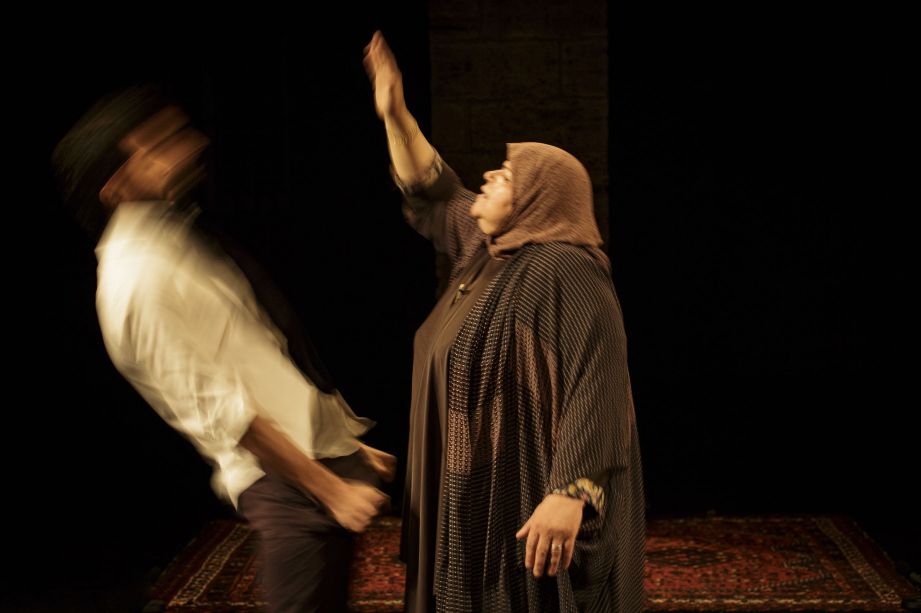
Leila’s Death © Christophe Raynaud de Lage
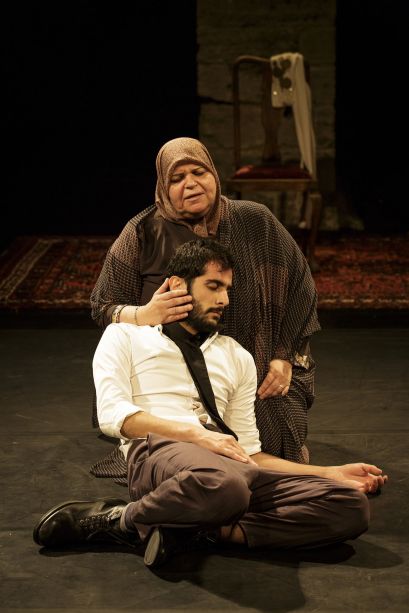
Leila’s Death © Christophe Raynaud de Lage
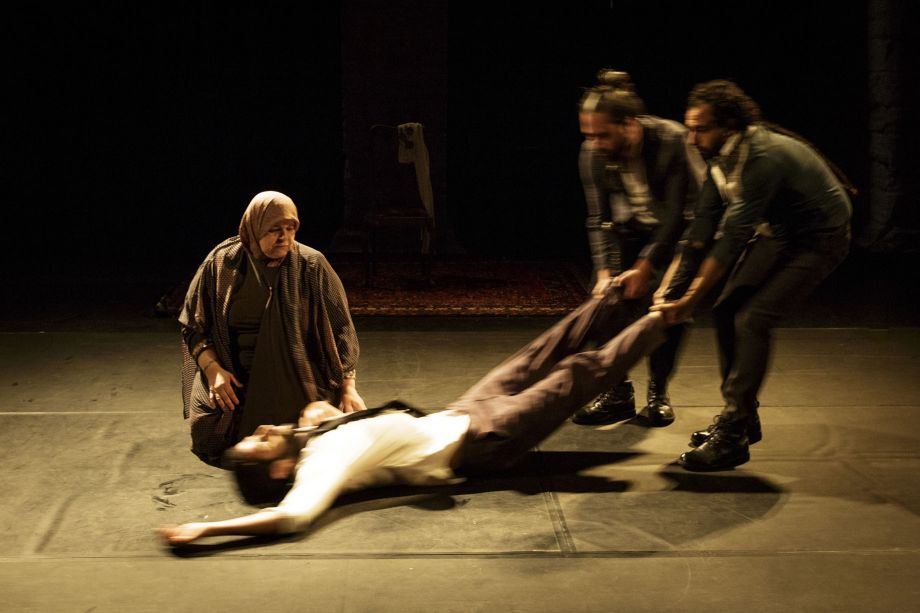
Leila’s Death © Christophe Raynaud de Lage
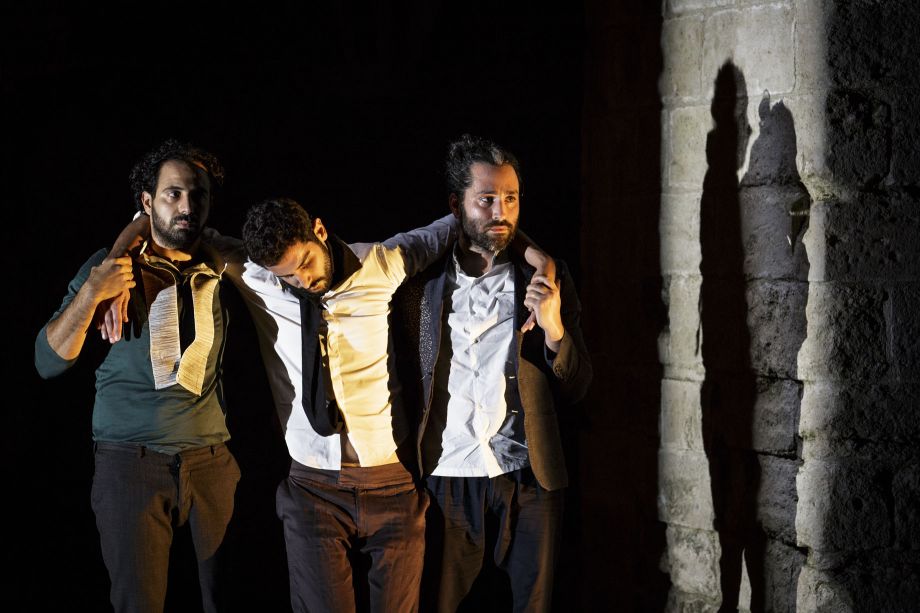
Leila’s Death © Christophe Raynaud de Lage
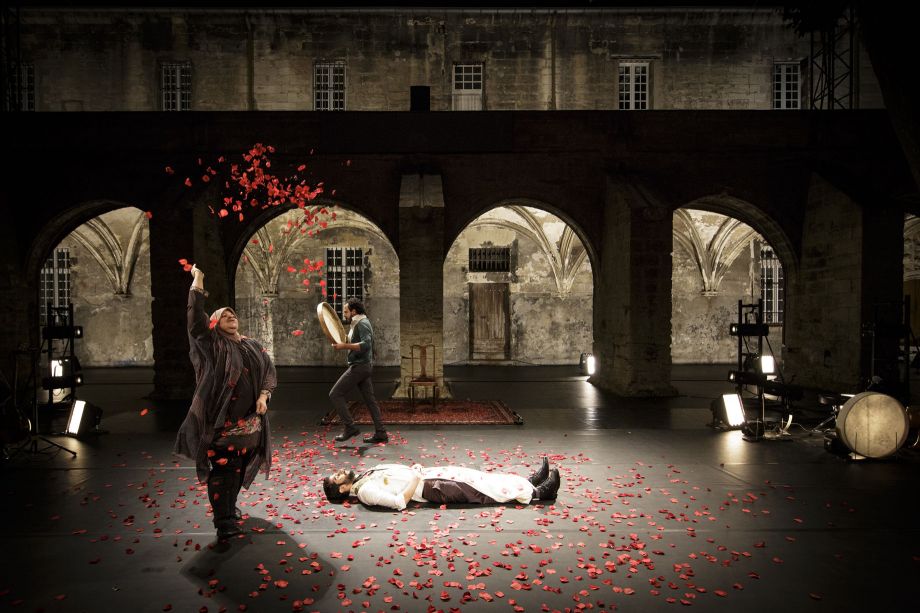
Leila’s Death © Christophe Raynaud de Lage
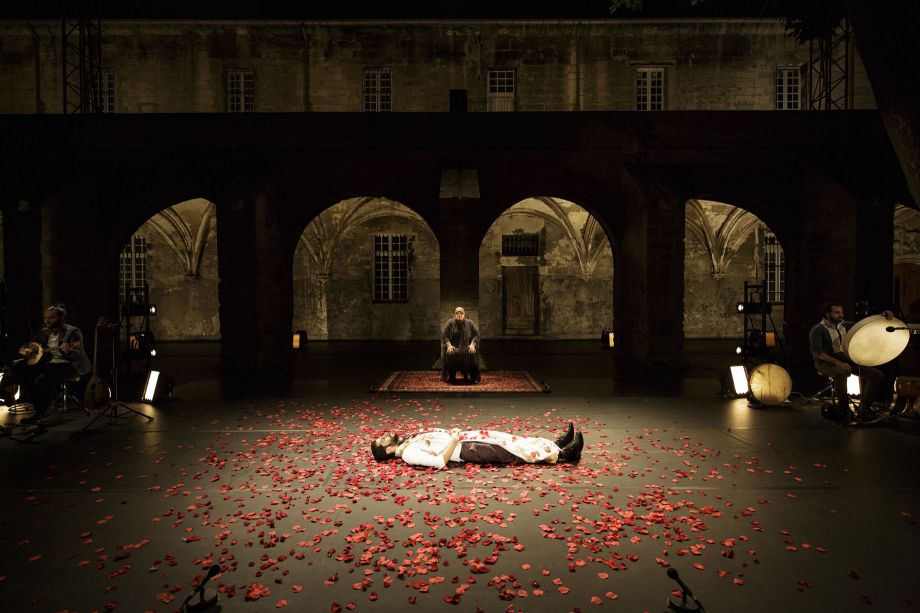
Leila’s Death © Christophe Raynaud de Lage
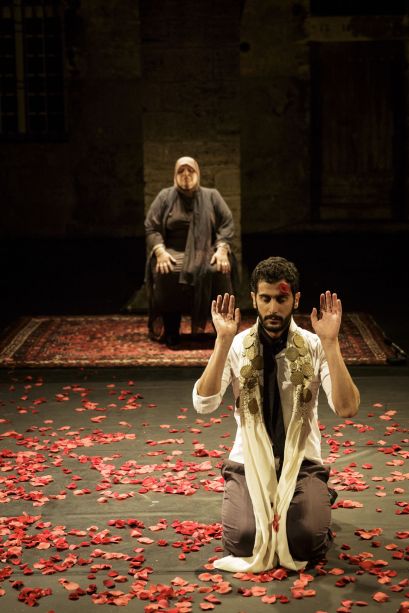
Leila’s Death © Christophe Raynaud de Lage
Leila’s Death © Christophe Raynaud de Lage
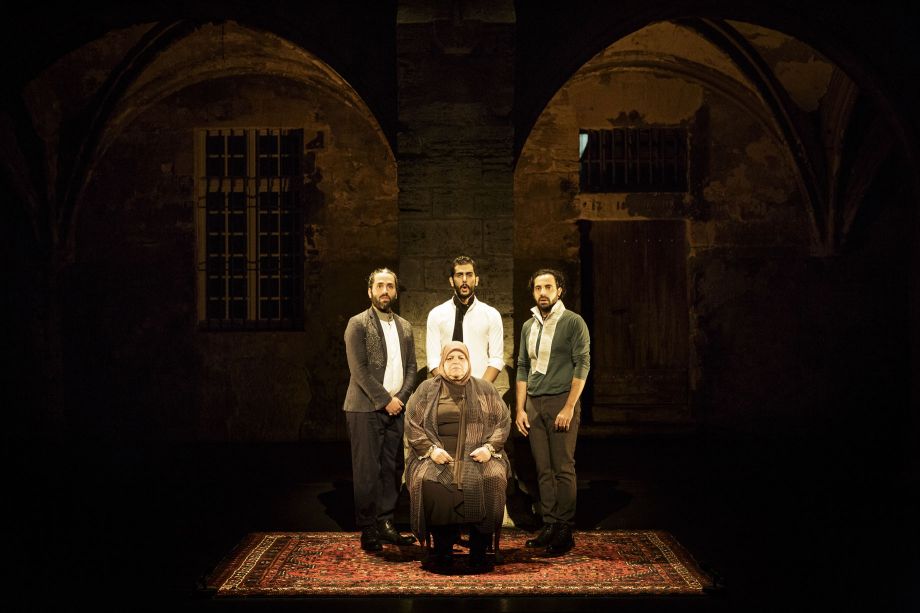
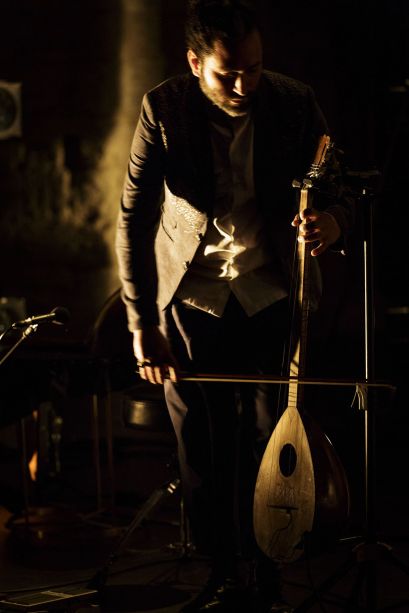
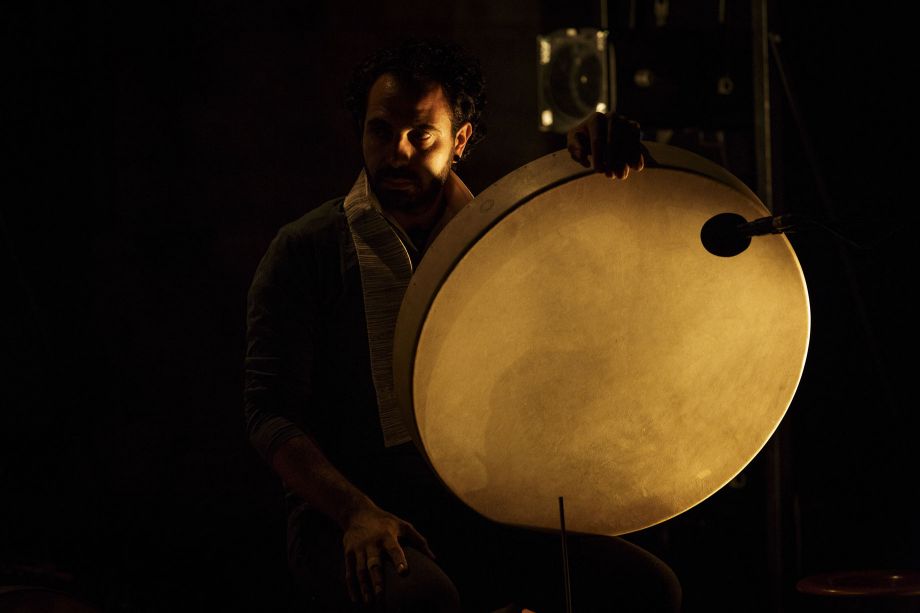
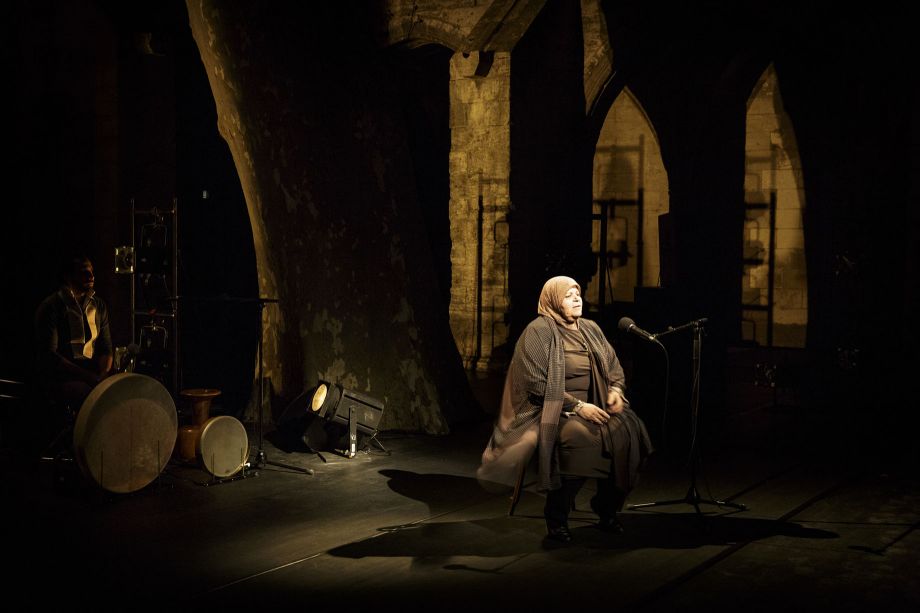
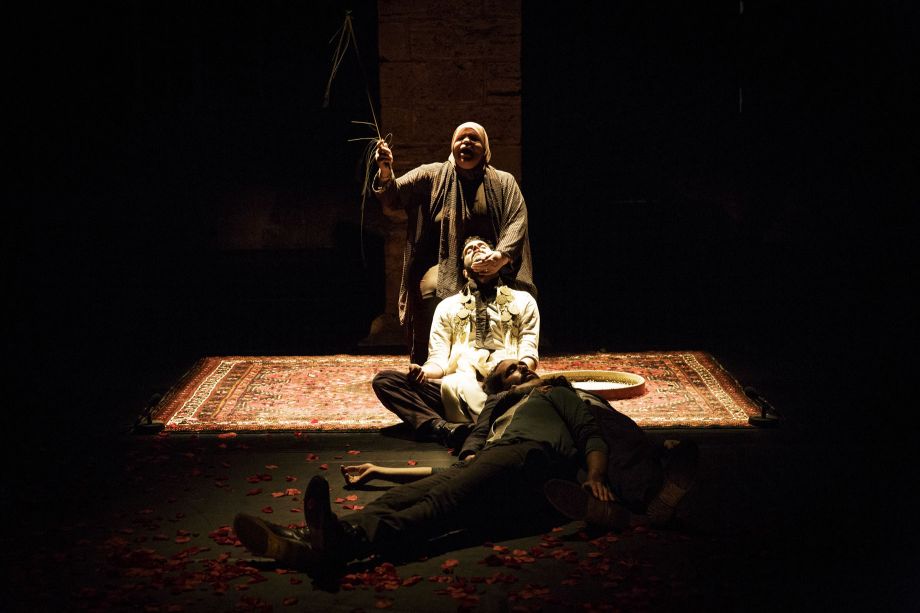
In Lebanon, there aren't many mourners anymore. They can still be found in the south of the country, and in the Beqaa Valley, in the east. They are nonetheless the cornerstone of a ritual that serves both a religious and social purpose: condolences. During those ceremonies, they lament and recite poems they have written to commemorate the lost, determined to make their friends and families cry, as dictated by Shiite tradition. “An aesthetics of the private” that wars and the economic situation have transformed; families are now made to celebrate the heroism of collective figures, thus substituting duty for emotion. Mourner, such is the job of Leila, whom Ali Chahrour invited to come onstage with him and his musicians, in an attempt to come back to the regional roots and references of his dance. He asked her to share her experience by singing her relationship to death and, through it, this culture of mourning. For this duo, the choreographer has taken the time to observe in Leila “what makes her move, her whose body carries this sadness.” He then imagined a delicate score, able to slide between the interstices of this poetic lament which soothes souls.
Ali Chahrour
At the Institut national des Beaux-Arts in Beirut, in which Ali Chahrour enrolled in 2008, “dramatic dance,” the only choreographic training available at the university level in Lebanon, is taught as a second-year class as part of the dramatic arts curriculum. In that class, he caught the eye of his professor, Omar Rajeh, who hired him in his company. As a student, Ali Chahrour participated in numerous internships and workshops, in order to diversify his approach to movement. During that time, the young dancer learned to “struggle to create,” and sketched his first show, On the Lips Snow, a duo about the end of love, which he presented in Beirut and in the Netherlands in 2011, shortly after graduating. The following year, he created Danas, which “studies the everyday violence to which the body is subjected,” the beginning of an aesthetics he then began to build on, “without compromising,” in the social, political, and religious context that is his: a rejection of the formatted bodies of western contemporary dance in order to showcase a corpus “that has forgotten the great stories of the Arab world.” His latest creations, Fatmeh and Leila's Death, question Shiite rituals and their contemporary transformations.
Choreography and direction Ali Chahrour
Music Ali Hout, Abed Kobeissi
Dramaturgy Junaid Sarrieddine
Design stage Nathalie Harb
Lights Guillaume Tesson
Costumes Bird on a Wire
Assistant director Christel Salem
With Ali Chahrour, Leïla Chahrour
and the musicians Ali Hout, Abed Kobeissi
Production Haera Slim, Ali Chahrour in collaboration with Zoukak theater company
With the support of Houna Center, French Institut of Beirut and BNP Paribas Foundation
In partnership with RFI, France 24 and Monte Carlo Doualiya