
by Léopold Sédar Senghor
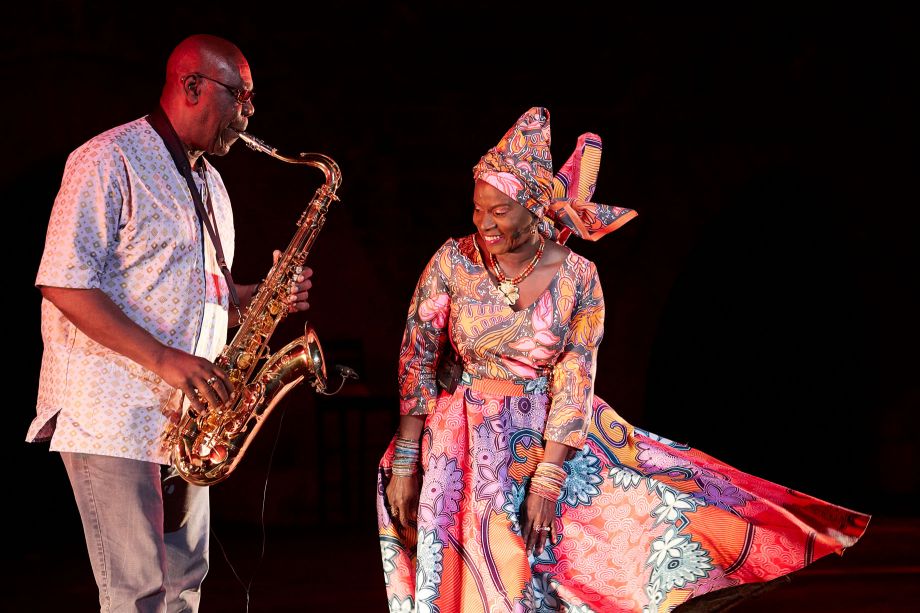
Angélique Kidjo, Isaach De Bankolé and their guests Manu Dibango, Dominic James, MHD...
Cotonou – New York – Paris
Cour d'honneur du Palais des papes
Creation 2017
Focus on Sub-Saharan Africa
Running time 1h30
|
W 5 |
T 6 |
F 7 |
S 8 |
S 9 |
M 10 |
T 11 |
W 12 |
T 13 |
F 14 |
S 15 |
S 16 |
M 17 |
T 18 |
W 19 |
T 20 |
F 21 |
S 22 |
S 23 |
M 24 |
T 25 20h |
W 26 20h |
|
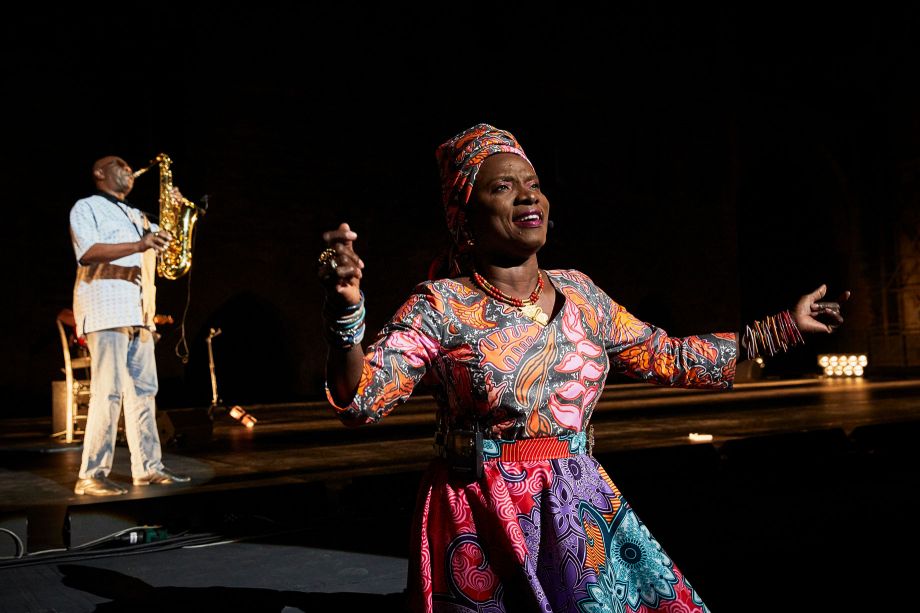
Femme noire © Christophe Raynaud de Lage
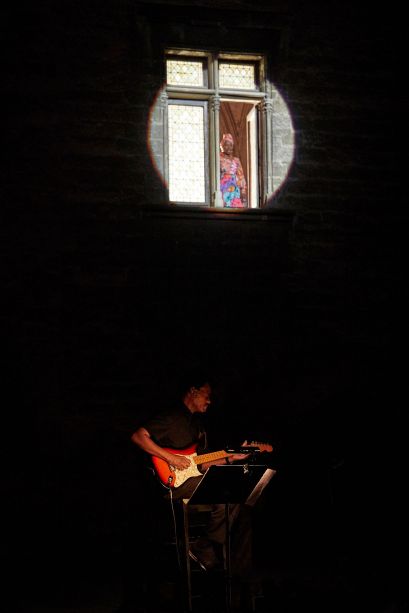
Femme noire © Christophe Raynaud de Lage
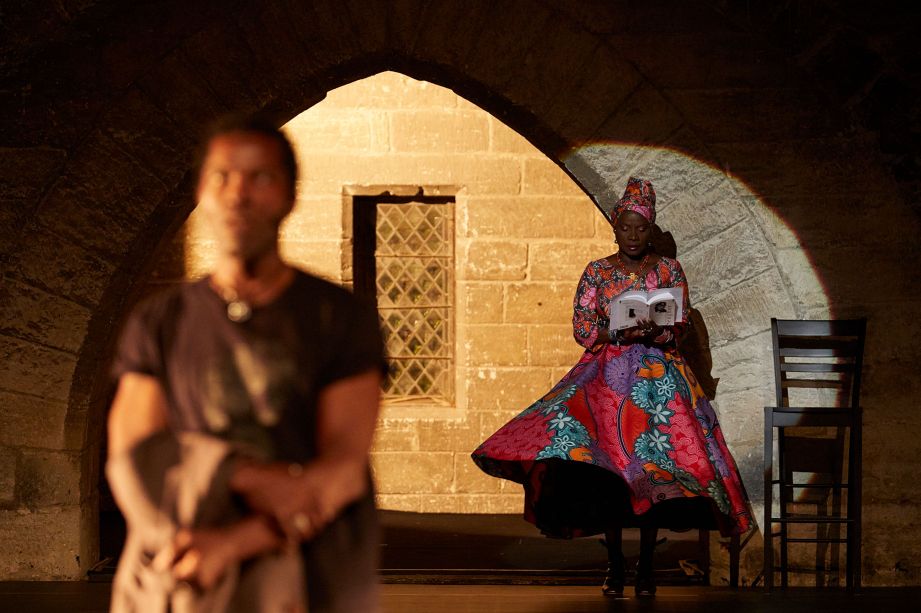
Femme noire © Christophe Raynaud de Lage
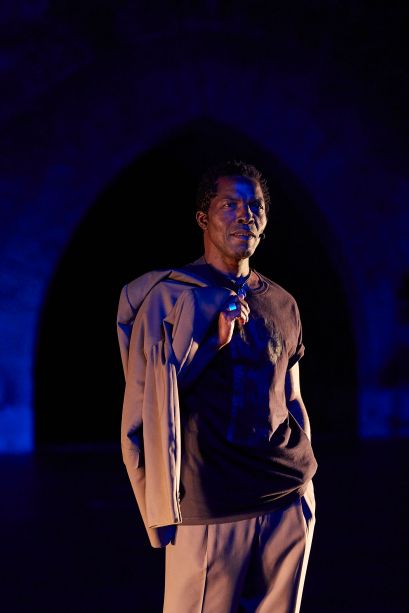
Femme noire © Christophe Raynaud de Lage
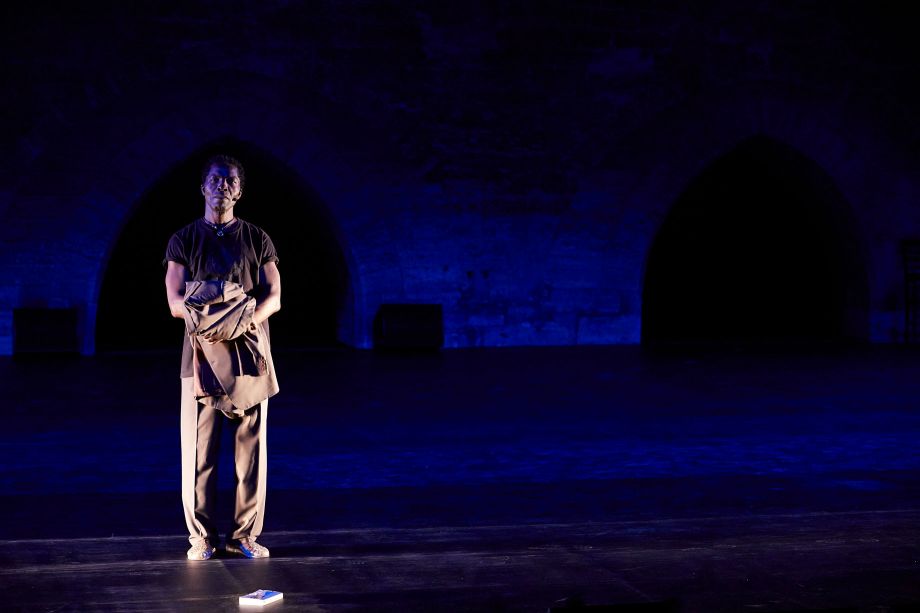
Femme noire © Christophe Raynaud de Lage
Femme noire © Christophe Raynaud de Lage
Femme noire © Christophe Raynaud de Lage
Femme noire © Christophe Raynaud de Lage
Femme noire © Christophe Raynaud de Lage
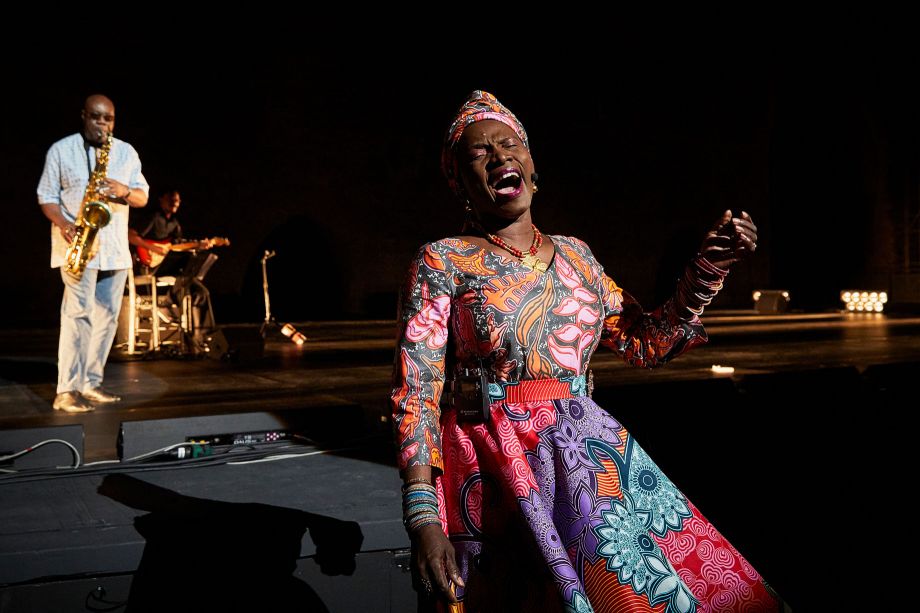
Femme noire © Christophe Raynaud de Lage
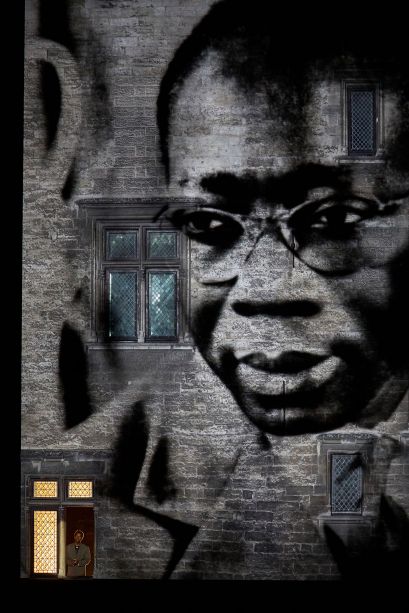
Femme noire © Christophe Raynaud de Lage
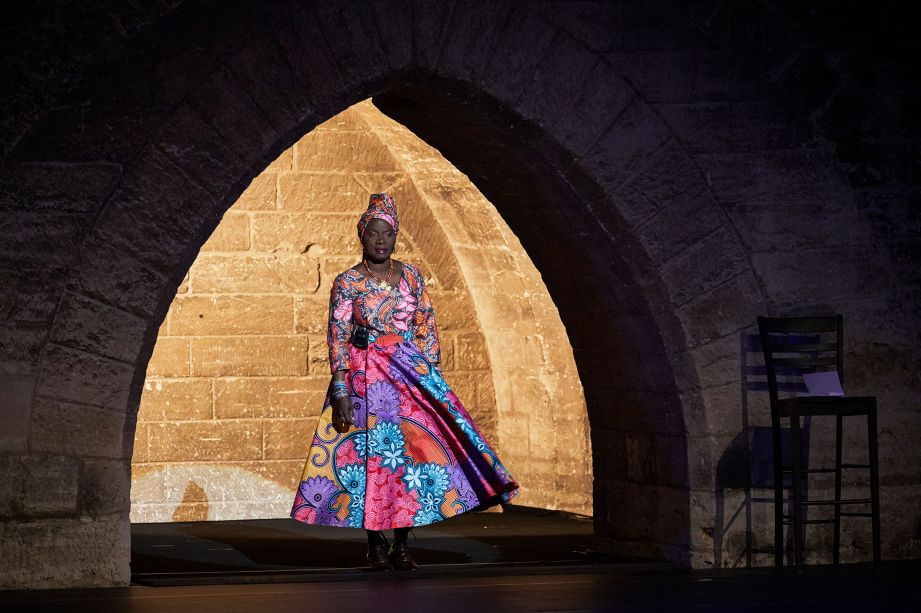
Femme noire © Christophe Raynaud de Lage
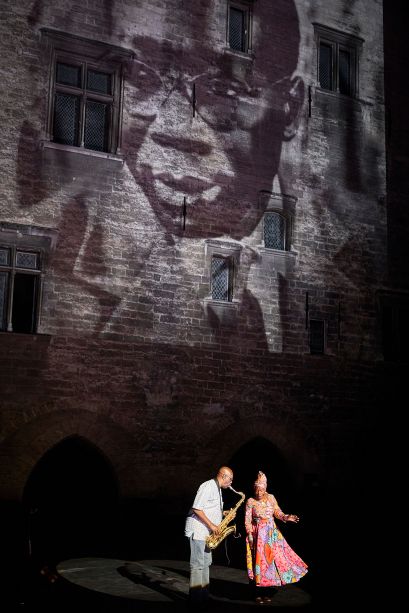
Femme noire © Christophe Raynaud de Lage
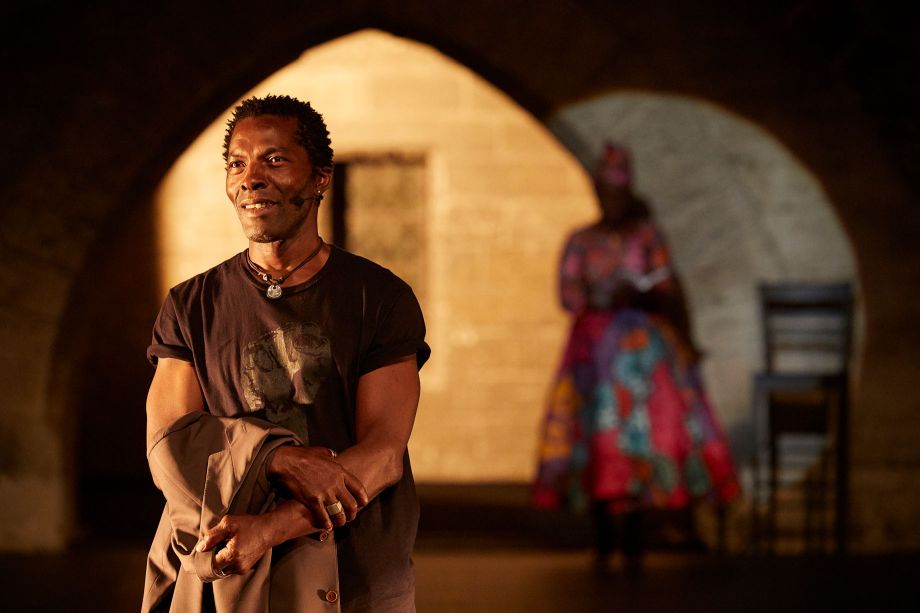
Femme noire © Christophe Raynaud de Lage
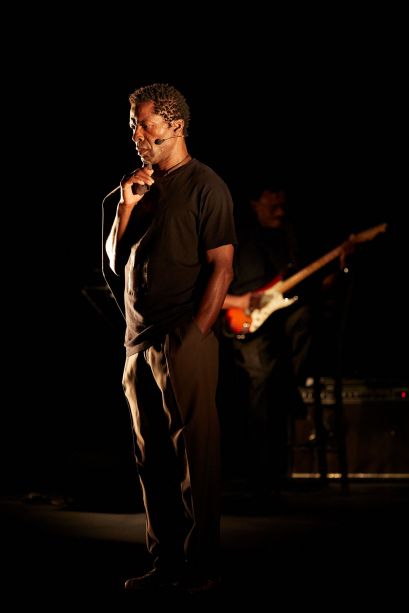
Femme noire © Christophe Raynaud de Lage
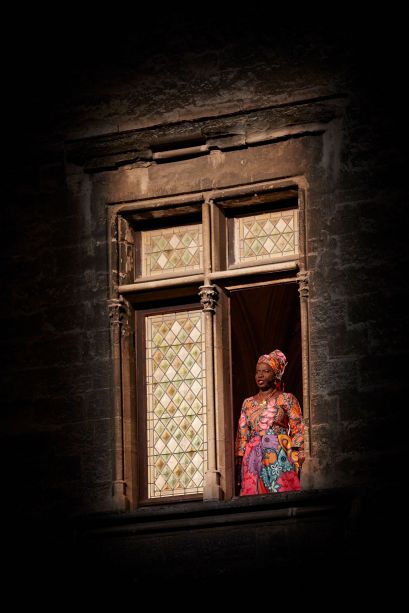
Femme noire © Christophe Raynaud de Lage
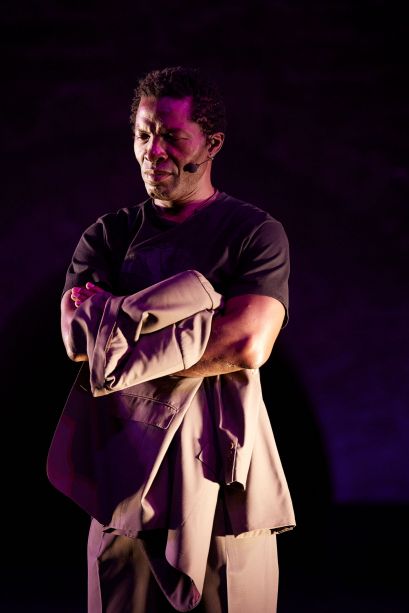
Femme noire © Christophe Raynaud de Lage
Femme noire © Christophe Raynaud de Lage
Femme noire © Christophe Raynaud de Lage
Femme noire © Christophe Raynaud de Lage
Femme noire © Christophe Raynaud de Lage
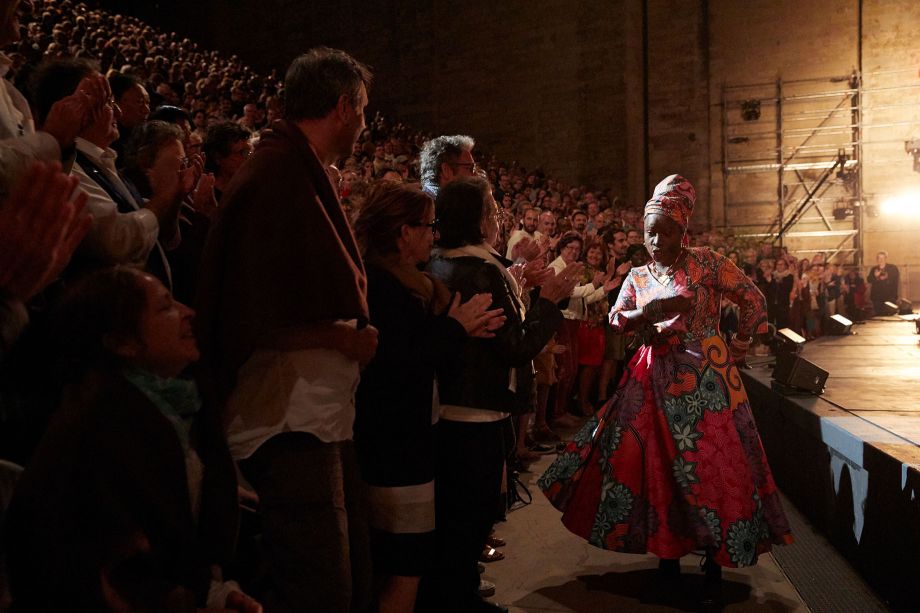
Femme noire © Christophe Raynaud de Lage
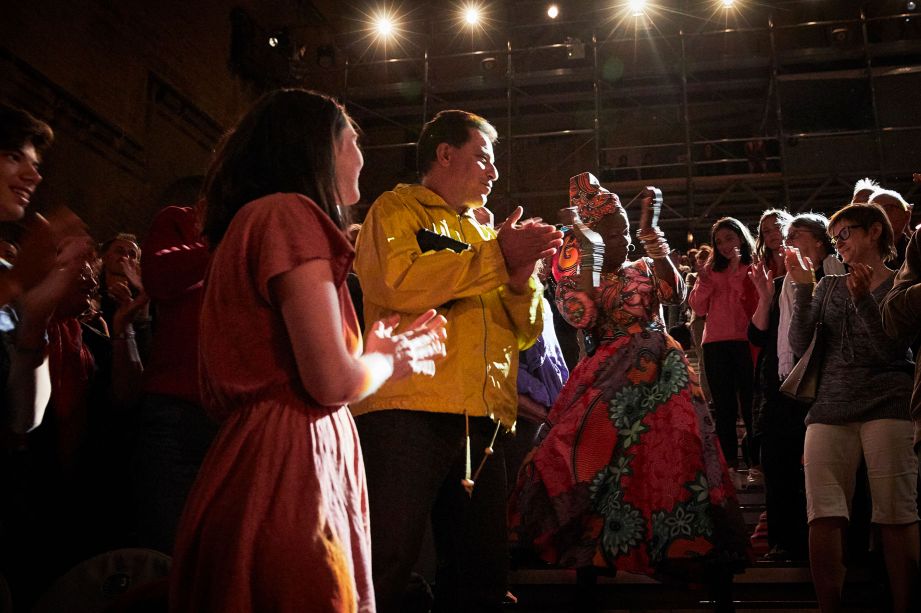
Femme noire © Christophe Raynaud de Lage
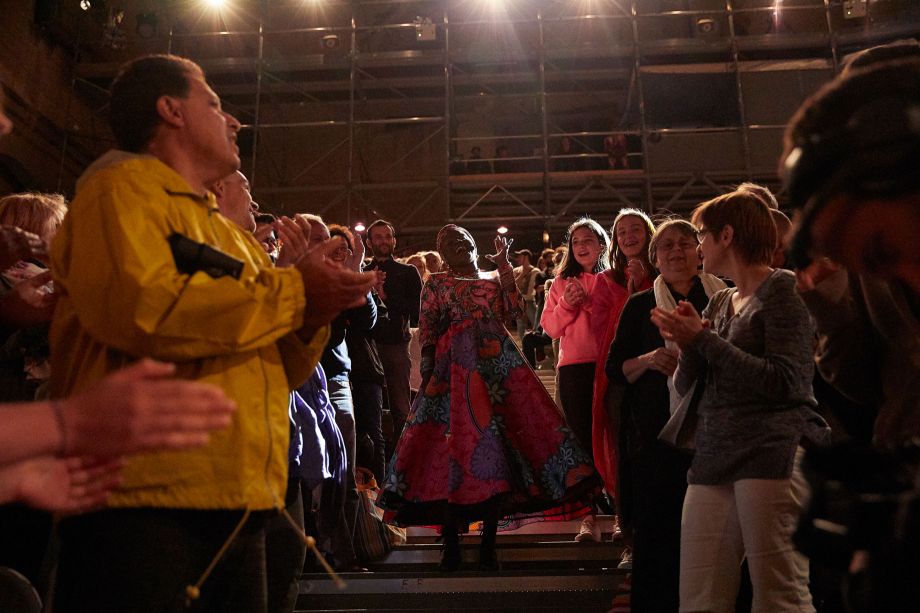
Femme noire © Christophe Raynaud de Lage
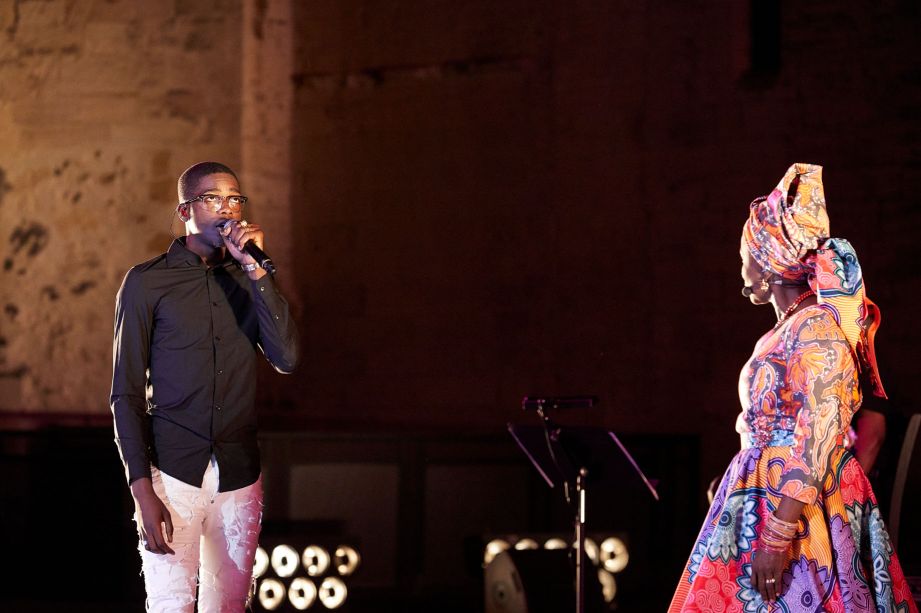
Femme noire © Christophe Raynaud de Lage
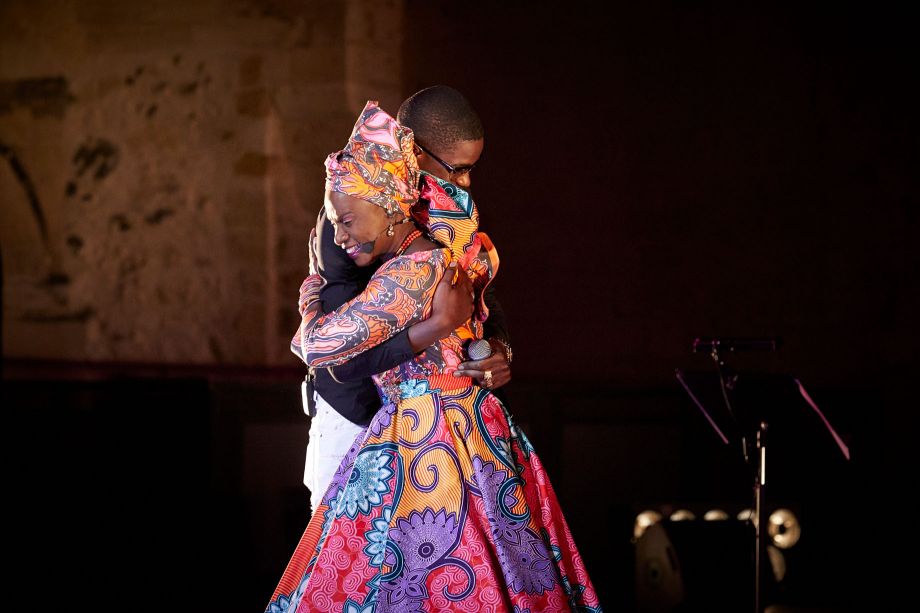
Femme noire © Christophe Raynaud de Lage
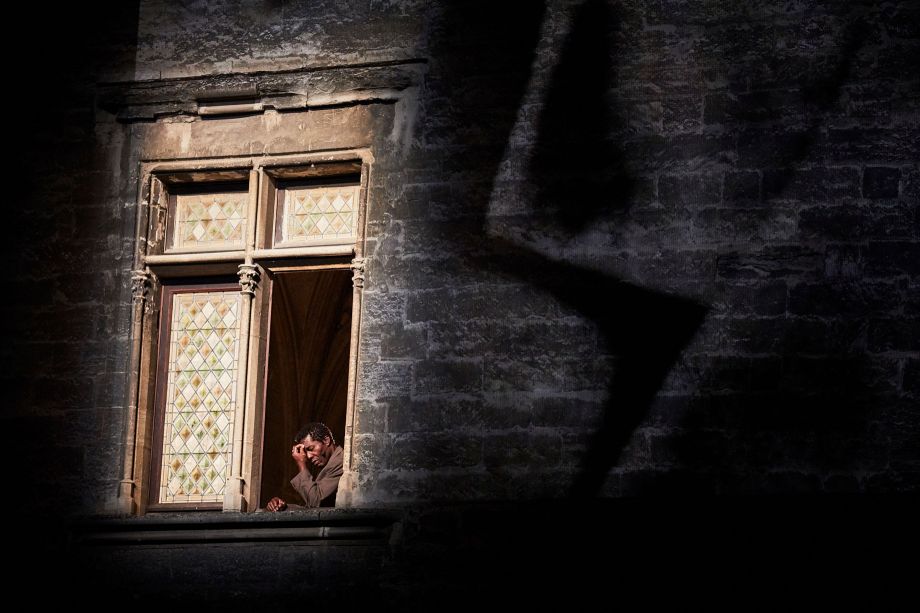
Femme noire © Christophe Raynaud de Lage
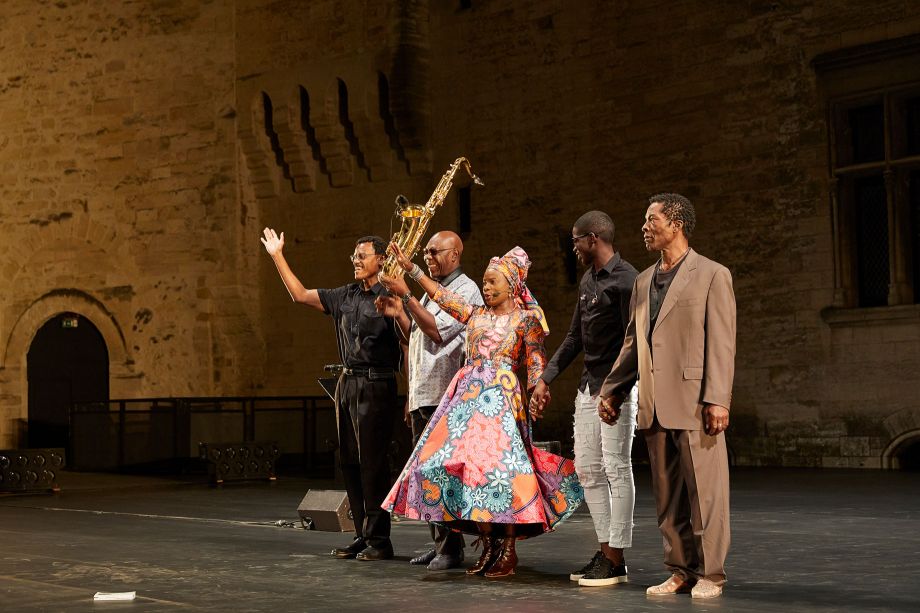
Femme noire © Christophe Raynaud de Lage
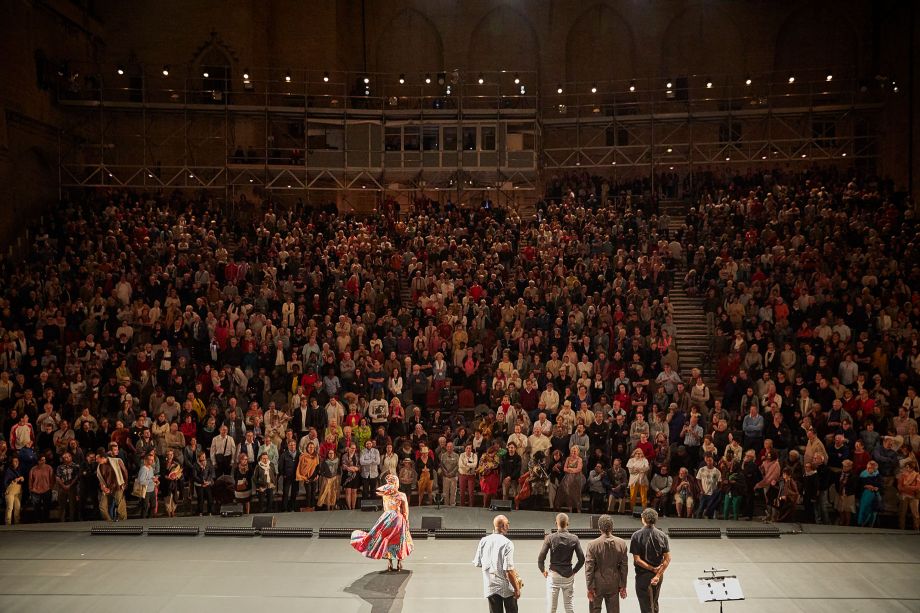
Femme noire © Christophe Raynaud de Lage
“Naked woman, black woman
Clothed with your colour which is life,
with your form which is beauty!
In your shadow I have grown up; the
gentleness of your hands was laid over my eyes.
And now, high up on the sun-baked
pass, at the heart of summer, at the heart of noon,
I come upon you, my Promised Land,
And your beauty strikes me to the heart
like the flash of an eagle (...)”
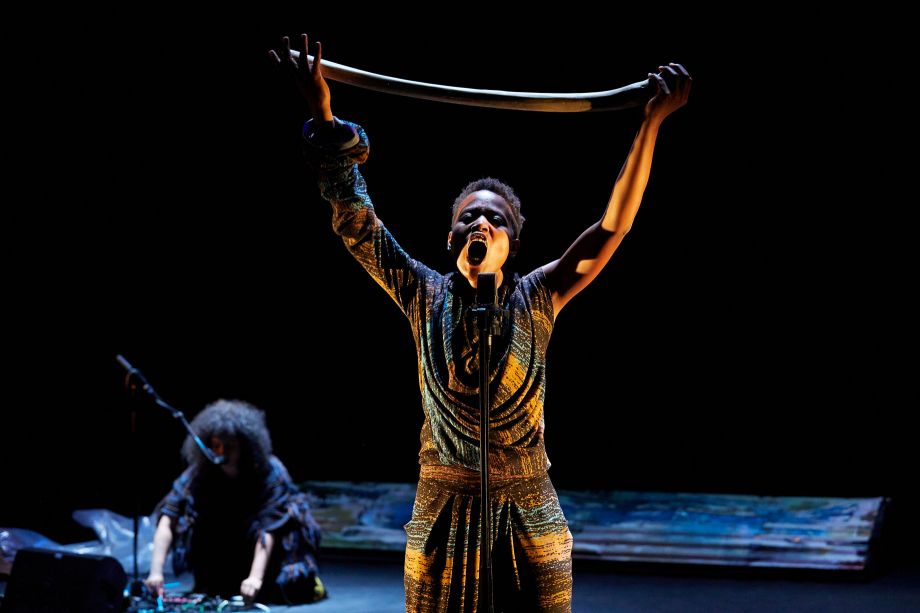
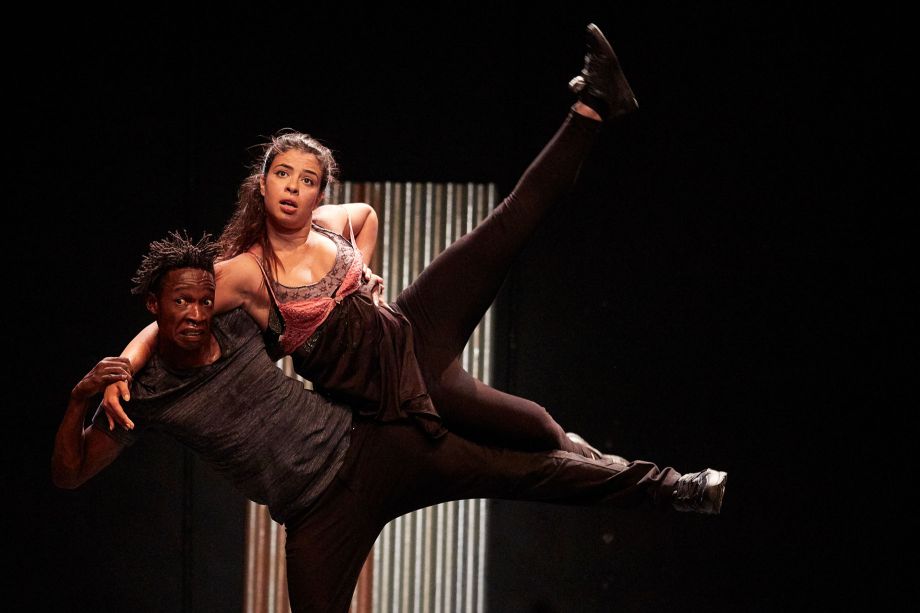
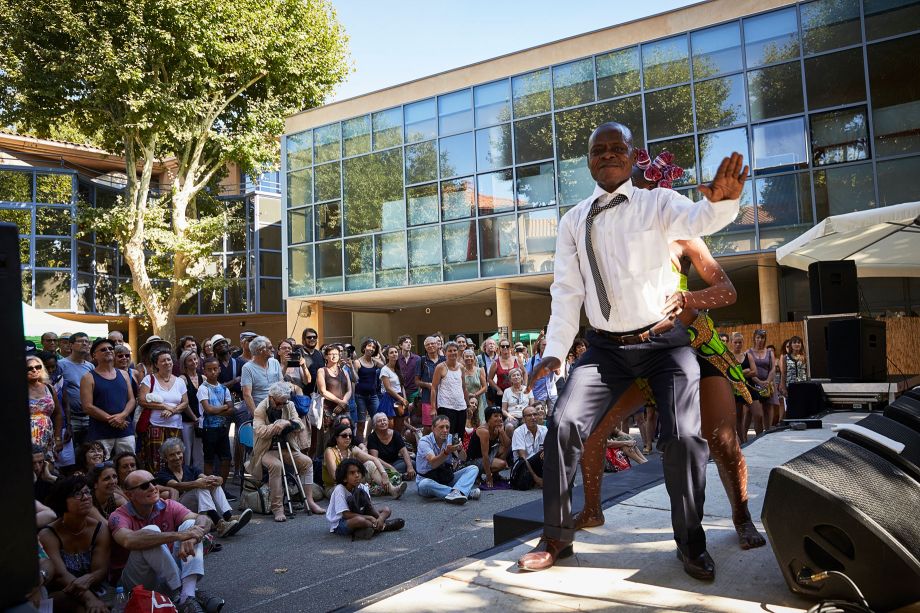
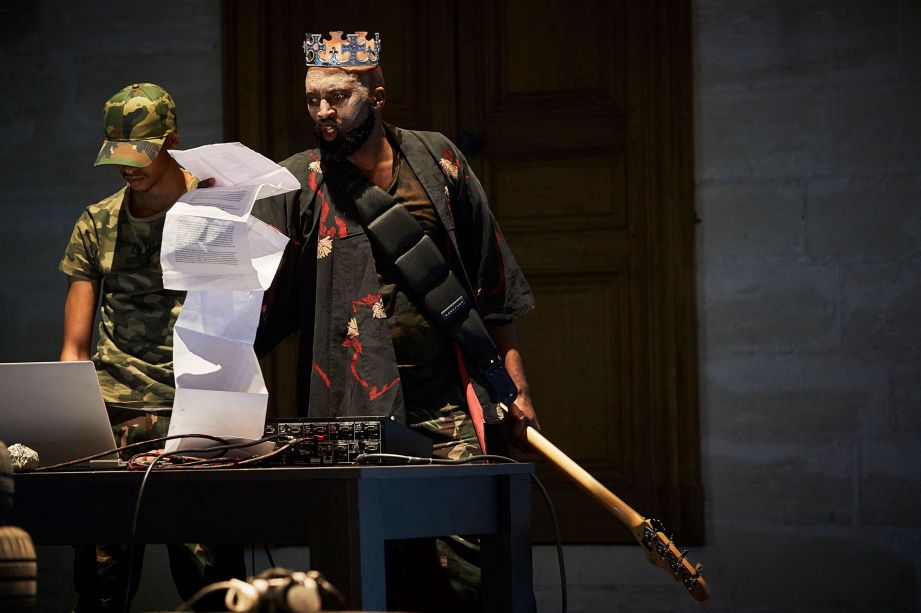
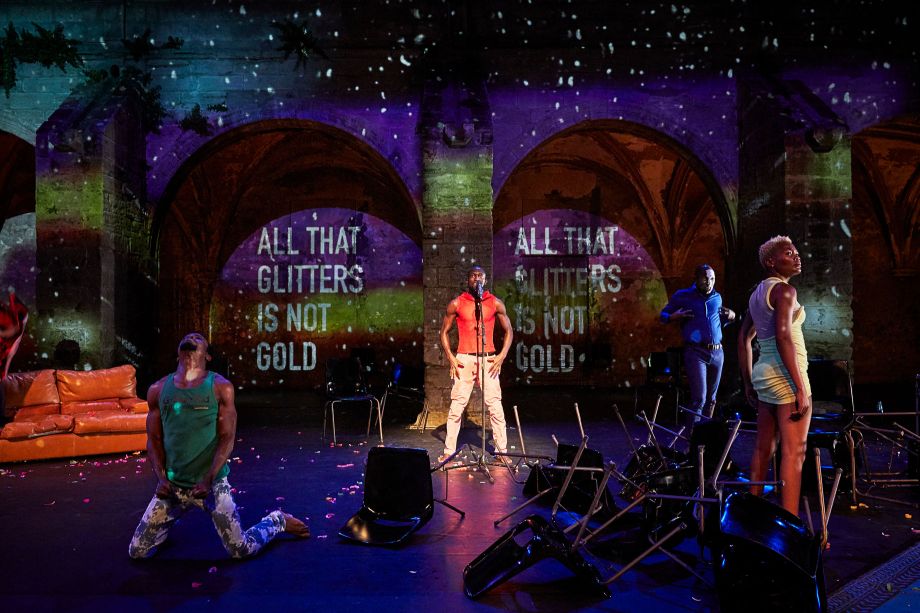
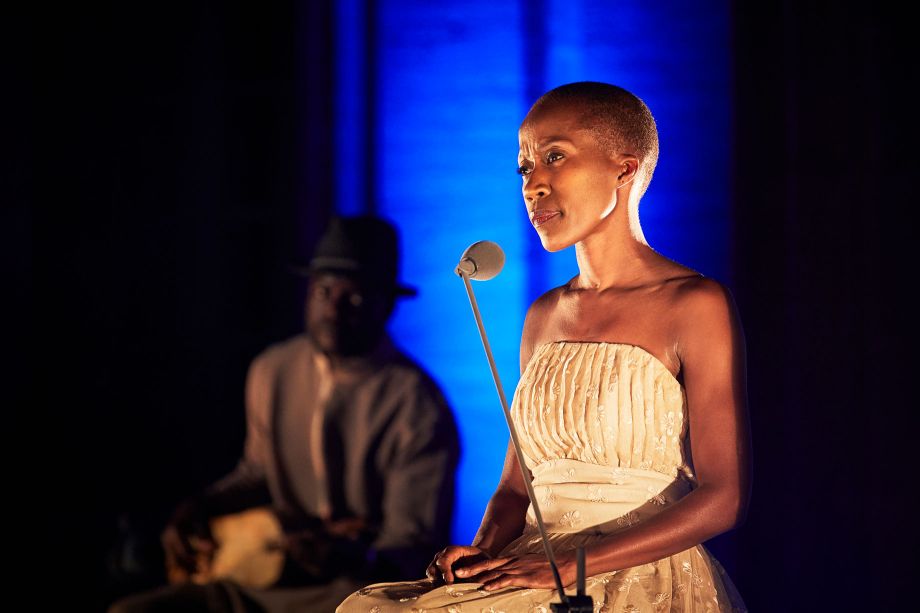
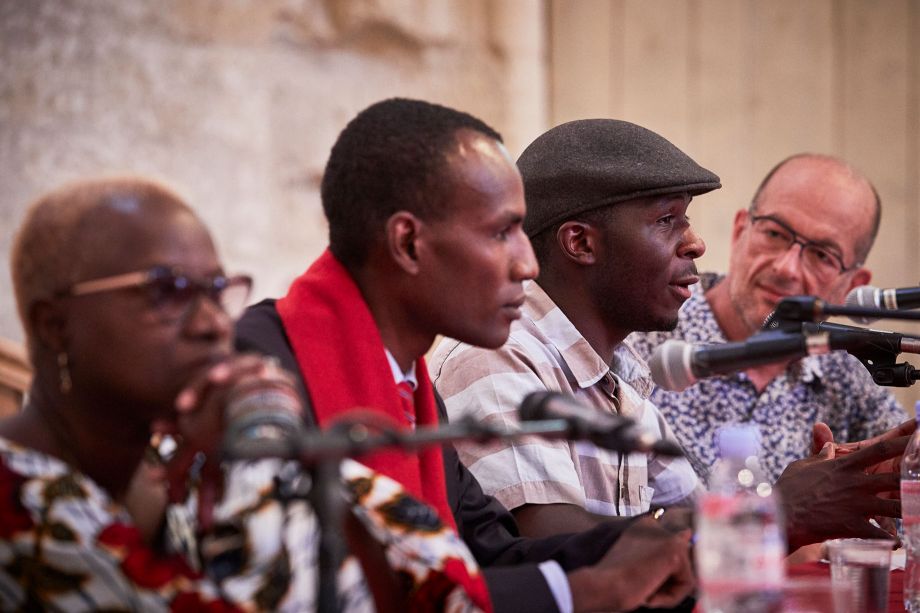
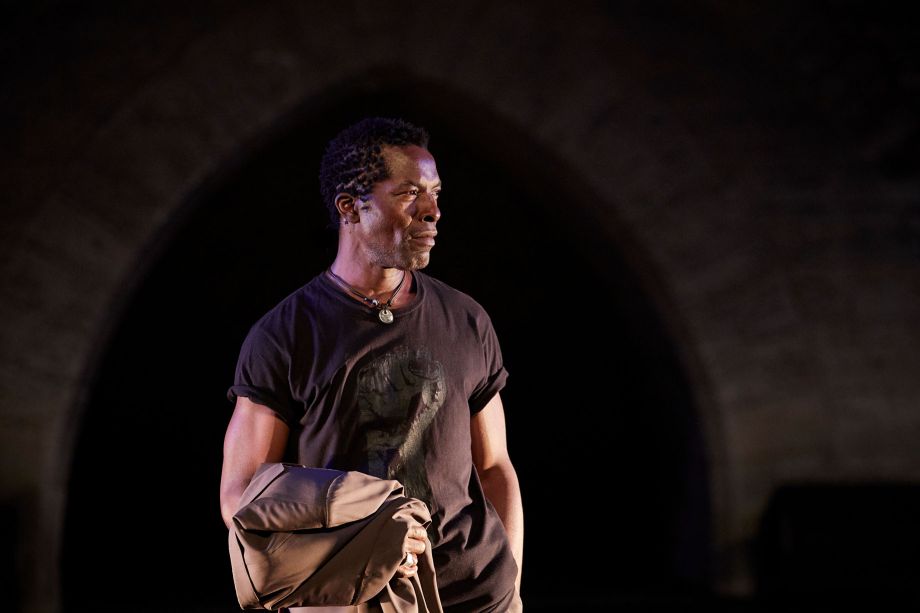
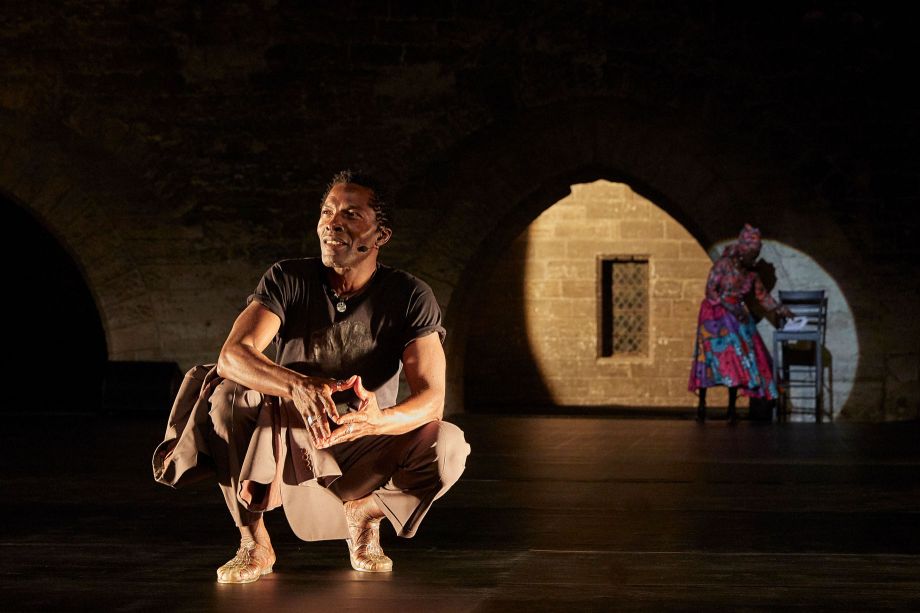
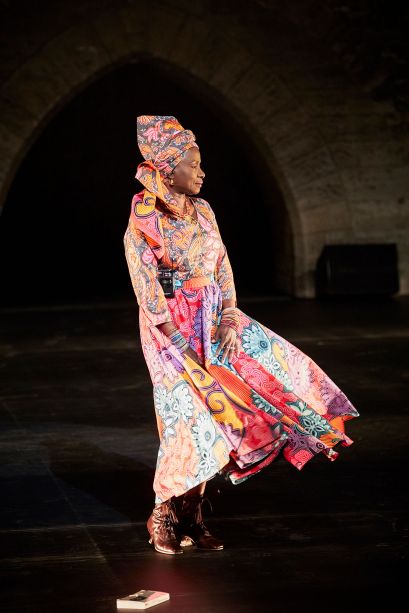
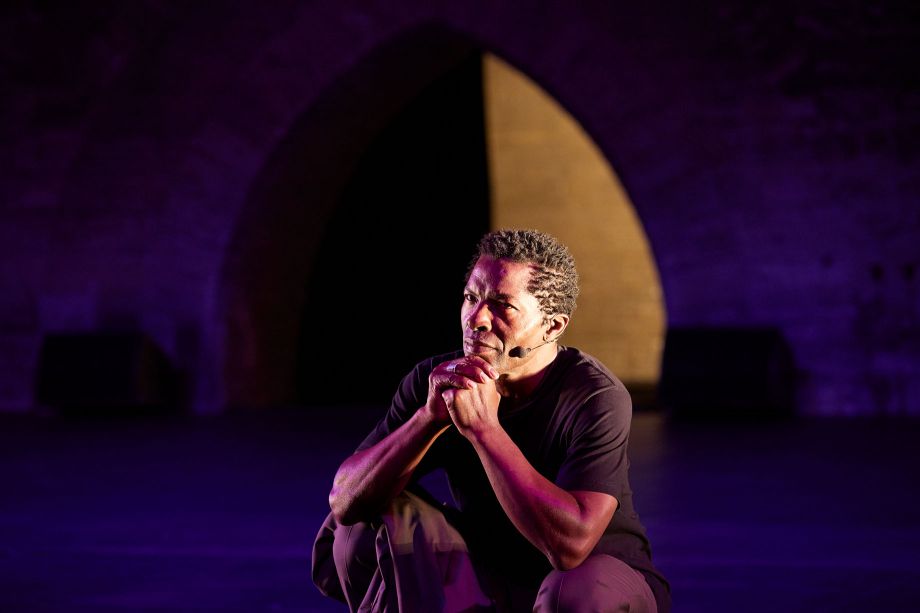
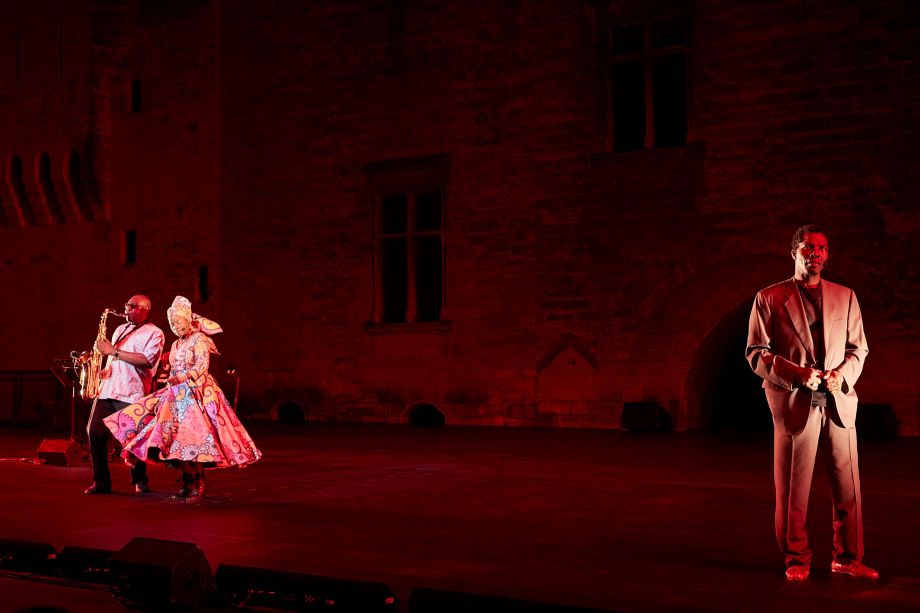
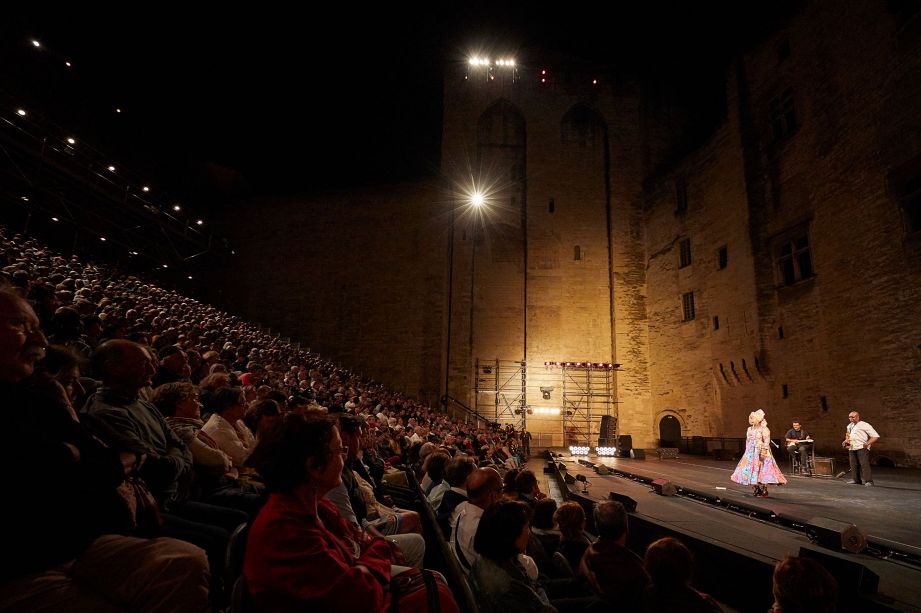
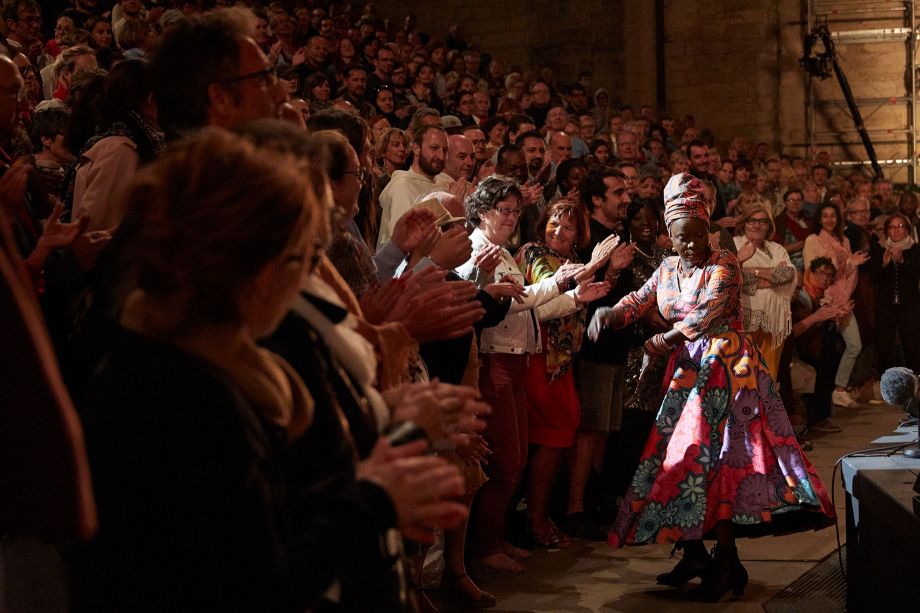
Opening lines... When Léopold Sédar Senghor writes the poem “Black Woman”, right after the Second World War, no one knows he will become President of the Republic of Senegal, or that he will fight all his life for his love for language and for the respect of the individual. Named after a poem by the man who invented the concept of Négritude, the closing show of the 71st edition of the Festival d'Avignon, which will be performed in the Cour d'honneur, brings together the Beninese singer Angélique Kidjo and the Ivorian actor Isaach de Bankolé to sing Sengho's lyrical and majestic words, accompanied by Cameroonian saxophonist Manu Dibango and Congolese guitarist Dominic James. A celebration of the African woman, and more... Halfway between theatre and wake, the show moves from poetry to songs, from songs to improvised music, from music to the most learned, most passionate, and most romantic speech. But Senghor isn't just infatuated with the Queen of Sheba: he depicts the African woman in action, the mother, sister, daughter, and lover, who challenges humanity itself with her beauty, her intelligence, and her generosity.
Angélique Kidjo
Beninese singer Angélique Kidjo navigates between three continents, several languages, and musical adventures that enlarge the scope of African music to pop, jazz, or modern opera. Her fiery temperament and her engagement have made her one of the symbols of a mutant culture, at once shifting and deeply rooted.
Isaach De Bankolé
Ivorian actor Isaach de Bankolé also likes to transcend borders, first in France where he appeared in comedies and in plays by Bernard-Marie Koltès, then in the United States, where he has starred in both arthouse films and Hollywood blockbusters.
Léopold Sédar Senghor
Co-founder of the literary and political school of négritude along with his friend Aimé Césaire, Léopold Sédar Senghor was at once a major poet and an exemplary politician, and a staunch defender of democracy in Africa. In 1976, aged seventy-three, he published in his last major collection, Élégies majeures (Major Elegies), “Élégie pour la reine de Saba” (“Elegy for the Queen of Sheba”), a tribute to a blindingly magnificent mythological and fully sensual African woman which recalled his earlier poem “Black Woman”, from the collection Chants d'ombre (Songs of Shadow), written during the colonial period. How many fights he led!
Text Léopold Sédar Senghor
Spatial installation Frédéric Maragnani
Lights Bertrand Killy
Sound Stéphane Cretin
With Angélique Kidjo, Isaach De Bankolé, Manu Dibango, Dominic James, MHD
Production Les Visiteurs du soir
With the support of Sacem for the 71st edition of the Festival d'Avignon
In partnership with France Médias Monde
Élégies majeures by Léopold Sédar Senghor is published by Editions du Seuil.
With Amnesty International France