Clément Hervieu-Léger
With the Conservatoire national supérieur d'art dramatique
Paris
Creation 2017
Running time 2h
|
W 5 |
T 6 |
F 7 |
S 8 |
S 9 |
M 10 |
T 11 |
W 12 |
T 13 |
F 14 |
S 15 |
S 16 |
M 17 12h |
T 18 12h |
W 19 12h |
T 20 |
F 21 |
S 22 |
S 23 |
M 24 |
T 25 |
W 26 |
|
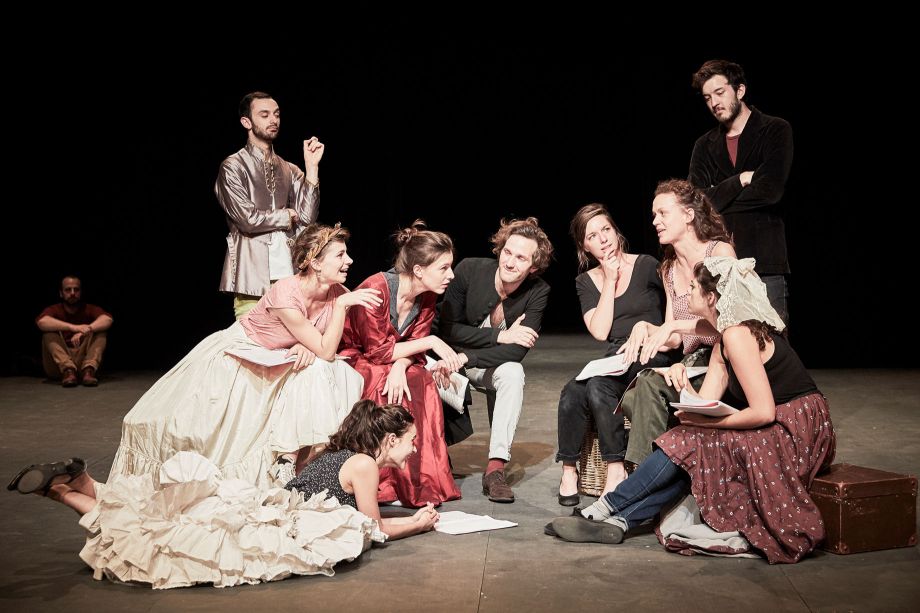
Impromptu 1663 © Christophe Raynaud de Lage
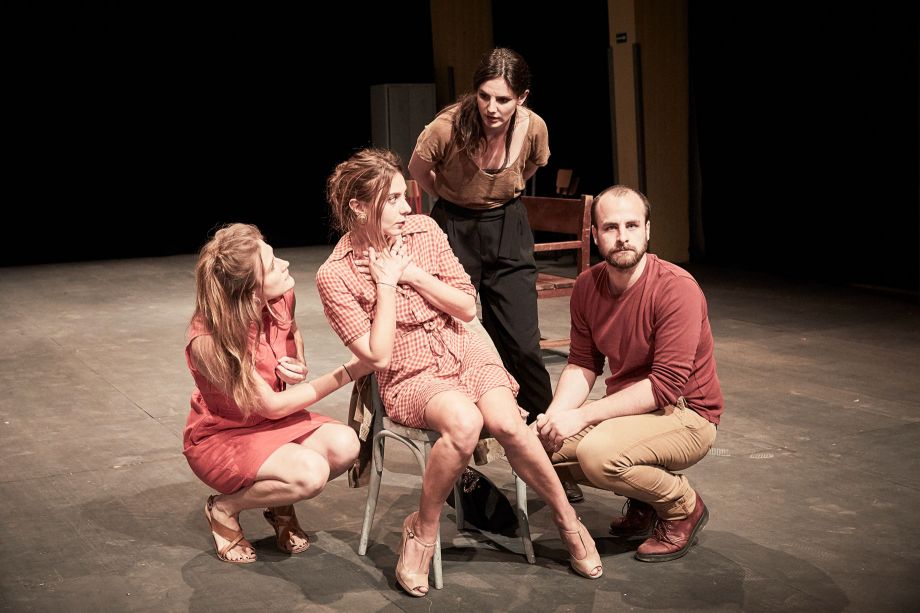
Impromptu 1663 © Christophe Raynaud de Lage
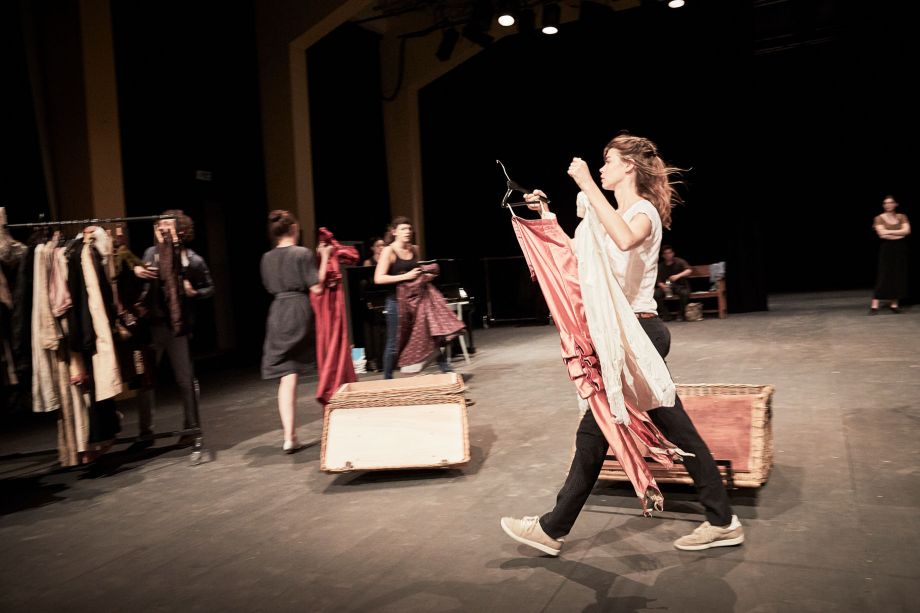
Impromptu 1663 © Christophe Raynaud de Lage
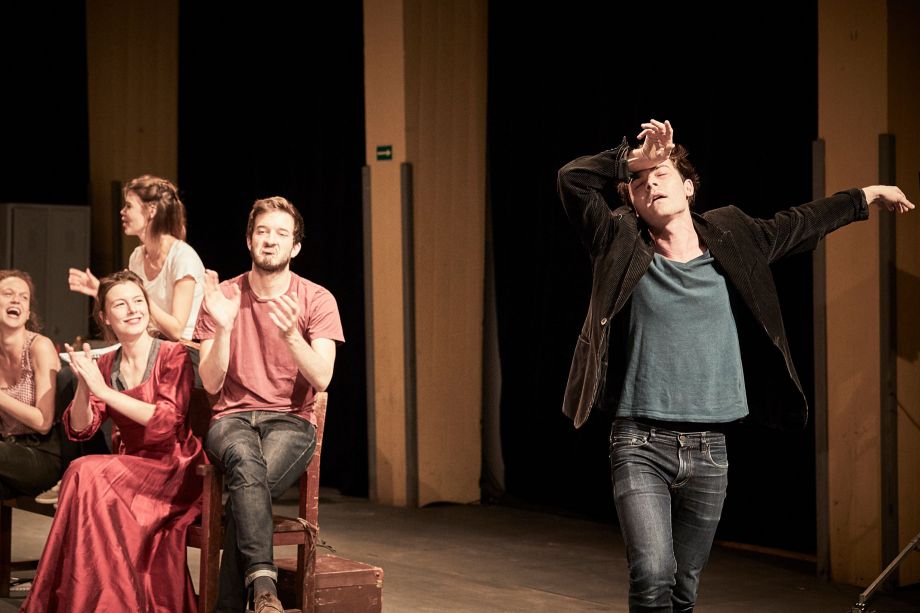
Impromptu 1663 © Christophe Raynaud de Lage
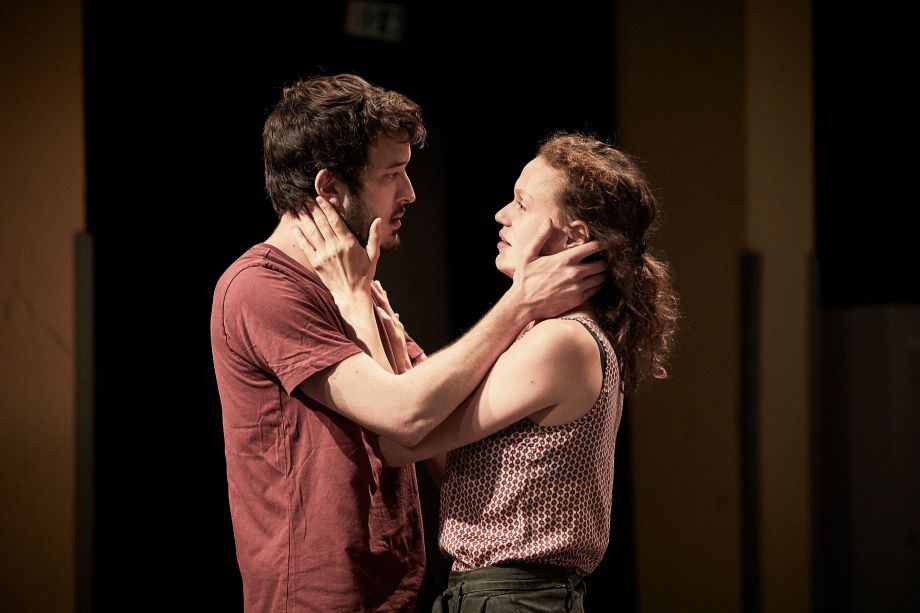
Impromptu 1663 © Christophe Raynaud de Lage
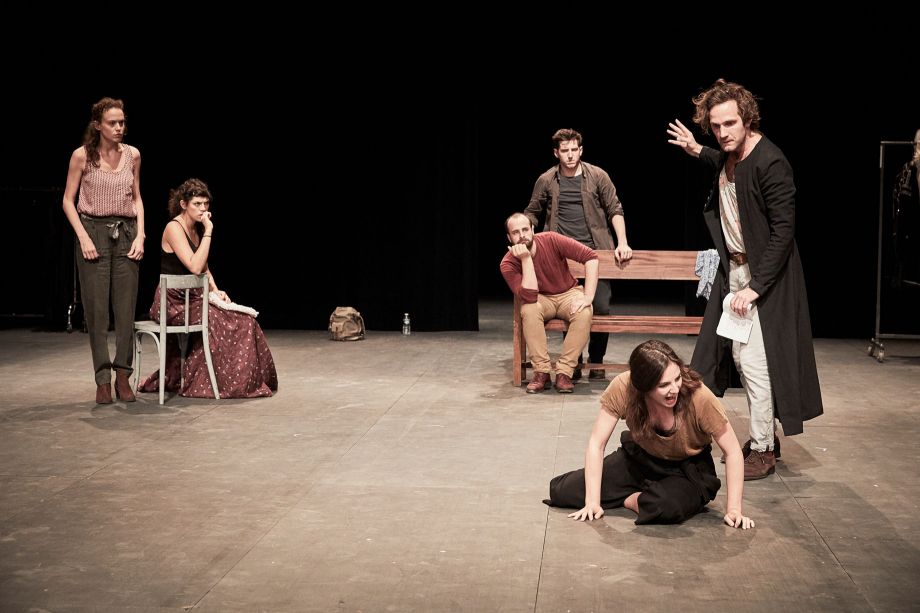
Impromptu 1663 © Christophe Raynaud de Lage
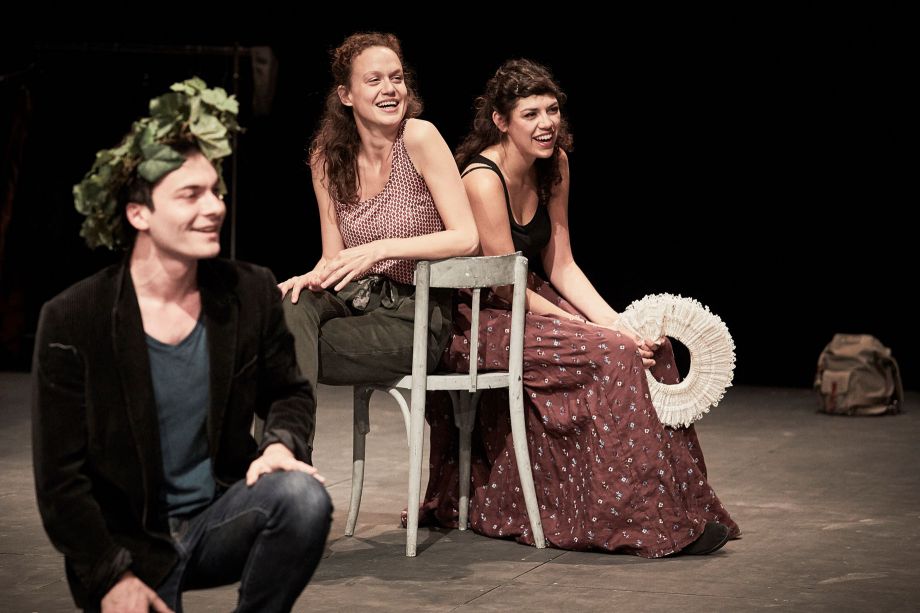
Impromptu 1663 © Christophe Raynaud de Lage
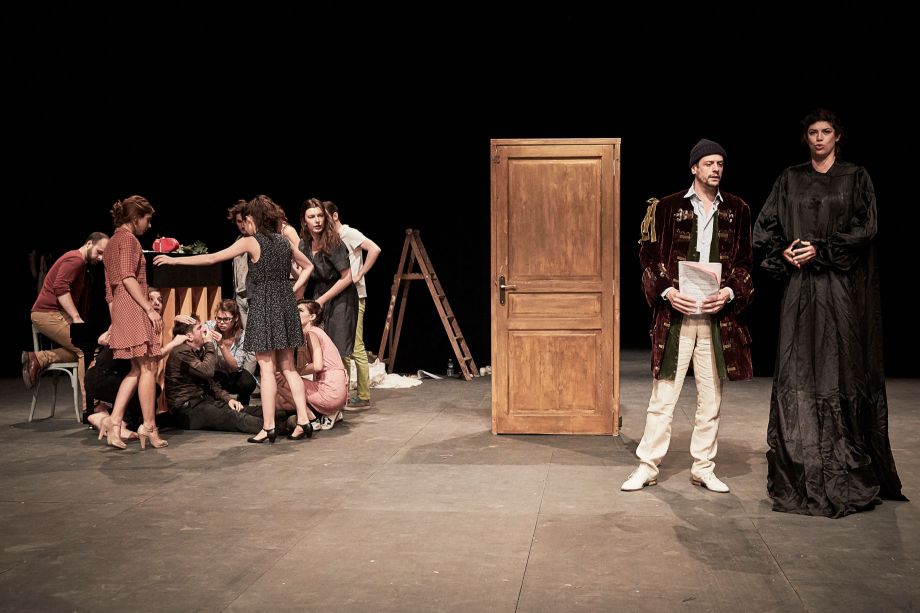
Impromptu 1663 © Christophe Raynaud de Lage
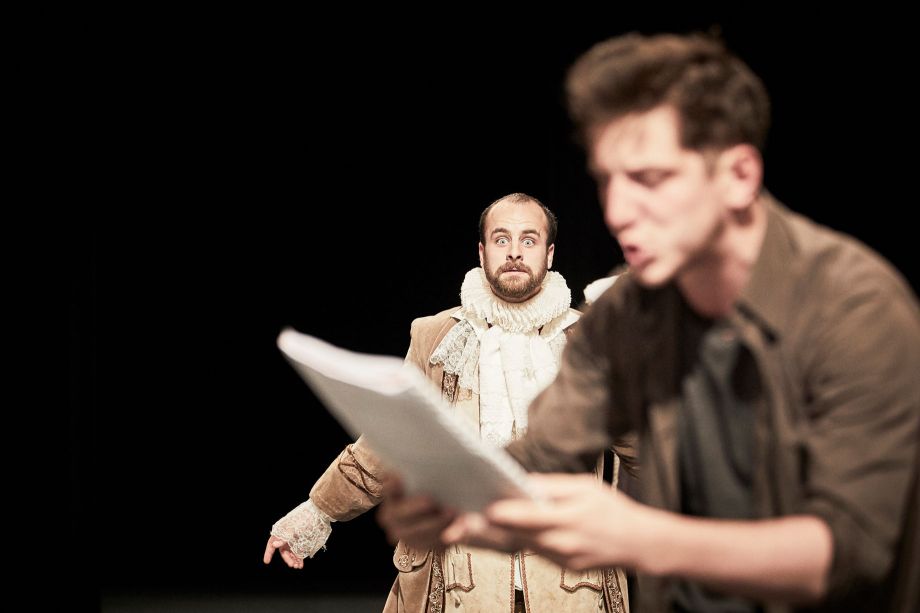
Impromptu 1663 © Christophe Raynaud de Lage
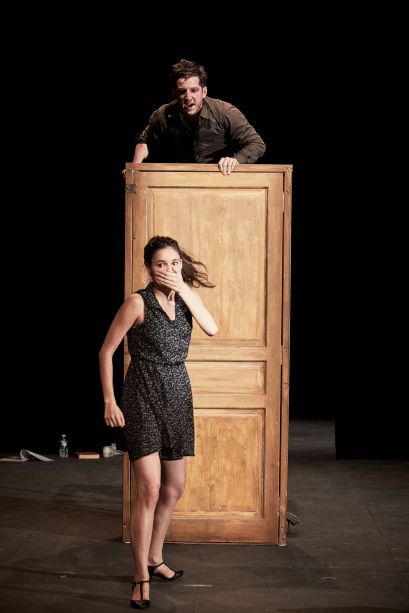
Impromptu 1663 © Christophe Raynaud de Lage
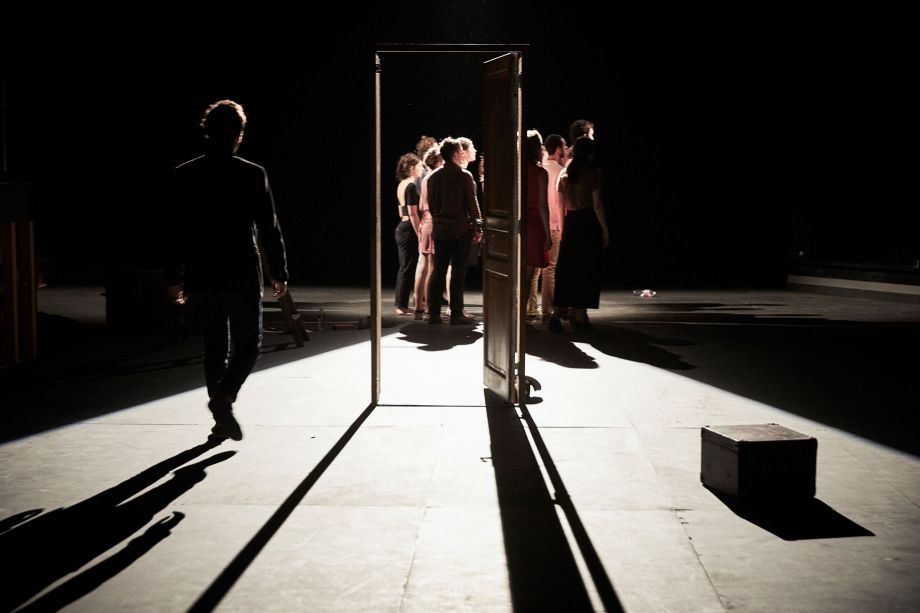
Impromptu 1663 © Christophe Raynaud de Lage
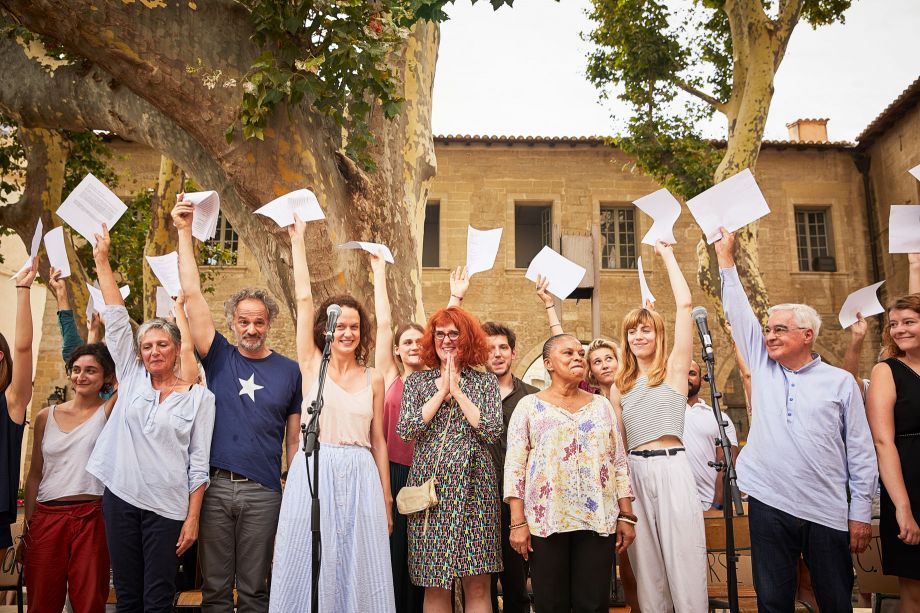
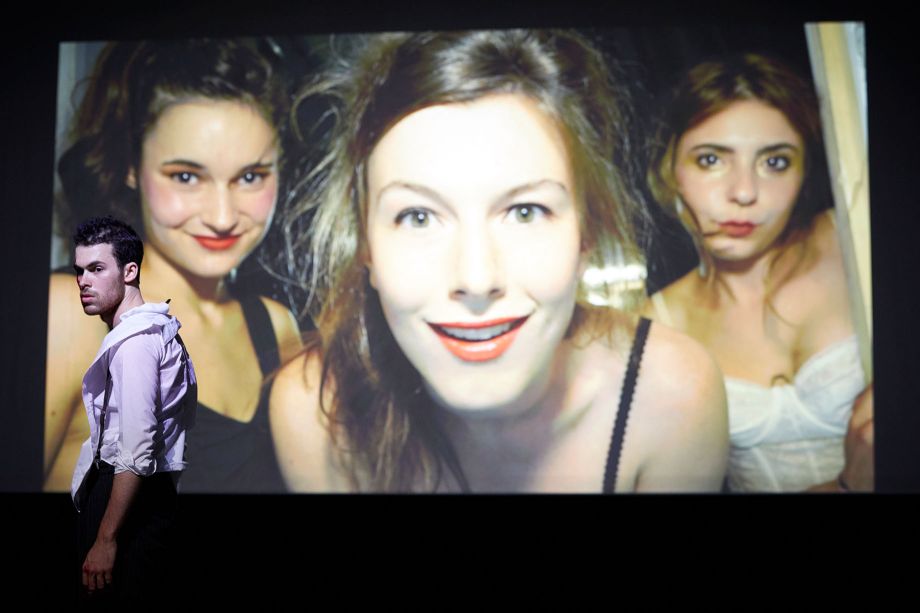
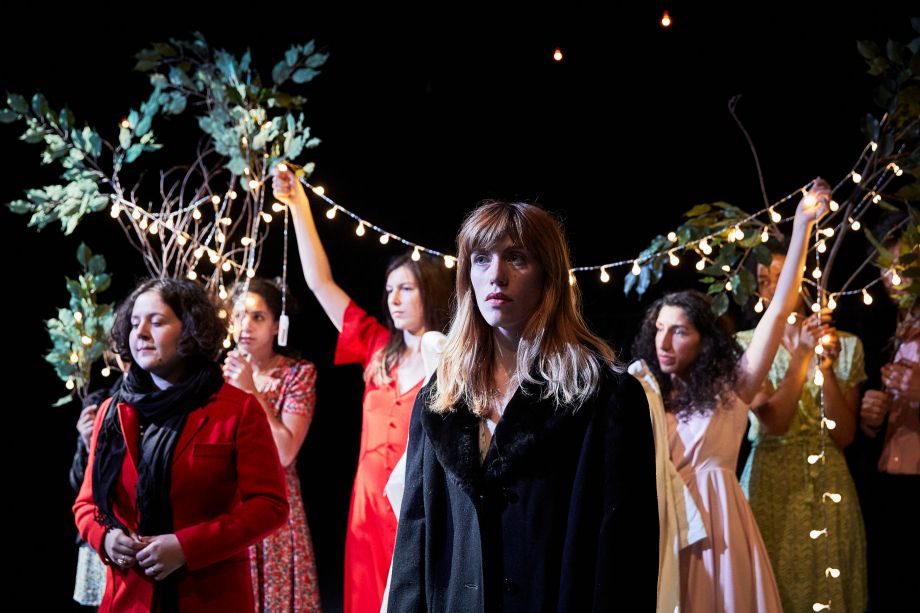
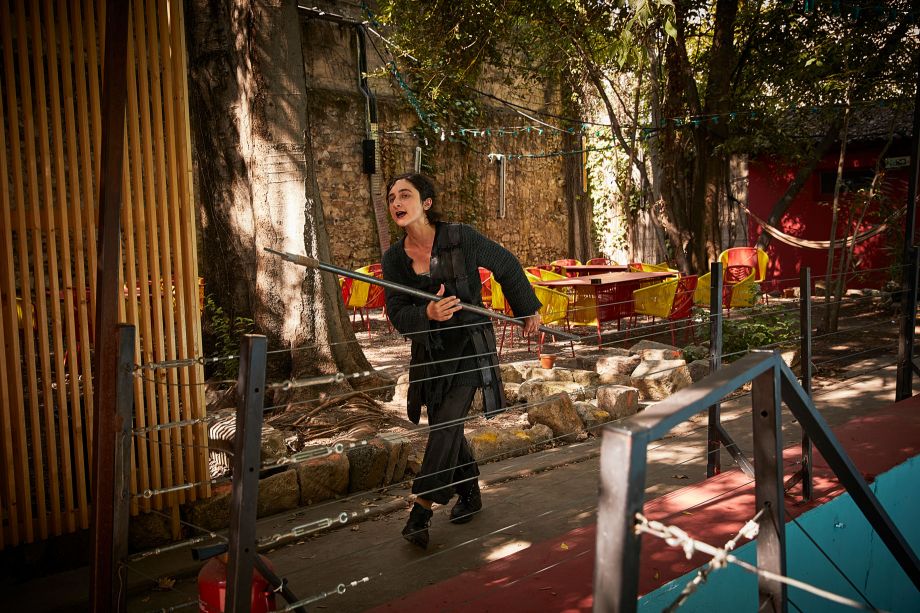
Impromptu 1663, or, Molière and the uproar over The School for Wives, is first and foremost a date that could have remained forgotten in the history of theatre and political satire. Molière, attacked from all sides after presenting The School for Wives, went on the offensive by teaching his opponents a real lesson in two steps. He responded by writing and directing Critique of the School for Wives, followed by The Impromptu at Versailles. When the theatre battles the world of theatre using theatre... It's a simple enough trick: in The Impromptu, Molière stages the rehearsal of a play before its performance in front of the King. Molière plays his own role, surrounded by his whole troupe. In Critique of the School for Wives, however, he dramatises the end of the performance and the argument between members of the audience enthralled or revolted by the play they just saw... Two more stunts to add to those the playwright keeps coming up with to respond to his contemporaries' attacks and reflect their own jealousy and malice back at them. Intertwining those two plays, director Clément Hervieu-Léger asks the students of the Conservatoire national supérieur d'art dramatique to perform what looks a lot like their reality: the life of a troupe, the anxiety of rehearsals, and the pressing need to get onstage... and to defend the modernity of the language of the classics.
Clément Hervieu-Léger
Clément Hervieu-Léger has had a unique career. He was scouted while studying at the conservatoire of the 10th arrondissement in Paris, quickly abandoned his law and political science studies, and after fruitful artistic collaborations, joined the Comédie-Française in 2005. Parallel to his work as an actor, he also collaborated with Patrice Chéreau. He co-founded the Compagnie des Petits Champs with Daniel San Pedro in Beaumontel and created l'Étable, a centre for cultural activities in a rural environment. With the Comédie-Française, Clément Hervieu-Léger directed Molière's Critique of the School for Wives and The Misanthrope, followed by Marivaux's Le Petit Maître Corrigé (The Beating of the Young Master). He also directed Marivaux's L'Épreuve and Molière's Monsieur de Pourceaugnac. For the opera, he directed Cavalli's La Didone and Mozart's Mitridate. Clément Hervieu-Léger teaches drama at the dance school of the Paris Opera. He co-wrote the book J'y arriverai un jour (One day I'll make it) with Georges Banu. In 2014, he wrote his first play, Le Voyage en Uruguay (The Trip to Uruguay). The audience of the Festival d'Avignon previously saw Clément Hervieu-Léger in the role of Gunther von Essenbeck in Ivo van Hove's direction of The Damned, presented in 2016 in the Cour d'honneur of the Palais des papes.
Molière
On 26 December 1662, Molière and his troupe performed The School for Wives. The play led to an outcry from many of his contemporaries. Writers like Boursault or Visé wrote pamphlets against him, accusing him of “not making theatre:” Zélinde or Le portrait du peintre (The Portrait or a Painter). Faced with an ever-increasing number of detractors, Molière spent most of 1663 coming up with a response. With Critique of the School for Wives and The Impromptu at Versailles, Molière invented a new form of theatre, and proved the effectiveness of his best weapon: drama. The mise en abyme allowed him to rebuff his most determined enemies, and the king ruled in his favour, granting him a pension of 100 pistoles.
Direction Clément Hervieu-Léger
Artistic collaboration Clémence Boué
Music Pascal Sangla
Stage design Camille Duchemin
Lights Dominique Nocereau
Sound Yann Galerne
Costumes Valérie Montagu
With James Borniche, Margaux Chatelier, Jean Chevalier, Manon Chircen, Marceau Deschamps-Ségura, Charlie Fabert, Maïa Foucault, Louise Guillaume, Florent Hu, Hugues Jourdain, Pia Lagrange, Joseph Menez, Asja Nadjar, Isis Ravel, Morgane Real, Roxanne Roux, Alexiane Torres
Production Conservatoire national supérieur d'art dramatique
L'École des femmes, La Critique de l'École des femmes and L'Impromptu de Versailles by Molière are published by Éditions Pocket and Hachette