by Maurice Maeterlinck
Bobigny
Creation 2017
Running time 2h25
|
W 5 |
T 6 |
F 7 |
S 8 |
S 9 20h |
M 10 |
T 11 20h |
W 12 20h |
T 13 20h |
F 14 20h |
S 15 20h |
S 16 |
M 17 |
T 18 |
W 19 |
T 20 |
F 21 |
S 22 |
S 23 |
M 24 |
T 25 |
W 26 |
|
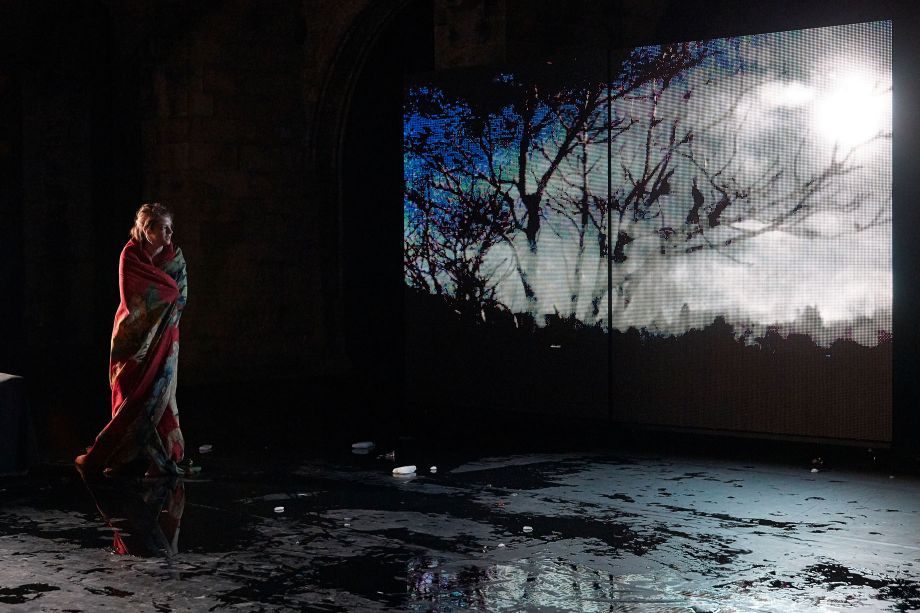
La princesse Maleine © Christophe Raynaud de Lage
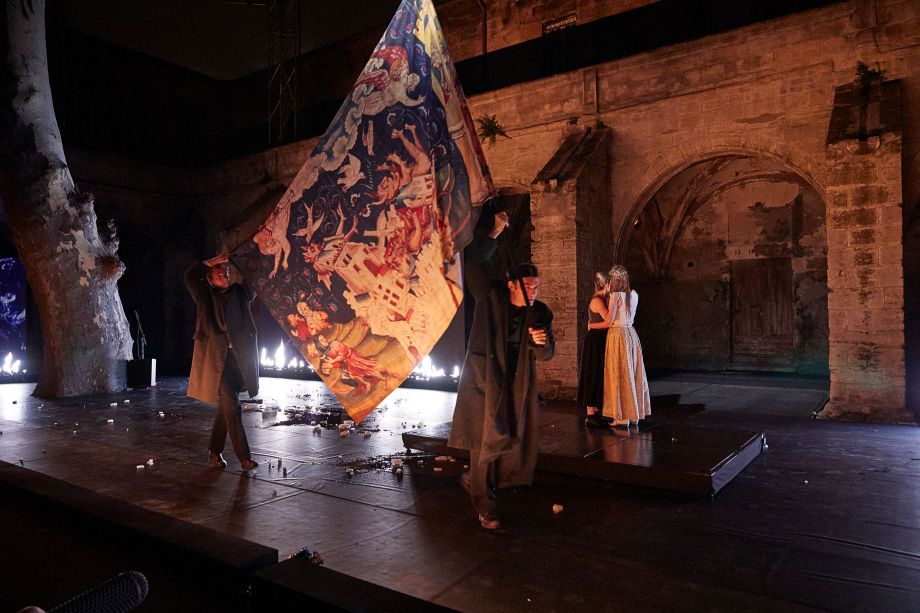
La princesse Maleine © Christophe Raynaud de Lage
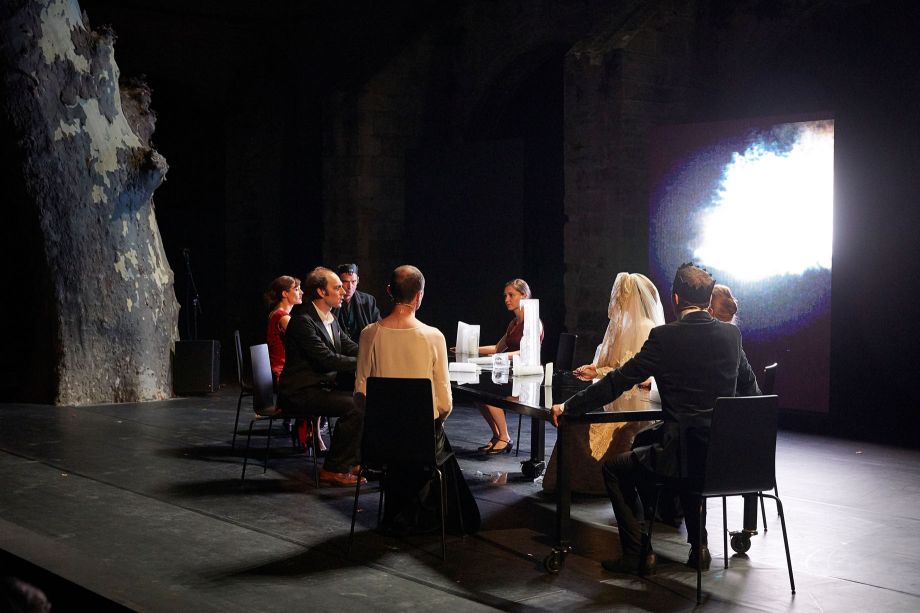
La princesse Maleine © Christophe Raynaud de Lage
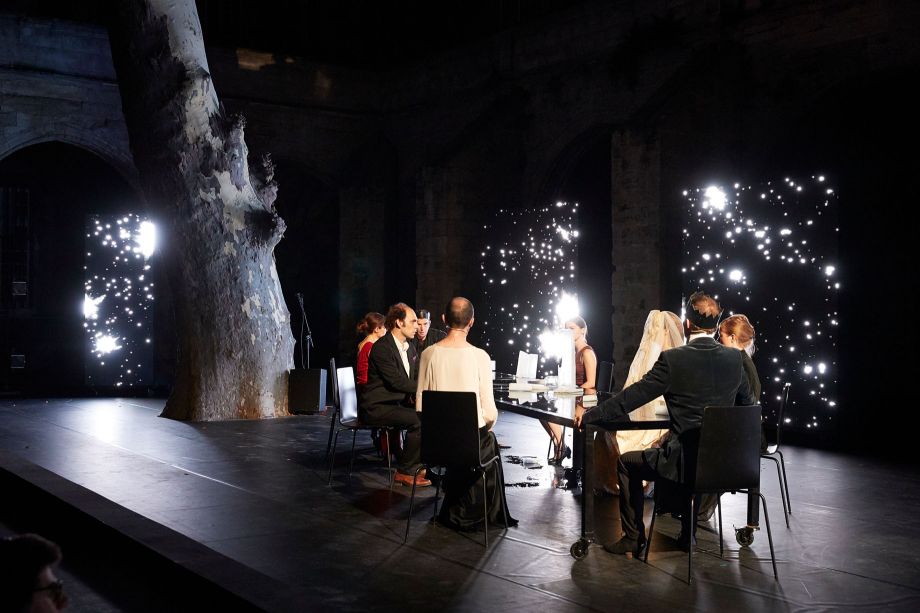
La princesse Maleine © Christophe Raynaud de Lage
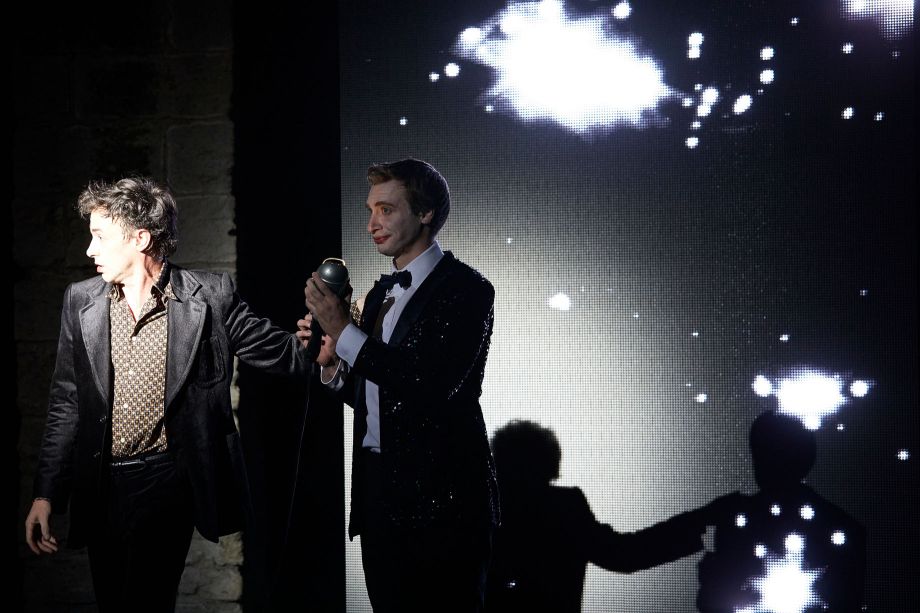
La princesse Maleine © Christophe Raynaud de Lage
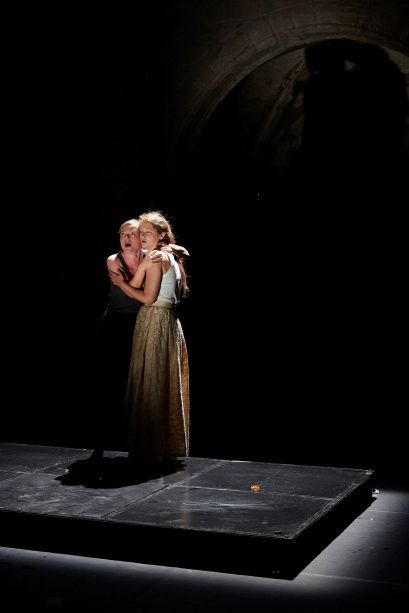
La princesse Maleine © Christophe Raynaud de Lage
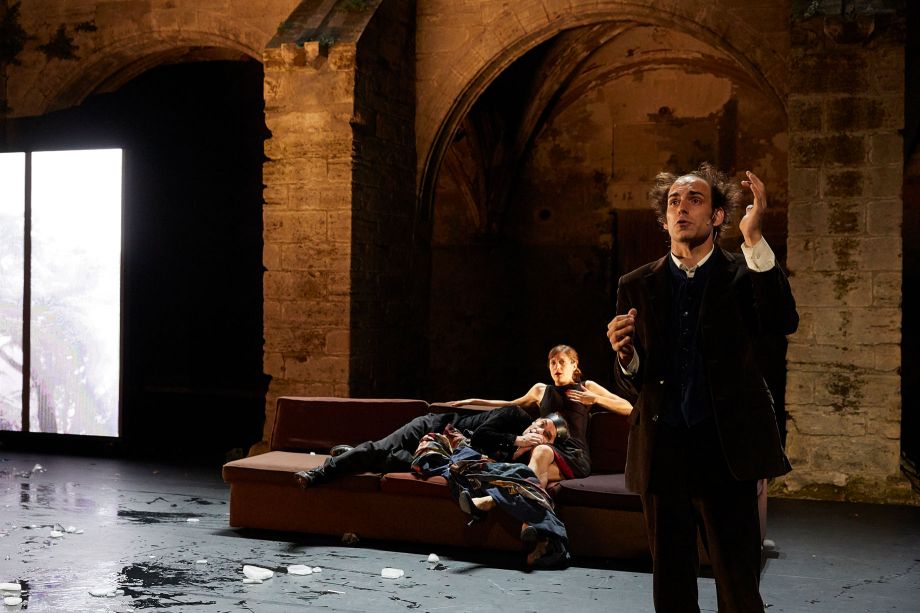
La princesse Maleine © Christophe Raynaud de Lage
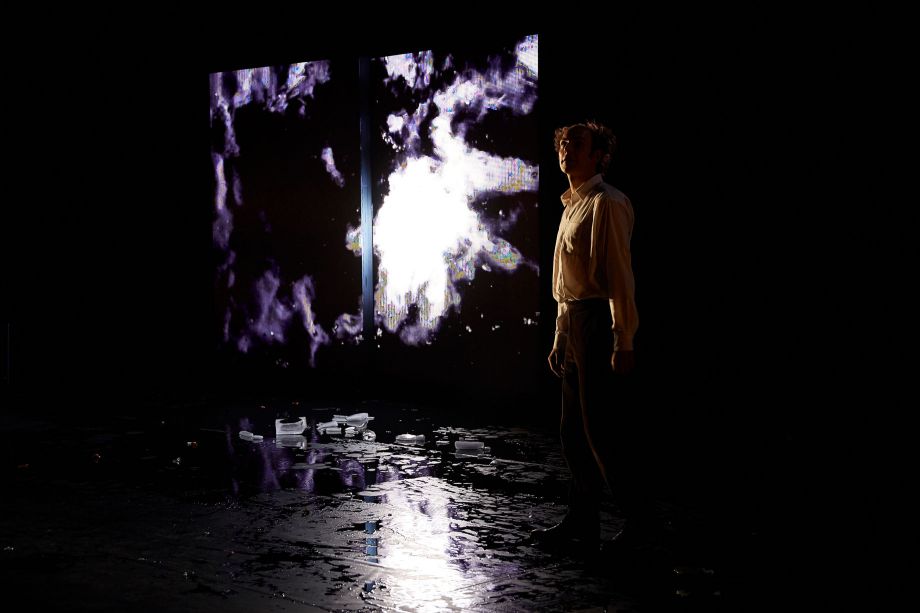
La princesse Maleine © Christophe Raynaud de Lage
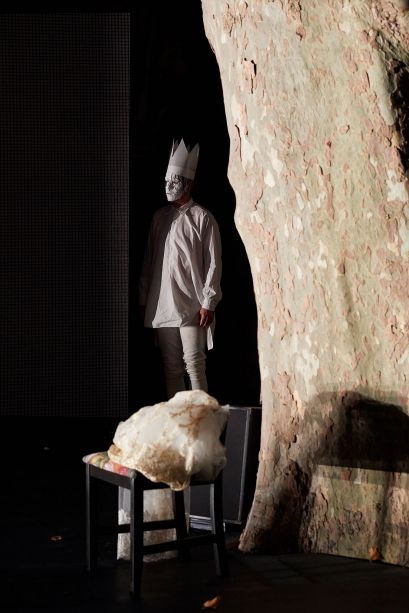
La princesse Maleine © Christophe Raynaud de Lage
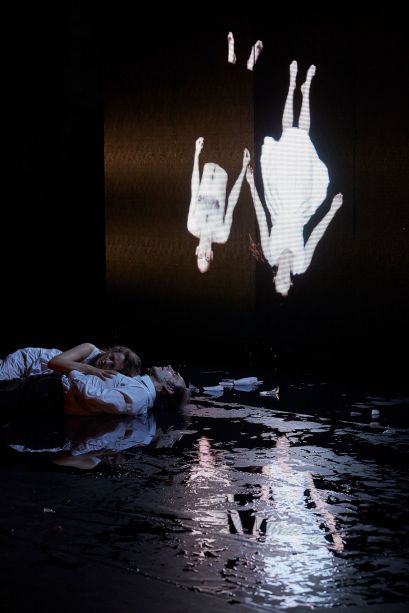
La princesse Maleine © Christophe Raynaud de Lage
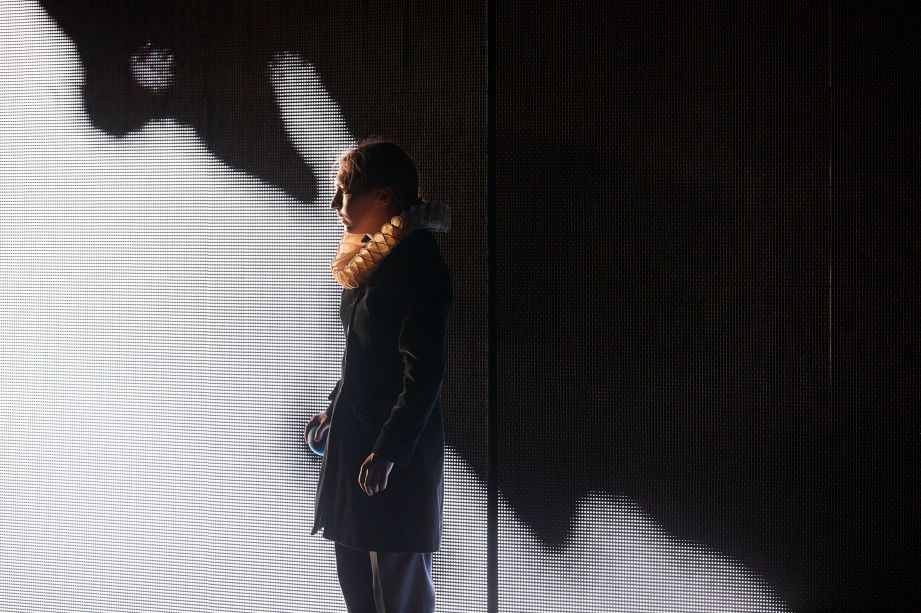
La princesse Maleine © Christophe Raynaud de Lage
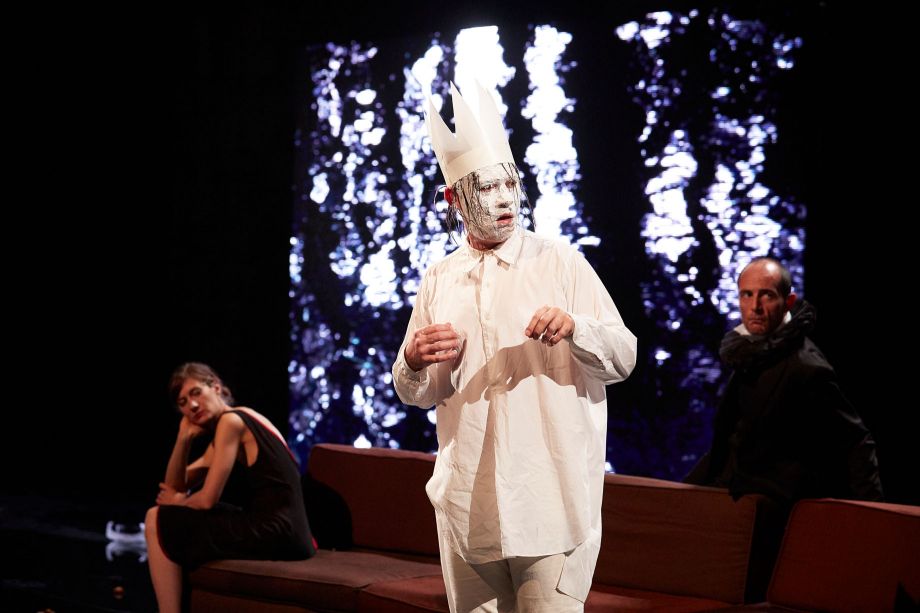
La princesse Maleine © Christophe Raynaud de Lage
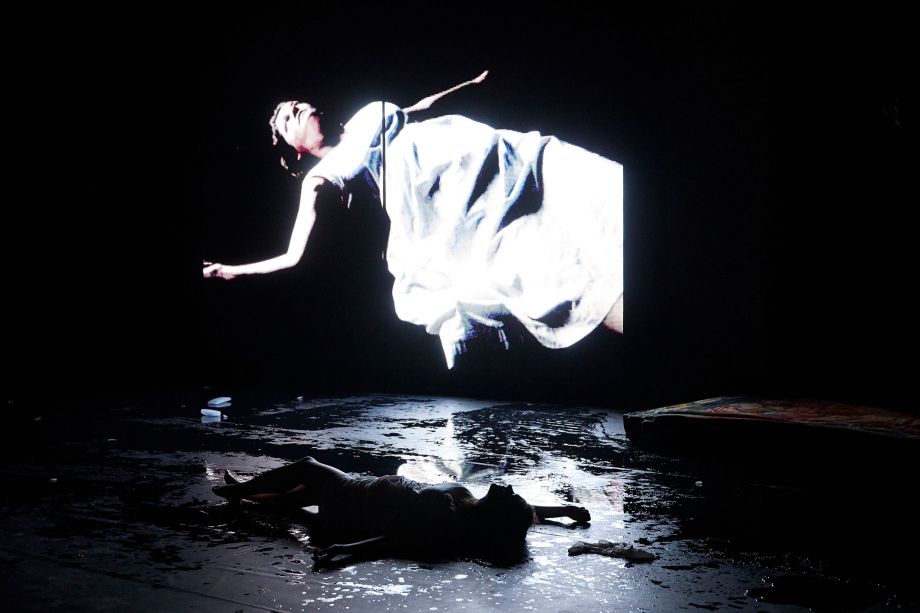
La princesse Maleine © Christophe Raynaud de Lage
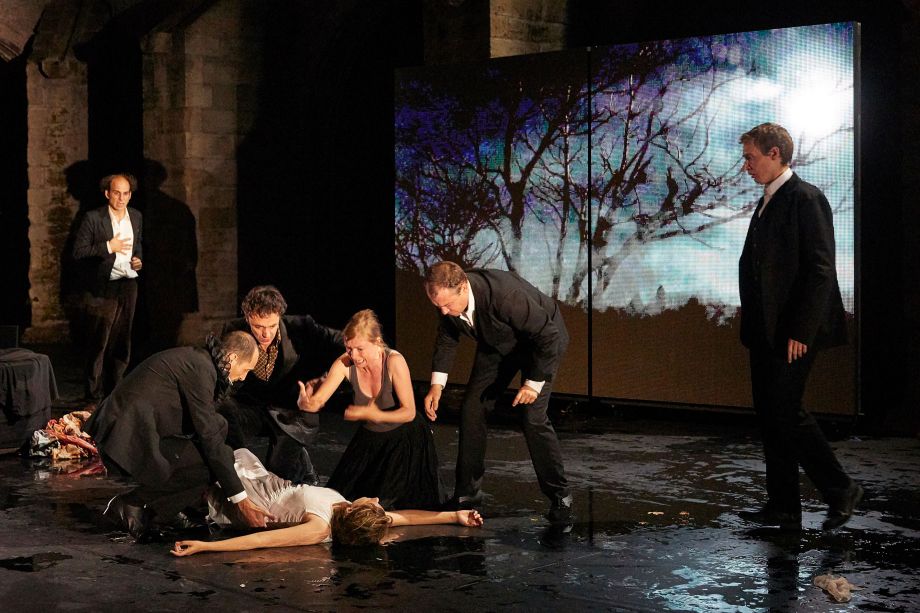
La princesse Maleine © Christophe Raynaud de Lage
“And they lived happily ever after.” What if Maeterlinck followed that happy, open-ended conclusion by showing us all the anxiety that underlies it? Putting a twist on a fairy tale by the brothers Grimm to focus on what happens after the end, he has the lovers find each other again early in Princess Maleine. Their union brings about worry, illness, storms, and poison. Princess Maleine, determined to wed Prince Hjalmar in spite of the world's opposition, endures imprisonment, starvation, and the loss of her parents, all without batting an eye. But her getting her wish only triggers a time of terror. And like an opposite pole, Queen Anne, passionate and lustful, plays with forces that are as dangerous as they are unavoidable. Love is the engine that drives all of them to lose themselves, and it is what Pascal Kirsch chooses to focus on in this story influenced by magical realism. He gives a portrait of this family and its contradictions based on its doubts and hesitations that echo in the outside world. Here are people made young again by anger, who kill what they love to preserve it, and who laugh at their own impotence. The director wields tragic irony like a blade and plays with the fears that bring us closer together. The frame remains tightly focused on those characters and their tragic destinies, showing us a Princess Maleine who, “as long as she is on her quest for love, isn't afraid of death. Her fury may seem peaceful, but it's a form of absolute resistance.”
Pascal Kirsch
After training as an actor as the Conservatoire de Tours, then at the Lucien Marchal's Ecole Parenthèses, Pascal Kirsch started performing under the direction of Marc François, notably in Maeterlinck's The Blind in 1994. He soon joined the other side of the stage, assisting directors like Bruno Bayen and Thierry Bedard, and well as Claude Régy. In 2001 he directed his first show, Le Chant de la Meute (The Song of the Pack), based on texts by Büchner and Celan. In 2003, he founded, with Bénédicte Le Lamer in Le Mans, the company pEqUOd, which he directed until 2010, working on projects such as Tombée du jour (Darkness Falls), Mensch, based on Büchner, and Et hommes et pas (Men and not Men), adapted from a novel by Elio Vittorini. Pascal Kirsch then directed Naxos-Bobine, a cultural hotspot in Paris. Since 2014, he has been a member of the Collectif des quatre Chemins, a laboratory of artistic experimentation created by the Centre dramatique national La Commune, in Aubervilliers. In 2015, he directed Hans Henny Jahnn's dramatic poem Armut, Reichtum, Mensch und Tier (Poverty, Wealth, Man, and Beast), a great story influenced by fairy tales. He has taught in schools such as that of the Théâtre national de Bretagne in Rennes, the Ensad in Montpellier, and the Ensad in Paris, directing the graduation show of the class of 2016.
Maurice Maeterlinck
A Flemish writer who wrote in French, Maurice Maeterlinck was born in Ghent in 1862. He first encountered success thanks to Princess Maleine, which was published in 1889 and directed by Lugné-Poe at the Théâtre de l'Œuvre in Paris. Lauded by Octave Mirbeau, that first play, based on Maid Maleen, a fairy tale by the brothers Grimm, was very rarely performed during the 20th century. It was followed by a series of more mysterious plays in which dark forces multiply and strengthen, among which Intruder, Pelléas and Mélisande, Interior, and The Blind, which made Maeterlinck a prominent figure in the Symbolist movement. He distinguished himself as a poet with works like Serres chaudes (Hothouses) and Douze chansons (Twelve Songs). His work soon focused on life in the wild and on the human soul. The Treasure of the Humble was published in 1896, Wisdom and Destiny in 1898, and The Life of the Bee in 1901. He was awarded the Nobel Prize in 1911 and lived in France, alternating between the Abbey of St. Wandrille in Normandy—where rumour has it he liked to roller skate through the refectory—and his château in Nice, which he named Orlamonde, and where he died in 1949.
Text Maurice Maeterlinck
Design and direction Pascal Kirsch
Stage design and costumes Marguerite Bordat et Anaïs Heureaux
Lights Marie-Christine Soma
Sound Pierre-Damien Crosson
Video Sophie Laloy
With Bénédicte Cerutti, Arnaud Chéron, Cécile Coustillac, Mattias de Gail, Victoire Du Bois, , Vincent Guédon, Loïc Le Roux, François Tizon, Florence Valéro, Charles-Henri Wolff
Production Compagnie Rosebud
Co-production MC93 Maison de la culture de Bobigny, Festival d'Avignon, MC2: Grenoble, La Passerelle Scène nationale de Saint-Brieuc, Le Parvis Scène nationale de Tarbes, Équinoxe Scène nationale de Châteauroux, Centquatre (Paris)
With the support of Drac Île-de-France, Fonds d'insertion pour les jeunes comédiens de l'école supérieure d'art dramatique de Paris - Pôle supérieur Paris Boulogne-Billancourt, Maison Louis Jouvet - Ensad Languedoc-Roussillon, Arcadi Île-de-France and for the 71st edition of the Festival d'Avignon : Adami
With the help of Centquatre-Paris, la Fabrique des Arts - Théâtre 71 Scène nationale de Malakoff, Théâtre Louis Aragon (Tremblay-en-France), Canal 93
La Princesse Maleine by Maurice Maeterlinck, is published by Éditions Espace Nord.
Organized with the Agence nationale de la recherche
with Pascal Kirsch and the artistic team of Princess Maleine