Düsseldorf
Running time 1h30
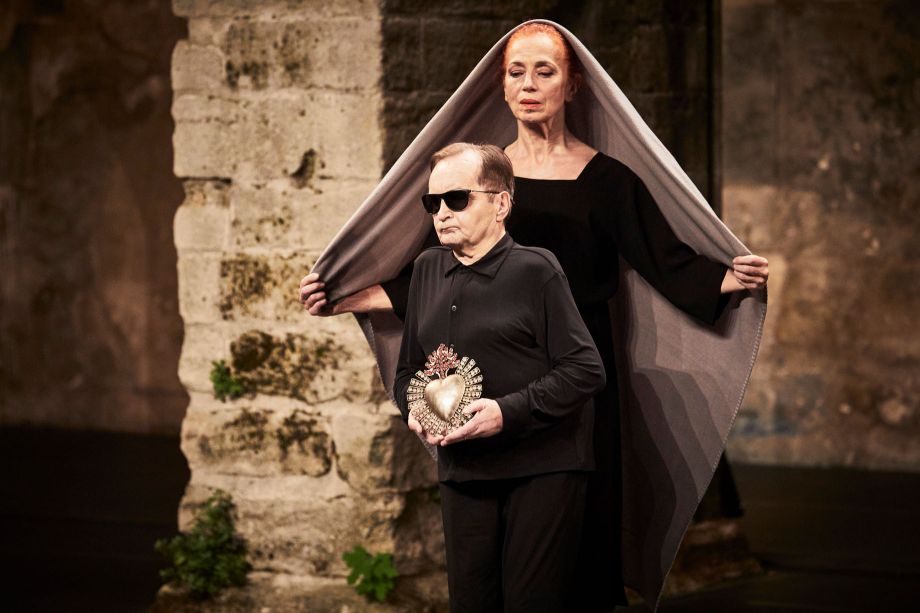
Raimung Hoghe summons the presence of Maria Callas and lets her voice echo in a ritual made of unfinished gestures.
|
T 5 |
F 6 |
S 7 |
S 8 |
M 9 |
T 10 |
W 11 |
T 12 |
F 13 |
S 14 |
S 15 |
M 16 |
T 17 19h 30 |
W 18 19h 30 |
T 19 19h 30 |
F 20 |
S 21 |
S 22 |
M 23 |
T 24 |
|
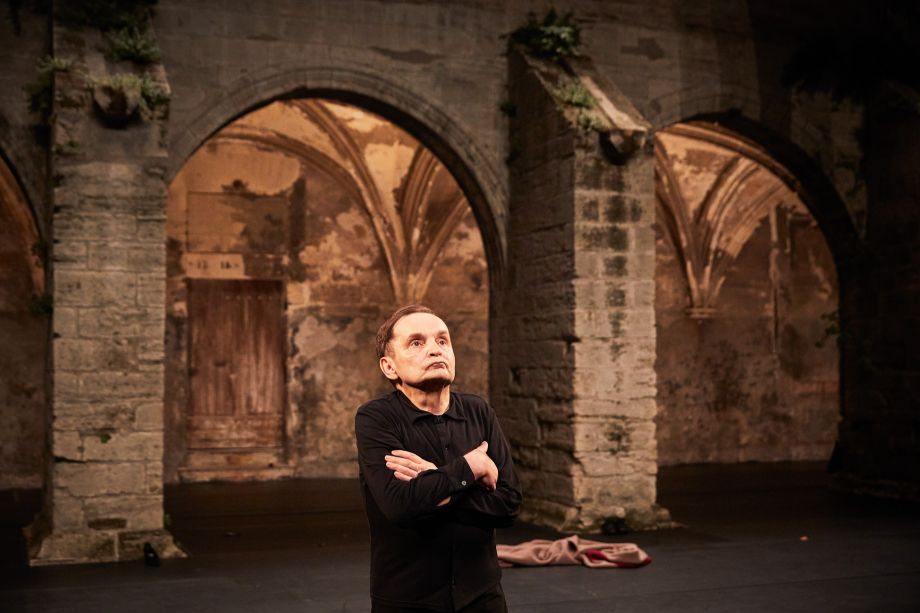
36, avenue Georges Mandel © Christophe Raynaud de Lage
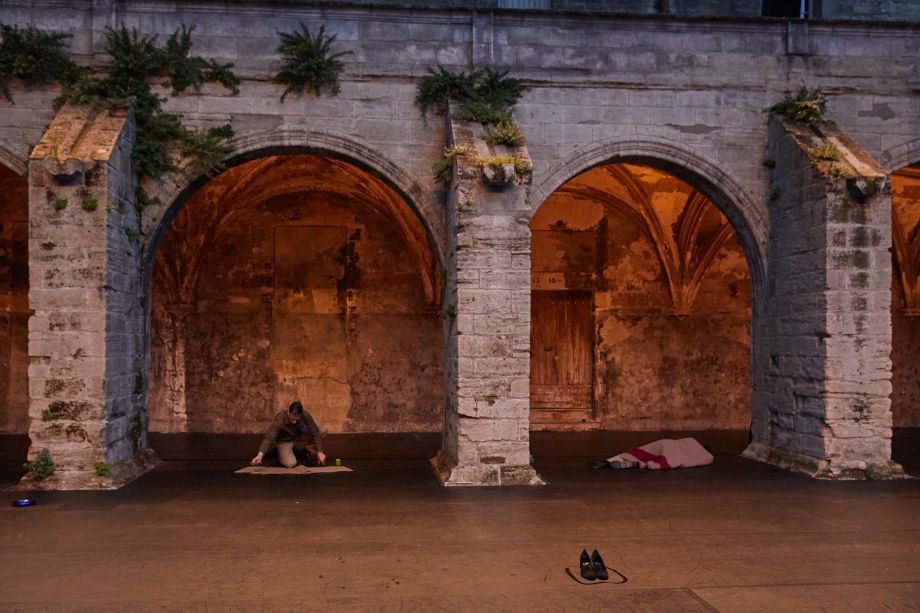
36, avenue Georges Mandel © Christophe Raynaud de Lage
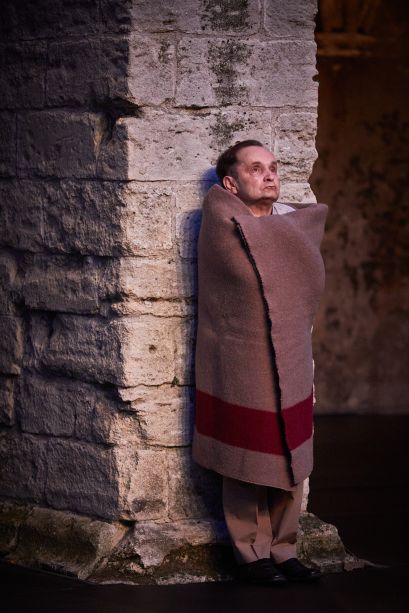
36, avenue Georges Mandel © Christophe Raynaud de Lage
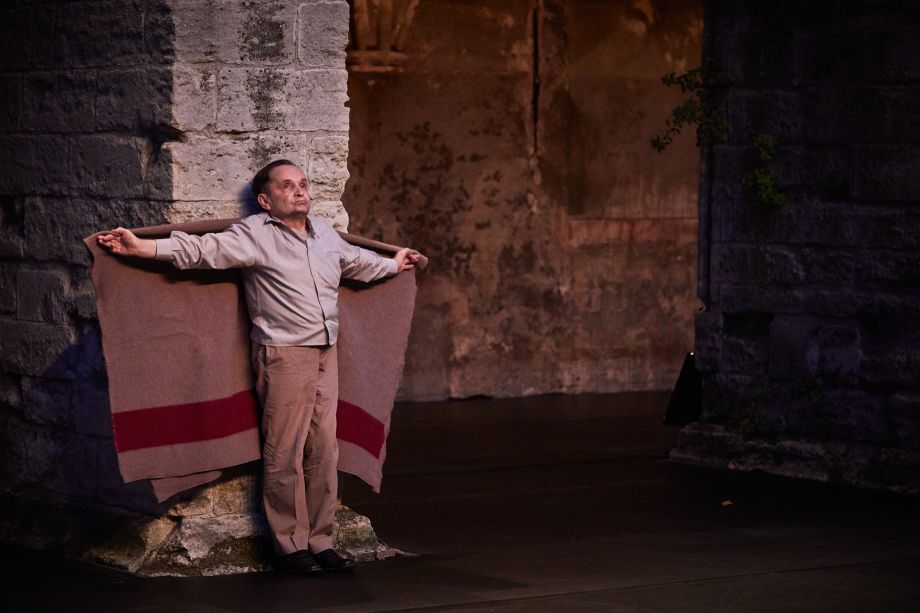
36, avenue Georges Mandel © Christophe Raynaud de Lage
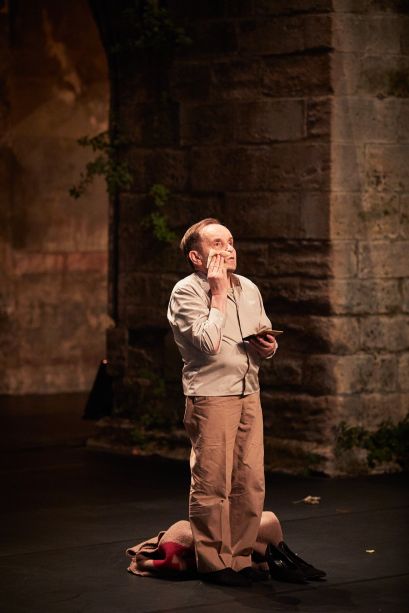
36, avenue Georges Mandel © Christophe Raynaud de Lage
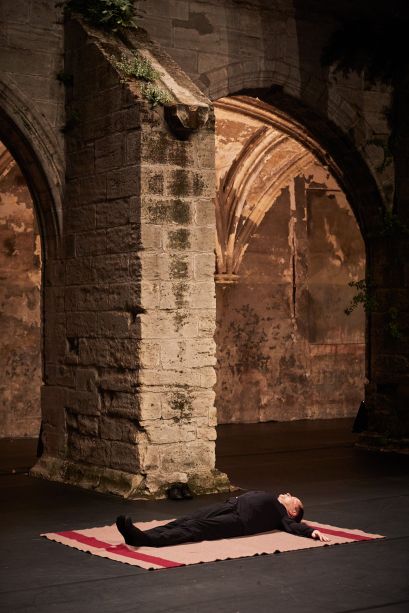
36, avenue Georges Mandel © Christophe Raynaud de Lage
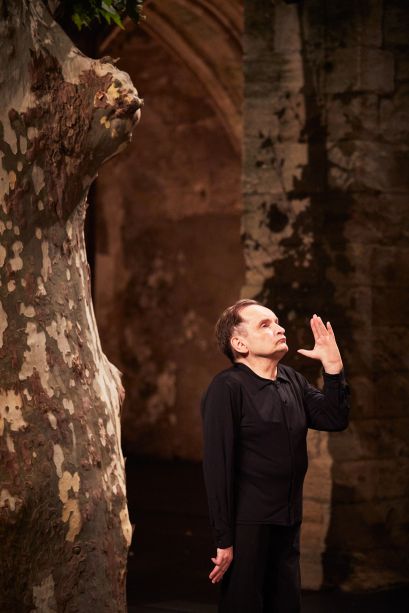
36, avenue Georges Mandel © Christophe Raynaud de Lage
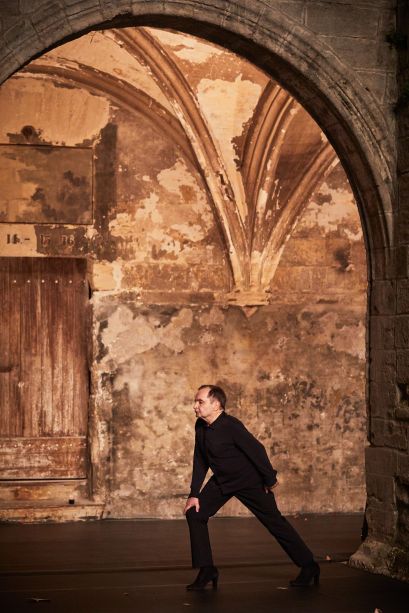
36, avenue Georges Mandel © Christophe Raynaud de Lage
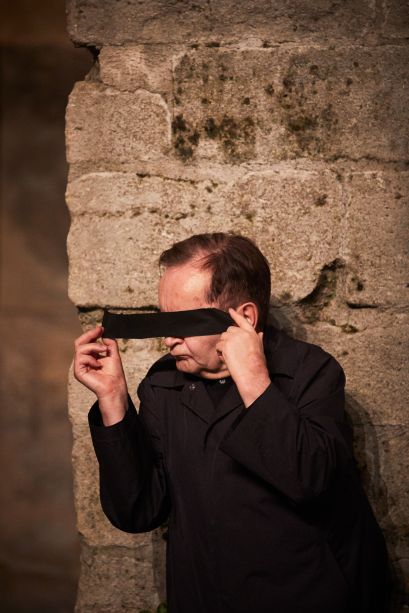
36, avenue Georges Mandel © Christophe Raynaud de Lage
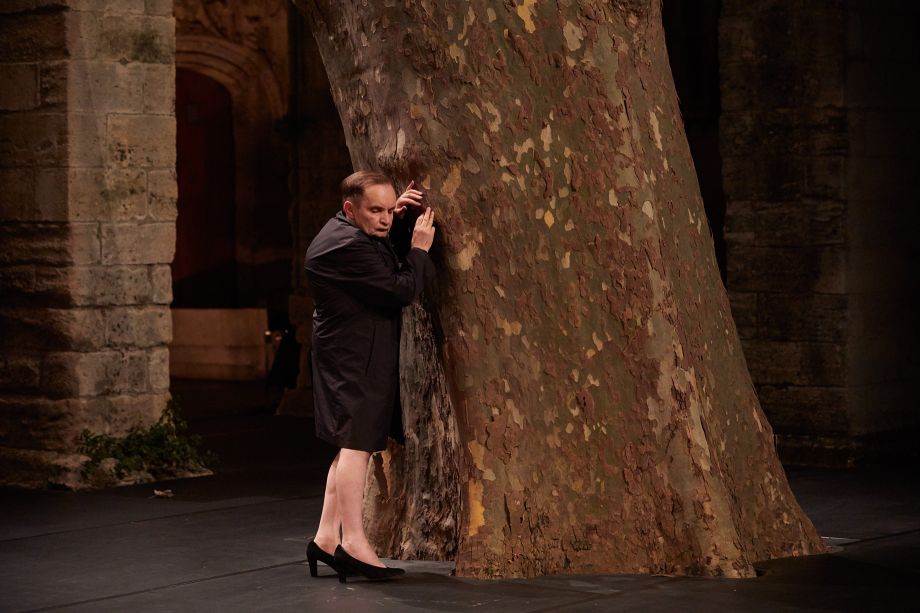
36, avenue Georges Mandel © Christophe Raynaud de Lage
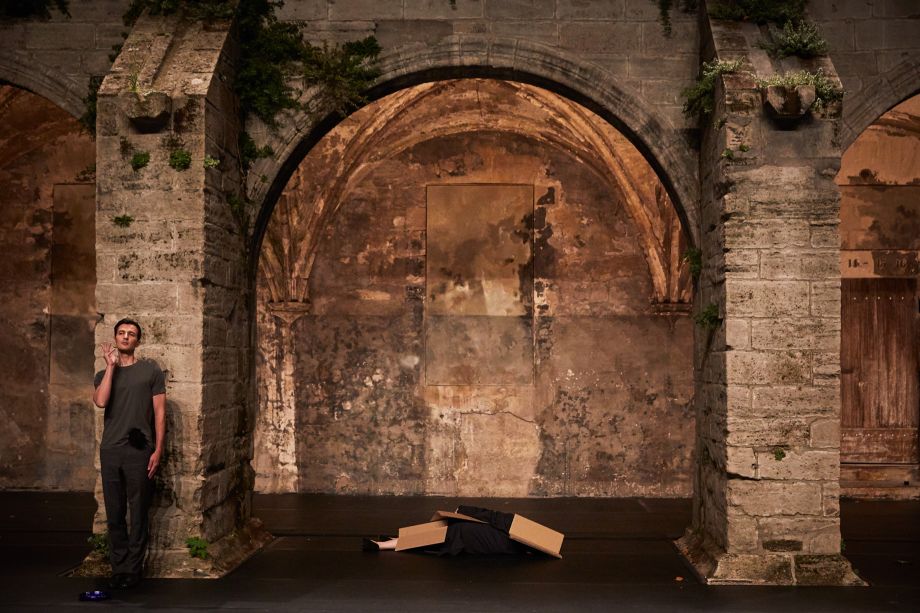
36, avenue Georges Mandel © Christophe Raynaud de Lage
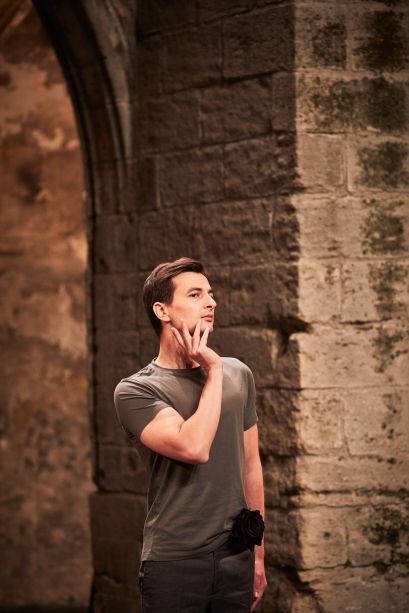
36, avenue Georges Mandel © Christophe Raynaud de Lage
It is a simple routine, the expression of a space and time. It is a simple address, that of Maria Callas at the end of her life, which implicitly comes to paint the picture of an icon, of her loneliness and abandonment in her last years. Created in 2007, 36, Avenue Georges Mandel is also an address to Maria Callas; a way to summon her presence and to remind us of the demanding nature of her art, classical singing, and of the dramatic power of the figures she brought to life—Carmen, Norma, Tosca. To this voice that fills the stage, Raimund Hoghe chooses to respond not with something equally big, but with something little. By subtracting rather than adding, he creates a fragile zone where music can resonate. The ephemeral space he builds using his usual material works here like a go-between: between her and us, between past and present. Between 2007 and 2018. Doing away with gestures and clothes, Raimund Hoghe lets the voice guide and clothe him, and he becomes the ghost of that presence, the better to open a breach between the presence of the bodies and the otherworldliness of a tone.
Raimund Hoghe
A writer and dramatist for Pina Bausch, Raimund Hoghe has spent the past twenty-five years creating a challenging choreographic body of work, alternating solos and group shows—Sacre – The Rite of Spring, Swan Lake, 4 Acts, Boléro Variations, etc—which revisit major works in the history of dance. Each of his shows rests on a thin thread, a fabric made of gestures, shapes, and melodies, which he imbues with the thickness of memory. Letting the music spread through the bodies, his rituals take form in a space conducive to all kinds of associations. Raimund Hoghe's first show in France was Verdi Prati, performed in 1993 at the Festival d'Avignon.
With Emmanuel Eggermont, Raimund Hoghe, Luca Giacomo Schulte
Conception, choregraphy, stage design Raimund Hoghe
Artistic collaboration Luca Giacomo Schulte
Lights Raimund Hoghe, Amaury Seval
Music Bellini, Donizetti, Verdi, Spontini, Giordano, Gluck, Massenet, Catalani, Saint-Saëns, Bizet, interpreted by Maria Callas
Production Hoghe & Schulte GbR
Coproduction Ganesa Production-Spring Wave/Festival
des arts contemporains de Séoul (Corée), Festival d'Avignon, Centre national de danse contemporaine d'Angers, Theater im Pumpenhaus Münster
With the support of Ministère de la Culture et de la Science de Rhénanie-du-Nord-Westphalie, Kunststiftung NRW, Kulturamt der Landeshauptstadt Düsseldorf, et pour la 72e édition du Festival d'Avignon : Goethe-Institut (Lyon)
With the help of agnès b.