by Victor Hugo
Direction DENIS GUÉNOUN
with the Institut Supérieur des Techniques du Spectacle
Avignon
Creation 2014
Running time 50mn
Prices : from €17 to €10
"Les Pauvres Gens" is published by éditions Gallimard in the book "La Légende des siècles" in the collection Poésie.
Les Pauvres Gens will not play on 24th of July due to a movement of strikes within the framework of the mobilisation regarding the reform of the intermittence for performing arts. There will be an additional date on 26th July at 3 p.m. Refunds and adjournments possible. Information: 04 90 14 14 14.
|
T 3 |
F 4 |
S 5 |
S 6 |
M 7 |
T 8 |
W 9 |
T 10 |
F 11 |
S 12 |
S 13 |
M 14 |
T 15 |
W 16 |
T 17 |
F 18 |
S 19 |
S 20 |
M 21 |
T 22 |
W 23 |
T 24 16h |
F 25 16h |
S 26 16h |
S 27 |
|
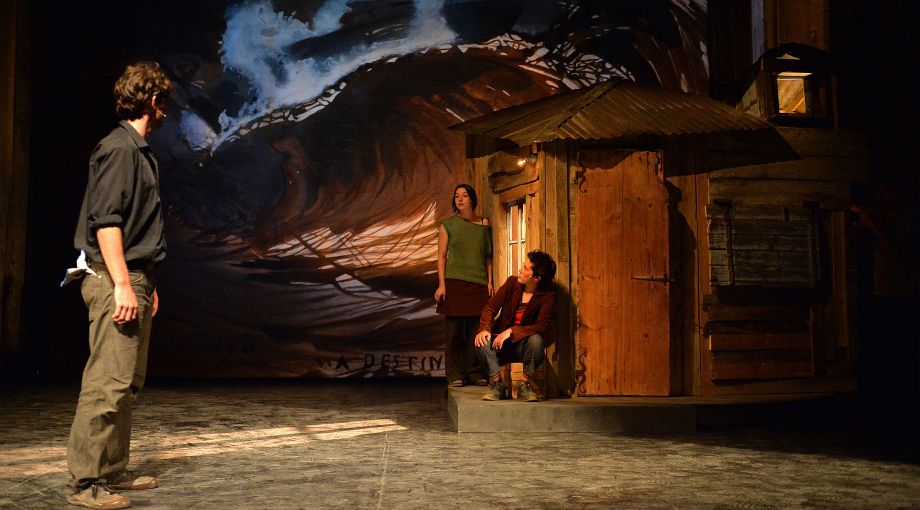
Les Pauvres Gens © Marc Ginot
© LA COMPAGNIE DES INDES
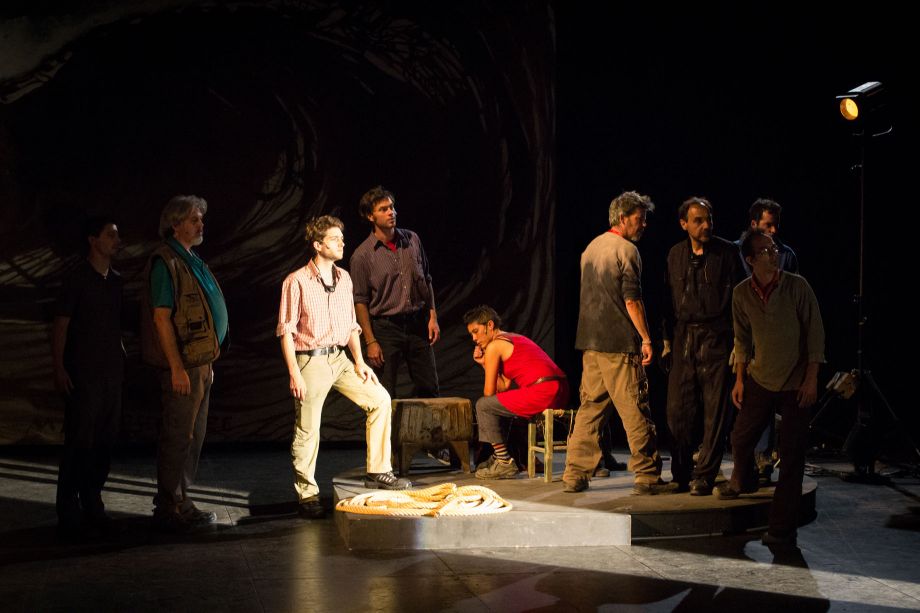
Les Pauvres Gens © Christophe Raynaud de Lage
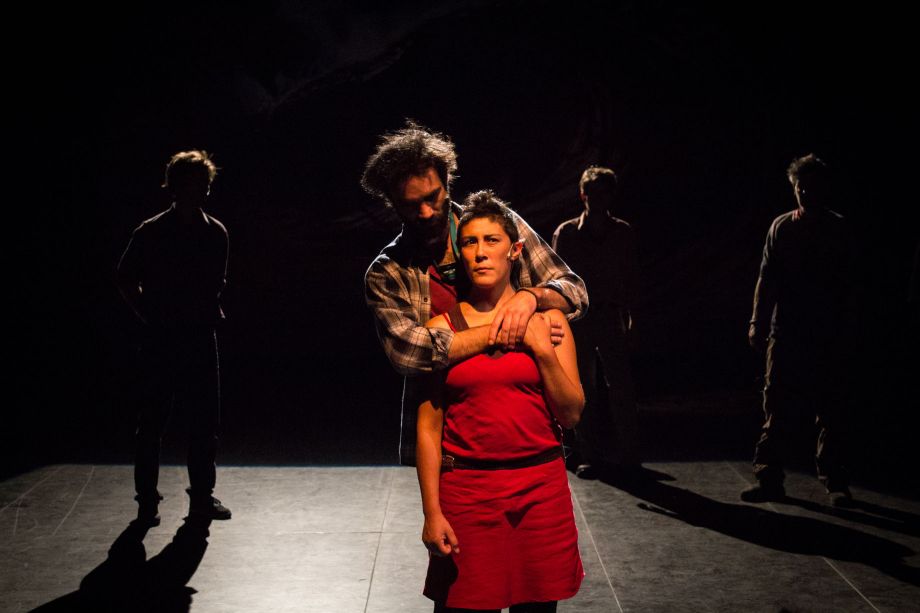
Les Pauvres Gens © Christophe Raynaud de Lage
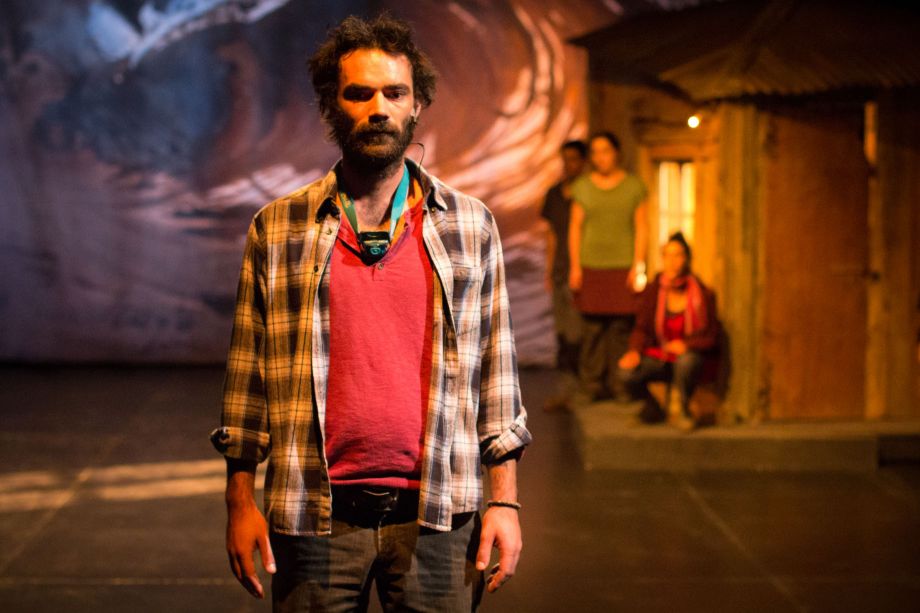
Les Pauvres Gens © Christophe Raynaud de Lage
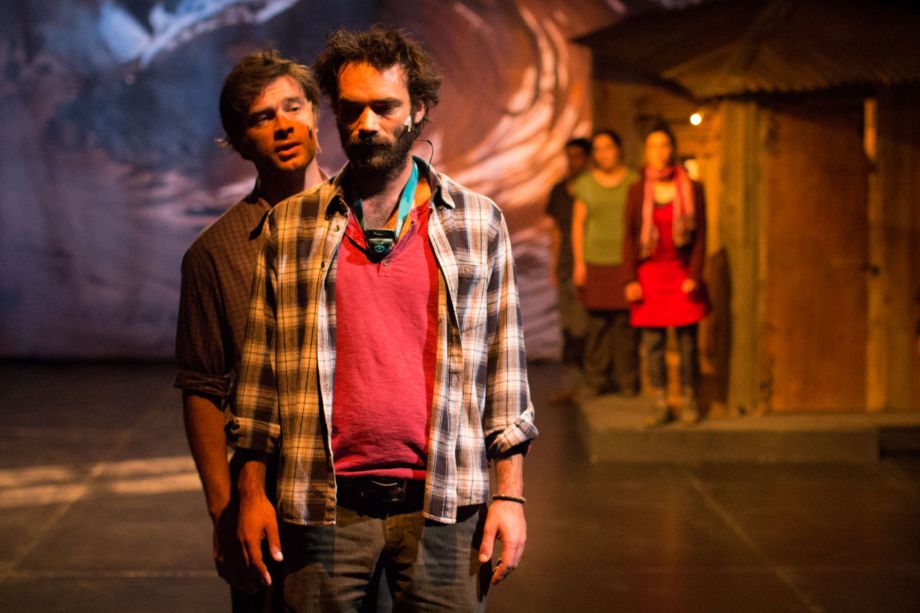
Les Pauvres Gens © Christophe Raynaud de Lage
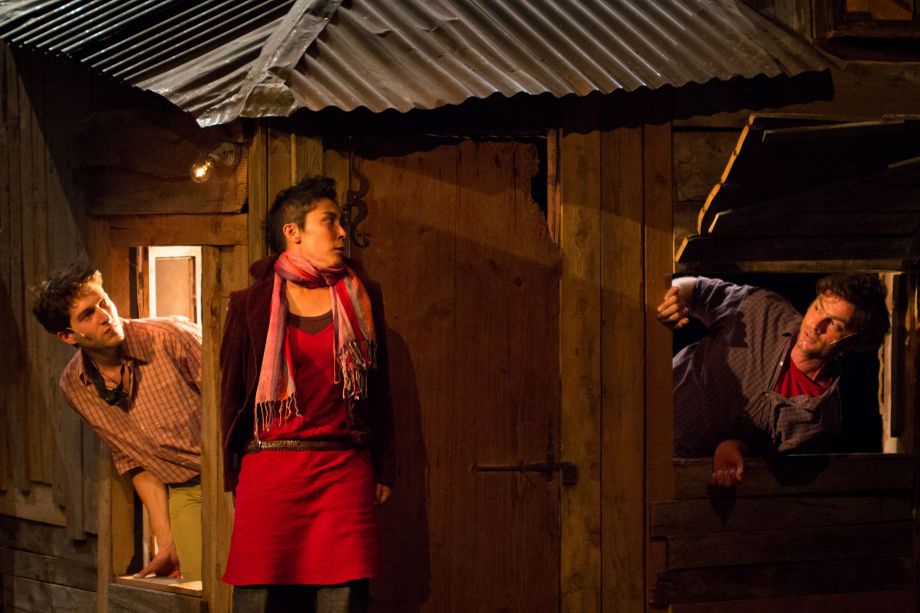
Les Pauvres Gens © Christophe Raynaud de Lage
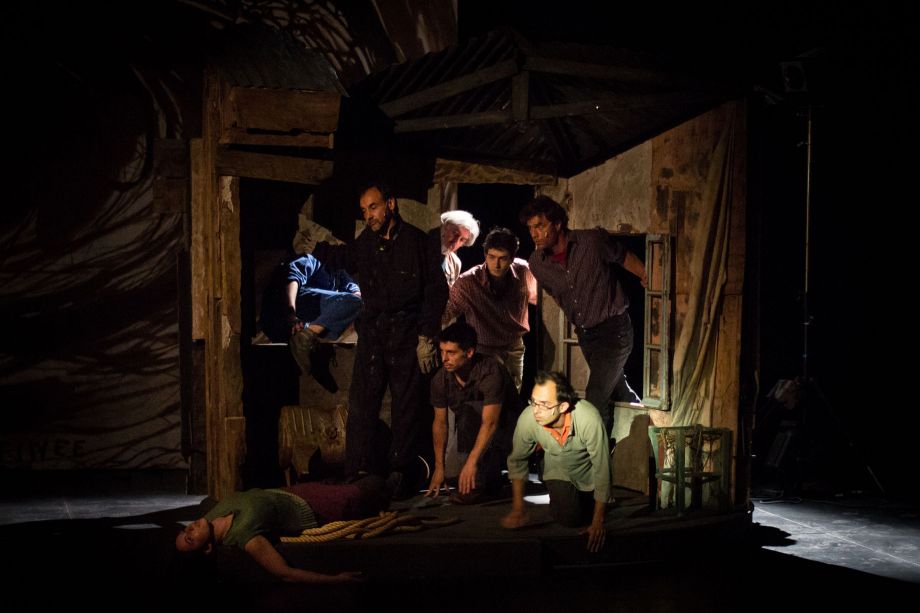
Les Pauvres Gens © Christophe Raynaud de Lage
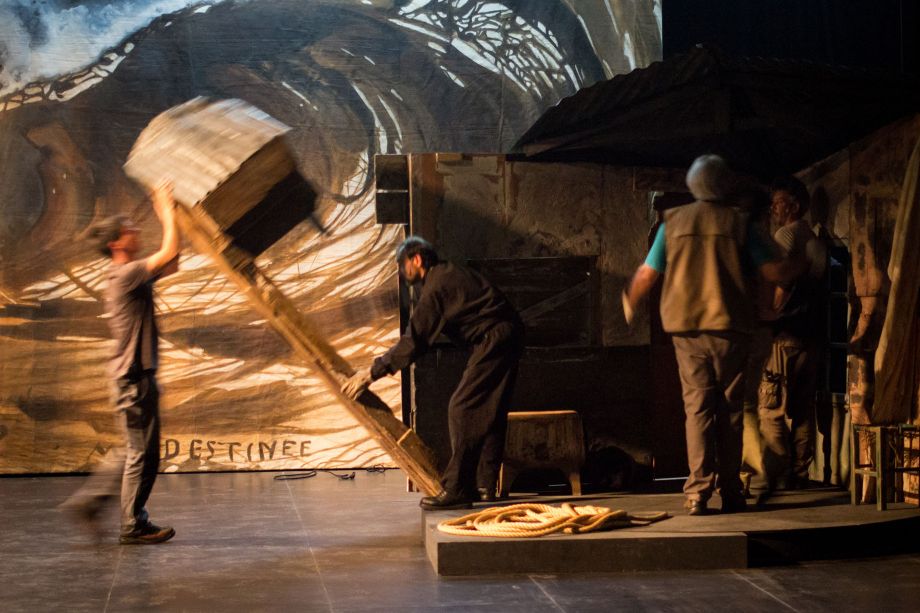
Les Pauvres Gens © Christophe Raynaud de Lage
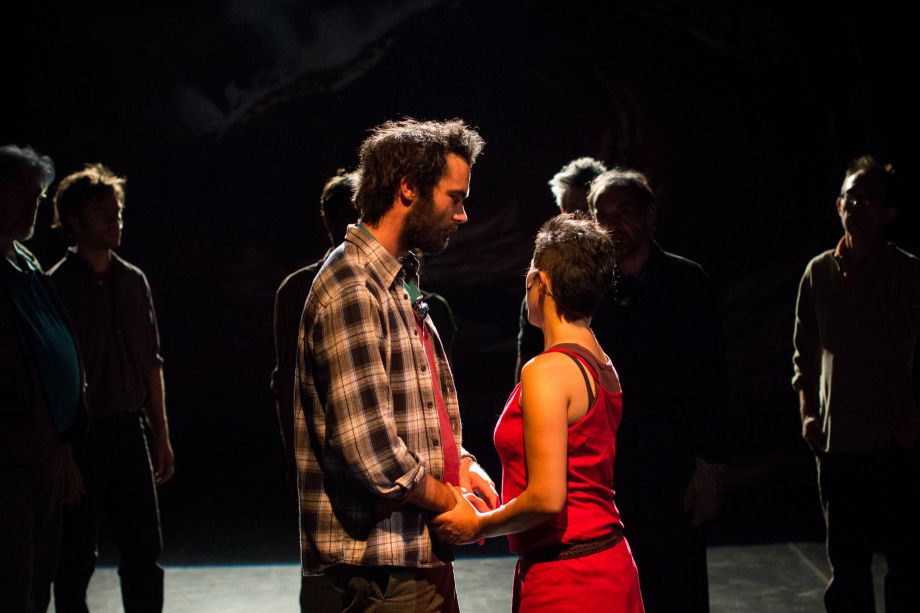
Les Pauvres Gens © Christophe Raynaud de Lage
All is dark. The mother is worried, sitting alone in the decrepit cabin. All night she waits, fearing the worst for her husband, gone fishing in the hopes of feeding their five children, now asleep. When finally she decides to walk down the coast to see if she can glimpse her husband's boat, she passes by the cabin of another mother, a widow, recently fallen ill. She opens the door and finds a terrible scene... Victor Hugo's How Good Are The Poor is an ode to adoption, but not a statement of principle. Yet the everyday heroism depicted in the poem is for Denis Guénoun nothing short of a concrete vision of goodness and ethics. Invited conjointly by the Institut Supérieur des Techniques du Spectacle and the Festival d'Avignon to direct the graduation show of the stage managers and engineers of the class of 2014, Denis Guénoun has a long history with the poetry of Victory Hugo. Seen as a vector of the values of the Republic at school, the poem How Good Are The Poor was taught until the 1960s everywhere on the French territory, including in Algeria, where Denis Guénoun grew up. He therefore thought that, to bring together a group of professionals of the theatre who aren't actors, the formal constraint of the poem could be like a springboard, the many symbols a challenge to rise up to. Defining poetry as the ability to see, in every concrete act, a potential transport, Denis Guénoun asked the engineers he works with to make it their law: to use their knowledge and the practical means at their disposal to transfigure the real and make theatre happen.
Doctor in philosophy, professor, poet, essayist, novelist, playwright, actor, director; for a long time Denis Guénoun considered those activities connected but distinct. Three creations by his company, L'Attroupement, played at the Festival d'Avignon in 1981, including his directions of Eugène Labiche's Chapeau de paille d'Italie (The Italian Straw Hat) and Patrick le Mauff's Temps de guerre, Temps de paix (Time of War, Time of Peace). In 1990, Denis Guénoun did not renew his mandate as director of the Centre Dramatique National de Reims, and instead dedicated himself to academia and research in the fields of philosophy and theatre. Those two disciplines have become inextricably linked recently as, having come back to the theatre with his company Artépo, he aims to give a voice to ethical and political philosophy on the stage. In charge of the “Expériences philosophiques” (“Philosophical Experiences”) collection for the publisher Solitaires Intempestifs, author of the essay Hypothèses sur l'Europe (About Europe: Philosophical Hypotheses) and of the memoir Un sémite (A Semite), Denis Guénoun now understands the multiplicity of his modes of thinking and of expression as a resource to replace theatre in a larger worldview.
The ISTS is a continuing education centre dedicated to performing arts and is a partner of the Festival d'Avignon, in particular for the “Rencontres Professionnelles”. The teams of the ISTS assist artists and creators at the Théâtre Benoît-XII and the Chapelle des Pénitents blancs. This year, seventeen interns are working with Denis Guénoun to create a show based on Victor Hugo's poem How Good Are The Poor.
How Good Are The Poor is part of the first series of poems in La Légende des siècles (The Legend of the Ages), originally titled Les Petites Épopées (Little Epics), conceived as a depiction of the history of humanity. Armed with his romantic faith, Victor Hugo paints the portraits of famous and anonymous heroes in order to show the path of the Being towards the Ideal. A mainstay of the work of the poet in exile, the struggle of man against external forces here takes the form of spectacular philosophical scenes that show the persistence of Goodness even within the humblest reality.
Marion Canelas, April 2014
Direction Denis Guénoun
With the friendly contribution of Stanislas Roquette
With the stage manager and the leader machinist trained in 2013-2014 at the Institut Supérieur des Techniques du Spectacle
Jean-Cédric Aubert, Fabrice Barroo, Benoit Bregault, Vincent Coulon, Margot Falletty, Jean-Marc Filippi, Paul Fontaine, Nicolas Gauthier, Thierry Janvier, Stéphane Massa, Yoan Mourles, France Nicolas, Vincent Platel, Guillaume Rubin
Production Institut Supérieur des Techniques du Spectacle en partenariat avec le Festival d'Avignon
Booklet (in French)
Download the pdf
Interview with DENIS GUÉNOUN
Download the pdf
More informations about LES PAUVRES GENS on
Pearltrees