
Direction SATOSHI MIYAGI
Shizuoka
2014 re-creation
Representation in Japanese with French surtitles
Running time 1h50
Prices : from €38 to €10
Light meals and beverages available at the venue.
|
T 3 |
F 4 |
S 5 |
S 6 |
M 7 20h |
T 8 20h |
W 9 |
T 10 20h |
F 11 20h |
S 12 20h |
S 13 20h |
M 14 20h |
T 15 20h |
W 16 |
T 17 20h |
F 18 20h |
S 19 20h |
S 20 |
M 21 |
T 22 |
W 23 |
T 24 |
F 25 |
S 26 |
S 27 |
|
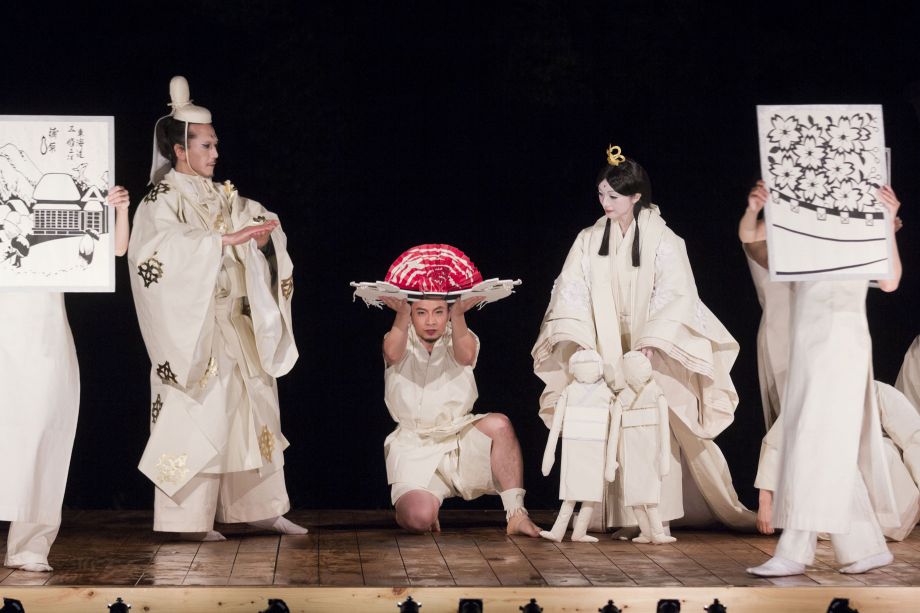
Mahabharata-Nalacharitam © Miuria
© LA COMPAGNIE DES INDES
© LA COMPAGNIE DES INDES
Directed by secondary-school pupils from Avignon Festival d'Avignon
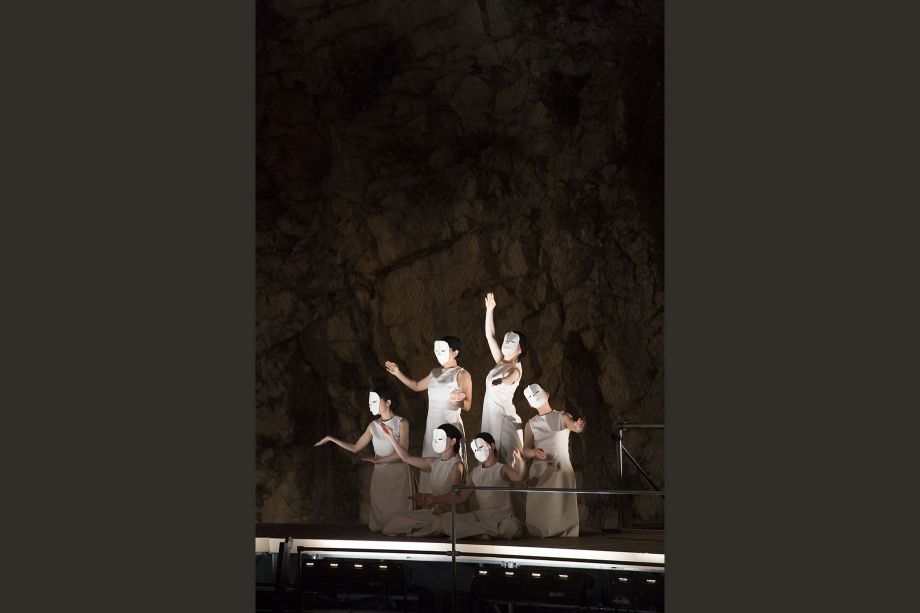
Mahabharata-Nalacharitam © Christophe Raynaud de Lage
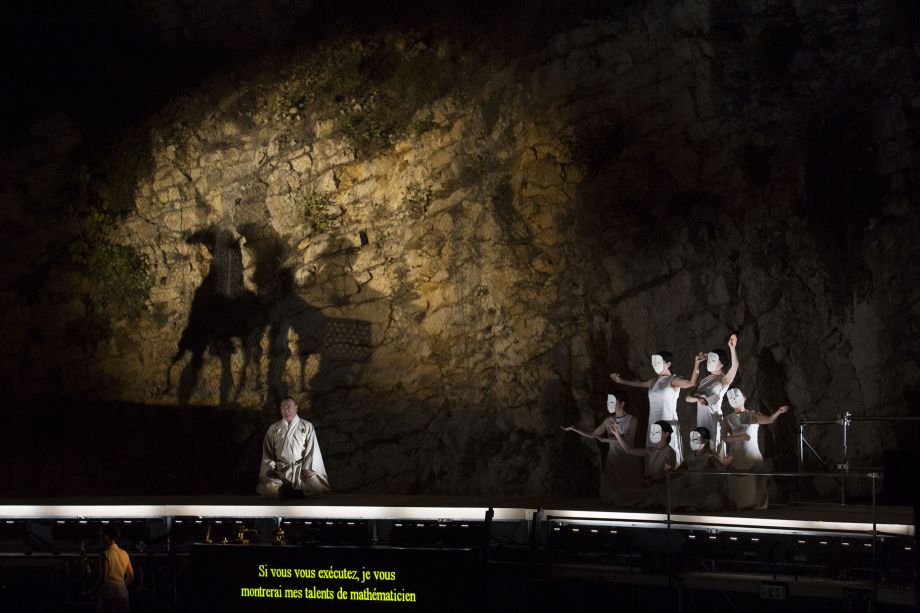
Mahabharata-Nalacharitam © Christophe Raynaud de Lage
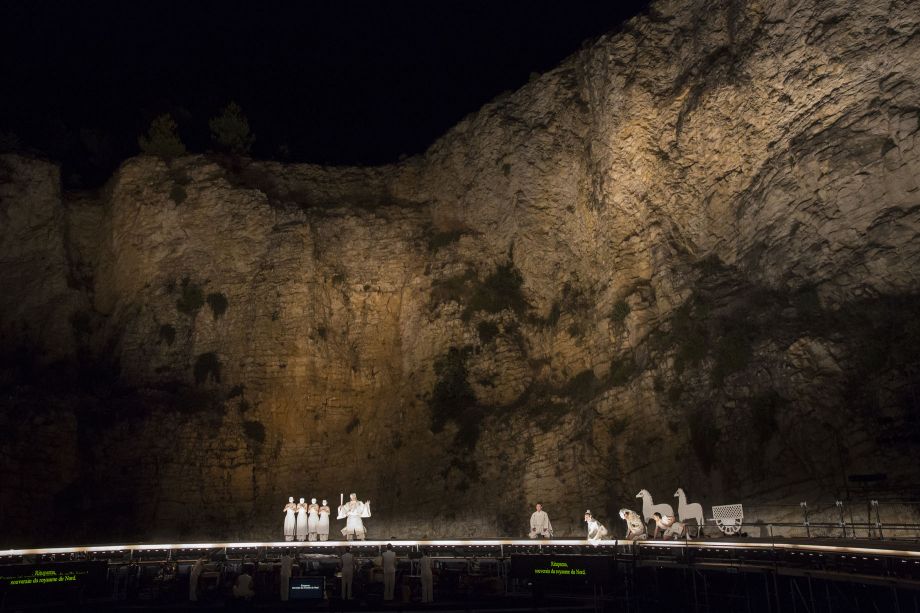
Mahabharata-Nalacharitam © Christophe Raynaud de Lage
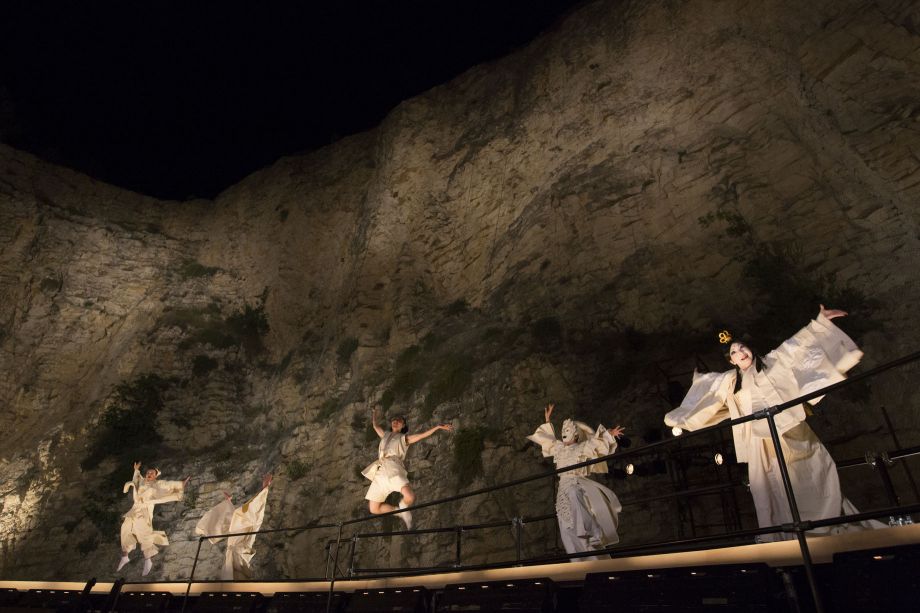
Mahabharata-Nalacharitam © Christophe Raynaud de Lage
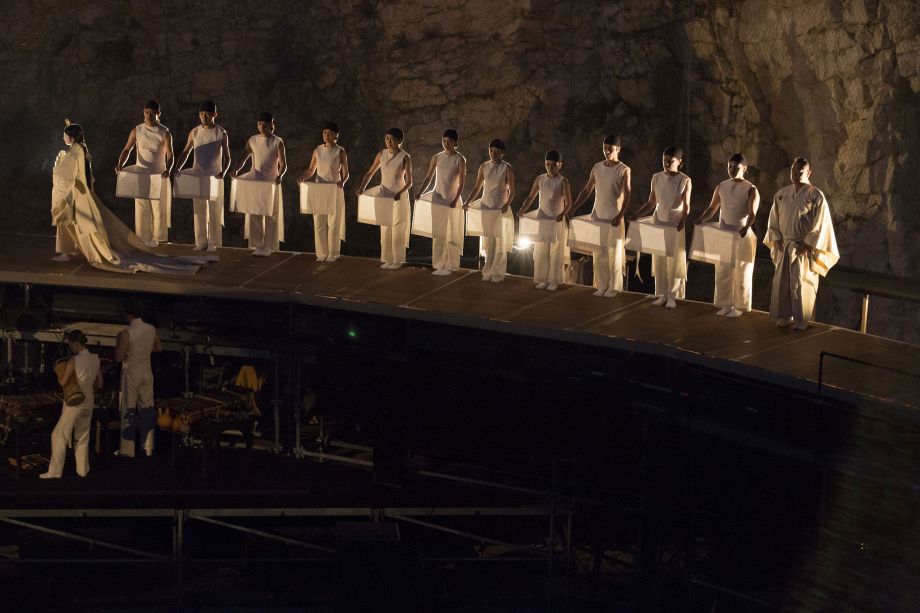
Mahabharata-Nalacharitam © Christophe Raynaud de Lage
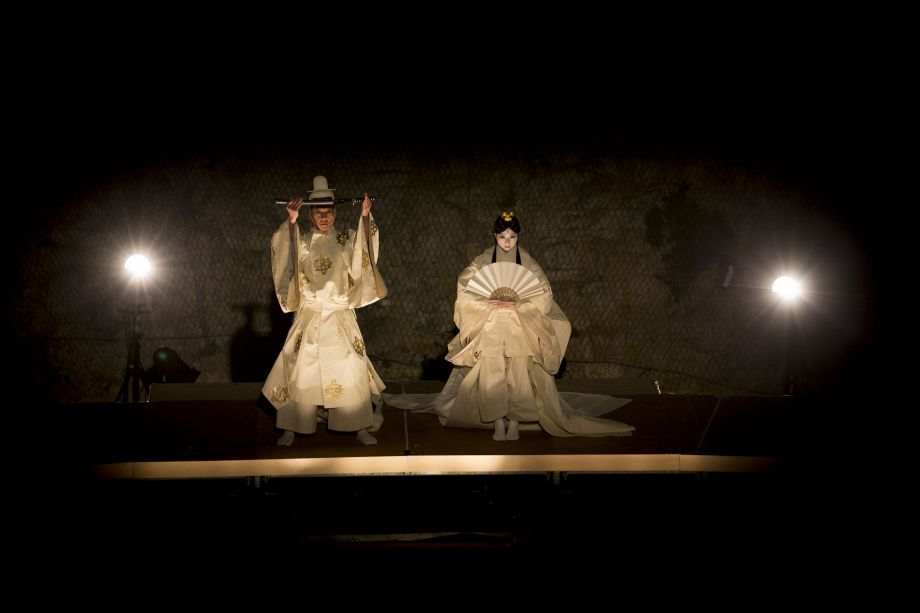
Mahabharata-Nalacharitam © Christophe Raynaud de Lage
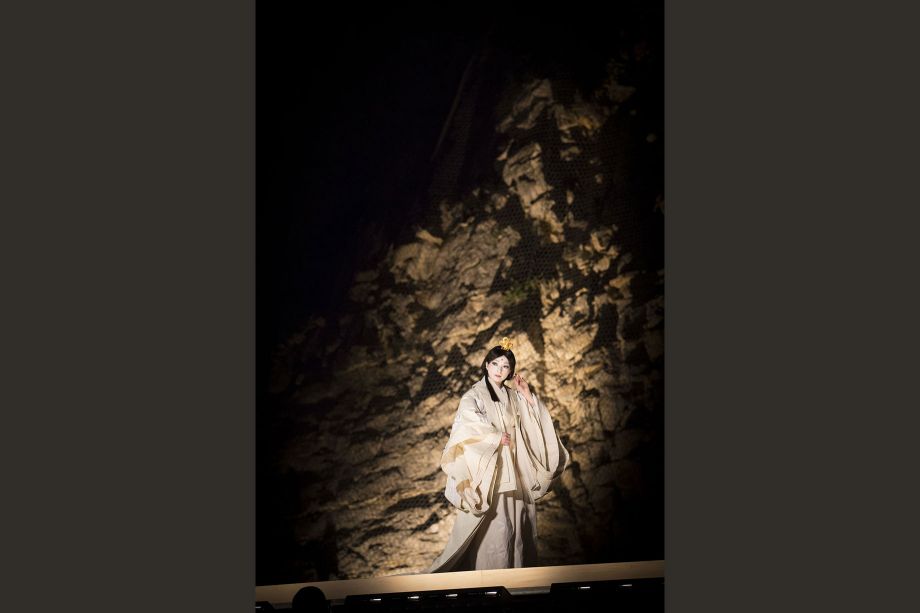
Mahabharata-Nalacharitam © Christophe Raynaud de Lage
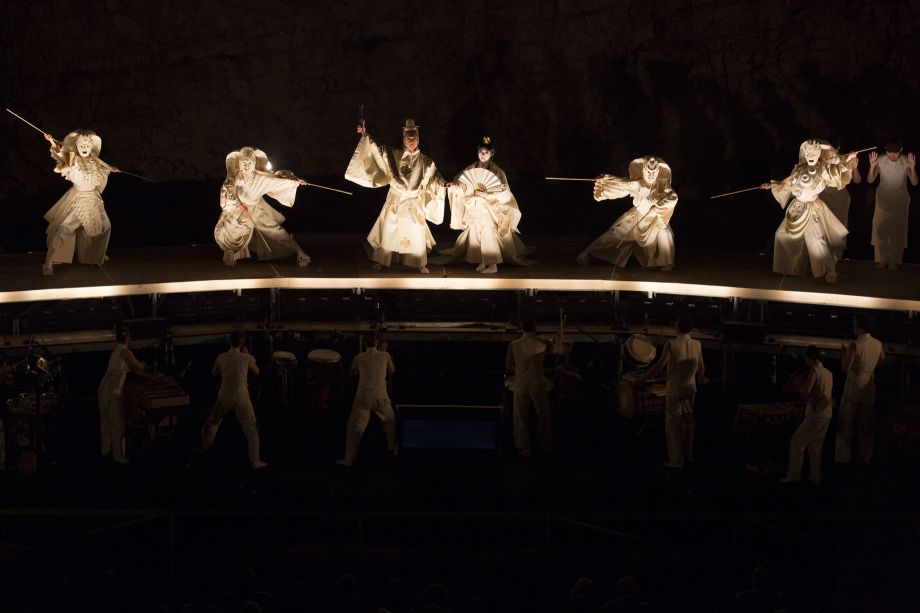
Mahabharata-Nalacharitam © Christophe Raynaud de Lage
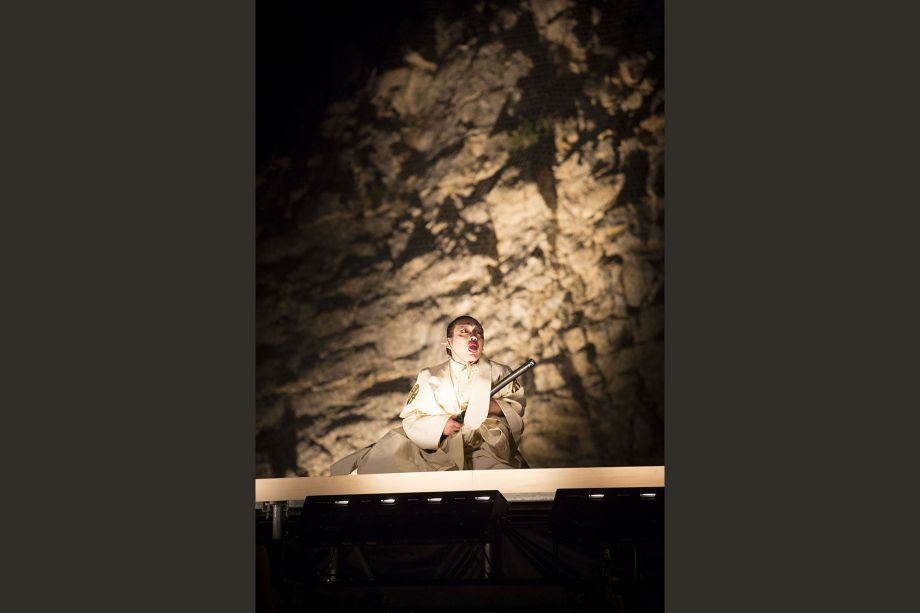
Mahabharata-Nalacharitam © Christophe Raynaud de Lage
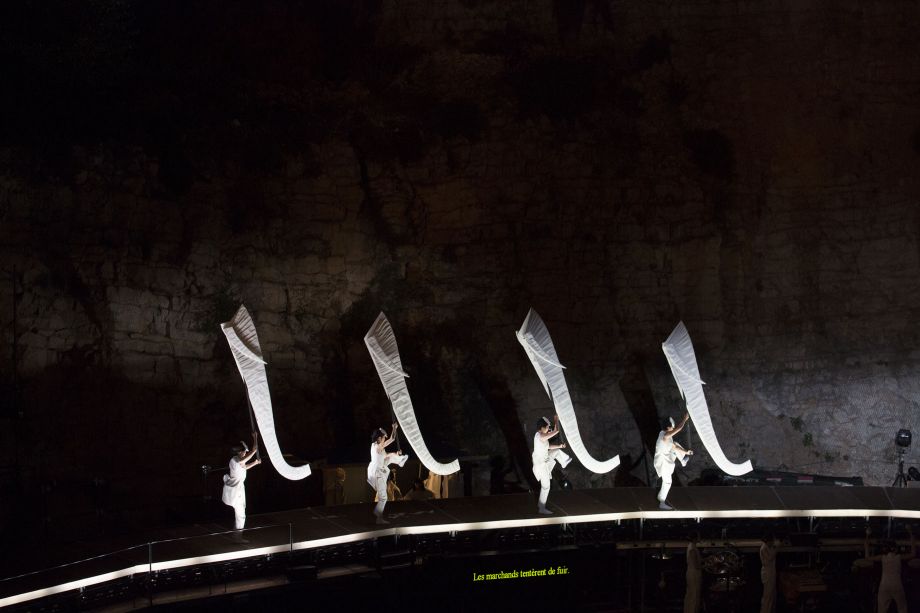
Mahabharata-Nalacharitam © Christophe Raynaud de Lage
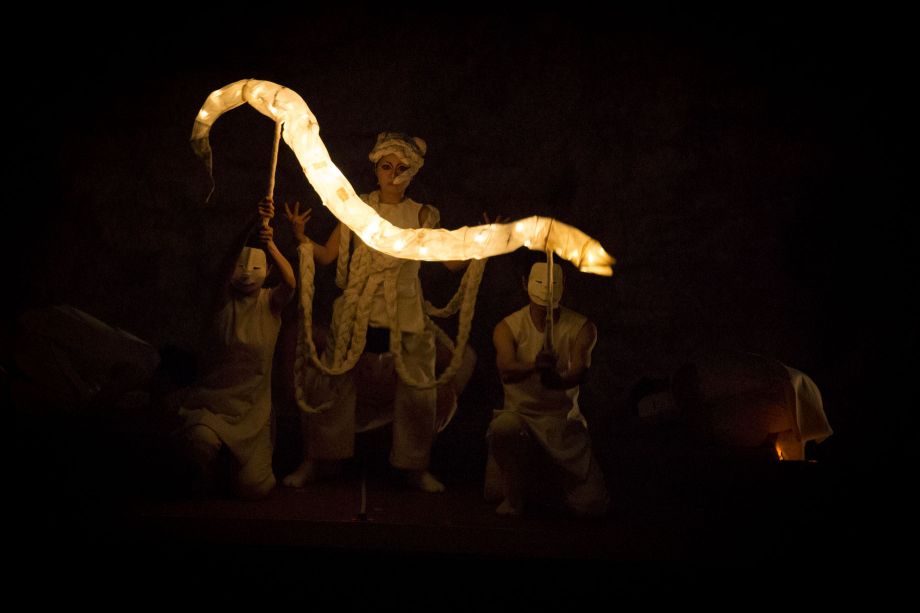
Mahabharata-Nalacharitam © Christophe Raynaud de Lage
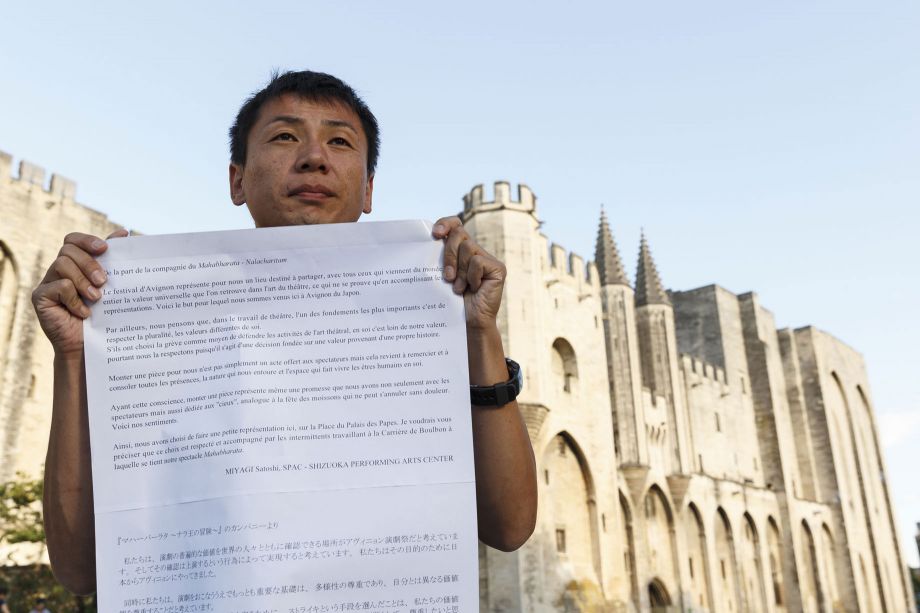
Mahabharata-Nalacharitam © Christophe Raynaud de Lage
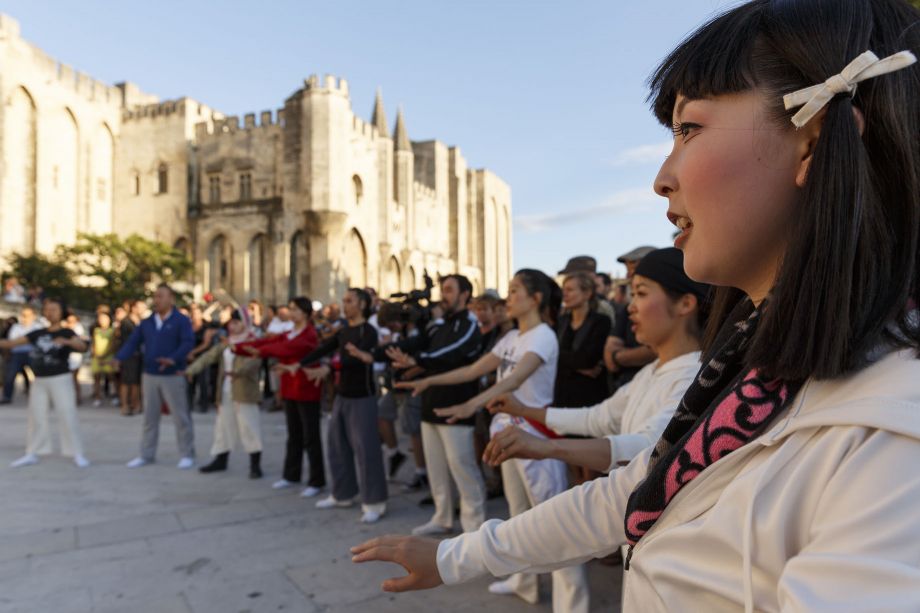
Mahabharata-Nalacharitam © Christophe Raynaud de Lage
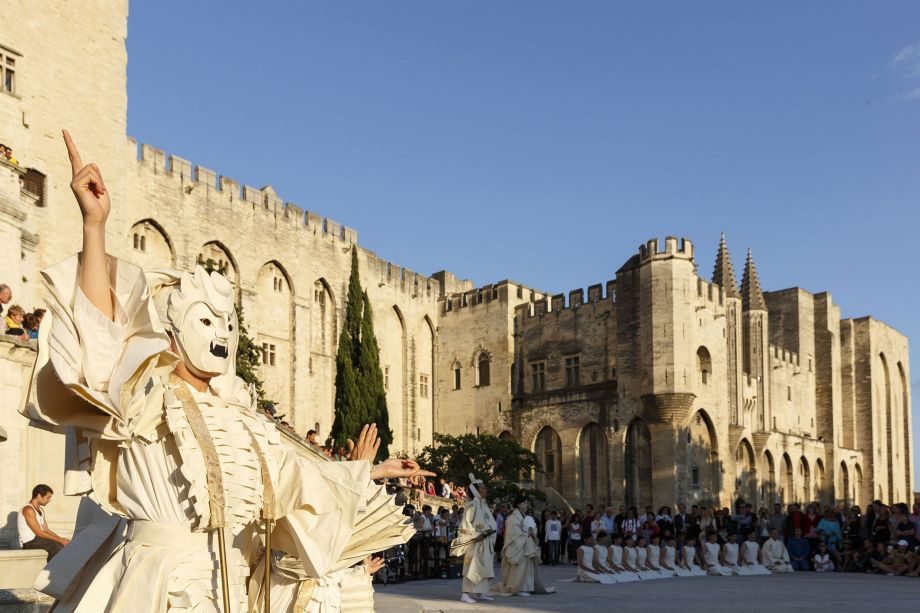
Mahabharata-Nalacharitam © Christophe Raynaud de Lage
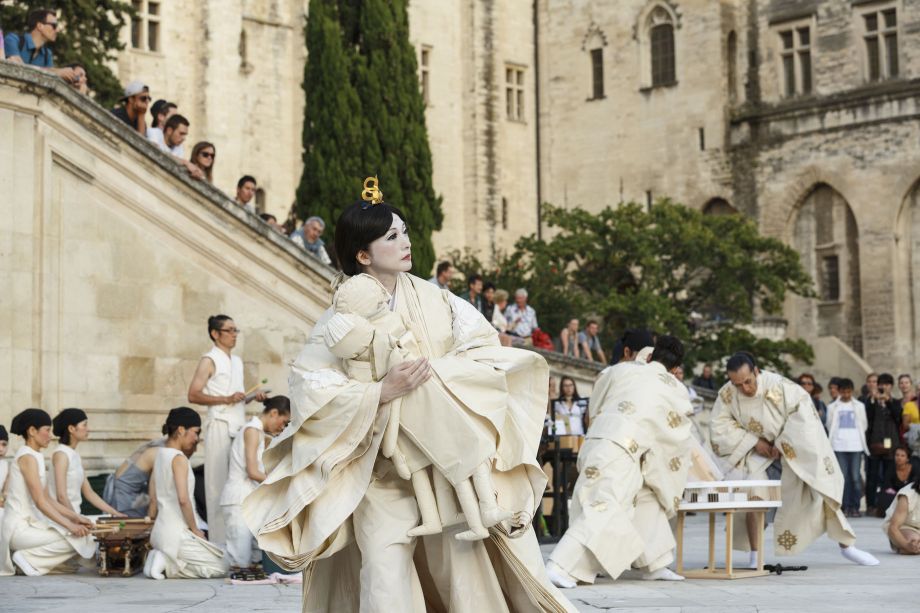
Mahabharata-Nalacharitam © Christophe Raynaud de Lage
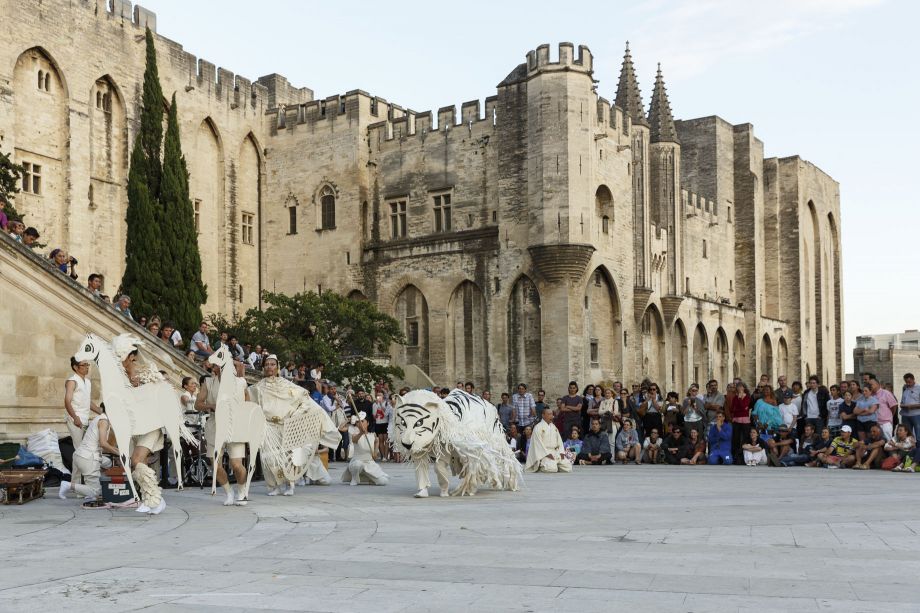
Mahabharata-Nalacharitam © Christophe Raynaud de Lage
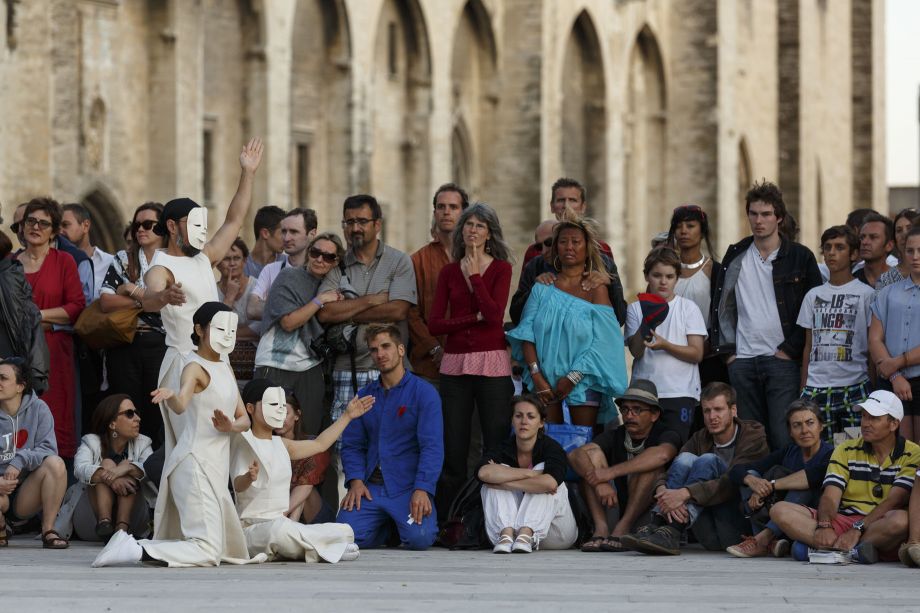
Mahabharata-Nalacharitam © Christophe Raynaud de Lage
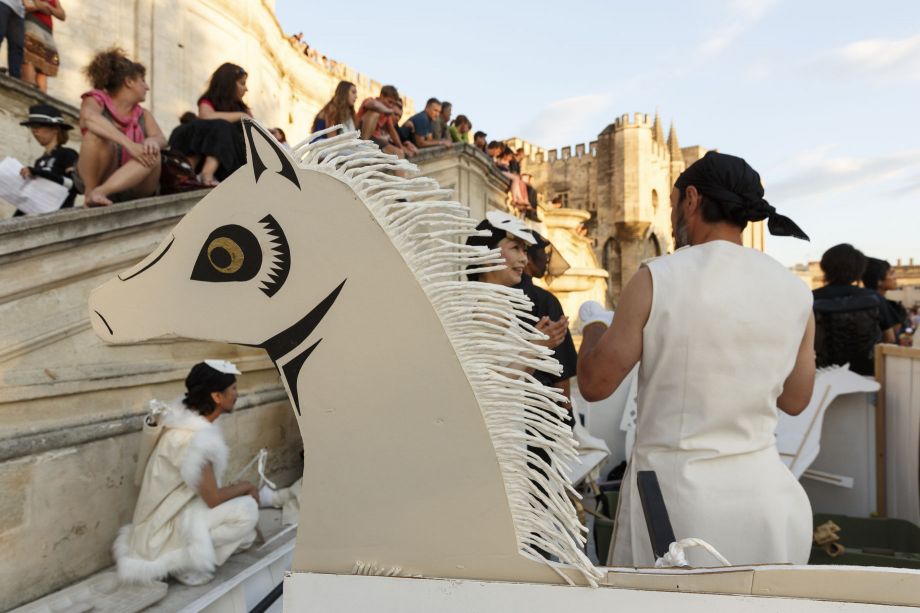
Mahabharata-Nalacharitam © Christophe Raynaud de Lage
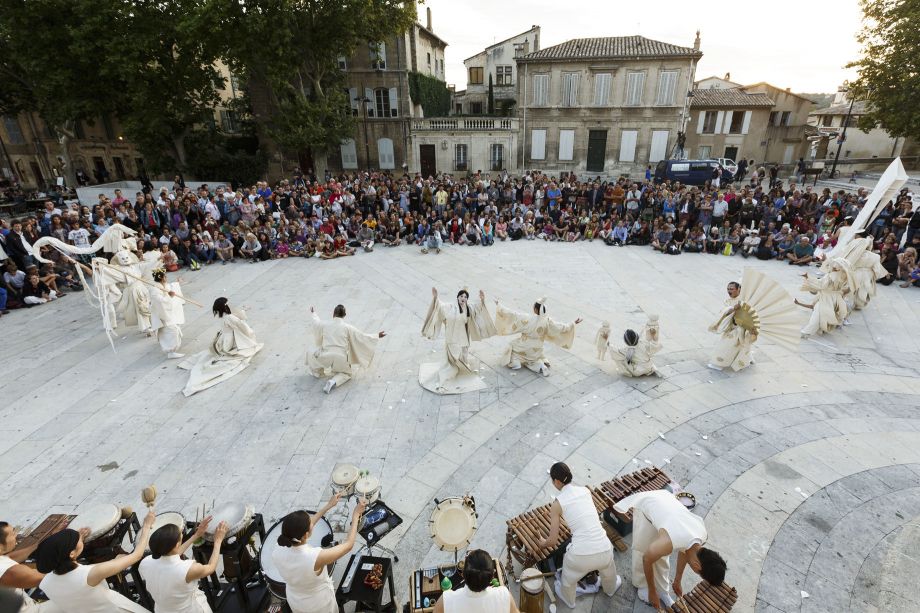
Mahabharata-Nalacharitam © Christophe Raynaud de Lage
Satoshi Miyagi calls on the splendours of Japanese theatre to serve a mythical text come from the dawn of Indian culture, a founding text for an entire civilisation, a text he hopes to make his without betraying the beauty of the historical legend. The director tasks twenty-five dancer-actors and musicians with relating one particular episode of this vast epic: the love story of star-crossed lovers king Nala and his wife the beautiful princess Damayanti, and of the ordeals they face, their encounters with the monsters of the forests, but also with the genies that will help them to find each other. Miyagi tells this story through a series of tableaux punctuated by the narration of a reciter, and the bodies of the actors, clad in splendid paper kimonos, a nod to the Heian period (9th-12th centuries), are directed with an enthralling precision. Those bodies tell of the battles, the intrigue, the wandering, the desire, the love, the fear, and the stories of men harried by gods. Driven by the power of the poem, those living figures relay, sometimes with a lot of humour and distance, the emotion of an epic that still seems as marvelous and rich in lessons today. In the Boulbon Quarry, where Peter Brook first directed a version of the poem in 1985, Satoshi Miyagi, halfway between tradition and modernity, gives us to hear the universality of a work that remains as spellbinding as ever.
After studying aesthetics at the University of Tokyo, Satoshi Miyagi chose to dedicate himself to theatre. His teachers were Yushi Odajima, Moriaki Watanabe, or Hachiro Hidaka. He founded his first company in 1980, but continued to work on his own projects and solo performances. In 1990, he founded a second company, Ku Na'uka, with which he developed what would become a work method, based on eastern gymnastics and on the idea of actors taking turns playing the same role—when the same character is portrayed by two actors, he has the first one explain what is going on while the second one moves but remains silent. Beyond this distance between bodies and words, he inherited several techniques from traditional Japanese theatrical forms, like bunraku and kabuki, the latter inspired by the former. Satoshi Miyagi has adapted Greek tragedies—Sophocles's Antigone, Euripides's Medea—but also Shakespeare's Othello and modern English and American plays, such as Wilde's Salome or Tennessee Williams's A Streetcar Named Desire, as well as the texts of Japanese authors. Since 2007, he has been the director of the Shizuoka Performing Arts Center, founded in 1997 by Tadashi Suzuki, a Japanese platform for creation open to foreign directors. Satoshi Miyagi is regarded today as a major innovator in Japanese theatre, and recognised as such in the entire world.
Mahabharata
This text belongs to the Itihasa literature, a Sanskrit word that can be translated as “so indeed it was.” This mythical, historical, heroic, and folkloric saga, made up of eighteen books, 81,936 stanzas, and over 200,000 verses, dates back to 2,200 BC, at the time of the transition, in India, from oral tradition to written texts. “Like the Bible and Shakespeare put together,” Peter Brook used to say. The Mahabharata is the eventful story of two branches of a royal family. This epic has been a huge influence on Indian society and gave it moral, ethical, and religious frameworks that are still relevant in India today.
Jean-François Perrier, April 2014
Mise en scène Satoshi Miyagi
Adaptation Satoshi Miyagi et Azumi Kubota
Musique Hiroko Tanakawa
Paysagiste Junpei Kiz
Dramaturgie Yoshiji Yokoyama
Lumière Koji Osako, Hiroya Kobayakawa, Eiji Yamamori
Son Ryo Mizumura, Hisanao Kato, Koji Makishima
Accessoires Eri Fukasawa
Directeur technique Mahito Horiuchi
Assistanat à la mise en scène Masaki Nakano
Collaboration Keita Mishima
Administration Takako Oishi, Sakiko Nakano
With
Kazunori Abe Narrator
Micari Damayanti
Kouichi Ohtaka Nala
Yoneji Ouchi Varshuneya
Naomi Akamatsu Kesini
Yudai Makiyama Pushkar
Hisashi Yokoyama Kali
Takahiko Watanabe Bhima et Chasseur
Maki Honda Impératrice douairière
Moemi Ishii Sunanda
Yuya Daidomumon Rituparna
Ryuji Makino Sudeva
Yuumi Sakakibara and Momoyo Tateno Indra
Yu Sakurauchi and Maki Honda Agni
Miyuki Yamamoto and Mari Suzuki Varuna
Kotoko Kiuchi and Sachiko Kataoka Yama
Mari Suzuki and Yuumi Sakakibara Karkotaka
And the musicians
Ayako Terauchi (conductor), Moemi Ishii, Yukio Kato, Yu Sakurauchi, Yuzu Sato, Yuki Nakamura, Fuyuko Moriyama, Miyuki Yamamoto, Ryo Yoshimi, Yoichi Wakamiya
Production SPAC-Shizuoka Performing Arts Center
Coproduction Kanagawa Arts Theatre
With the support of Agency for Cultural Affairs Government of Japan in the fiscal year 2014
Booklet (in French)
Download the pdf
Interview with SATOSHI MIYAGI
Download the pdf
More informations about
MAHABHARATA-NALACHARITAM on
Pearltrees