
© La Compagnie Des Indes

Conception and choreography FATOU CISSÉ
Dakar
Creation 2015
Running time 1h05
Prices : from €28 to €10
|
S 4 |
S 5 |
M 6 |
T 7 |
W 8 |
T 9 |
F 10 |
S 11 |
S 12 |
M 13 |
T 14 |
W 15 |
T 16 20h |
F 17 20h |
S 18 20h |
S 19 20h |
M 20 |
T 21 20h |
W 22 20h |
T 23 20h |
F 24 |
S 25 |
|
Le Bal du Cercle © Christophe Raynaud de Lage
© La Compagnie Des Indes
© Theatre-contemporain.net
© Festival d'Avignon
Le Bal du Cercle © Christophe Raynaud de Lage
Le Bal du Cercle © Christophe Raynaud de Lage
Le Bal du Cercle © Christophe Raynaud de Lage
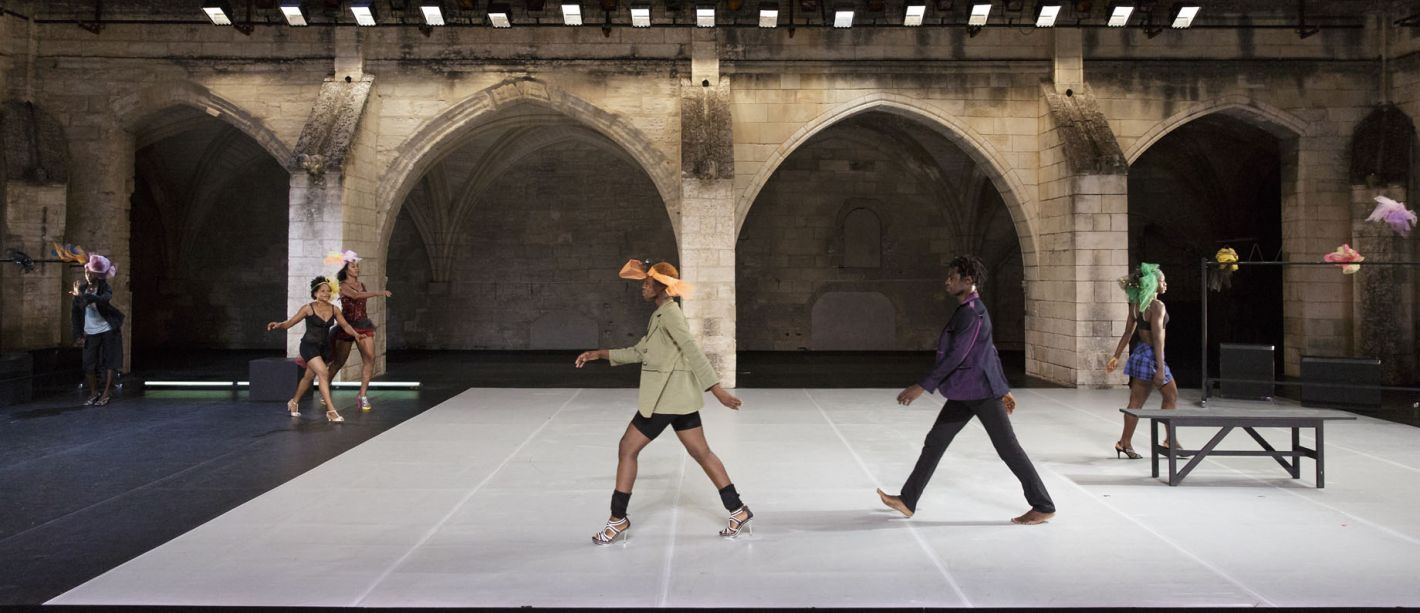
Le Bal du Cercle © Christophe Raynaud de Lage
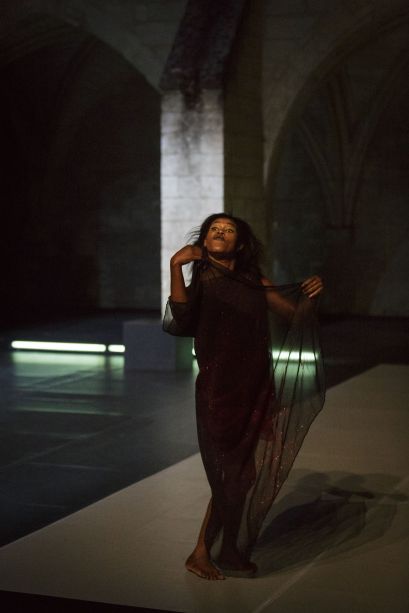
Le Bal du Cercle © Christophe Raynaud de Lage
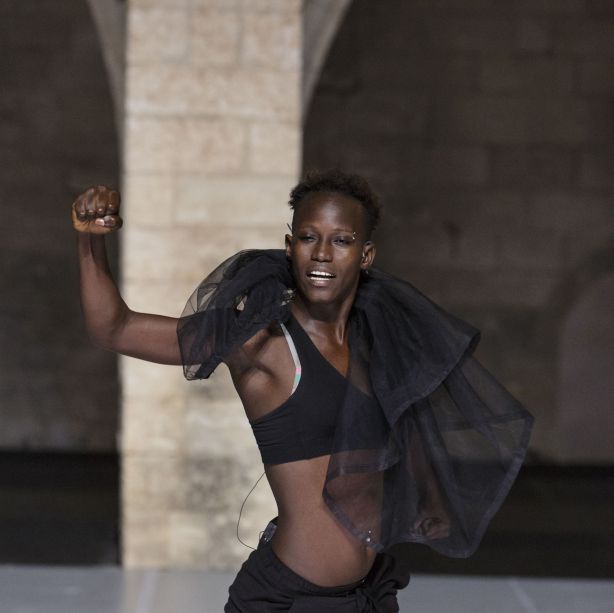
Le Bal du Cercle © Christophe Raynaud de Lage
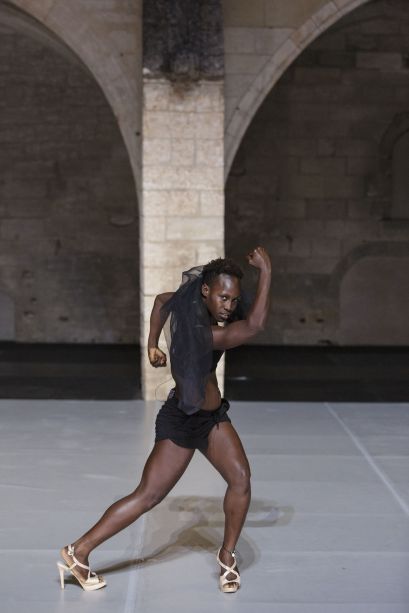
Le Bal du Cercle © Christophe Raynaud de Lage
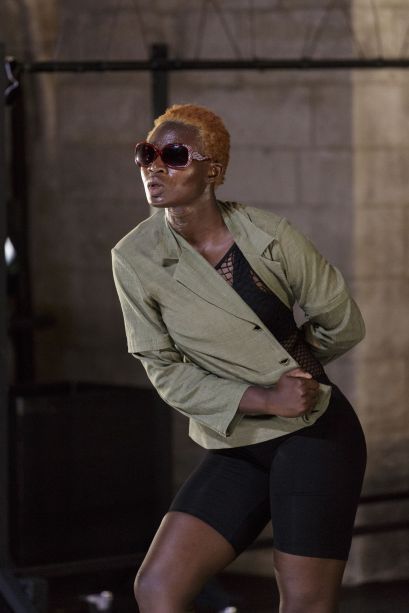
Le Bal du Cercle © Christophe Raynaud de Lage
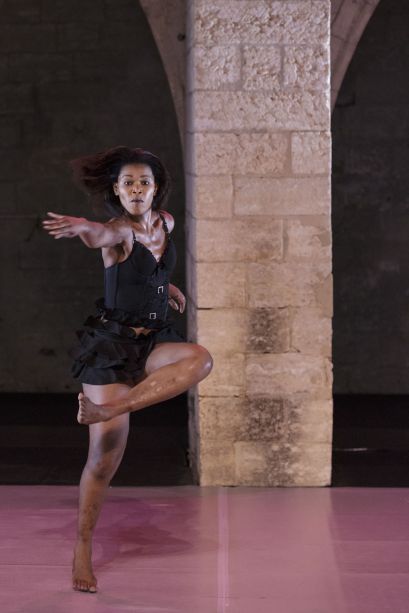
Le Bal du Cercle © Christophe Raynaud de Lage
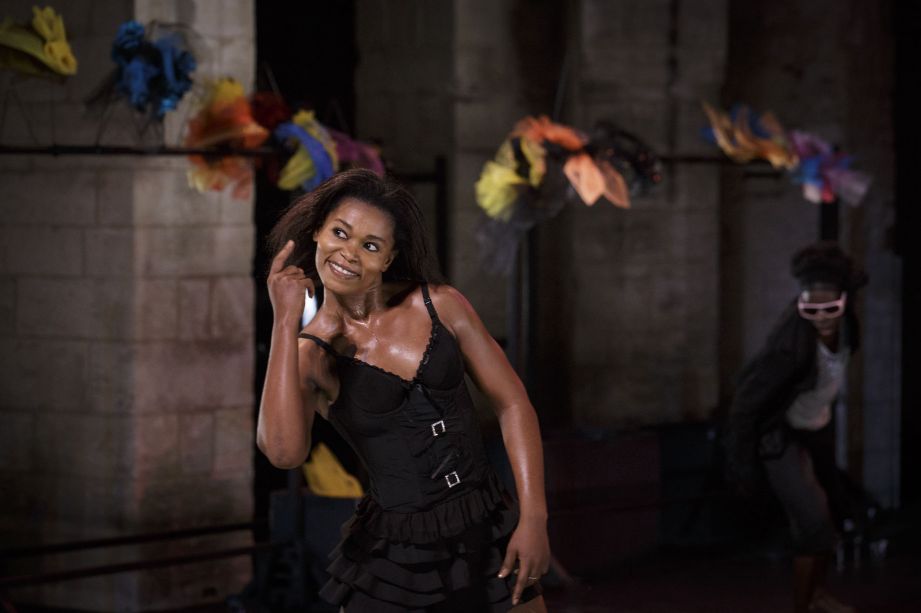
Le Bal du Cercle © Christophe Raynaud de Lage
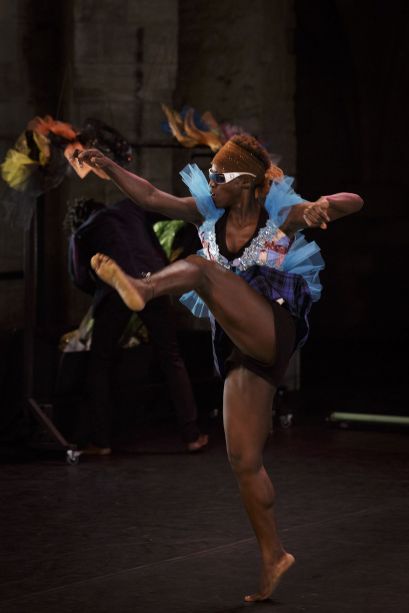
Le Bal du Cercle © Christophe Raynaud de Lage
Le Bal du Cercle © Christophe Raynaud de Lage
Le Bal du Cercle © Christophe Raynaud de Lage
Le Bal du Cercle © Christophe Raynaud de Lage
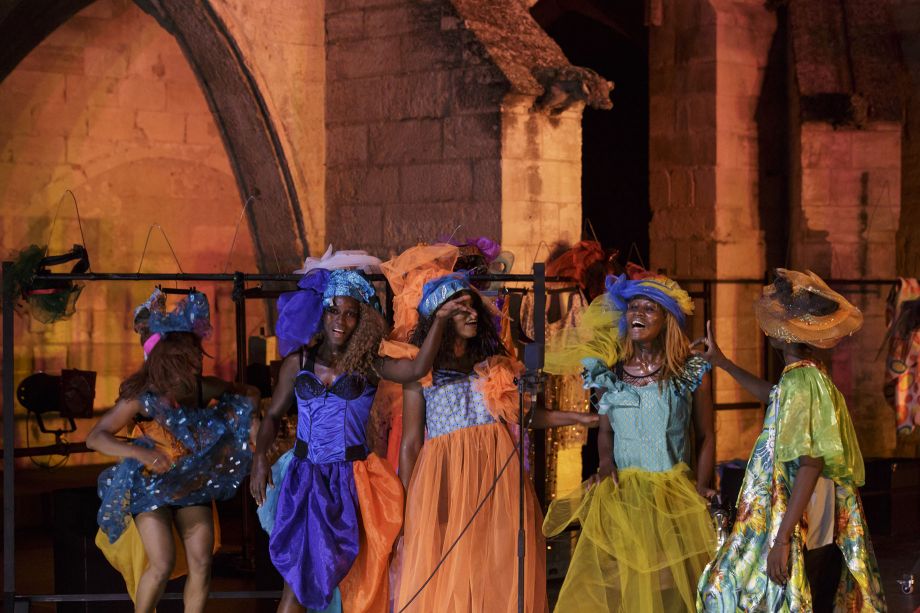
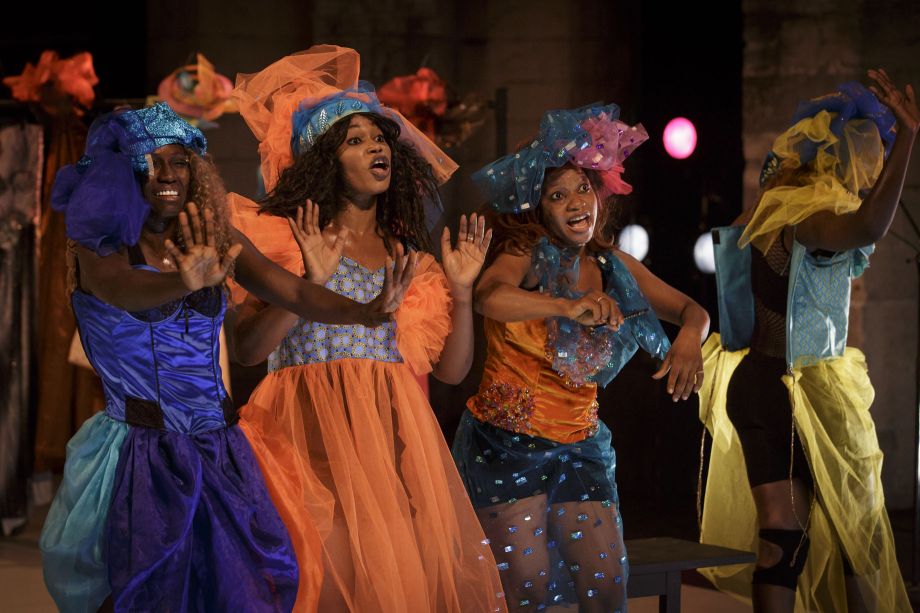
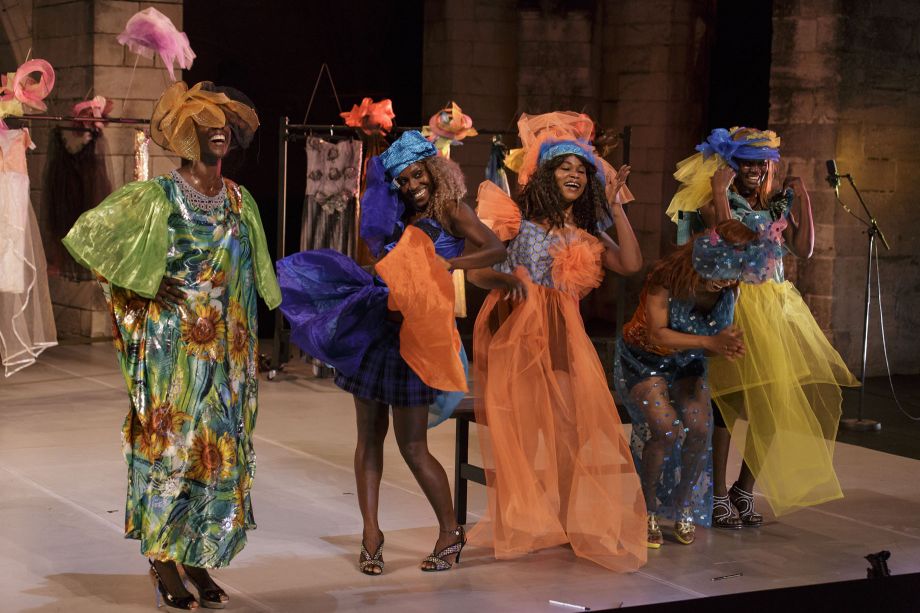
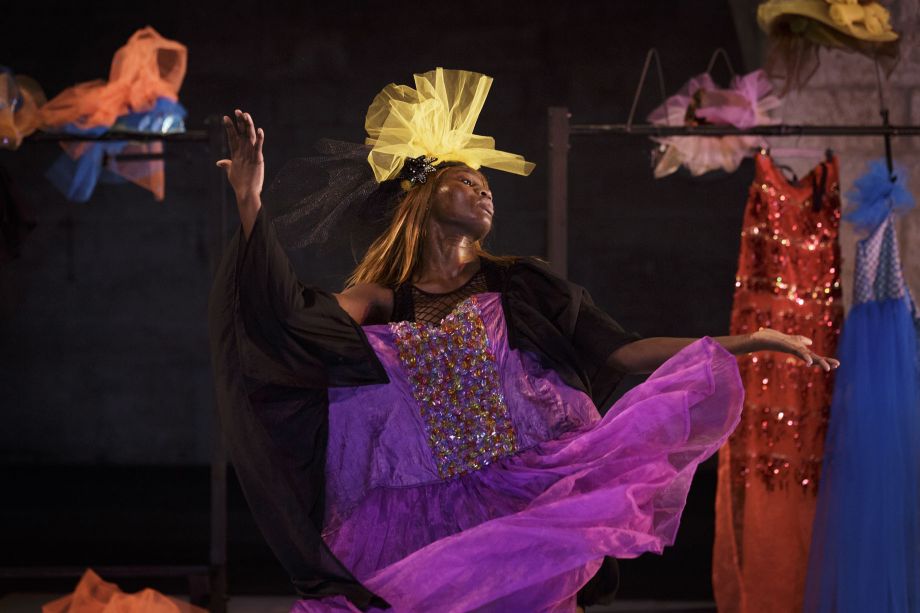
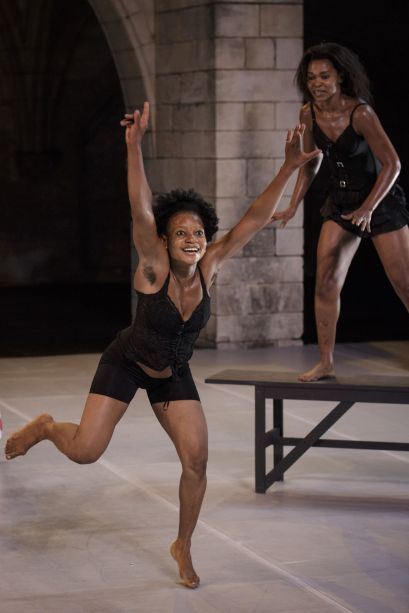
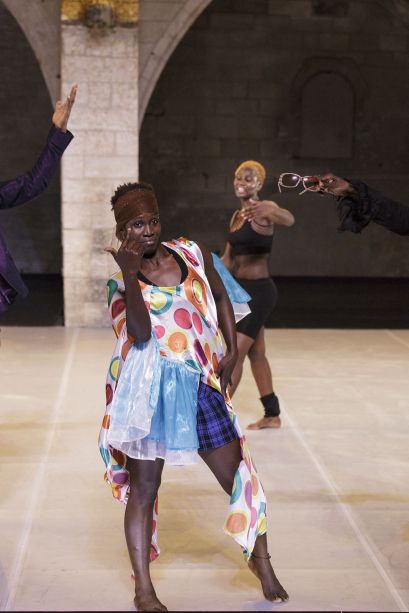
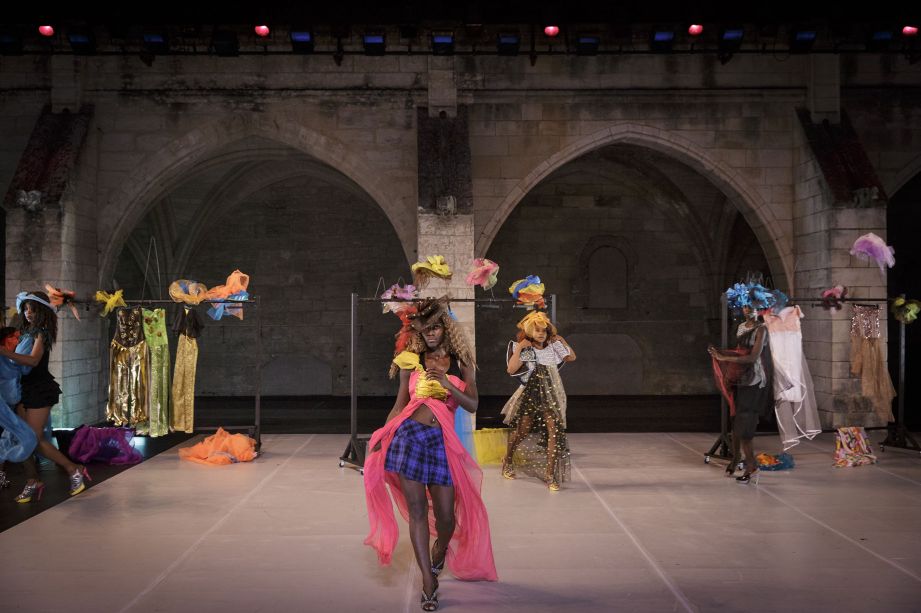
A boxing ring, a podium, an agora, a stage: the circle described by Fatou Cissé is all that and more. Within it, every gesture, every glance, is pregnant with meaning. It is where one performs the Tanebeer, an ancestral tradition performed exclusively by women in Senegalese society. Once performed at weddings or to honour important people, this ball takes place in the street and in the backyards of popular neighbourhoods. Women are encouraged to act as eccentrically as possible, performing sexually suggestive dances, accompanied by a group of percussionists—the sabar—wearing jewellery, make-up, and special clothes. The Tanebeer is a place of self-realisation, where women can forget about their obligations and about tradition to become who they want to be. But it is also a moment of social regulation, where scores are settles and rivalries and alliances are one and the same. Fatou Cissé surrounds herself with four women and a man, from Senegal and Burkina Faso, and turns this ceremony into a fashion show, halfway between clubbing and traditional dances, social transgression and adherence to the rules of consumer society.
Look at me again, Fatou Cissé's solo, was met with success throughout Europe in 2013. In that show, the choreographer talked about the place of women in Senegal, and in particular about the ambiguity of a country which is modernising faster and faster but where the weight of tradition remains unchanged. She had already worked on that theme with her first solo, Xalaat (“Thoughts” in Wolof), and continues her exploration with her first group play: The Ball of the Circle. Having learned classical and modern dance with her father, former director of the Ballet National du Sénégal, Fatou Cissé studied Senegalese and Guinean traditional dances before discovering, in the early 2000s, contemporary forms of choreographic creation. After joining choreographer Andréya Ouamba and the company 1er Temps, she slowly developed a style characterised by the extreme attention she pays to postures, glances, and gestures, inspired in particular by the “manners” that accompany speech in West Africa.Her very focused and precise dance plays with space and time as with a rubber band, moving from an intimate whisper to a deliberate theatricality from one moment to the next.
Conception, choreography and spatial disposition Fatou Cissé
Scenography Jean-Christophe Laquetin
Music creation Mor Ndoye Ndiaye
Light Georges Lavaudant
Costumes Madelein Sylla
With Fatou Cissé, Bamba Diagne, Alicia Gomis, Salamata Kobré, Rose Mendy, Mariama Traoré
Production Compagnie Fatou Cissé
Production déléguée Interarts Lausanne
Coproduction Centre de développement chorégraphique Toulouse Midi-Pyrénées, Atelier Aex Corps
With the support of l'Institut français dans le cadre du programme Aide à la création, du Programme Pamoja, groupe des États ACP soutenu par l'Union européenne, du Ballet Preljocaj
With the collaboration of the studios Kabako et de l'association 1er Temps
Le Festival d'Avignon received the support of la Fondation BNP Paribas pour les représentations du Bal du Cercle.