
© La Compagnie Des Indes

by Botho Strauss
Direction BENJAMIN PORÉE
Paris - Sceaux
Creation 2015
Running time 2h45
Prices : from €28 to €10
|
S 4 |
S 5 |
M 6 |
T 7 |
W 8 |
T 9 |
F 10 |
S 11 |
S 12 |
M 13 |
T 14 |
W 15 |
T 16 |
F 17 |
S 18 |
S 19 |
M 20 |
T 21 16h |
W 22 16h |
T 23 16h |
F 24 16h |
S 25 16h |
|
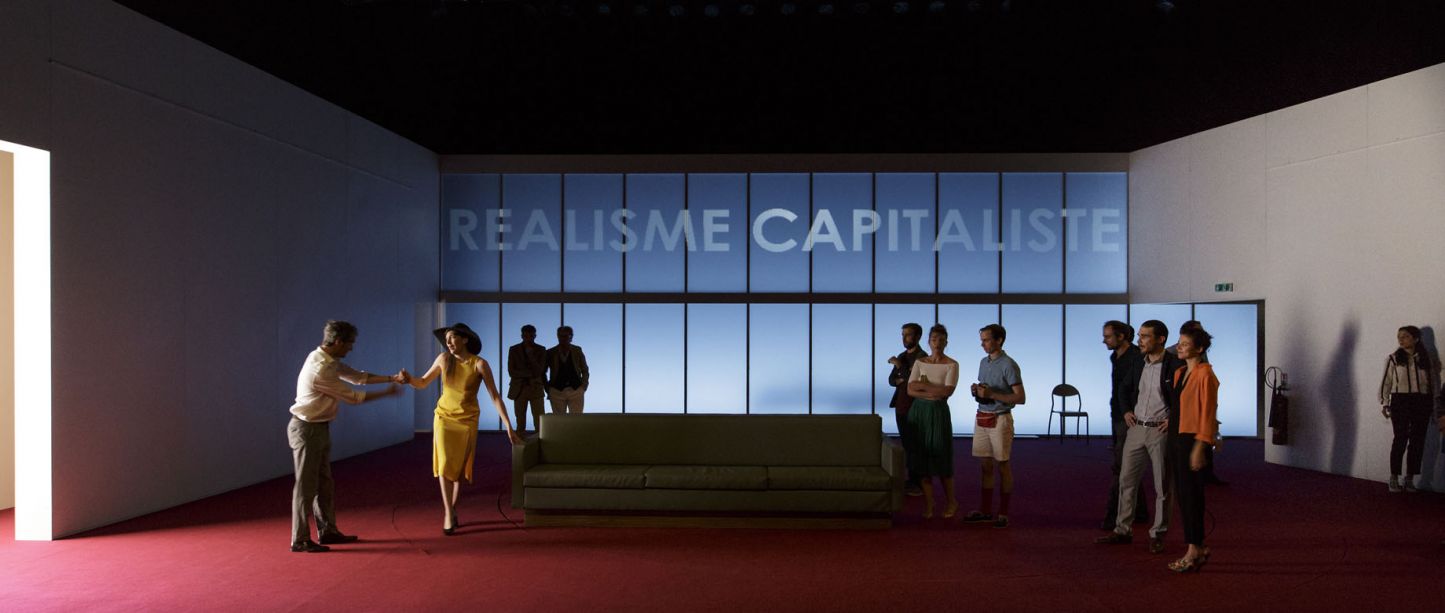
Trilogie du revoir © Christophe Raynaud de Lage
© La Compagnie Des Indes
© theatre-contemporain.net
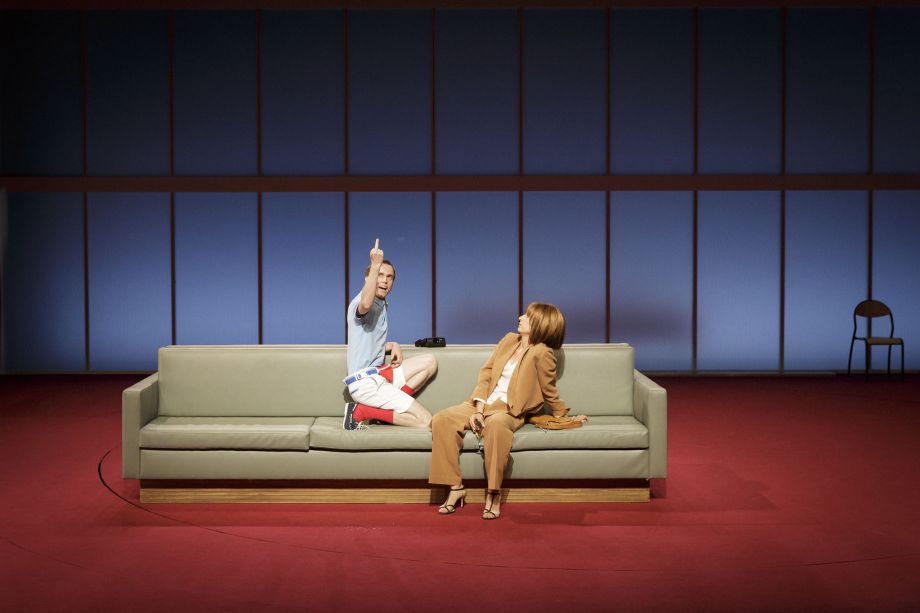
Trilogie du revoir © Christophe Raynaud de Lage
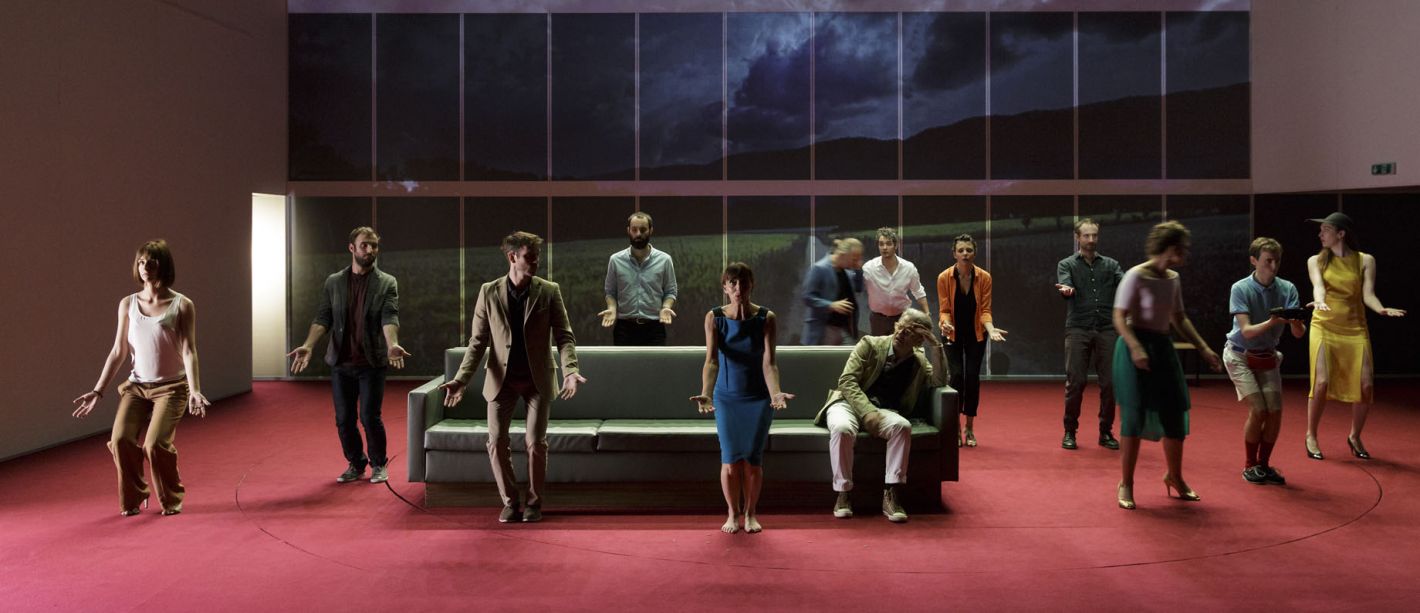
Trilogie du revoir © Christophe Raynaud de Lage
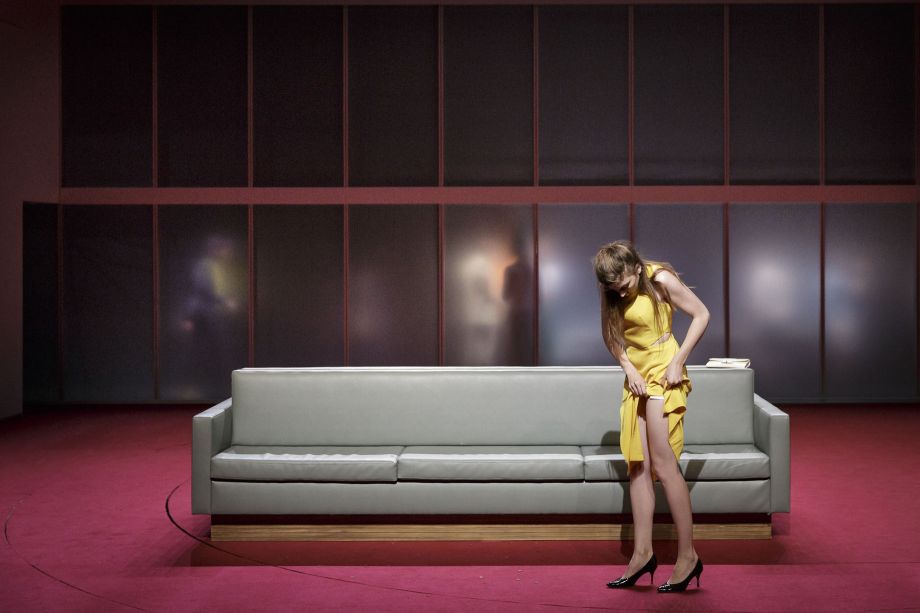
Trilogie du revoir © Christophe Raynaud de Lage
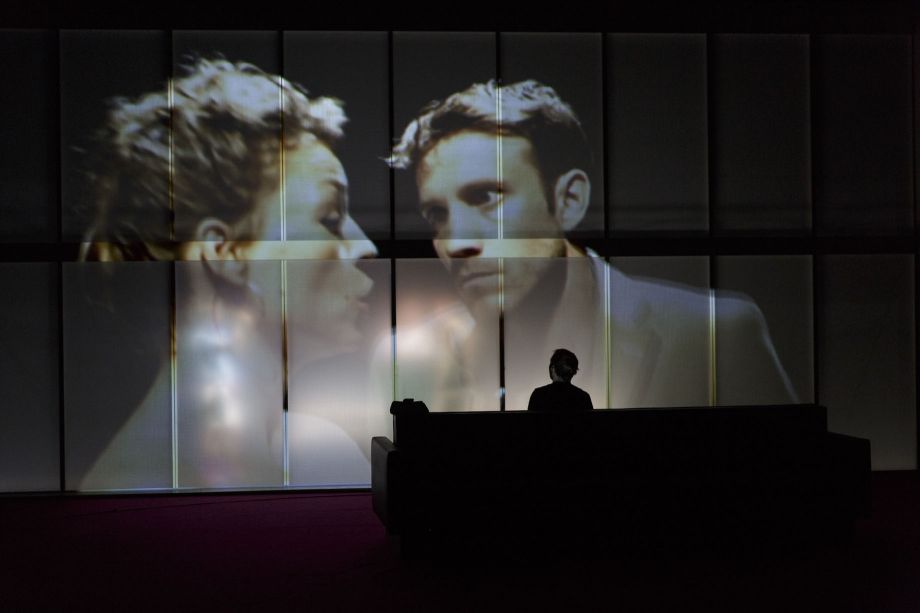
Trilogie du revoir © Christophe Raynaud de Lage
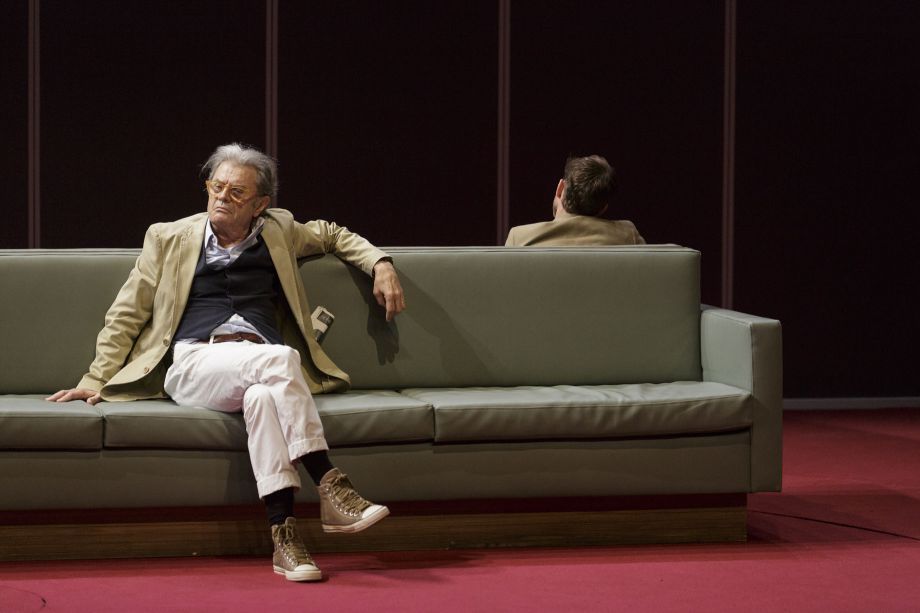
Trilogie du revoir © Christophe Raynaud de Lage
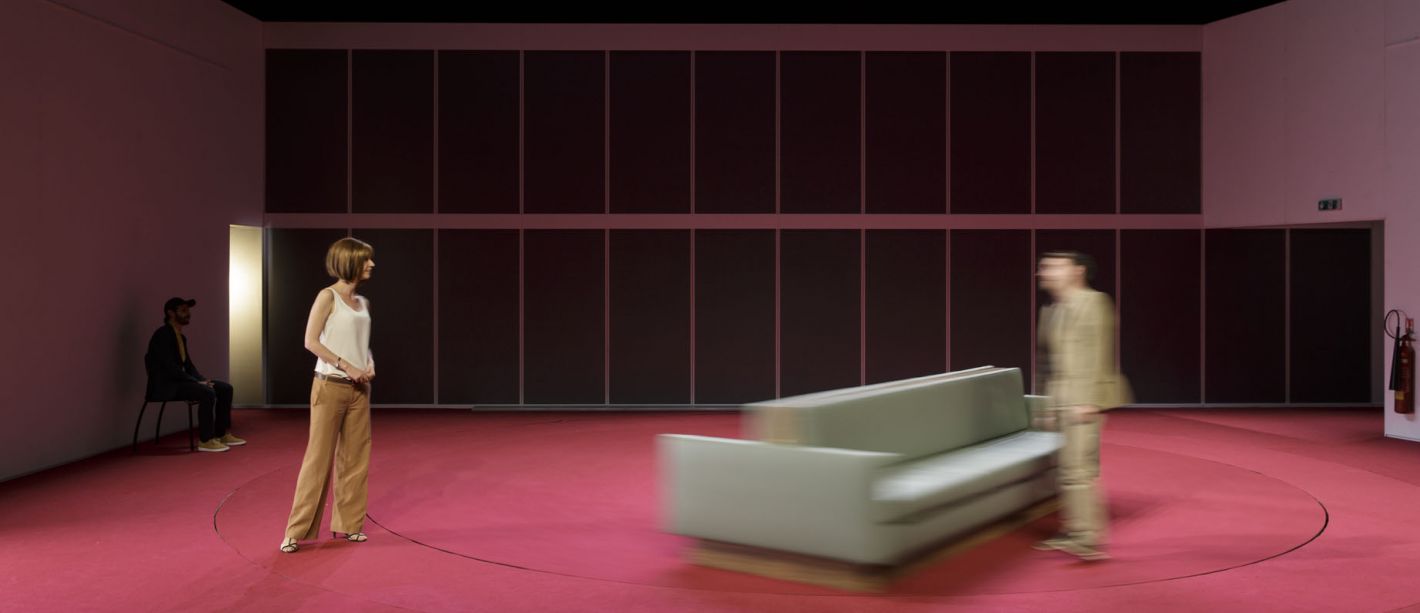
Trilogie du revoir © Christophe Raynaud de Lage
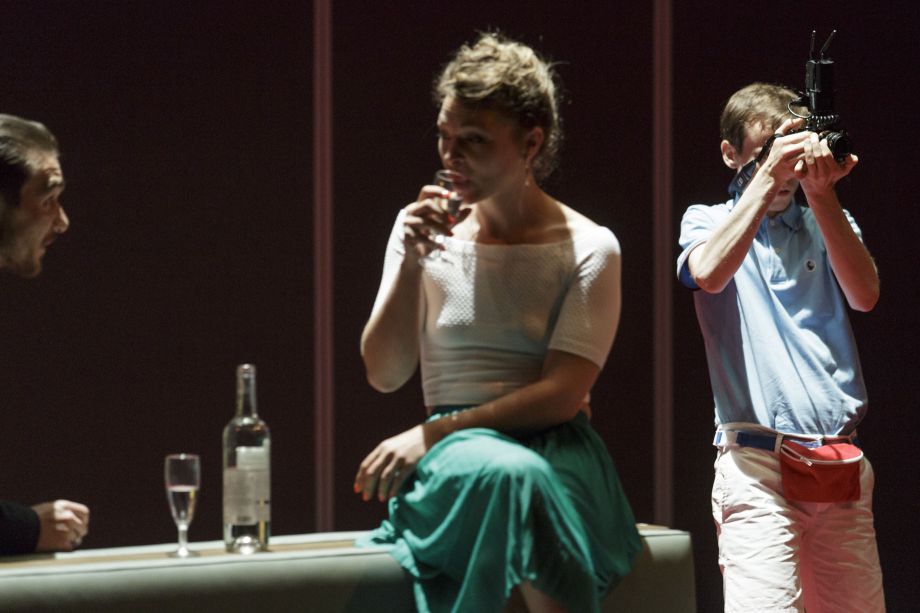
Trilogie du revoir © Christophe Raynaud de Lage
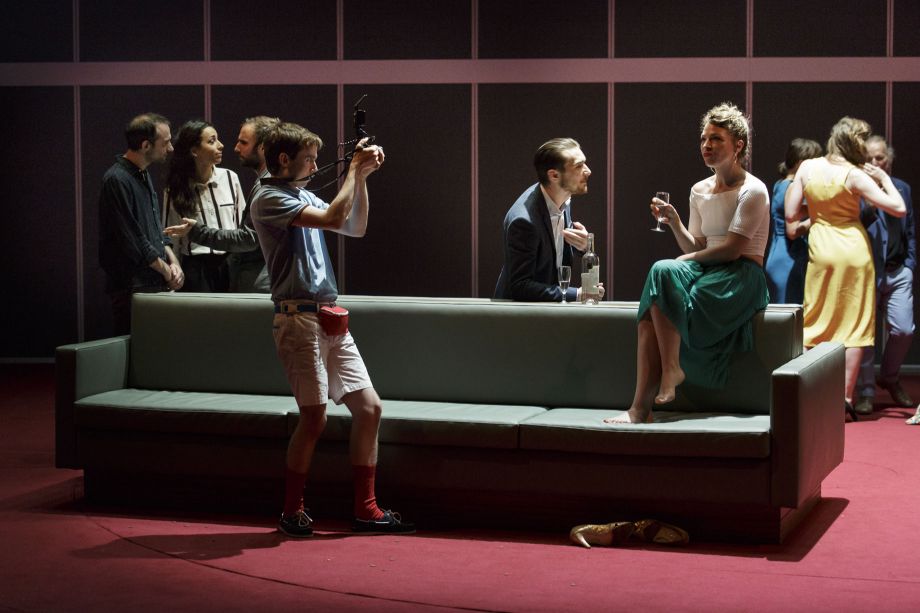
Trilogie du revoir © Christophe Raynaud de Lage
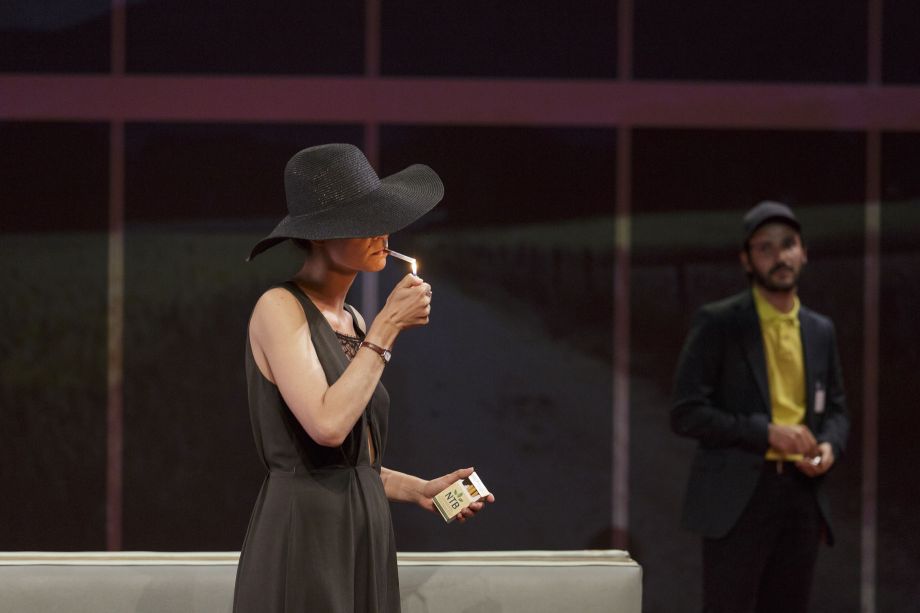
Trilogie du revoir © Christophe Raynaud de Lage
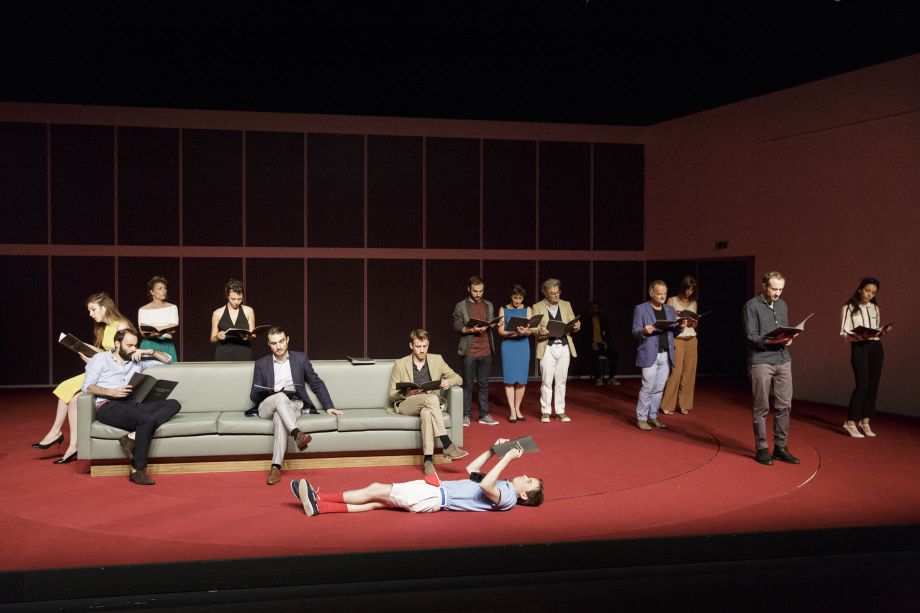
Trilogie du revoir © Christophe Raynaud de Lage
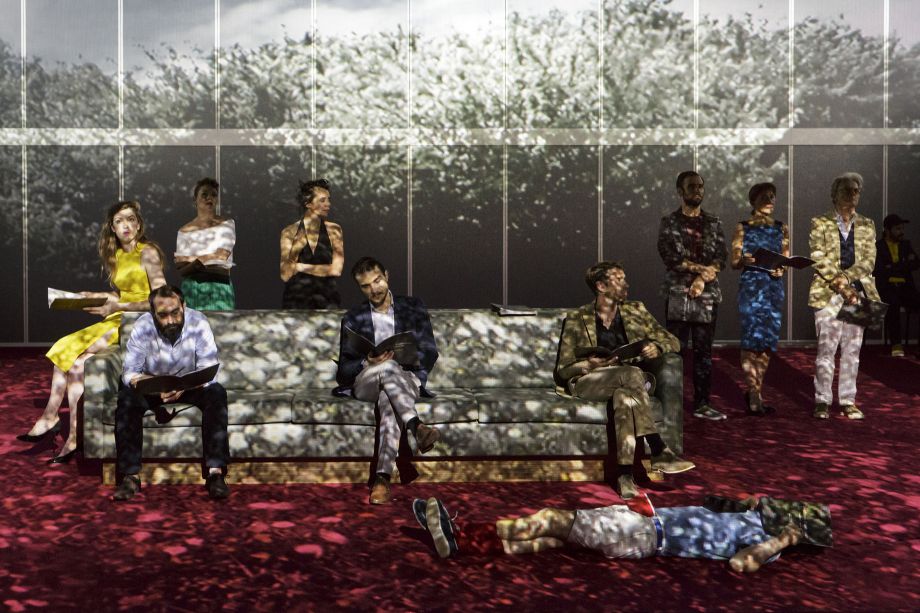
Trilogie du revoir © Christophe Raynaud de Lage
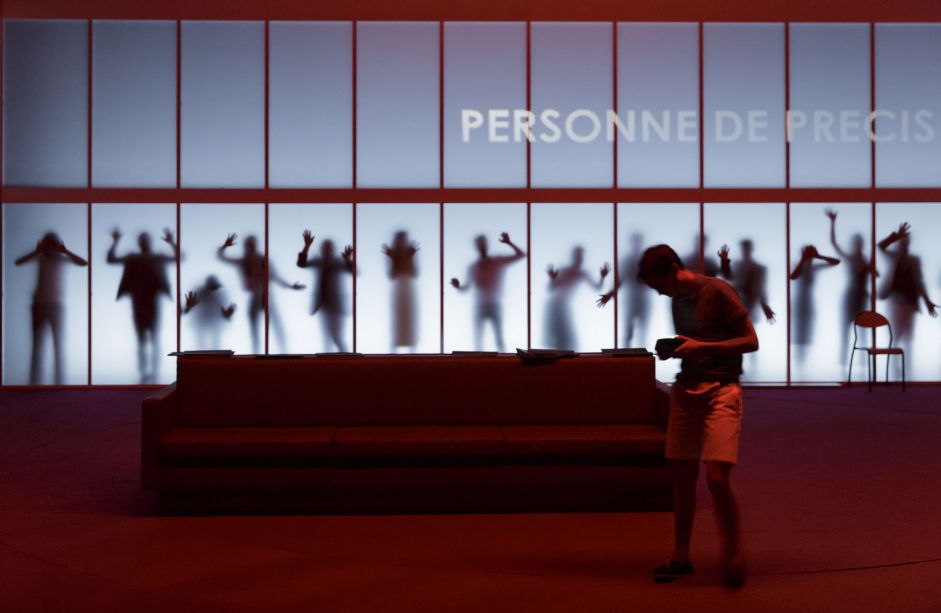
Trilogie du revoir © Christophe Raynaud de Lage
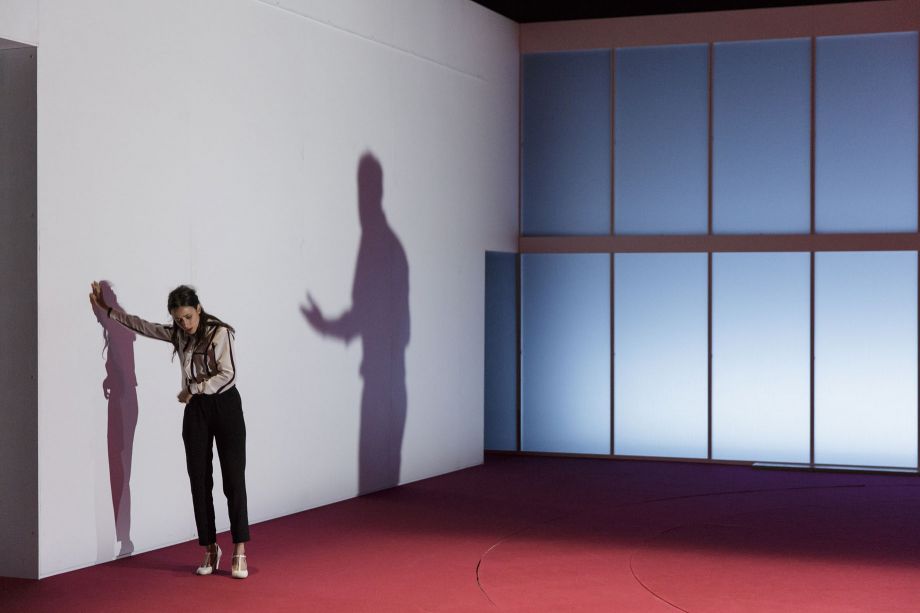
Trilogie du revoir © Christophe Raynaud de Lage
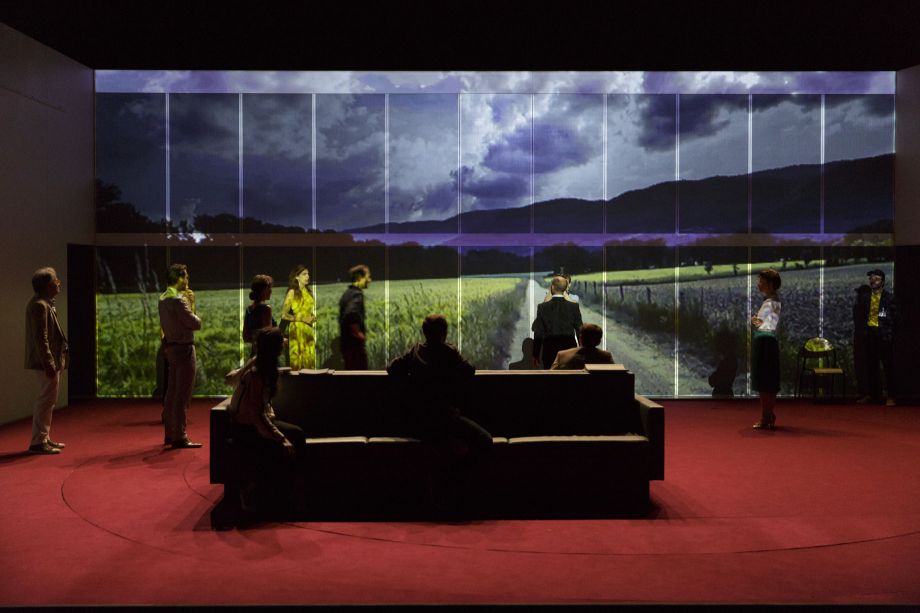
Trilogie du revoir © Christophe Raynaud de Lage
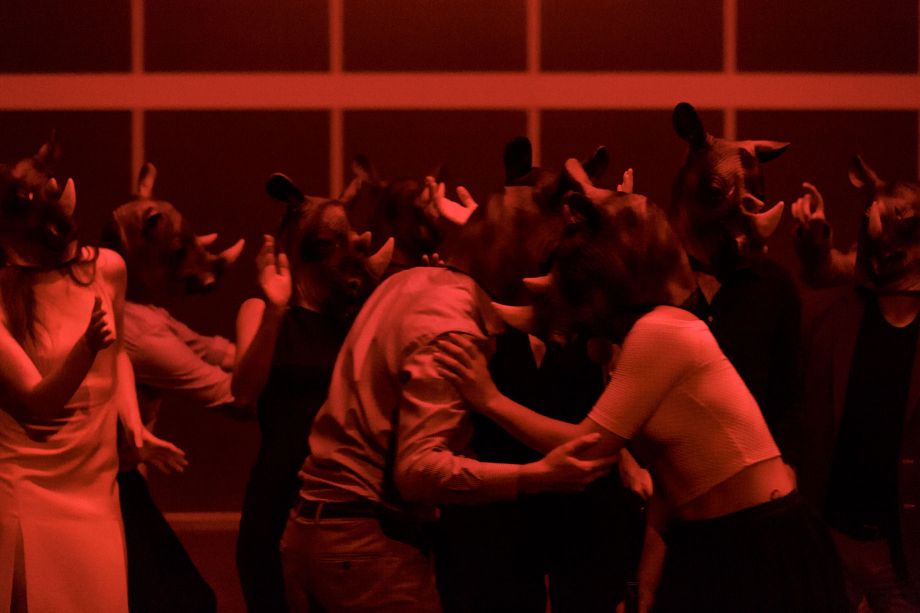
Trilogie du revoir © Christophe Raynaud de Lage
Trilogie du revoir © Christophe Raynaud de Lage
Trilogie du revoir © Christophe Raynaud de Lage
Trilogie du revoir © Christophe Raynaud de Lage
Trilogie du revoir © Christophe Raynaud de Lage
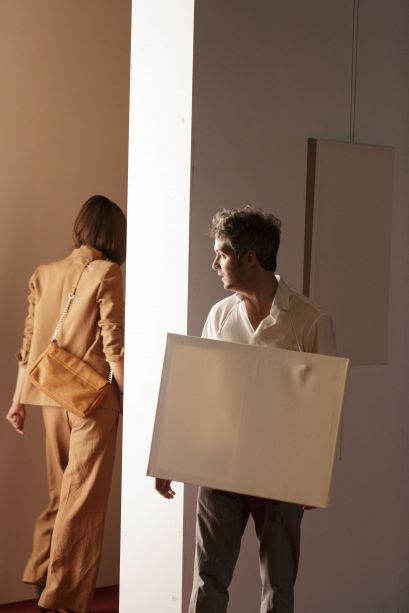
Trilogie du revoir © Christophe Raynaud de Lage
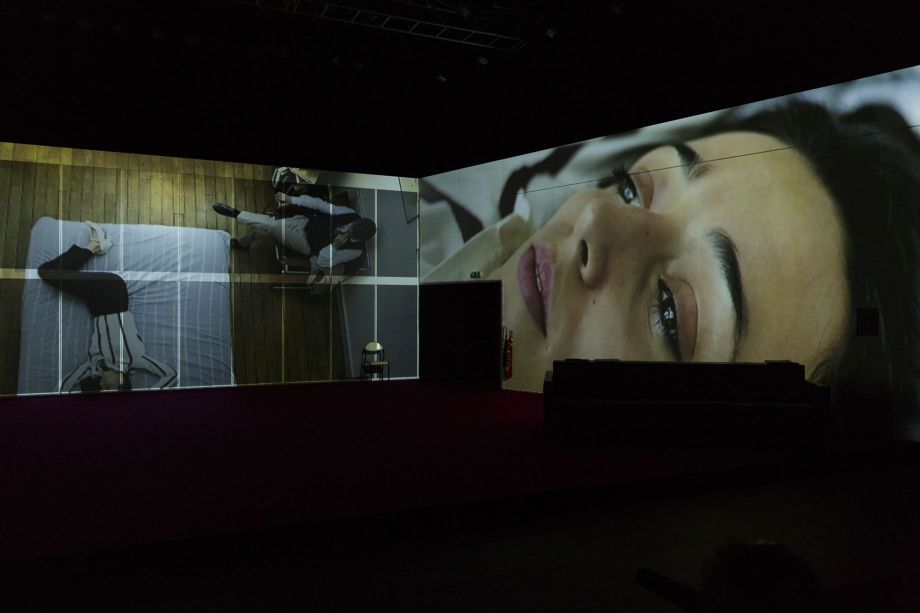
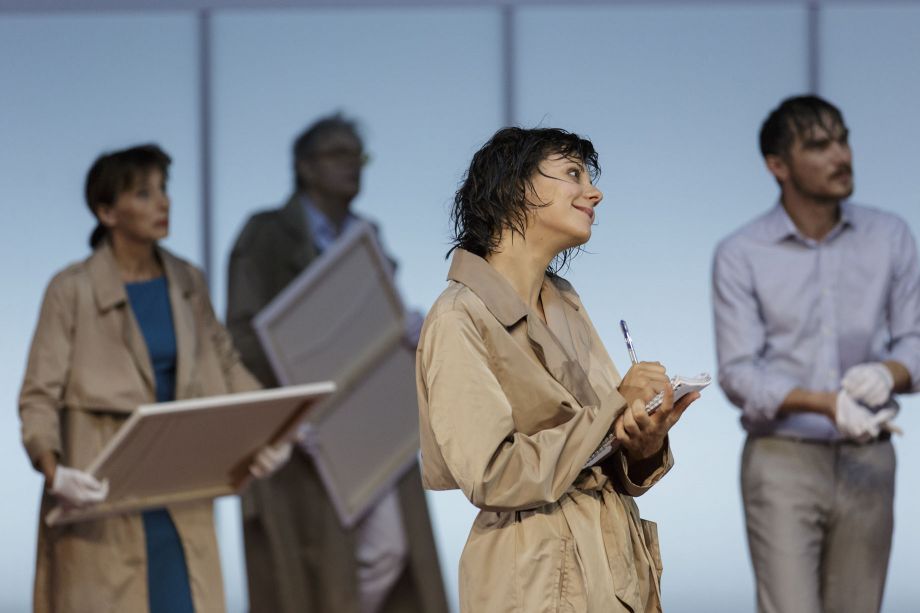
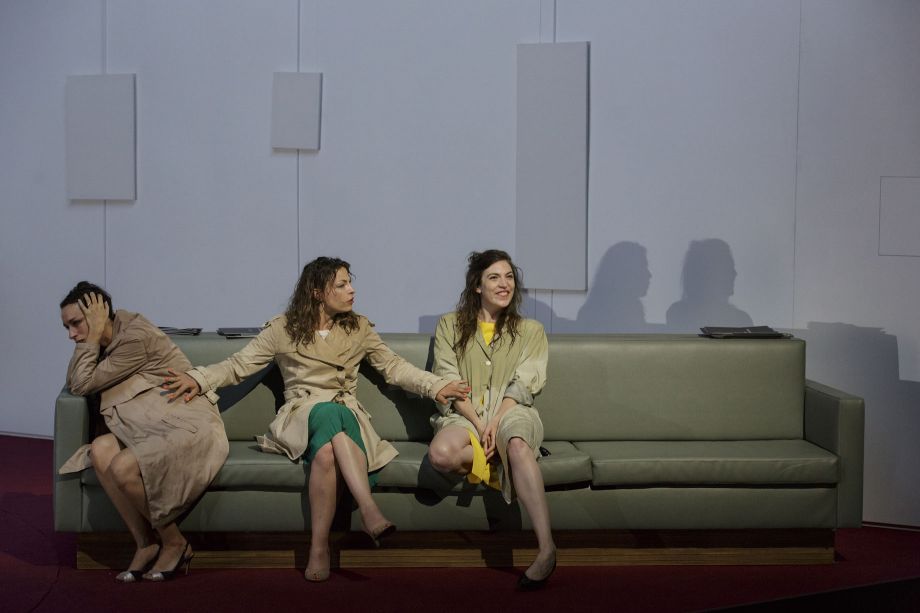
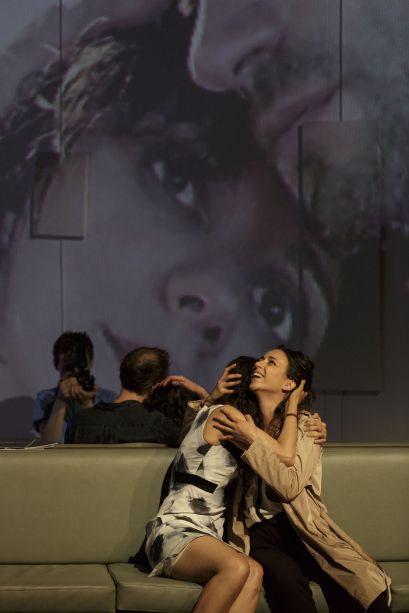
The group of the Friends of the Arts get together to discover the new exhibition curated by Moritz, the director of a museum lost in the wilderness.This confrontation with the paintings, and beyond that, with one another, soon reveals just how lonely and desperate everyone is. At the heart of Botho Strauss's Trilogy of the Reunions lies the question of representation; the representation of the real offered by painting, by the theatre, by photography or literature, and the representation that each and every one of us builds of ourselves to face others, or draw their eyes.This reflection about images, and about the image we have of ourselves, is an opportunity for Benjamin Porée to explore again the intimate crises of beings who have lost their bearings.Beings who are “not quite nobody but not someone yet” and who, even when they are called on to act against a decision to censor the exhibition, are all too ready to compromise their principles. There only remain the voices of the poet and of the art fanatic, who remind us that seeing works of art we have already seen before is a struggle against oblivion and goodbyes. By increasing the photographic effects that structure Botho Strauss's play, Benjamin Porée gives the audience the impression that they are always moving, like the visitors of a museum leaning closer to a painting, or choosing the right angle to examine a detail more closely.
After training as an actor at the cours Florent, Benjamin Porée founds in 2009 the company La Musicienne du silence. If he borrowed that name from Stéphane Mallarmé, it is the words of Arthur Rimbaud he first brings to the stage for his first show, A Season in Hell, performed by Matthieu Dessertine in 2006, and later by others.
When he then decides to turn to a dramatic text, it is Jean Racine's Andromaque, directing it at the Théâtre de Vanves, of which he becomes a partner in 2012.
There, he brings together a troupe of actors who went through the cours Florent to create Anton Chekhov's Platonov in 2012, which later played at the Odéon-Théâtre de l'Europe in 2014. With them, he also creates a choreographed duo, Sublime ou Rien (Sublime or Nothing), then, at the Loge de Paris, a play by Marius von Mayenburg for five characters, Parasites, and a solo with Edith Proust, Georges. Since 2015, Benjamin Porée has been a partner of the Gémeaux Scène nationale de Sceaux. Borrowing effects of tightening of the frame or of stretching of time from the cinema, Benjamin Porée aims to make the theatre a place where the inner selves of the actors meet those of the audience.
Born in 1944, Bothos Strauss worked as a theatre critic, then as a playwright for the Schaubühne in Berlin, working with Peter Stein, before becoming famous for his plays (Big and Small, 1978; Kalldewey, farce, 1981; The Park, 1983; Schlusschor (Final Chorus), 1991), but also for his novels (Devotion, 1977; Rumor, 1980; The Young Man, 1984). The living German author the most played in the world, Botho Strauss exposes the flaws hidden by modern social systems. The individual, as hard as he may try to adopt fashionable postures, always suffers from his inability to truly open up to others.
Text Botho Strauss
Direction Benjamin Porée
Translation Claude Porcell
Scenography Mathieu Lorry-Dupuy
Lights Marie-Christine Soma
Video Giuseppe Greco
Sound Jean-Philippe François
Costumes Marion Moinet
Assitant director Nicolas Grosrichard
With
Lucas Bonnifait Richard
Valentin Boraud Answald
Anthony Boullonnois Peter
Guillaume Compiano Le Gardien
Sylvain Dieuaide Moritz
Philippe Dormoy Martin
Christian Drillaud Franz
Macha Dussart Elfriede
Joseph Fourez Felix
Mathieu Gervaise Kiepert
Elsa Granat Susanne
Garlan Le Martelot Le Petit Klaus
Sophie Mourousi Ruth
Mireille Perrier Viviane
Edith Proust Marlies
Hélène Rencurel Johanna
Aurélien Rondeau Lothar
Production La Musicienne du silence - La Magnanerie
Coproduction Festival d'Avignon, Les Gémeaux Scène nationale de Sceaux, Le Parvis Scène nationale de Tarbes-Pyrénées, La Filature Scène nationale de Mulhouse
With the support of the ministère de la Culture et de la Communication - DRAC Île-de-France, Région Île-de-France, Adami, Spedidam
Résidence de production Les Gémeaux Scène nationale de Sceaux
With the artistic support of the Jeune Théâtre National
With the help of the Théâtre des Quartiers d'Ivry, Centre dramatique national en préfiguration, et de La Chapelle Dérézo, fabrique d'art - Brest
With the concours of the technique du Théâtre national de Strasbourg
Booklet (in English)
Download the PDF
Botho Strauss bibliography (in French) by the BnF Maison Jean Vilar
Download the PDF